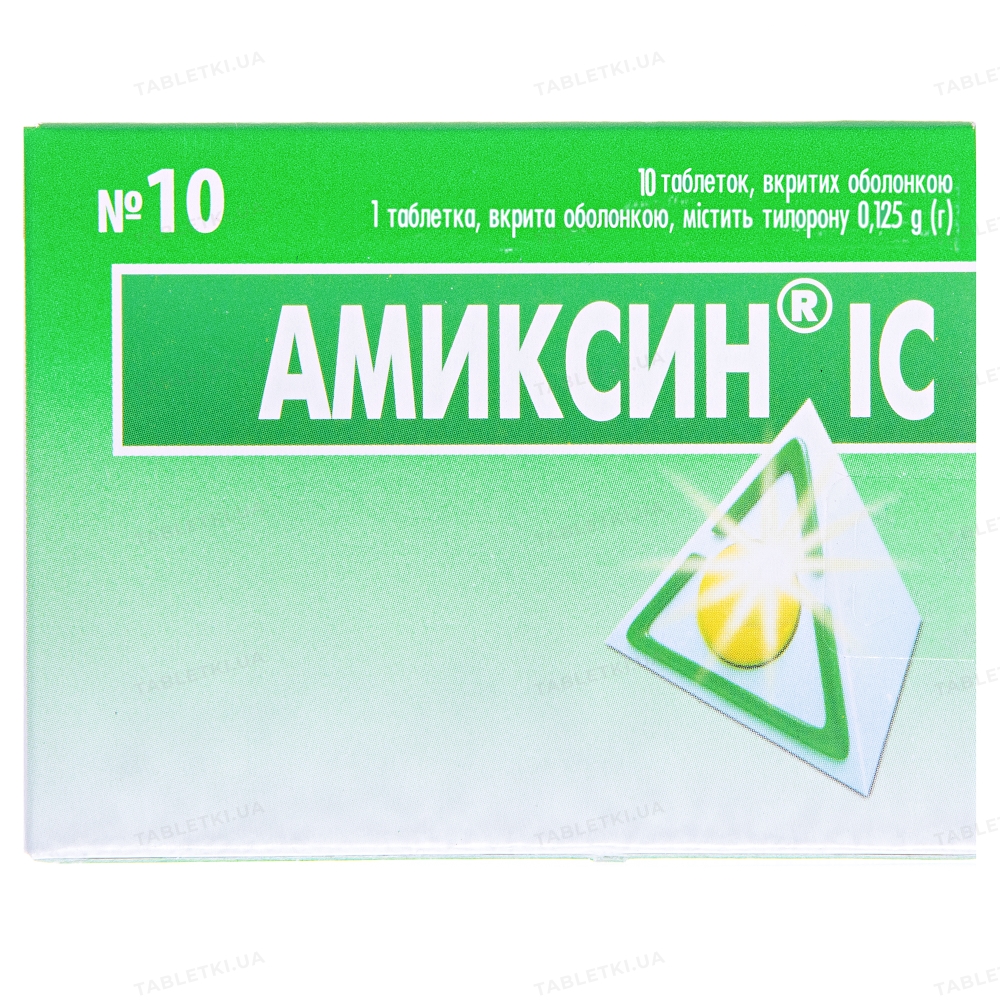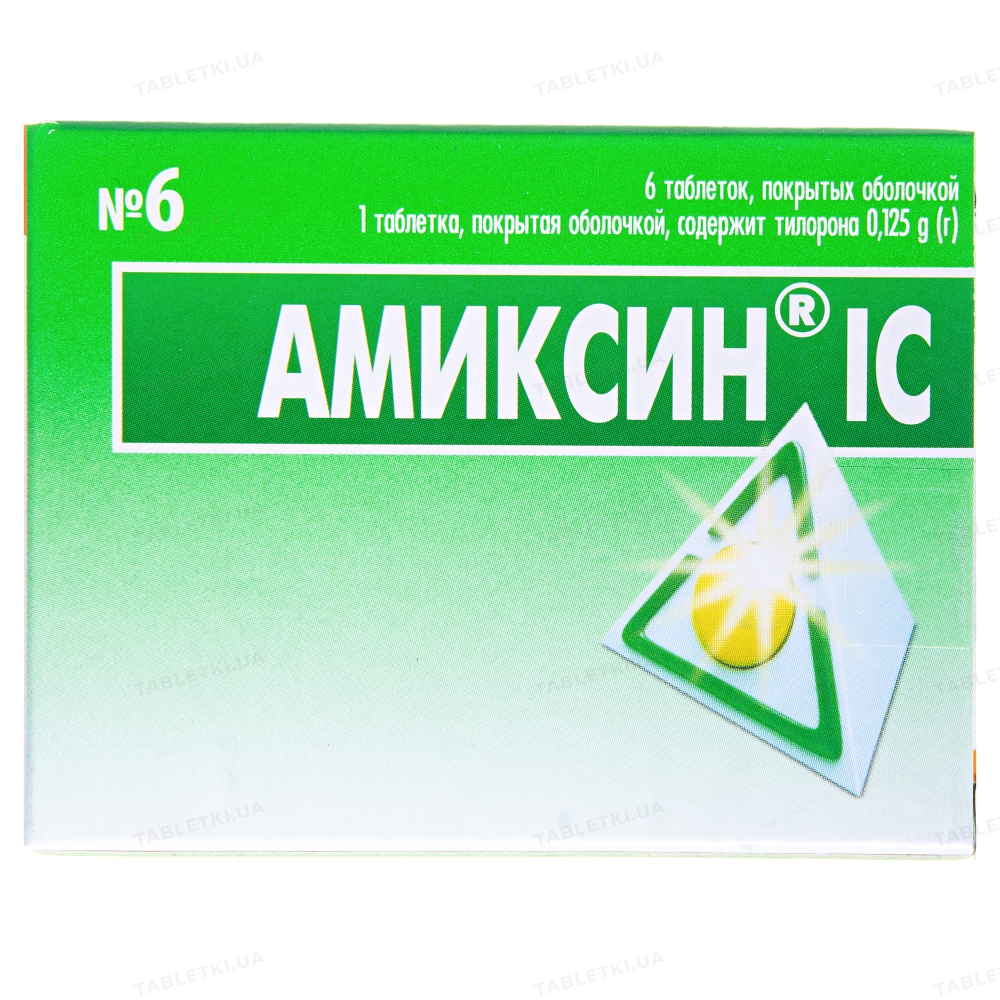
Amiksin IC tablets, coated, 0.125 g each, No. 6 (3x2)
Ingredients
Active ingredient: tilorone;
1 tablet contains 0.06 g (60 mg) or 0.125 g (125 mg) of tilorone;
excipients:
60 mg tablets: calcium hydrophosphate dihydrate, hypromellose (hydroxypropyl methylcellulose), microcrystalline cellulose, povidone, croscarmellose sodium, potato starch, polyethylene glycol (macrogol), talc, colloidal anhydrous silicon dioxide, calcium stearate, titanium dioxide (E 171), candurin (titanium dioxide (E 171), potassium aluminosilicate (E 555)), synthetic mixed red dye (hypromellose (hydroxypropyl methylcellulose), microcrystalline cellulose, titanium dioxide (E 171), Ponceau 4R lacquer (E 124), indigo carmine lacquer (E 132), sunset yellow FCF lacquer (E 110));
125 mg tablets: calcium hydrogen phosphate dihydrate, hypromellose (hydroxypropyl methylcellulose), microcrystalline cellulose, povidone, croscarmellose sodium, potato starch, polyethylene glycol (macrogol), talc, colloidal anhydrous silicon dioxide, calcium stearate, titanium dioxide (E 171), candurin (titanium dioxide (E 171), potassium aluminosilicate (E 555)), sunset yellow FCF (E 110).
Dosage Form
Film-coated tablets.
Main physical and chemical properties: Round, biconvex, film-coated tablets, dark pink (for 60 mg tablets) and orange (for 125 mg tablets) in color; two layers are visible on the break.
Pharmacotherapeutic group
Immunostimulants. ATC code L03A X.
Pharmacological Properties
Pharmacodynamics.
AMIXIN® IS (tilorone) is an immunomodulatory and antiviral agent. It stimulates the production of α, β, and γ-interferons in the body. The main producers of interferon in response to administration of the drug are intestinal epithelial cells, hepatocytes, T-lymphocytes, neutrophils, and granulocytes. After oral administration, peak interferon production is observed in the “intestine-liver-blood” sequence within 4–24 hours. It stimulates bone marrow stem cells; depending on the dose, it enhances antibody production, reduces the degree of immunosuppression, and restores the T-suppressor/T-helper ratio. It is effective against a wide range of viral infections, including influenza viruses, other acute respiratory viral infections, hepatitis A, B, and C, and herpesviruses. The mechanism of antiviral action is associated with the inhibition of the translation of virus-specific proteins in infected cells, thereby suppressing viral replication.
In animal studies (using chicken and duck embryos), the drug has been shown to possess high antiviral activity against the H5N1 strain of highly pathogenic avian influenza (HPAI) strain H5N1, as well as (in experiments on chickens) significant immunostimulatory and adjuvant activity against HPAI antigens.
Pharmacokinetics.
After oral administration, tilorone is rapidly absorbed from the gastrointestinal tract. Bioavailability is 60%. Approximately 80% of the drug binds to plasma proteins.
The drug is not subject to biotransformation and does not accumulate in the body. It is excreted virtually unchanged in feces and urine in a 7:1 ratio. The half-life is 48 hours.
Indications
Adults: treatment of viral hepatitis A, B, and C; herpes infection; cytomegalovirus infection; as part of combination therapy for infectious-allergic and viral encephalomyelitis (multiple sclerosis, leukoencephalitis, uveoencephalitis, and meningoencephalitis), urogenital and respiratory chlamydiosis; for the treatment and prevention of influenza and acute respiratory viral infections. To reduce the degree of immunosuppression as part of complex therapy for diseases accompanied by secondary induced immunodeficiencies (caused by exposure to X-rays, cytostatic drugs, surgical interventions, etc.) and requiring immunocorrection.
Children aged 7 years and older: treatment of influenza and acute respiratory viral infections.
Contraindications
Hypersensitivity to any component of the drug.
Interactions with Other Medications and Other Types of Interactions
Compatible with antibiotics and traditional treatments for viral and bacterial diseases.
Special considerations for use
This medication contains dyes that may cause allergic reactions.
Use During Pregnancy or Breastfeeding
There is no experience with the use of this medication during pregnancy or breastfeeding; therefore, it should not be used during these periods.
Effect on reaction time when driving or operating machinery
No effect.
Dosage and Administration
Take the medication orally after meals.
Adults
- Prevention of viral hepatitis A: 125 mg per week for 6 weeks.
- Treatment of viral hepatitis A: on day 1—125 mg twice, then 125 mg every 48 hours. Total course dose—1.25 g.
- Treatment of acute hepatitis B: 125 mg on each of the first 2 days of treatment, followed by 125 mg every 48 hours. Total course dose: 2 g. In cases of prolonged disease, the total course dose may be increased to 2.5 g.
- For chronic hepatitis B: 250 mg on each of the first 2 days of treatment, followed by 125 mg every 48 hours. The course dose at the start of treatment is 2.5 g. Subsequently, the drug is taken at a dose of 125 mg per week. In total, the course dose ranges from 3.75 g to 5 g.
- For acute hepatitis C: 125 mg on each of the first 2 days of treatment, followed by 125 mg every 48 hours. The course dose is 2.5 g.
- For chronic hepatitis C: 250 mg on each of the first 2 days of treatment, followed by 125 mg every 48 hours. The course dose at the start of treatment is 2.5 g. Subsequently, the medication is taken at a dose of 125 mg per week. The total course dose is 5 g.
- For the treatment of influenza and acute respiratory viral infections: 125 mg on each of the first 2 days of treatment, followed by 125 mg every 48 hours. The total course dose is 750 mg.
- For the prevention of influenza and acute respiratory viral infections: 125 mg once a week for 6 weeks.
- For the treatment of herpes and cytomegalovirus infections: 125 mg daily for the first 2 days of treatment, followed by 125 mg every 48 hours. Total course dose: 2.5 g.
- To reduce the degree of immunosuppression as part of complex therapy for diseases accompanied by secondary induced immunodeficiencies and requiring immunocorrection: 125–250 mg per week for 6 weeks. The maximum course dose is 1.5 g. Depending on immunological parameters and the course of the disease, the treatment course may be repeated with a 4-week interval between courses.
- For urogenital and respiratory chlamydiosis: 125 mg on each of the first 2 days of treatment, followed by 125 mg every 48 hours. The course dose is 1.25 g.
- For combination therapy of neuroviral infections—including infectious-allergic and viral encephalomyelitis (multiple sclerosis, leukoencephalitis, uveoencephalitis, and meningoencephalitis): during the first 2 days of treatment—125 mg, followed by 125 mg every 48 hours. Total course dose—1.5 to 1.75 g.
Children aged 7 years and older
- For uncomplicated forms of influenza or acute respiratory viral infections, take 60 mg once daily on the 1st, 2nd, and 4th days from the start of treatment. The total course dose is 180 mg.
- In cases of complications from the flu or acute respiratory viral infections, take 60 mg once daily on the 1st, 2nd, 4th, and 6th days from the start of treatment. The total course dose is 240 mg.
Children
This medication should not be used in children under 7 years of age.
Overdose
There are no known cases of overdose with AMIXIN® IS.
Side Effects
Skin and subcutaneous tissue: allergic reactions, including itching and rash (particularly hives).
Gastrointestinal: dyspeptic symptoms (including nausea, heartburn).
Other: transient fever.
Shelf life
5 years.
Storage conditions
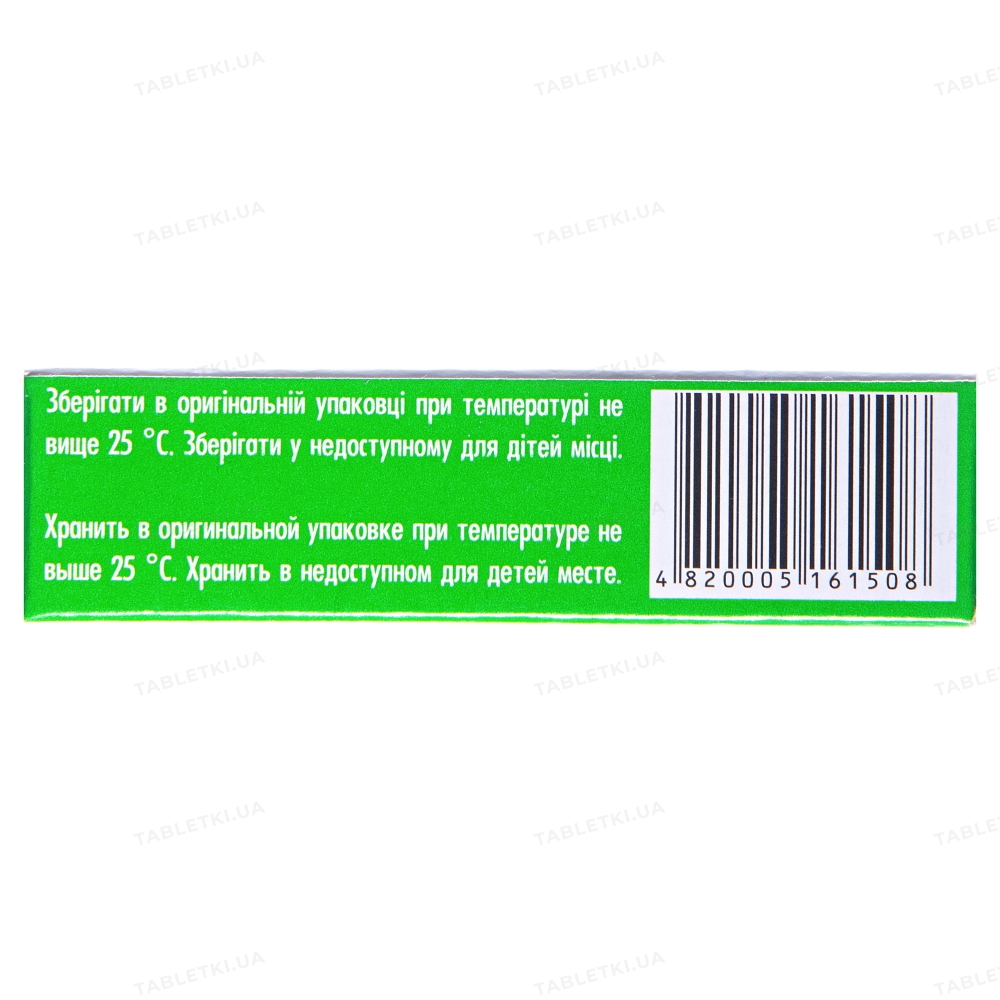
Store in the original packaging at a temperature not exceeding 25 °C.
Keep out of reach of children.
Packaging
3 tablets per blister; one, two, or three blisters per pack. 5 tablets per blister; two blisters per pack.
Dispensing Category
Over-the-counter.
Manufacturer
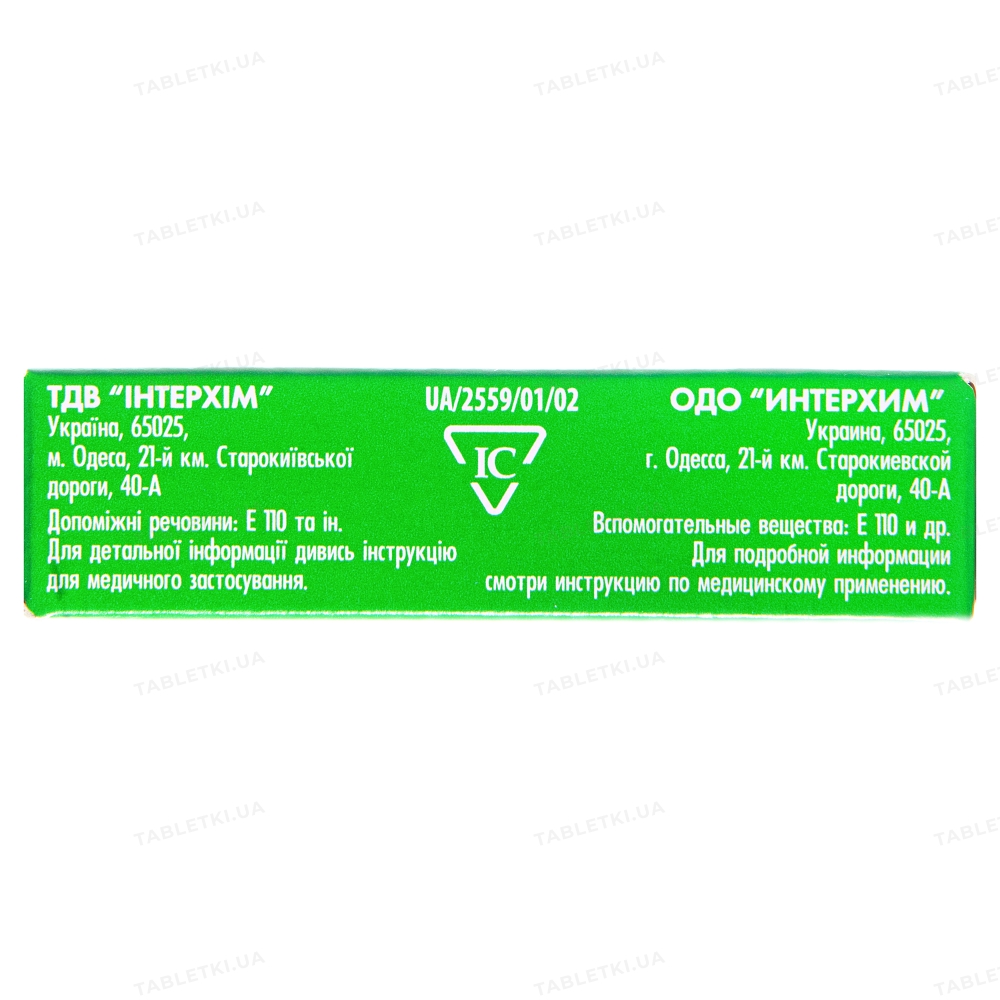
INTERCHIM Limited Liability Company.