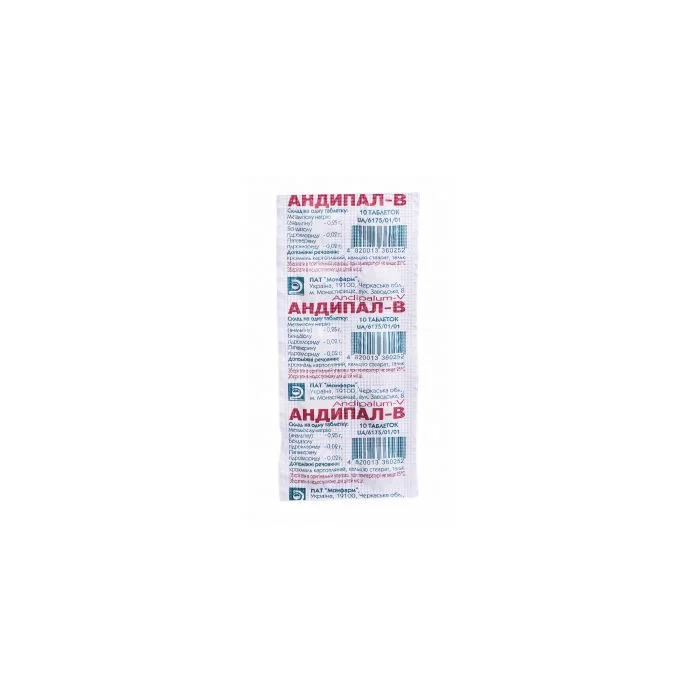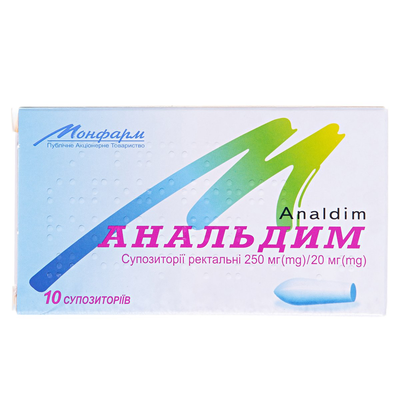
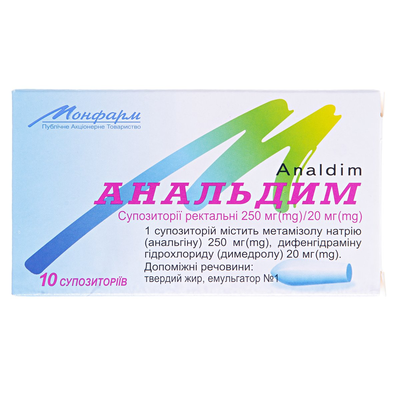
Analldim rectal suppositories, 250 mg/20 mg, No. 10 (5 x 2)
Ingredients
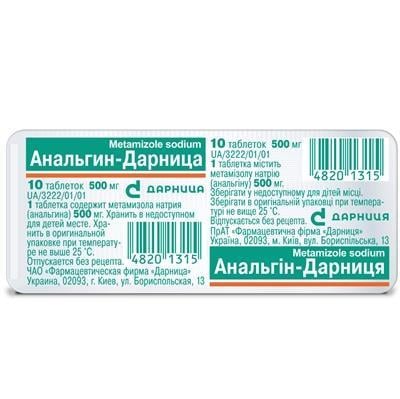
Active ingredients: metamizole sodium, diphenhydramine hydrochloride;
1 suppository contains 100 mg or 250 mg of metamizole sodium (Analgin) and 10 mg or 20 mg of diphenhydramine hydrochloride (Dimedrol), respectively;
Excipients: hard fat, emulsifier No. 1.
Dosage Form
Rectal suppositories.
Main physical and chemical properties: suppositories ranging in color from white to white with a yellowish or cream-colored tint.
Pharmacotherapeutic group
Analgesics and antipyretics. ATC code N02B B52.
Pharmacological properties
Pharmacodynamics.
Analgin—a pyrazolone derivative—has pronounced analgesic and antipyretic effects, which are due to the inhibition of bradykinin and prostaglandin synthesis. Diphenhydramine exerts antihistaminic, sedative, centrally anticholinergic, and anti-inflammatory effects. In addition, diphenhydramine potentiates the effect of analgin.
Pharmacokinetics.
Analgin and Diphenhydramine are rapidly absorbed in the rectum, and their peak concentrations in the blood are reached quickly (within 1–2 hours). Analgin and dimedrol are widely distributed throughout the body and readily penetrate the central nervous system. Analgin is excreted from the body in the urine in its unchanged form and as conjugates with sulfuric and glucuronic acids; diphenhydramine is metabolized in the liver. The drug’s effect becomes apparent within 5–6 hours after administration.
Indications
Contraindications
Severe liver or kidney dysfunction, blood disorders (anemia of any etiology, cytostatic or infectious neutropenia; agranulocytosis, leukopenia), glucose-6-phosphate dehydrogenase deficiency, rhinitis, conjunctivitis, or bronchospasm when taking nonsteroidal anti-inflammatory drugs, bronchial asthma, hypersensitivity to the drug, suspected acute surgical pathology, hypersensitivity to other antihistamines, pheochromocytoma, epilepsy, congenital long QT syndrome or long-term use of medications that may prolong the QT interval, angle-closure glaucoma, benign prostatic hyperplasia, stenotic peptic ulcer disease of the stomach and duodenum, bladder neck stenosis, bradycardia, cardiac arrhythmias, hypersensitivity to other pyrazolone derivatives (butadione, tribuzone, antipyrine).
Special Safety Precautions
Metamizole sodium: Do not exceed the recommended doses of the medication.
Do not use this medication to relieve acute abdominal pain (until the cause has been determined).
Because metamizole sodium has anti-inflammatory and analgesic properties, it may mask signs of infection, symptoms of non-infectious diseases, and complications associated with pain, which may complicate their diagnosis.
Avoid consuming alcoholic beverages while taking this medication. Use in children should be under constant medical supervision. This medication should be used with caution in patients: of advanced age—it may increase the frequency of adverse reactions, particularly those affecting the gastrointestinal tract; with existing allergic conditions (including hay fever) or a history of such conditions—the risk of allergic reactions is increased; with impaired renal function or a history of kidney disease (pyelonephritis, glomerulonephritis); with inflammatory bowel diseases, including nonspecific ulcerative colitis and Crohn’s disease; with severe hypotension or cardiovascular insufficiency; with chronic alcoholism; when used concomitantly with cytostatic drugs (only under medical supervision).
When administered to children, constant medical supervision is required. The qualitative and quantitative composition of peripheral blood must be monitored.
Patients should be warned before starting treatment that if they experience chills, fever, sore throat, difficulty swallowing, bleeding gums, pallor of the skin, or asthenia for no apparent reason, or if vaginitis or proctitis develops, use of the drug should be discontinued immediately. Use of the drug must also be discontinued at the first sign of a rash on the skin or mucous membranes. If these symptoms occur, consult a doctor immediately.
While taking this medication, urine may turn red due to the excretion of a metabolite of metamizole sodium.
Diphenhydramine: Use with caution in patients with hyperthyroidism, chronic obstructive pulmonary disease, elevated intraocular pressure, cardiovascular diseases, and in elderly patients.
The medication may cause dry eyes and create discomfort when wearing contact lenses.
During treatment with this medication, alcohol consumption is contraindicated, and exposure to UV radiation should be avoided. The use of diphenhydramine as an antiemetic may complicate the diagnosis of appendicitis and the recognition of symptoms of overdose with other medications.
Regular, long-term use of this medication is not recommended due to the myelotoxicity of metamizole sodium.
Interactions with Other Medications and Other Types of Interactions
Diphenhydramine
Enhances the effects of ethanol and agents that depress the central nervous system: neuroleptics, tranquilizers, hypnotics, analgesics, and narcotic drugs. Monoamine oxidase inhibitors enhance the anticholinergic activity of diphenhydramine.
An antagonistic interaction is observed when used concomitantly with psychostimulants. The use of dimedrol together with antihypertensive drugs may increase feelings of fatigue. It reduces the effectiveness of apomorphine as an emetic in the treatment of poisoning. It enhances the anticholinergic effects of drugs with M-cholinergic blocking activity. Should not be prescribed together with medications containing dimedrol, including those for topical use. When used concomitantly with analeptics, the risk of seizures increases.
When dimedrol is used concomitantly with tricyclic antidepressants, its M-cholinergic blocking effect may be potentiated, which can lead to increased intraocular
in glaucoma.
Metamizole sodium
X-ray contrast media, colloidal blood substitutes, and penicillin should not be used during treatment with metamizole sodium.
Chlorpromazine or other phenothiazine derivatives—severe hypothermia may develop.
Indirect anticoagulants, phenytoin, glucocorticosteroids, indomethacin, and ibuprofen—metamizole sodium increases the activity of these drugs by displacing them from their protein-binding sites.
Phenylbutazone, glutethimide, barbiturates, and other inducers of hepatic microsomal enzymes—the efficacy of metamizole sodium is reduced.
Tricyclic antidepressants, hormonal contraceptives, allopurinol, and alcohol—may increase the toxicity of metamizole sodium. Metamizole sodium enhances the sedative effect of alcohol.
Other nonsteroidal anti-inflammatory drugs (NSAIDs)—their analgesic and antipyretic effects are potentiated, and the likelihood of additive adverse effects increases.
Sedatives and tranquilizers (sibazon, trioxazine, valocordin), codeine, histamine H2-receptor blockers, and propranolol enhance the analgesic effect of metamizole sodium.
Sarcolysin, mercazolil, thiamazole, and drugs that suppress bone marrow activity—including gold-based preparations—increase the likelihood of hematotoxicity, including the development of leukopenia.
Methotrexate—high doses of metamizole may lead to increased plasma concentrations of methotrexate and an intensification of its toxic effects (primarily on the gastrointestinal tract and the hematopoietic system). Cyclosporine—plasma concentrations of cyclosporine are reduced.
Oral sulfonylurea hypoglycemic agents—their hypoglycemic effect may be potentiated when used concomitantly with NSAIDs, including metamizole sodium. Diuretics (furosemide)—the diuretic effect may be reduced.
Special Considerations for Use
Use with caution in patients engaged in activities requiring rapid psychomotor reactions.
Use during pregnancy or breastfeeding.
This medication is contraindicated during pregnancy. Breastfeeding should be discontinued during treatment.
Effect on reaction time when operating motor vehicles or other machinery.
Patients should avoid driving or operating machinery while taking this medication.
Dosage and Administration
The medication is administered rectally. Dosage frequency: 1–3 suppositories per day.
Children aged 1–4 years are prescribed 1 suppository containing 100 mg of analgin and 10 mg of dimedrol.
Children 5 years of age and older and adults are prescribed suppositories containing 250 mg of analgin and 20 mg of diphenhydramine; children aged 5 years and older are prescribed 1 suppository each, and adults are prescribed 1–2 suppositories.
The duration of treatment is determined on an individual basis. The medication is used until fever and pain symptoms subside; typically, treatment lasts 1 to 3–4 days.
Children.
Use in children aged 1 year and older.
Overdose
Symptoms: hypothermia, palpitations, marked decrease in blood pressure, tachycardia, dysphagia, shortness of breath, tinnitus, nausea, vomiting, gastralgia/gastritis, weakness, drowsiness, delirium, impaired consciousness, convulsive syndrome; possible development of acute agranulocytosis, hemorrhagic syndrome, oliguria, anuria, acute renal or hepatic failure, and respiratory muscle paralysis.
Treatment: discontinuation of the drug, induction of vomiting, gastric lavage, administration of saline laxatives and enterosorbents, forced diuresis, and symptomatic therapy aimed at maintaining vital functions. In severe cases, hemodialysis, hemoperfusion, or peritoneal dialysis may be required.
At the first signs of an overdose, seek medical help immediately!
Side Effects
Immune system: allergic reactions, skin rashes (papular, maculopapular, erythematous-urticarial), hives, itchy skin, angioedema, contact dermatitis, rashes on the mucous membranes, conjunctivitis, skin hyperemia, angioedema, bronchospastic syndrome, anaphylactic shock, Stevens-Johnson syndrome, Lyell’s syndrome.
Central nervous system: caused by the effects of diphenhydramine—drowsiness, insomnia, decreased attention, slowed psychomotor reactions, anxiety, impaired coordination, increased excitability (especially in children), nervousness, irritability, euphoria, confusion, tremor, sweating, chills, neuritis, convulsions, paresthesia, dilated pupils, diplopia, visual disturbances, acute labyrinthitis, tinnitus, dizziness, headache, numbness of the oral mucosa, general weakness.
Hematologic system: possible suppression of hematopoiesis (thrombocytopenia, granulocytopenia, leukopenia, hemolytic anemia, hemolytic jaundice—agranulocytosis).
Gastrointestinal system: dry mouth, nausea, vomiting, epigastric pain, diarrhea, constipation.
Urinary system: frequent and/or difficult urination, urinary retention, transient oliguria, anuria, proteinuria, interstitial nephritis.
Cardiovascular system: chest tightness, palpitations, tachycardia, extrasystoles, shortness of breath, decreased blood pressure.
Respiratory system: In patients prone to bronchospasm, an attack may be triggered.
Other: increased frequency of menstruation, early menstruation; dryness in the nose and throat, nasal congestion; thickening of bronchial secretions; photosensitivity, dry eyes; hepatitis; anorexia; increased intraocular pressure.
Shelf life
2 years.
Storage conditions
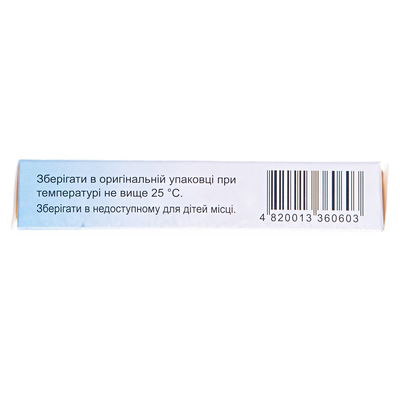
Store in the original packaging at a temperature not exceeding 25 °C.
Keep out of reach of children.
Packaging
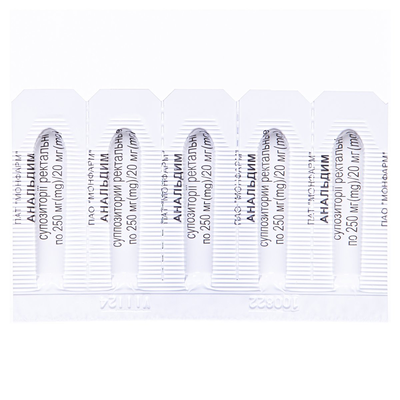
5 suppositories per strip. 2 strips per cardboard package.
Dispensing Category
By prescription only.
Manufacturer
Monfarm PJSC.