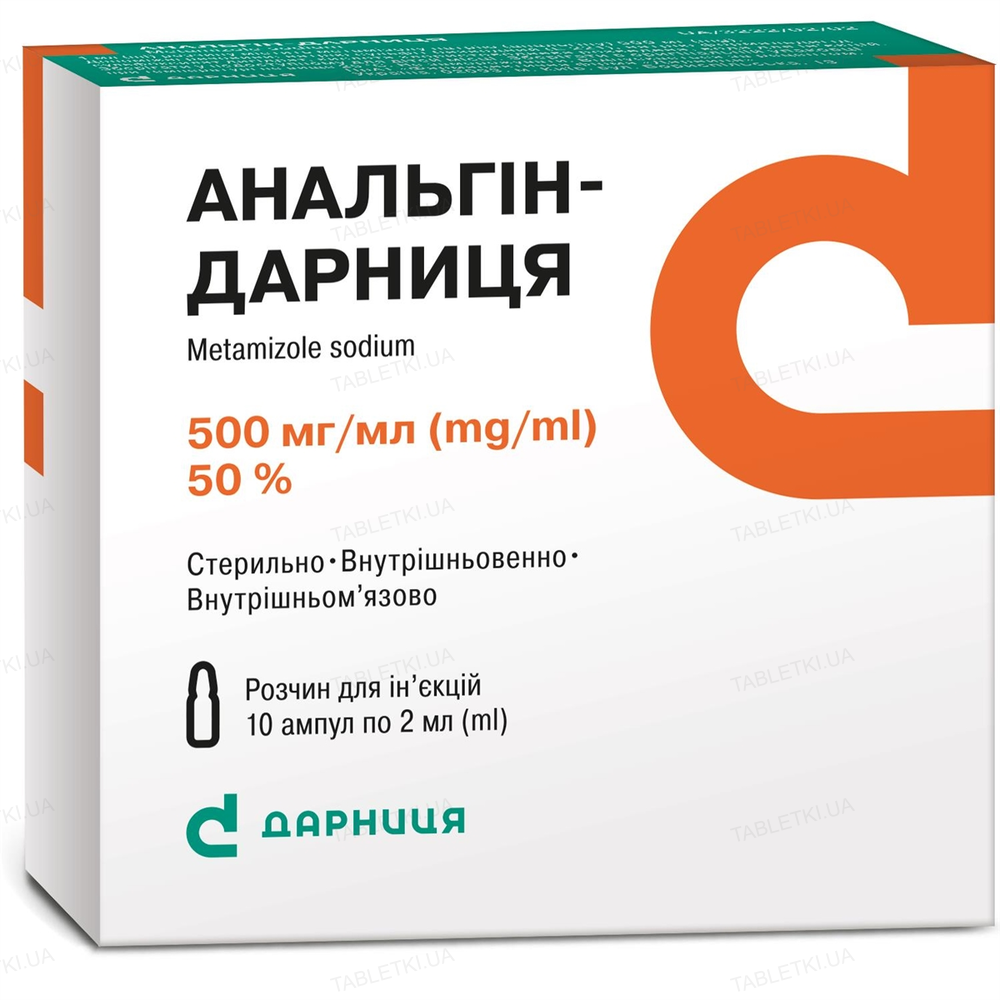
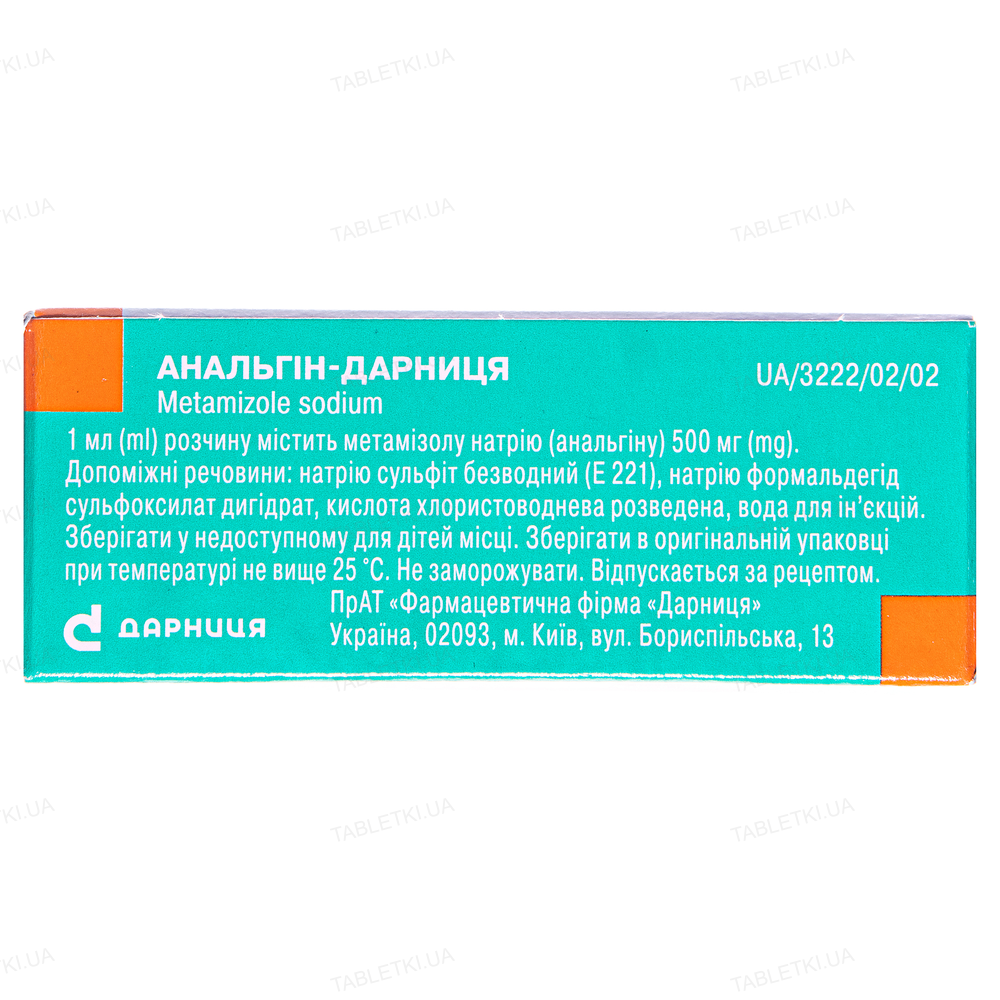
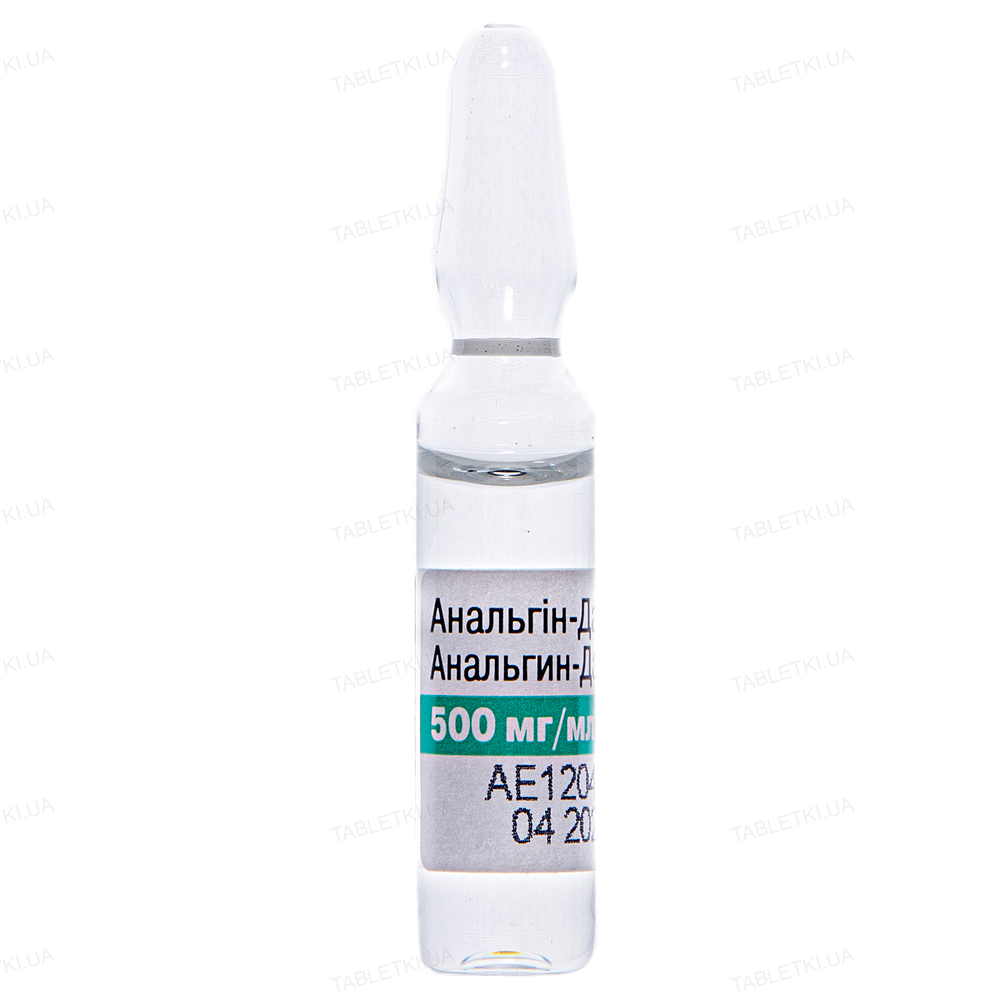
Analgin-Darnitsa Solution for Injection, 500 mg/mL, 2 mL, No. 10 in ampoules
Composition
Active ingredients: acetaminophen, dicyclomine hydrochloride;
1 tablet contains 500 mg of acetaminophen and 20 mg of dicyclomine hydrochloride;
Excipients: corn starch, microcrystalline methylcellulose, povidone, magnesium stearate, talc, colloidal anhydrous silicon dioxide, sodium starch glycolate (type A).
Dosage Form
Tablets.
Main physical and chemical properties: uncoated, white, round tablets.
Pharmacotherapeutic group
Analgesics and antipyretics. Paracetamol, combinations without psycholeptics.
ATC code N02B E51.
Pharmacological properties
Pharmacodynamics.
A combination drug with analgesic and antispasmodic effects.
Paracetamol acts as an analgesic and antipyretic. The analgesic and antipyretic effects of paracetamol (a non-opioid, non-salicylate analgesic) are associated with the drug’s effect on the thermoregulatory center in the hypothalamus and its ability to inhibit prostaglandin synthesis.
Dicyclomine hydrochloride is a tertiary amine. It possesses anticholinergic activity, reduces smooth muscle tone, relieves pain, and blocks antagonistic activity. Dicyclomine hydrochloride selectively paralyzes M-cholinergic structures by blocking the transmission of impulses from postganglionic cholinergic nerves to the effector organs they innervate. It causes relaxation of smooth muscle, exerting an antispasmodic effect in cases of smooth muscle spasms of the stomach, intestines, biliary tract, genitourinary system, and vascular system.
Pharmacokinetics.
Paracetamol is well absorbed in the gastrointestinal tract; peak plasma concentrations are reached between 30 minutes and 2 hours after oral administration.
When taken orally, dicyclomine is rapidly absorbed in the gastrointestinal tract and reaches peak concentrations within 60–90 minutes. The primary route of elimination is via urine.
Indications
Pain syndromes with a spastic component of various origins:
- Headache;
- Toothache;
- muscle pain, neuralgia;
- rheumatic pain, sciatica;
- renal colic;
- menstrual cramps.
Contraindications
Hypersensitivity to any component of the drug. Glaucoma, tachycardia, urinary tract obstruction, benign prostatic hyperplasia with a tendency toward urinary retention, severe renal and/or hepatic insufficiency, glucose-6-phosphate dehydrogenase deficiency, alcoholism, blood disorders, anemia (including hemolytic anemia), leukopenia. Dynamic intestinal obstruction, paralytic ileus, pyloric stenosis with obstruction, severe ulcerative colitis, obstructive diseases of the gastrointestinal tract and biliary tract with impaired patency, gastric or duodenal ulcer, reflux esophagitis; acute bleeding; congenital hyperbilirubinemia (Gilbert’s syndrome, Dubin-Johnson syndrome, and Rotor syndrome), myasthenia gravis, thyrotoxicosis, heart failure.
Interactions with Other Medications and Other Forms of Interactions
The nature of the drug’s interactions is determined by the properties of its components.
Paracetamol, which is part of the formulation, reduces the effectiveness of diuretics.
Concomitant use of acetaminophen with anticonvulsants (barbiturates, phenytoin, carbamazepine), rifampicin—which stimulate the activity of hepatic microsomal enzymes—may enhance the toxic effect of acetaminophen on the liver by increasing the extent to which the drug is converted into hepatotoxic metabolites. Concomitant use of high doses of paracetamol with isoniazid increases the risk of developing hepatotoxic syndrome. Concomitant use of paracetamol with hepatotoxic drugs enhances the toxic effects of these drugs on the liver. Do not use concomitantly with alcohol.
Barbiturates reduce the antipyretic effect.
The rate of paracetamol absorption may increase when co-administered with metoclopramide and domperidone and may decrease when co-administered with cholestyramine.
The effects of acetaminophen are enhanced when combined with codeine, ascorbic acid, scopolamine, chlorphenamine, propyphenazone, and caffeine.
Concomitant use of acetaminophen with azidothymidine may lead to neutropenia.
The anticoagulant effect of warfarin and other coumarins is enhanced with long-term, regular use of acetaminophen; the risk of bleeding also increases. Intermittent use has no significant effect.
Concomitant use of acetaminophen with nonsteroidal anti-inflammatory drugs increases the risk of renal complications.
Caution should be exercised when prescribing paracetamol concomitantly with flucloxacillin, as such concomitant administration is associated with metabolic acidosis with a high anion gap, especially in patients with risk factors (see Section 4.4).
Dicyclomine hydrochloride may potentiate the effects of monoamine oxidase inhibitors (imipramine, amitriptyline), sedatives (sodium bromide, valerian tincture), and ethyl alcohol.
The effects of dicyclomine hydrochloride may be potentiated by drugs with anticholinergic activity, such as amantadine, antiarrhythmics (e.g., quinidine), neuroleptic antihistamines (phenothiazines), benzodiazepines, MAO inhibitors, narcotic analgesics (meperidine), nitrates and nitrites, sympathomimetics, and tricyclic antidepressants.
Since antacids may reduce the absorption of dicyclomine hydrochloride, their concomitant use should be avoided.
Dicyclomine hydrochloride reduces the effect of metoclopramide when used concomitantly.
Dicyclomine’s inhibitory effect on gastric hydrochloric acid secretion may neutralize drugs used to treat achlorhydria and to study gastric secretion.
Dicyclomine hydrochloride potentiates the effects of digoxin and anticholinergic agents. Concomitant use of dicyclomine with other anticholinergic agents is not recommended.
Dicyclomine hydrochloride may impair the absorption of various extended-release medications, such as digoxin, in the gastrointestinal tract, which may lead to increased concentrations of digoxin in the urine.
The drug enhances the effects of salicylic acid, pyrazolone, codeine, and caffeine. It potentiates the effects of antispasmodics.
Dicyclomine hydrochloride reduces the effect of antiglaucoma medications; therefore, this medication should be prescribed with caution in cases of elevated intraocular pressure and when used concomitantly with corticosteroids.
Special Considerations for Use
Because the formulation contains acetaminophen, peripheral blood counts and liver function should be monitored during treatment.
This medication contains acetaminophen; therefore, it should not be used in combination with other medications containing acetaminophen or used, for example, to reduce fever, treat pain, or alleviate symptoms of the flu, the common cold, or insomnia. Concomitant use with other medications containing acetaminophen may lead to an overdose. An acetaminophen overdose can cause liver failure, which may require a liver transplant or result in death.
Do not exceed the recommended doses.
If symptoms persist, consult a doctor.
Patients who regularly take analgesics for mild arthritis should consult a doctor before using this medication.
Use of this medication for more than 3 days requires mandatory medical supervision.
If you experience a persistent headache, you should consult a doctor.
Keep in mind that patients with liver disease are at increased risk of paracetamol-induced hepatotoxicity; this medication may interfere with laboratory blood test results for glucose and uric acid.
Caution should be exercised in elderly patients. No dosage adjustment is required when prescribing to elderly patients. Use with caution in cases of difficulty urinating, benign prostatic hyperplasia without urinary retention, ulcerative colitis, or kidney or liver disease; consult a doctor before use.
Cases of hepatic failure have been reported in patients with low glutathione levels, such as those with severe malnutrition, anorexia, a low body mass index, or chronic alcoholism.
In patients with low glutathione levels—such as those with severe infections like sepsis—paracetamol increases the risk of metabolic acidosis. Symptoms of metabolic acidosis include deep, rapid, or labored breathing, nausea, vomiting, and loss of appetite. If these symptoms occur, seek medical attention immediately.
Caution should be exercised when paracetamol is co-administered with flucloxacillin due to an increased risk of metabolic acidosis with a high anion gap, especially in patients with severe renal insufficiency, sepsis, malnutrition, and other causes of glutathione deficiency (e.g., chronic alcoholism), as well as when using the maximum daily doses of paracetamol. Close monitoring is recommended, including measurement of 5-oxoproline in urine.
Dicyclomine hydrochloride may exacerbate gastroesophageal reflux.
Caution should be exercised when prescribing this medication to patients with autonomic neuropathy, hypertension, ischemic heart disease with tachyarrhythmias, tachycardia, a tendency toward bronchospasm, or increased individual sensitivity to nonsteroidal anti-inflammatory drugs.
It should be noted that patients taking anticholinergic drugs, including dicyclomine, may experience psychosis, confusion, disorientation, ataxia, coma, euphoria, weakness, insomnia, agitation, inappropriate emotional responses, and affective states (symptoms subside within 12–24 hours after reducing the dose).
Dicyclomine should be prescribed with caution in cases of hiatal hernia accompanied by reflux esophagitis.
At high ambient temperatures, dicyclomine hydrochloride reduces sweating, leading to an increase in body temperature with a risk of heatstroke. If relevant symptoms appear, stop taking the medication and consult a doctor.
Before using this medication, consult a doctor if the patient is taking warfarin or similar medications with anticoagulant effects.
Pregnancy and lactation.
This medication is not recommended for use by women during pregnancy and lactation.
Effects on the ability to drive and operate machinery.
Since dicyclomine hydrochloride may cause side effects affecting the nervous system and vision, patients should refrain from driving or operating machinery while taking this medication.
Dosage and Administration
The drug should be taken orally with a small amount of liquid (200 mL).
Adults: 1 to 2 tablets, depending on the severity of the pain, 1 to 4 times a day. When treating adults, it is recommended to start with 4 tablets per day. The maximum dose may be increased to 8 tablets per day provided that it is well tolerated and no side effects occur.
The duration of treatment is determined on an individual basis, depending on the patient’s condition and response. If the treatment is not effective within 2 weeks or if there are signs of side effects at a dose of less than 4 tablets per day, the medication should be discontinued.
Children aged 7 to 13 years: 1/2 tablet 1–2 times a day; Ages 13 to 15: 1 tablet 1–3 times a day; 15 years and older: 1–2 tablets, depending on the severity of pain, 1–4 times a day.
Children
This medication is not prescribed for children under 7 years of age.
Overdose
Symptoms of overdose are due to the properties of the individual components of Combispasm®.
Symptoms of overdose.
Paracetamol. Liver damage is possible in adults who have taken 10 g or more of paracetamol and in children who have taken more than 150 mg/kg of body weight. The risk of paracetamol overdose is higher in patients with non-cirrhotic alcoholic liver disease. In patients with risk factors (long-term treatment with carbamazepine, phenobarbital, phenytoin, primidone, rifampicin, St. John’s wort, or other drugs that induce liver enzymes; regular intake of excessive amounts of ethanol; glutathione deficiency (digestive disorders, cystic fibrosis, HIV infection, starvation, and cachexia) Taking 5 g or more of acetaminophen can cause serious liver damage.
Symptoms of overdose within the first 24 hours: pale skin, loss of appetite, nausea, vomiting, diarrhea, epigastric discomfort (lasting up to 1 day), and abdominal pain. Liver damage may become apparent 12–48 hours after the overdose. Glucose metabolism disorders and metabolic acidosis may occur.
The following symptoms may be observed: elevated levels of liver transaminases, lactate dehydrogenase, and bilirubin, as well as decreased prothrombin levels (lasting 1 to 2 days); hepatotoxic effects, characterized by general symptoms (pain, weakness, adynamia) and specific symptoms (hepatomegaly, jaundice, elevated liver enzyme levels).
In severe cases of poisoning, liver failure may progress to hepatic encephalopathy (impaired thinking, depression of higher nervous activity, agitation, and stupor), DIC, hypoglycemia, hemorrhage, arrhythmias, seizures, respiratory depression, coma, cerebral edema, hypocoagulation, and shock, and may result in death. Occasionally, liver dysfunction develops rapidly and may be complicated by renal failure.
Acute renal failure with acute tubular necrosis may manifest as severe lower back pain, hematuria, and proteinuria and may develop even in the absence of severe liver damage. Cases of cardiac arrhythmia and acute pancreatitis have been reported, usually accompanied by liver failure and hepatotoxicity.
With prolonged use of the drug in high doses, hematopoietic system disorders such as aplastic anemia, pancytopenia, agranulocytosis, neutropenia, leukopenia, and thrombocytopenia may develop.
When taken in high doses, the central nervous system may be affected by dizziness, psychomotor agitation, and disorientation; the urinary system may be affected by nephrotoxicity (renal colic, interstitial nephritis, capillary necrosis).
Dicyclomine hydrochloride. Tachycardia, bradycardia, arrhythmia, changes in respiratory rate, dry mouth, agitation, drowsiness, loss of accommodation, photophobia, seizures, dryness of the skin and mucous membranes, increased intraocular pressure, headache, dizziness, central nervous system stimulation, urinary retention, psychomotor agitation, disorientation.
Overdose develops in two stages: first, central nervous system excitation occurs, manifested by restlessness, hallucinations, persistent mydriasis, tachycardia, and hypertension. This is followed by a phase of central nervous system depression, which may progress to a comatose state.
In the first few hours (up to 1 day), pallor of the skin, nausea, anorexia, vomiting, and abdominal pain are observed. During the second to third day, kidney and liver damage may develop, leading to liver failure (elevated levels of liver transaminases and dehydrogenase, as well as increased concentrations of bilirubin and prothrombin), as well as tachycardia, arrhythmias, changes in respiratory rate, and pancreatitis.
Treatment.
In case of overdose, emergency medical care is required. Treatment should begin immediately. The patient must be taken to a hospital immediately, even in the absence of early symptoms of overdose.
Symptoms may be limited to nausea and vomiting or may not reflect the severity of the overdose or the risk of organ damage. Gastric lavage and administration of activated charcoal (if an excessive dose of acetaminophen was taken within 1 hour). Paracetamol concentrations should be measured 4 hours or more after oral ingestion (earlier measurements are unreliable). Treatment with N-acetylcysteine may be administered within 24 hours after ingestion, but the maximum protective effect is achieved when administered within 8 hours after ingestion under close monitoring of respiratory and circulatory function (adrenaline should not be used). The effectiveness of the antidote decreases sharply after this time. Diazepam is prescribed for seizures. If necessary, the patient should receive intravenous N-acetylcysteine, in accordance with current guidelines. In the absence of vomiting, oral methionine may be prescribed as a suitable alternative in remote areas outside of a hospital setting.
There is no specific antidote for dicyclomine hydrochloride.
If necessary, symptomatic treatment and peritoneal dialysis should be administered.
General supportive measures should also be taken.
Side Effects
The drug is generally well tolerated. Side effects associated with the active ingredients in the drug typically occur with long-term use of the drug in high doses.
Paracetamol.
Gastrointestinal disorders: nausea, vomiting, loss of appetite, constipation, diarrhea, or flatulence. With long-term use of high doses, pain in the epigastric region may occur.
Liver and biliary tract disorders: elevated liver enzyme levels, usually without the development of jaundice; impaired liver function; hepatonecrosis (dose-dependent effect); hepatotoxicity.
Endocrine disorders: hypoglycemia (up to hypoglycemic coma).
Blood and lymphatic system disorders: hemolytic anemia, thrombocytopenia; aplastic anemia, pancytopenia, sulfhemoglobinemia, and methemoglobinemia (cyanosis, shortness of breath, chest pain), neutropenia, agranulocytosis, leukopenia, bruising, bleeding.
Urinary system: difficulty urinating, renal colic, aseptic pyuria, interstitial glomerulonephritis; nephrotoxicity, papillary necrosis.
Immune system disorders: hypersensitivity reactions, allergic reactions, including skin rash, mucosal rash, itching, hives, erythema, bronchial obstruction, exudative erythema multiforme (Stevens-Johnson syndrome), toxic epidermal necrolysis (Lyell’s syndrome), anaphylaxis, generalized rash, angioedema, angioedema, erythematous rash.
Respiratory and thoracic disorders: bronchospasm in patients sensitive to aspirin and other nonsteroidal anti-inflammatory drugs.
Central Nervous System and Psychiatric Disorders (usually observed with high doses): dizziness, psychomotor agitation and disorientation, tinnitus, psychosis, coma.
Other: general weakness.
Dicyclomine hydrochloride.
Skin and subcutaneous tissue disorders: rash, itching, hives, severe allergic reactions, or drug idiosyncrasy, including anaphylaxis.
Gastrointestinal disorders: dry mouth, thirst, taste disturbances, indigestion, anorexia, nausea, vomiting, flatulence, constipation, abdominal pain.
Eye disorders: blurred vision, diplopia, mydriasis, cycloplegia (accommodation paralysis), increased intraocular pressure.
Central nervous system and psychiatric disorders: dizziness, fatigue, sensory disturbances, unsteadiness of gait, dyskinesia, tingling sensation, numbness in the extremities, ringing in the ears, headache, dysphasia, dysarthria, ataxia, euphoria, inappropriate emotional reactions (symptoms subside 12–24 hours after dose reduction), insomnia, drowsiness, hallucinations, general weakness, mood changes, nervousness, disorientation, short-term memory loss, psychosis, confusion and/or agitation, dyskinesia, lethargy, loss of consciousness, coma.
Cardiovascular disorders: tachycardia, arrhythmia, palpitations.
Urinary system: urinary dysfunction, urinary incontinence, urinary retention.
Musculoskeletal and connective tissue disorders: muscle weakness.
Respiratory and thoracic system: shortness of breath, apnea, asphyxia, nasal congestion, sneezing, and throat hyperemia.
Endocrine system: suppression of lactation, impotence.
Other: hot flashes, decreased sweating.
Shelf life
3 years.
Storage conditions
Store in the original packaging at a temperature not exceeding 25 °C.
Keep out of reach of children.
Packaging
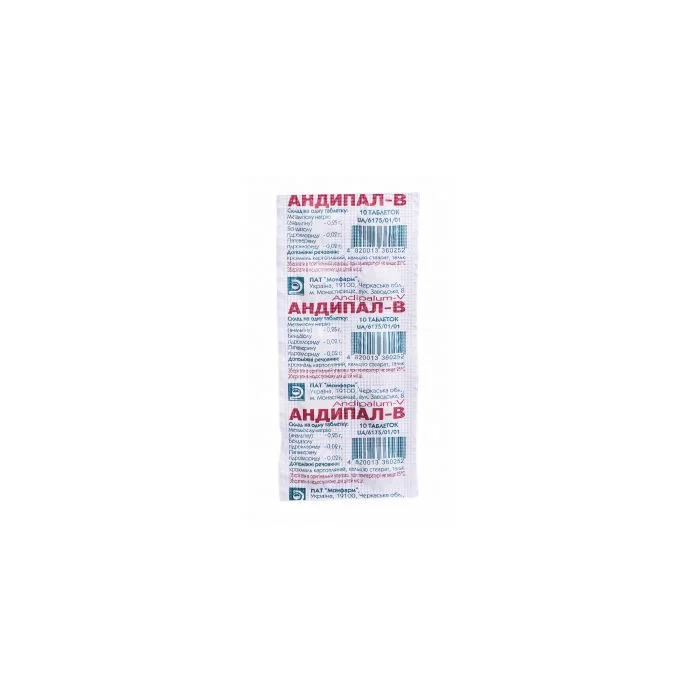
10 tablets per blister pack made of aluminum foil and polyvinyl chloride film; 1 or 10 blister packs per cardboard box.
10 tablets in an aluminum blister pack; 1 blister pack in a cardboard box; 10 cardboard boxes in a wholesale carton.
10 tablets in an aluminum blister pack; 1 blister pack per cardboard box.
10 tablets per aluminum blister pack; 2 blister packs per cardboard box.
10 tablets per aluminum blister pack; 10 blister packs per cardboard box.
Manufacturer
EvertoGen Life Sciences Limited/
EvertoGen Life Sciences Limited.
MARIFARM, LLC, Slovenia/
Marifarm d.o.o., Slovenia
Address
Lot No.: Es-8, Es-9, Es-13/Pi, and Es-14/Pi Ti Ec AI C, Pharma Es I Z, Green Industrial Park, Polepalli (VI), Jedcherla (Em), Mahabubnagar, Telangana, and H-509 301, India
8 Minarikova St., Maribor, 2000, Slovenia