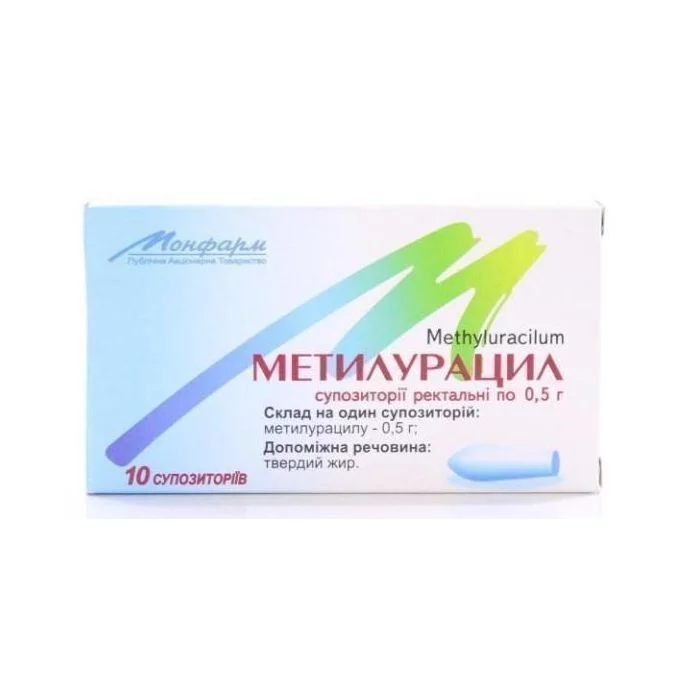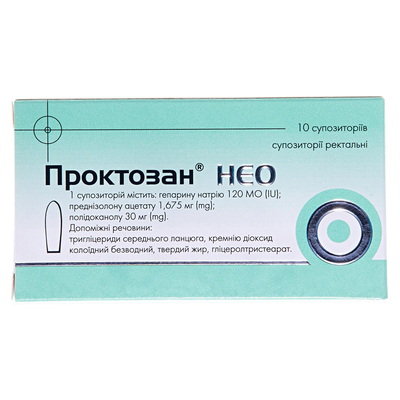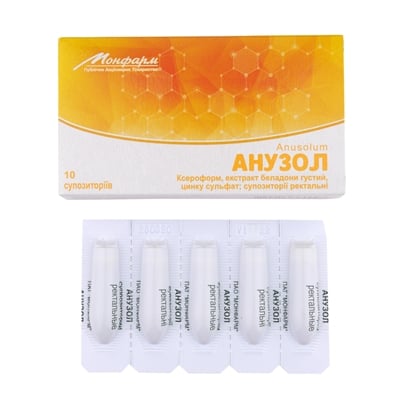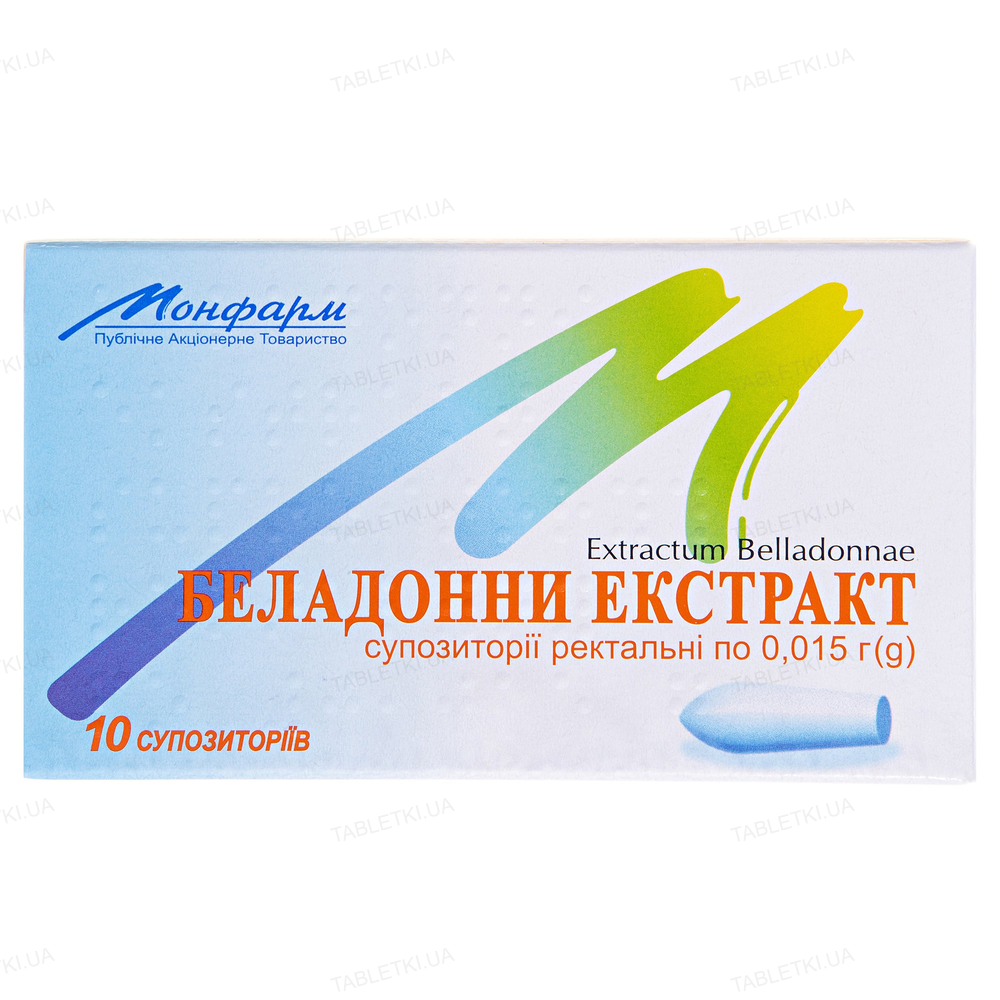
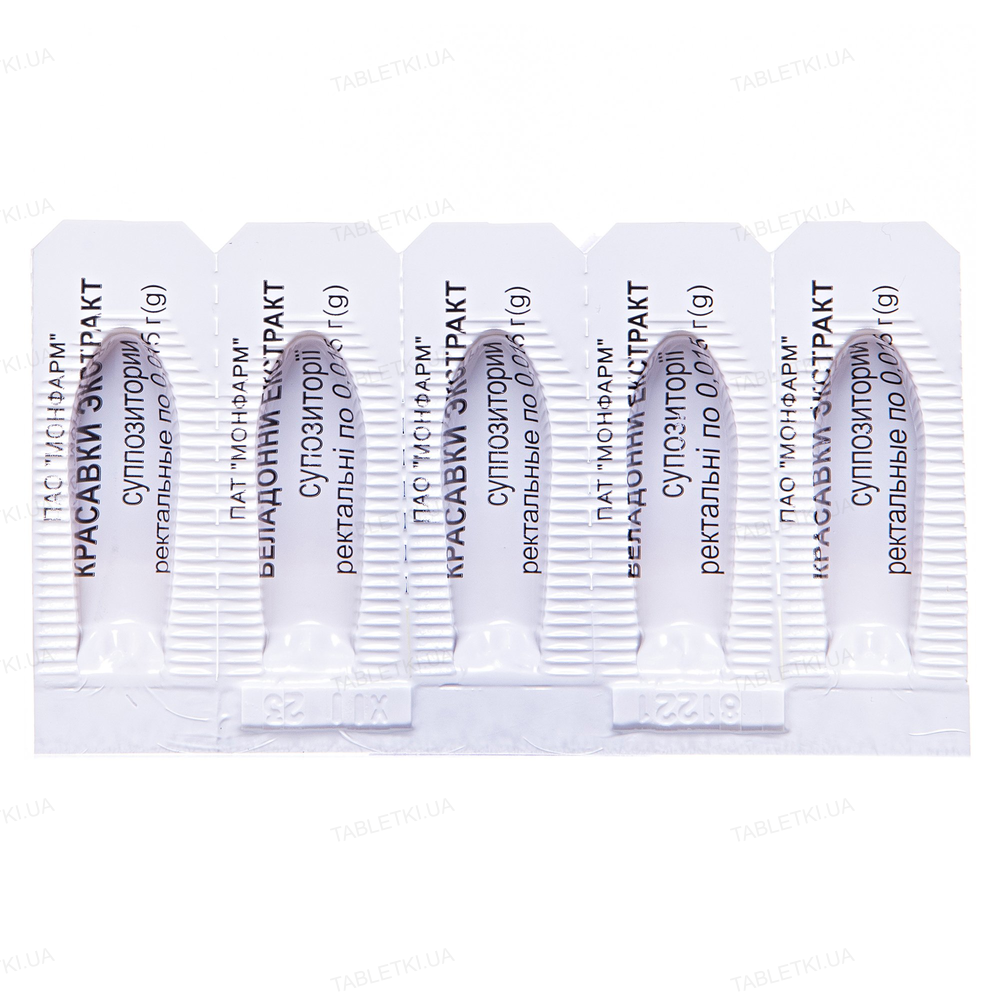
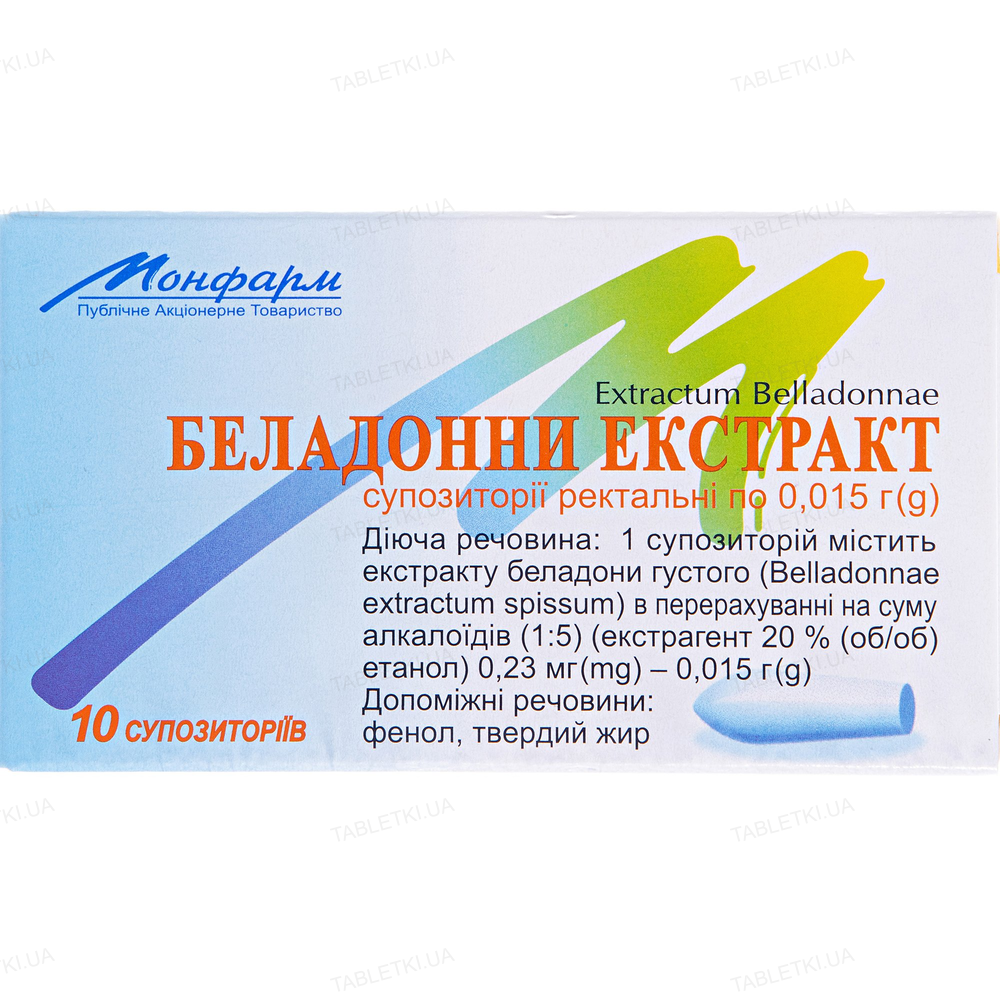
Belladonna Extract Rectal Suppositories, 0.015 g each, No. 10 (5 x 2)
Composition
Active ingredient: 1 suppository contains thick belladonna extract (Belladonnae extractum spissum) calculated as the total alkaloids (1:5) (extractant: 20% (v/v) ethanol) 0.23 mg – 0.015 g;
excipients: phenol, hard fat.
Dosage Form
Rectal suppositories.
Main physical and chemical properties: suppositories ranging in color from white with a creamy tint to light yellow with a brownish tint, with minor speckles.
Pharmacotherapeutic group
Agents for the treatment of hemorrhoids and anal fissures for topical use. ATC code C05A X03.
Pharmacological properties
Pharmacodynamics.
Suppositories containing belladonna extract have an antispasmodic (anticholinergic) effect. The pharmacological action of the drug is due to the complex of alkaloids in its composition (atropine, scopolamine, etc.). Due to the M-cholinolytic effect of the alkaloids, intestinal muscle spasms are relieved and intestinal peristalsis is reduced.
Pharmacokinetics.
When a suppository is administered rectally, the drug’s effect becomes apparent within 15–90 minutes. The duration of the alkaloids’ resorptive action ranges from 2 to 6 hours. Phenol has bactericidal and antifungal effects.
Indications
Hemorrhoids and anal fissures.
Contraindications
Hypersensitivity to belladonna or to any other components of the drug. Cardiovascular diseases in which an increase in heart rate is undesirable: atrial fibrillation, tachycardia, chronic heart failure, ischemic heart disease, mitral stenosis, severe hypertension. Glaucoma. Urinary retention or a predisposition to it. Myasthenia gravis. Gastrointestinal disorders accompanied by obstruction. Hyperthermia. Thyrotoxicosis. Acute bleeding.
Special Safety Precautions
Use with caution in patients with prostatic hypertrophy without urinary tract obstruction, with Down syndrome, cerebral palsy, hepatic and renal insufficiency, reflux esophagitis, hiatal hernia combined with reflux esophagitis, inflammatory bowel diseases, including nonspecific ulcerative colitis and Crohn’s disease, megacolon, patients with xerostomia, elderly or debilitated patients, in chronic lung diseases without reversible obstruction, chronic lung diseases accompanied by low production of difficult-to-expel sputum, especially in debilitated patients, vegetative (autonomic) neuropathy, and brain injuries.
Interactions with Other Medications and Other Types of Interactions
When used with monoamine oxidase inhibitors, cardiac arrhythmia may occur; when used with quinidine or novocaineamide, an additive anticholinergic effect is observed. This medication may reduce the duration and depth of narcotic effects and weaken the analgesic effect of opioids.
When used concomitantly with diphenhydramine or diprazin, the drug’s effect is enhanced; when used with nitrates, haloperidol, or corticosteroids for systemic use, the likelihood of increased intraocular pressure rises; with sertraline—the depressive effects of both drugs are enhanced; with spironolactone or minoxidil—the effects of spironolactone and minoxidil are reduced; with penicillins — the effects of both drugs are enhanced; with nizatidine — the effect of nizatidine is enhanced; with ketoconazole — the absorption of ketoconazole is reduced; with ascorbic acid and atapulgite — the effect of atropine is reduced; with pilocarpine—the effect of pilocarpine in the treatment of glaucoma is reduced; with oxprenolone—the drug’s antihypertensive effect is reduced. Under the influence of octadine, the hyposecretory effect of atropine may be reduced, which weakens the effects of M-cholinomimetics and anticholinesterase agents. Concomitant use with sulfonamide drugs increases the risk of kidney damage; with potassium-containing drugs, intestinal ulcers may develop; and when used with nonsteroidal anti-inflammatory drugs (NSAIDs), the risk of gastric ulcers and bleeding increases.
The drug’s effects may be potentiated when used concomitantly with other drugs having antimuscarinic effects: M-cholinergic blockers, antiparkinsonian drugs (amantadine), antispasmodics, certain antihistamines, butyrophenone derivatives, phenothiazines, dispiramides, quinidine, and tricyclic antidepressants, as well as nonselective inhibitors of neuronal reuptake of monoamines.
Inhibition of peristalsis caused by atropine may lead to changes in the absorption of other medications.
Special Considerations for Use
Use during pregnancy or breastfeeding.
Use during pregnancy and breastfeeding is not recommended.
Effect on reaction time when operating motor vehicles or other machinery. Given the possibility of side effects such as dizziness, patients should refrain from driving or operating machinery while taking this medication.
Dosage and Administration
For use in adults. Remove the suppository from the packaging by cutting along the contour of the suppository with scissors, and insert 1 suppository deeply into the rectum 2–3 times daily.
The duration of treatment is determined by the physician on an individual basis, taking into account the course and severity of the disease, the therapeutic effect achieved, and the overall treatment strategy. The recommended duration of treatment is 5–7 days.
Children.
There are no data on the safety and efficacy of this medication in children.
Overdose
Symptoms: increased severity of adverse reactions, nausea, vomiting, tachycardia, decreased blood pressure, agitation, irritability, tremor, convulsions, insomnia, drowsiness, hallucinations, hyperthermia, central nervous system depression, and depression of respiratory and vascular centers.
Treatment: Gastric lavage, parenteral administration of cholinergic agents and anticholinesterases. Treatment is symptomatic.
Side Effects
Gastrointestinal tract: dry mouth, thirst, taste disturbances, dysphagia, decreased intestinal motility up to atony, decreased tone of the biliary tract and gallbladder.
Renal and urinary tract: difficulty and delay in urination.
Cardiac: palpitations, arrhythmia (including extrasystoles), myocardial ischemia.
Vascular system: facial flushing, hot flashes.
Nervous system: headache, dizziness.
Ocular system: dilated pupils, photophobia, accommodation paralysis, increased intraocular pressure.
Respiratory and mediastinal system: decreased bronchial secretory activity and tone, leading to the formation of viscous sputum that is difficult to cough up.
Skin and subcutaneous tissue disorders: skin rashes, hives, exfoliative dermatitis, erythema.
Immune system: anaphylactic reactions, anaphylactic shock.
Other: decreased sweating, dry skin, dysarthria.
Shelf life
2 years.
Storage conditions
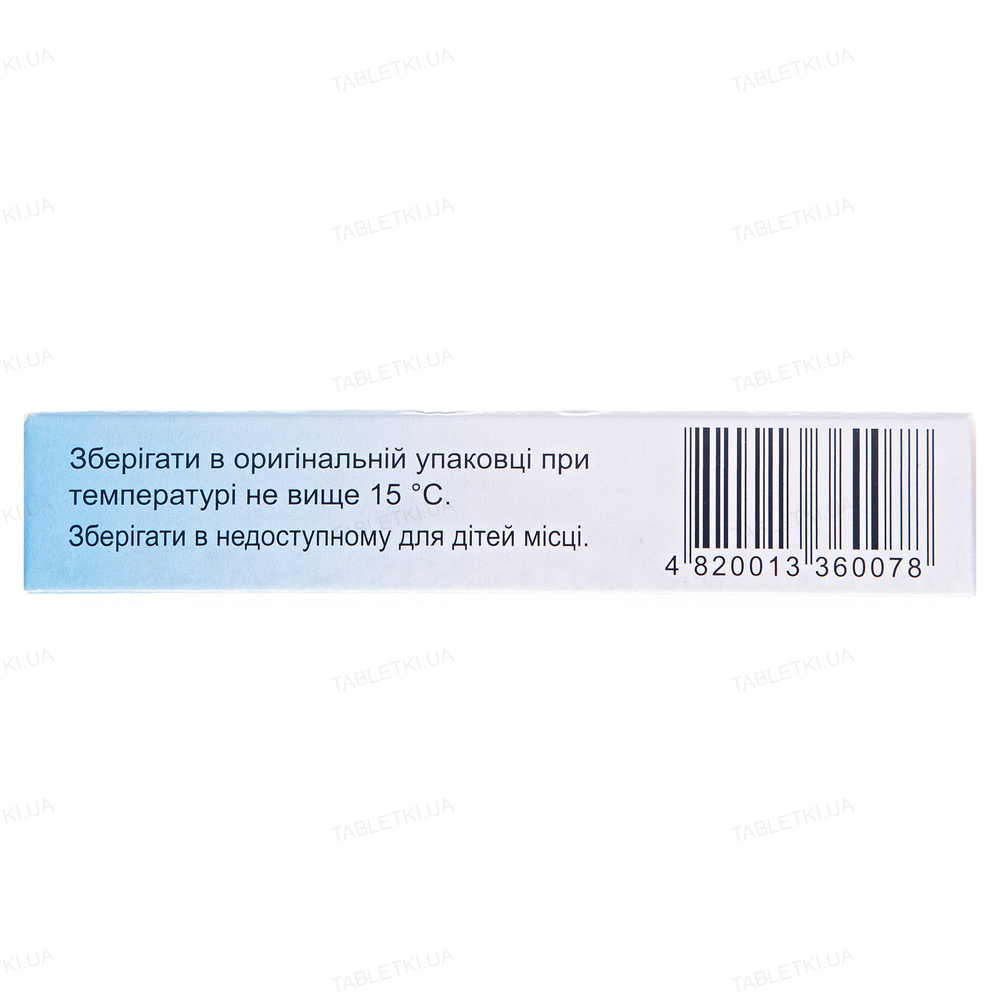
Store in the original packaging at a temperature not exceeding 15 °C.
Keep out of reach of children.
Packaging
5 suppositories per strip. 2 strips per cardboard package.
Dispensing Category
Over-the-counter.
Manufacturer
Monfarm PJSC.
Address
Ukraine, 19100, Cherkasy Oblast, Monastyryshche, 8 Zavodska St.