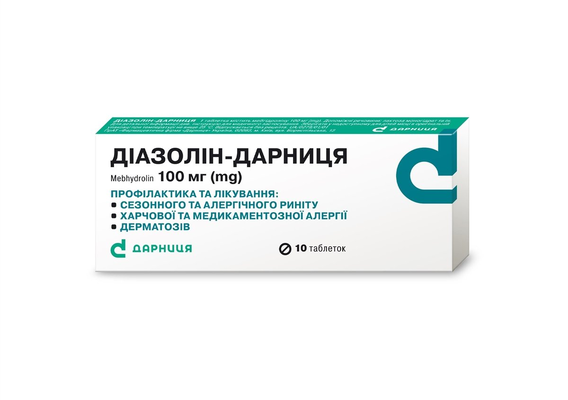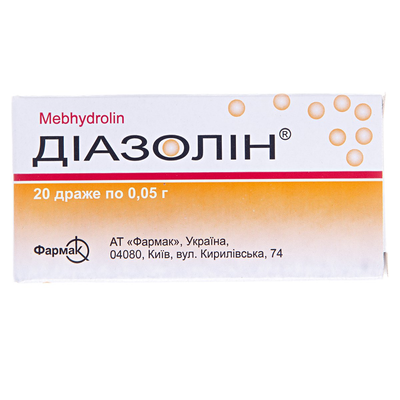
Diazolin 0.05 g coated tablets, No. 20
Ingredients
Active ingredient: mebhydrolin;
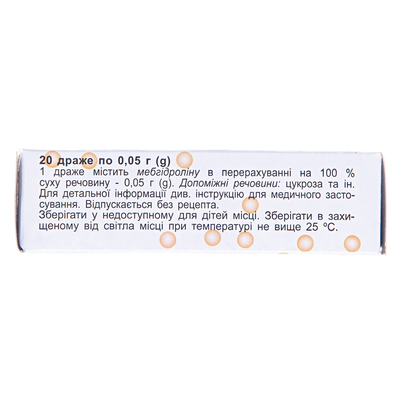
1 coated tablet contains 50 mg (0.05 g) or 100 mg (0.1 g) of mebhydrolin, calculated on a 100% dry weight basis;
excipients: sucrose, starch syrup, talc, yellow wax, sunflower oil.
Dosage Form
Coated tablets.
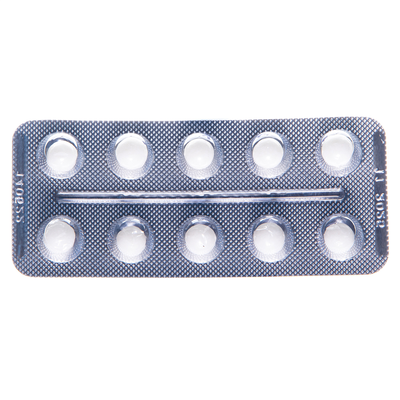
Main physical and chemical properties: The coated tablets are white or almost white in color. A cross-section reveals two layers. The coated tablets should be spherical in shape.
Pharmacotherapeutic group
Antihistamines for systemic use.
ATC code R06A X15.
Pharmacological properties
Pharmacodynamics.
Mebhydrolin belongs to the class of antihistamines and is an H1-histamine receptor blocker. Mebhydrolin attenuates the spasmodic effect of histamine on the smooth muscles of the bronchi and intestines, as well as its effect on vascular permeability. Unlike first-generation antihistamines (diphenhydramine, suprastin), it has a less pronounced sedative and hypnotic effect. It has mild m-cholinergic-blocking and anesthetic properties.
Pharmacokinetics.
It is rapidly absorbed from the gastrointestinal tract. Bioavailability ranges from 40% to 60%. The therapeutic effect develops within 15–30 minutes, with maximum effect observed after 1–2 hours. The duration of action may last up to 2 days. The drug hardly crosses the blood-brain barrier; it is metabolized in the liver by methylation, induces liver enzymes, and is excreted by the kidneys.
Indications
Prevention and treatment of seasonal and allergic rhinitis, hay fever, hives, food and drug allergies, and dermatoses accompanied by itchy skin (eczema, neurodermatitis).
Contraindications
Hypersensitivity to any component of the drug. Active gastric and duodenal ulcers, inflammatory diseases of the gastrointestinal tract, pyloric stenosis, prostatic hyperplasia, angle-closure glaucoma, epilepsy, and cardiac arrhythmias.
Interactions with Other Medications and Other Types of Interactions
Diazolin® potentiates the effects of hypnotics, sedatives, and other drugs that depress the central nervous system, as well as alcohol.
Special considerations for use
Diazolin® should be prescribed with caution in cases of severe hepatic and/or renal insufficiency (dose adjustment and longer dosing intervals may be necessary). During treatment with Diazolin®, the consumption of alcoholic beverages and the use of medications containing ethanol are not recommended.
If you have been diagnosed with an intolerance to certain sugars, consult your doctor before taking this medication.
Use During Pregnancy or Breastfeeding.
Use of this medication is contraindicated during pregnancy or breastfeeding.
Effect on reaction time when driving or operating machinery. While taking this medication, it is not recommended to drive or engage in other potentially hazardous activities that require concentration.
Dosage and Administration
Diazolin® should be taken orally, after meals, by adults and children aged 12 years and older at a dose of 100–200 mg 1–2 times daily. Maximum doses for adults: single dose—300 mg; daily dose—600 mg.
For children aged 5–12 years, administer 50 mg 1–3 times daily; for children aged 3–5 years, administer 50 mg 1–2 times daily.
The duration of treatment is determined by the physician depending on the nature of the disease, the clinical response, and the patient’s tolerance of the medication.
Children. This medication is indicated for children 3 years of age and older.
Overdose
In case of overdose, the risk of adverse reactions described in the relevant section increases. In such cases, the drug should be discontinued; if necessary, general detoxification measures (gastric lavage, forced diuresis) and symptomatic therapy should be administered.
Side Effects
Gastrointestinal system: irritation of the gastrointestinal mucosa, sometimes manifested by dyspeptic symptoms (heartburn, nausea, epigastric pain).
Central Nervous System: dizziness, paresthesia, increased fatigue, drowsiness, blurred vision, slowed reaction time, tremor, anxiety (at night).
Other: dry mouth, urinary disorders, allergic reactions. Granulocytopenia and agranulocytosis may occur extremely rarely.
Paradoxical reactions are sometimes observed in children: increased agitation, tremor, sleep disturbances, irritability.
In isolated cases during the postmarketing period, the following adverse reactions have been reported: headache, itching, rash, hives, and angioedema.
Shelf life
3 years and 6 months.
Do not use the drug after the expiration date indicated on the packaging.
Storage Conditions
Store in a place protected from light at a temperature not exceeding 25 °C.
Keep out of reach of children.
Packaging
10 coated tablets per blister pack, not packaged in a carton.
10 coated tablets per blister. 2 blisters per pack.
Dispensing Category
Over-the-counter.
Manufacturer
JSC “Farmak.”