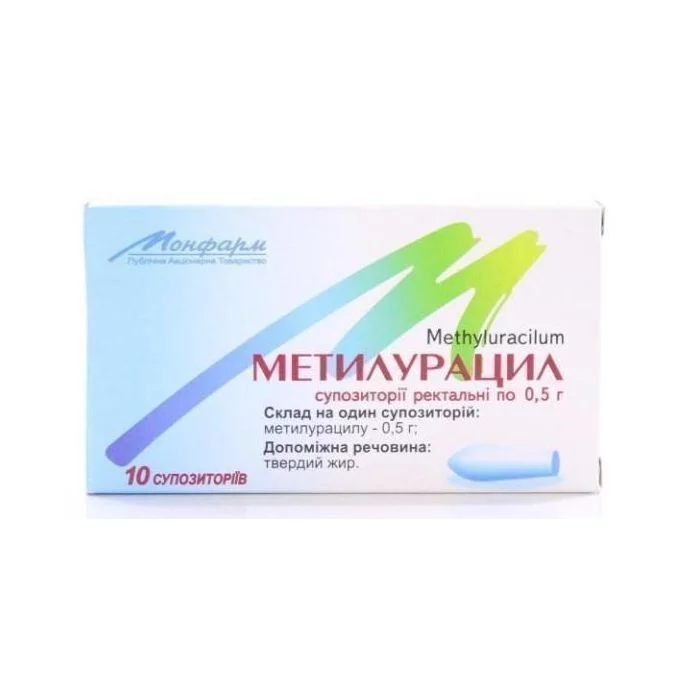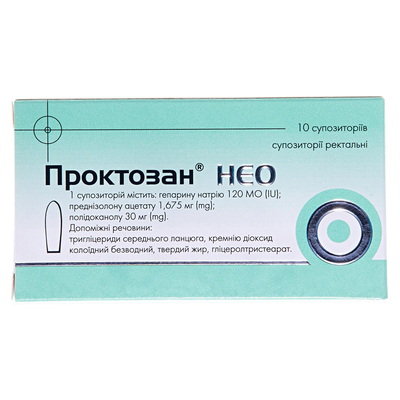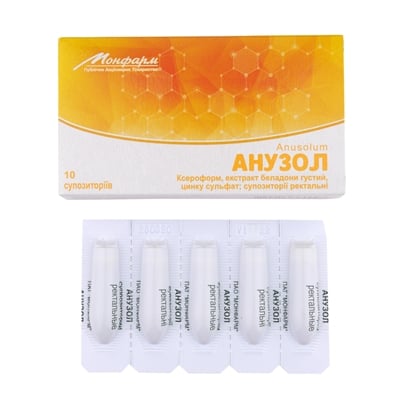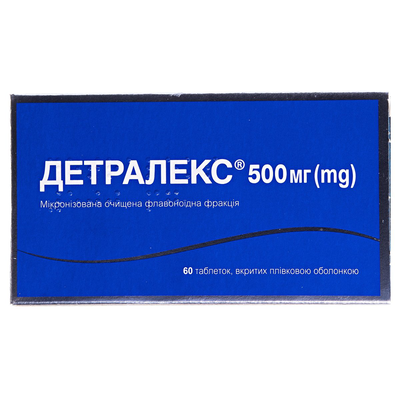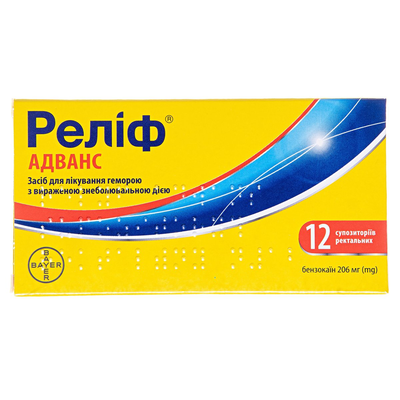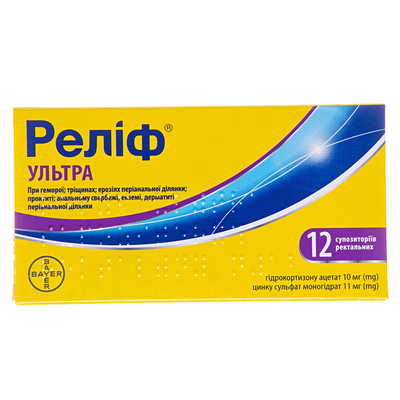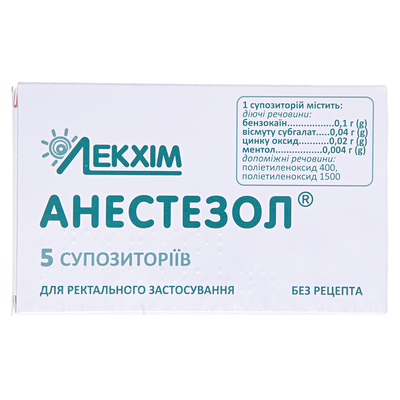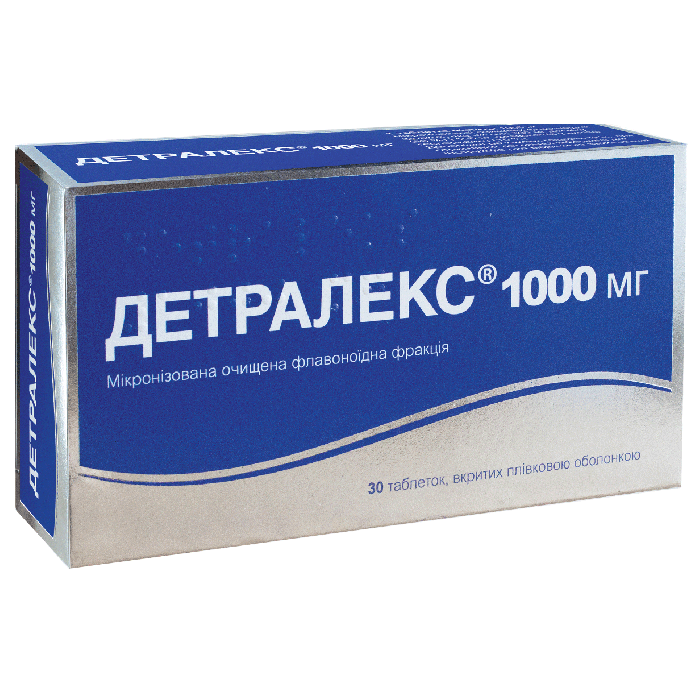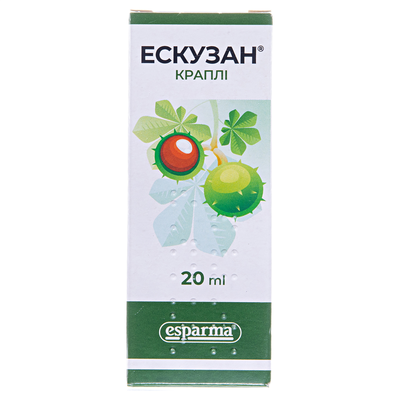
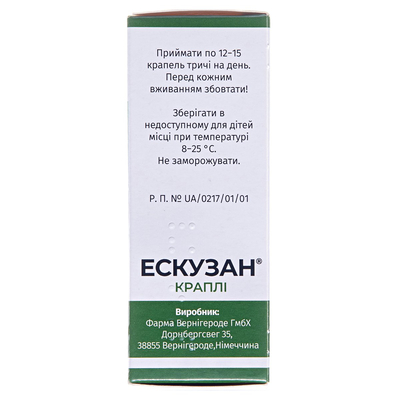
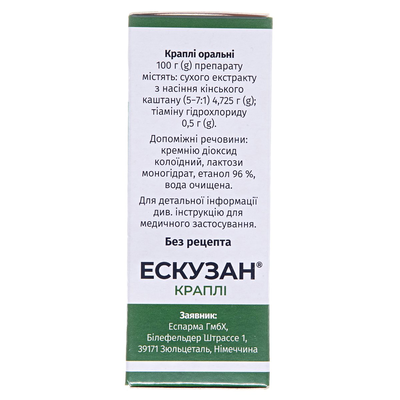
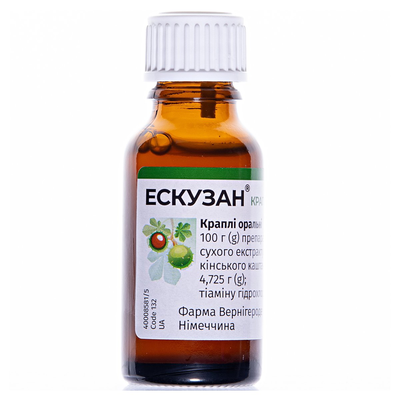
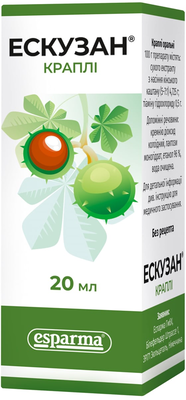
Eskuzan drops, 20 ml per dropper bottle.
Composition
Active ingredients: 100 g of solution contain 4.725 g of dry extract from horse chestnut seeds (Hippocastani extractum siccum normatum) (5-7:1) [extraction solvent: 60% ethanol (v/v)], 0.5 g thiamine hydrochloride;
excipients: 96% ethanol, purified water, lactose monohydrate, colloidal silicon dioxide.
Dosage form
Oral drops.
Main physical and chemical properties: a clear or slightly cloudy liquid ranging in color from yellow to reddish-brown with a characteristic odor. A precipitate may form during storage.
Pharmacotherapeutic group
Capillary-stabilizing agents. ATC code C05C X.
Pharmacological properties
Pharmacodynamics.
The mechanism of action of escin, which is found in horse chestnut seeds, is due to the stabilization of lysosomal membranes and the inhibition of the release of autolytic cellular enzymes, thereby reducing the breakdown of mucopolysaccharides and improving trophic processes in the walls of venous vessels and adjacent connective tissue. The drug reduces pathologically increased vascular-tissue permeability, preventing transcapillary filtration of low-molecular-weight proteins, electrolytes, and water into the intercellular space, increases venous wall tone, eliminates venous stasis (especially in the lower extremities), reduces peripheral edema, and alleviates the sensation of heaviness in the legs, fatigue, tension, itching, and pain.
Thiamine hydrochloride is converted in the body to active thiamine diphosphate, participates in carbohydrate and energy metabolism, and acts as a coenzyme in many enzymatic reactions.
Pharmacokinetics.
When taken orally, escin is rapidly absorbed, primarily from the duodenum. It undergoes significant “first-pass” metabolism in the liver. In tissue fluid and blood plasma, escin binds to proteins (approximately 84%) and cholesterol. It is metabolized in the liver. It is excreted from the body in urine and bile in the form of metabolites.
Indications
Chronic venous insufficiency:
- edema;
- calf muscle cramps;
- itching, as well as pain and a feeling of heaviness in the legs;
- varicose veins.
Post-thrombotic syndrome.
Trophic changes in the veins of the lower extremities, such as leg ulcers.
Hemorrhoids.
Prevention and treatment of post-traumatic and postoperative edema and hematomas.
Contraindications
Hypersensitivity to any component of the drug. Renal insufficiency, allergic diseases.
Interactions with other medications and other types of interactions
This medication may enhance the effects of antithrombotic agents. Cephalosporin antibiotics increase the concentration of free escin in the blood and the risk of side effects. Concomitant use of this drug with aminoglycoside antibiotics should be avoided due to the increased nephrotoxicity of aminoglycosides.
Thiosemicarbazone and 5-fluorouracil, as well as concurrent infusion of solutions containing sulfites, inhibit thiamine activity.
Special Considerations for Use
If you experience unusual symptoms in your legs (swelling, skin discoloration, a feeling of tightness or heat), as well as pain, you should consult a doctor immediately, as these symptoms may indicate serious medical complications (venous thrombosis of the legs, i.e., blockage of the leg veins by a blood clot).
It is essential to follow the non-invasive treatment methods prescribed by your doctor (applying compresses, wearing support stockings, and applying cold water).
This medication contains a small amount of ethanol (less than 100 mg per dose).
This medication contains lactose. If you have been diagnosed with an intolerance to certain sugars, consult your doctor before taking this medication.
Renal function should be monitored during treatment.
High doses of thiamine may interfere with the results of spectrophotometric determination of theophylline in serum and of urobilinogen using the Ehrlich reagent.
Use During Pregnancy or Breastfeeding. This medication is not recommended for use during pregnancy or breastfeeding due to insufficient data on its safety in these patient populations.
Effect on reaction time when operating motor vehicles or other machinery. Has no effect.
Dosage and Administration
It is recommended to take 12–15 drops 3 times daily before meals, with a small amount of liquid. The course of treatment ranges from 2 weeks to 2–3 months.
Due to the possible presence of plant-based sediment, it is recommended to shake the preparation well before use.
Children.
Do not use in children.
Overdose
Symptoms. No cases of overdose have been reported. Side effects may be exacerbated. Symptoms of poisoning observed after ingesting large amounts of horse chestnut fruit extract include: anxiety, severe diarrhea, vomiting, mydriasis, drowsiness, delirium, and possible fatal outcome due to respiratory paralysis within 24–48 hours.
Treatment. Symptomatic. If a large amount of horse chestnut fruit extract has been ingested and vomiting has not occurred, gastric lavage (e.g., with a 0.02% potassium permanganate solution) and administration of activated charcoal are recommended.
Side Effects
Cardiovascular system: tachycardia, rapid heartbeat, hypotension
Nervous system: headache, dizziness.
Gastrointestinal system: dyspeptic symptoms, epigastric pain, nausea, diarrhea, vomiting.
Immune system: hypersensitivity reactions, including hives, rash, itching, sensation of heat, angioedema, shock.
When high doses of the drug are used, nephrotoxic reactions and thrombosis may occur.
Shelf life
3 years.
Storage conditions
Store out of the reach of children at a temperature of 8–25 °C. Do not freeze.
Packaging
20 mL per bottle with a dropper; 1 bottle per cardboard box.
Dispensing Category
Available without a prescription.
Manufacturer
Pharma Wernigerode GmbH, Germany.
Address
Dornbergsweg 35, 38855 Wernigerode, Germany.