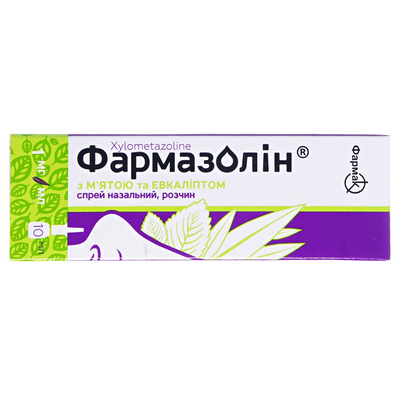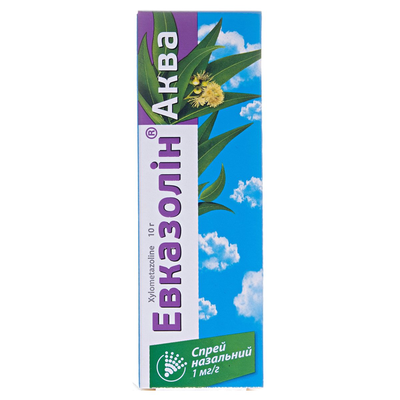
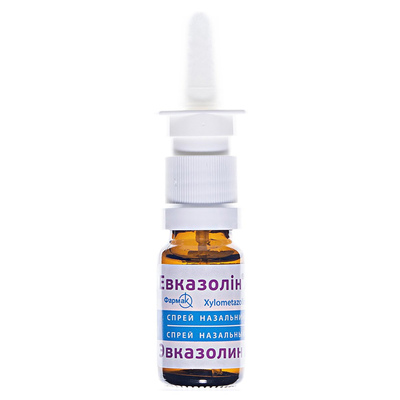
Eucazolin Aqua Nasal Spray, 1 mg/g, 10 g per bottle with a pump dispenser and spray nozzle.
Ingredients
Active ingredient: acetylsalicylic acid;
1 tablet contains 500 mg of acetylsalicylic acid;
Excipients: citric acid monohydrate, potato starch.
Dosage Form
Tablets.
Main physical and chemical properties: white, flat-cylindrical tablets with a beveled edge and a score line.
Pharmacotherapeutic group
Analgesics and antipyretics.
Acetylsalicylic acid. ATC code N02B A01.
Pharmacological properties
Pharmacodynamics.
Acetylsalicylic acid is a nonsteroidal anti-inflammatory drug (NSAID), a salicylate derivative. The primary mechanism of action of acetylsalicylic acid is the inhibition of the COX (cyclooxygenase) enzyme, which results in reduced production of inflammatory mediators: prostaglandins, prostacyclins, and thromboxane. Reduced prostaglandin synthesis leads to a decrease in their effect on thermoregulatory centers, which in turn reduces fever caused by inflammation. It reduces the sensitizing effect of prostaglandins on pain-sensitive nerve endings, thereby decreasing their sensitivity to pain mediators. Irreversible inhibition of thromboxane A2 synthesis in platelets accounts for the antiplatelet effect of acetylsalicylic acid.
The pharmacodynamics of acetylsalicylic acid depend on the daily dose:
low doses—30–325 mg—inhibit platelet aggregation;
moderate doses—1.5–2 g—have analgesic and antipyretic effects;
High doses—4 g—have an anti-inflammatory effect.
At doses less than 4 g, acetylsalicylic acid delays the excretion of uric acid.
Pharmacokinetics.
When taken orally, it is almost completely absorbed from the gastrointestinal tract (GIT). The time to reach maximum plasma concentration (Tmax) is 10–20 minutes. Tmax for total salicylate, formed as a result of metabolism, is 0.3–2 hours. The degree of plasma protein binding is 49–70%. It is metabolized by 50% during first-pass metabolism in the liver. A glycyl conjugate of salicylic acid is formed. It is excreted from the body by the kidneys in the form of metabolites. The half-life (T1/2) is 20 minutes. The T1/2 for salicylic acid is approximately 2 hours. It passes into breast milk, synovial fluid, and cerebrospinal fluid.
Indications
- Treatment of mild to moderate acute pain (headache, toothache, joint and ligament pain, back pain).
- Symptomatic treatment of fever and/or pain associated with the common cold.
Contraindications
- Hypersensitivity to acetylsalicylic acid, other salicylates, or any excipient in the medication.
- A history of bronchial asthma caused by the use of salicylates or other NSAIDs.
- Acute gastrointestinal ulcers.
- Hemorrhagic diathesis.
- Severe renal insufficiency.
- Severe hepatic insufficiency.
- Severe heart failure.
- Concomitant use with methotrexate at a dose of 15 mg per week or higher (see the section “Interactions with Other Medications and Other Forms of Interaction”).
Interactions with Other Medications and Other Forms of Interaction
Contraindications to concomitant use.
The use of acetylsalicylic acid and methotrexate at doses of 15 mg/week or higher increases hematologic toxicity (decreased renal clearance of methotrexate by anti-inflammatory agents and displacement of methotrexate by salicylates from plasma protein binding).
Combinations that should be used with caution.
Acetylsalicylic acid and methotrexate at doses less than 15 mg/week increase the hematologic toxicity of methotrexate (decreased renal clearance of methotrexate by anti-inflammatory drugs and displacement of methotrexate from plasma protein binding by salicylates).
Concomitant use of acetylsalicylic acid with ibuprofen prevents irreversible platelet inhibition by acetylsalicylic acid. Treatment with ibuprofen in patients at risk for cardiovascular disease may limit the cardioprotective effect of acetylsalicylic acid.
Concomitant use of acetylsalicylic acid and anticoagulants, thrombolytics, or other platelet aggregation inhibitors or hemostatic agents increases the risk of bleeding.
Concomitant use of high doses of salicylates with NSAIDs (due to a synergistic effect) increases the risk of ulcers and gastrointestinal bleeding.
When used with selective serotonin reuptake inhibitors, the risk of gastrointestinal bleeding increases due to a possible synergistic effect.
When used concomitantly with digoxin, the plasma concentration of digoxin increases due to reduced renal excretion.
Concomitant use of high doses of acetylsalicylic acid with sulfonylurea antidiabetic drugs or insulin derivatives enhances the hypoglycemic effect of the latter by displacing sulfonylurea which is bound to plasma proteins, by acetylsalicylic acid.
Diuretics, when used in combination with high doses of acetylsalicylic acid, reduce glomerular filtration by decreasing prostaglandin synthesis in the kidneys.
Systemic glucocorticosteroids (including hydrocortisone, which is used for replacement therapy in Addison’s disease) lower blood salicylate levels and increase the risk of overdose after treatment is discontinued, as well as an increased risk of gastrointestinal bleeding.
Angiotensin-converting enzymes (ACE) combined with high doses of acetylsalicylic acid cause a decrease in glomerular filtration rate by inhibiting the vasodilatory action of prostaglandins and reducing the antihypertensive effect.
When used concomitantly with valproic acid, acetylsalicylic acid displaces it from plasma protein binding, increasing the toxicity of valproic acid.
Alcohol causes damage to the mucous membrane of the gastrointestinal tract and prolongs bleeding time due to the synergistic effect of acetylsalicylic acid and alcohol.
Concomitant use with uricosuric agents, such as benzobromarone and probenecid, reduces the excretion of uric acid (due to competition for uric acid excretion by the renal tubules).
Special Considerations
Acetylsalicylic Acid-Darnitsa should be used with extreme caution in the following cases:
- individual hypersensitivity to analgesics, anti-inflammatory drugs, or antirheumatic drugs, and the presence of other types of allergies;
- a history of gastrointestinal ulcers, as well as a history of chronic or recurrent peptic ulcer disease or gastrointestinal bleeding;
- concomitant treatment with anticoagulants;
- liver dysfunction.
The drug should also be used with caution in patients with renal impairment or in patients with circulatory disorders (e.g., renal vascular disease, congestive heart failure, hypovolemia, major surgery, sepsis, or significant blood loss), as acetylsalicylic acid may also increase the risk of renal insufficiency and acute renal failure. In patients with severe glucose-6-phosphate dehydrogenase deficiency, acetylsalicylic acid may cause hemolysis or hemolytic anemia, especially in the presence of factors that may increase the risk of hemolysis, such as high doses of the drug, fever, or acute infection.
In patients with allergic conditions, including bronchial asthma, allergic rhinitis, urticaria, pruritus, mucosal edema, and nasal polyposis, as well as in combination with chronic respiratory tract infections and in patients with hypersensitivity to NSAIDs, bronchospasm, a bronchial asthma attack, or other hypersensitivity reactions may develop while taking this medication.
During surgical procedures (including dental procedures), the use of medications containing acetylsalicylic acid may increase the risk of bleeding, which is due to the inhibition of platelet aggregation for some time after administration of acetylsalicylic acid.
At low doses, acetylsalicylic acid may reduce uric acid excretion. This may lead to gout in patients with reduced uric acid excretion.
Before starting ibuprofen as an analgesic, patients should consult a doctor.
Long-term use of analgesics may cause headaches.
Frequent use of pain relievers may cause temporary kidney dysfunction with a risk of developing kidney failure (analgesic nephropathy). The risk increases with the simultaneous use of several different analgesics.
Pregnancy and lactation.
Inhibition of prostaglandin synthesis may adversely affect pregnancy and/or embryonic/fetal development. Available data from epidemiological studies indicate a risk of miscarriage and fetal malformations following the use of prostaglandin synthesis inhibitors early in pregnancy. The risk increases with higher doses and longer duration of therapy. Available epidemiological data do not confirm a link between the use of acetylsalicylic acid and an increased risk of miscarriage. Data on birth defects are inconsistent, but an increased risk of gastroschisis cannot be ruled out with the use of this medication. The results of a prospective study of early pregnancy (1–4 months) involving approximately 14,800 mother-infant pairs do not indicate any association with an increased risk of birth defects.
Animal studies indicate reproductive toxicity.
During the first and second trimesters of pregnancy, medications containing acetylsalicylic acid should not be prescribed unless there is a clear clinical need. In women who are likely to become pregnant or who are pregnant during the first and second trimesters, the dose of medications containing acetylsalicylic acid should be as low as possible, and the duration of treatment should be as short as possible.
In the third trimester of pregnancy, salicylates may affect the fetus as follows:
- cardiopulmonary toxicity (due to premature closure of the ductus arteriosus and pulmonary hypertension);
- renal dysfunction with possible subsequent development of renal failure with oligohydramnios.
Toward the end of pregnancy, salicylates may affect the woman and the baby as follows:
- possible prolongation of bleeding time, an antiplatelet effect that may occur even after very low doses;
- inhibition of uterine contractions, which may lead to delayed labor or prolonged labor.
The use of high doses of acetylsalicylic acid shortly before delivery may lead to intracranial hemorrhage, especially in premature infants.
For this reason, acetylsalicylic acid is contraindicated during the third trimester of pregnancy.
Salicylates and their metabolites pass into breast milk in small amounts.
Since no harmful effects of the drug on the infant have been observed following administration to breastfeeding women, there is no need to discontinue breastfeeding. However, in cases of regular use or when high doses are used, breastfeeding should be discontinued at an early stage.
Affects the ability to drive and operate machinery.
This has not affected the ability to drive or operate machinery.
Directions for Use and Dosage
The medication should be taken orally after meals with sufficient liquid. It should not be used for more than 3–5 days without consulting a doctor.
Adults and children over 15 years of age.
500–1,000 mg as a single dose. A repeat dose may be taken after 4–8 hours. The maximum daily dose should not exceed 4 g.
Warning.
For patients with concomitant liver or kidney failure, the dose should be reduced or the interval between doses increased.
Children.
This medication is indicated for children over 15 years of age.
Medications containing acetylsalicylic acid should not be used in children with acute respiratory viral infections (ARVI), whether or not accompanied by a fever. Certain viral illnesses, particularly influenza A, influenza B, and chickenpox, carry a risk of developing Reye’s syndrome, which is a very rare but life-threatening condition requiring urgent medical attention. The risk may be increased when acetylsalicylic acid is used as a concomitant medication, but a causal relationship has not been established in this case. If these conditions are accompanied by prolonged vomiting, this may be a sign of Reye’s syndrome.
Overdose
An overdose of salicylates is possible due to chronic intoxication resulting from long-term therapy (use of more than 100 mg/kg/day for more than 2 days may cause toxic effects), as well as due to potentially life-threatening acute intoxication (overdose), which may be caused, for example, by accidental ingestion by children or an unexpected overdose.
Chronic salicylate poisoning may be latent, as its symptoms are nonspecific. Moderate chronic salicylate-induced intoxication, or salicylism, usually occurs only after repeated administration of large doses.
Symptoms include loss of balance, dizziness, ringing in the ears, hearing loss, increased sweating, tachypnea, nausea, vomiting, headache, and confusion. These symptoms can be managed by reducing the dose. Tinnitus may occur at plasma concentrations ranging from 150 to 300 μg/mL. More serious adverse reactions occur at concentrations above 300 μg/mL.
Acute intoxication is indicated by a marked shift in the acid-base balance, which may vary depending on age and the severity of the intoxication. The most common sign in children is metabolic acidosis. The severity of the condition cannot be assessed based solely on the concentration of salicylates in the blood plasma. Absorption of acetylsalicylic acid may be delayed due to delayed gastric emptying, the formation of gastric stones, or the use of enteric-coated formulations.
Moderate to severe intoxication manifests as respiratory alkalosis accompanied by compensatory metabolic acidosis and hyperpyrexia. Respiratory system manifestations range from hyperpnea and non-cardiogenic pulmonary edema to respiratory arrest and asphyxia. Cardiovascular disturbances range from arrhythmia and hypotension to cardiac arrest. Dehydration and oliguria, potentially progressing to renal failure, are also observed; as well as impaired glucose metabolism and ketosis; gastrointestinal bleeding; and hematological changes—ranging from thrombocytopenia to coagulopathies. Neurological manifestations: toxic encephalopathy and central nervous system depression, manifesting as drowsiness, impaired consciousness, and even coma and seizures.
Changes in laboratory and other parameters: alkalemia, alkaluria, acidosis, aciduria, changes in blood pressure, ECG changes, hypokalemia, hypernatremia, hyponatremia, changes in renal function, hyperglycemia, hypoglycemia (especially in children); elevated ketone body levels, hypoprothrombinemia.
Treatment of intoxication caused by an overdose of acetylsalicylic acid depends on the severity and clinical symptoms and is provided using standard methods for poisoning. All measures taken should be aimed at accelerating the elimination of the drug and restoring electrolyte and acid-base balance. Activated charcoal, forced alkaline diuresis, and gastric lavage are used. Depending on the acid-base and electrolyte balance, infusion of electrolyte solutions is indicated. Hemodialysis is indicated in cases of severe poisoning.
Manifestations, symptoms, and laboratory findings resulting from the complex pathophysiological effects of salicylate poisoning and the necessary therapeutic measures:
| Signs and symptoms | Test Results | Therapeutic measures |
| Mild or moderate intoxication | Gastric lavage, activated charcoal, forced alkaline diuresis | |
| Tachypnea, hyperventilation, respiratory alkalosis | Alkalemia, alkaluria | Restoration of electrolyte and acid-base balance |
| Sweating (excessive sweating) | ||
| Nausea, vomiting | ||
| Moderate to severe intoxication | Gastric lavage, activated charcoal, forced alkaline diuresis, hemodialysis in severe cases | |
| Respiratory alkalosis with compensatory metabolic acidosis | Acidemia, aciduria | Restoration of electrolyte and acid-base balance |
| Hyperpyrexia | Restoration of electrolyte and acid-base balance | |
| Respiratory system: hyperventilation, non-cardiogenic pulmonary edema, respiratory failure, asphyxia | ||
| Cardiovascular: arrhythmias,
hypotension, cardiovascular failure |
Changes in blood pressure, ECG | |
| Fluid and electrolyte loss: dehydration, oliguria, renal failure | Hypokalemia, hypernatremia, hyponatremia, changes in renal function | Restoration of electrolyte and acid-base balance |
| Impaired glucose metabolism, ketoacidosis | Hyperglycemia, hypoglycemia (especially in children); elevated ketone levels, | |
| Tinnitus, deafness | ||
| Gastrointestinal:
Gastrointestinal bleeding |
||
| Hematologic: thrombocytopenia, coagulopathy | Prolonged bleeding time, hypoprothrombinemia | |
| Neurological: toxic encephalopathy and CNS depression with symptoms such as lethargy, confusion, coma, and seizures |
Side effects
Ear and vestibular disorders: tinnitus, hearing loss.
Respiratory, thoracic, and mediastinal disorders: rhinitis, bronchial asthma, the triad (eosinophilic rhinitis, recurrent nasal polyposis, hyperplastic sinusitis), noncardiogenic pulmonary edema.
Gastrointestinal disorders: dyspepsia, heartburn, vomiting, nausea, epigastric pain, diarrhea, ulcerative effects, erosive and ulcerative lesions of the gastric and duodenal mucosa, gastrointestinal bleeding, and gastrointestinal tract perforations with corresponding clinical symptoms and changes in laboratory parameters (microbleeding, melena)
Hepatic and biliary tract disorders: liver dysfunction, hepatogenic encephalopathy, transient liver failure with elevated liver transaminases.
Renal and urinary tract disorders: cases of renal injury and acute renal failure have been reported.
Metabolic disorders: hypoglycemia.
Nervous system disorders: dizziness, tinnitus, headache, loss of consciousness,
seizures, collapse, aseptic meningitis.
Blood and lymphatic system disorders: thrombocytopenia, anemia, leukopenia, eosinophilia, hemorrhagic syndrome, hypoprothrombinemia.
Due to its antiplatelet effect, acetylsalicylic acid may increase the risk of bleeding. Bleeding events have been observed, including intraoperative hemorrhages, hematomas, bleeding from the genitourinary system, nosebleeds, and bleeding from the gums; rarely or very rarely—serious bleeding events, such as gastrointestinalgastrointestinal bleeding and cerebral hemorrhage (especially in patients with uncontrolled hypertension and/or concomitant use of anticoagulants), which in rare cases may be potentially life-threatening.
Bleeding may lead to acute and chronic posthemorrhagic anemia/iron-deficiency anemia (due to so-called occult microbleeds) with corresponding laboratory findings and clinical symptoms, such as asthenia, pale skin, hypo perfusion.
In patients with severe glucose-6-phosphate dehydrogenase deficiency, hemolysis and the development of hemolytic anemia have been reported.
Immune system disorders: hypersensitivity reactions, including urticaria and skin rashes, pruritus, angioedema, anaphylactic shock, low blood pressure, nasal congestion, asthma, bronchospasm; in patients with bronchial asthma, an increase in the frequency and severity of attacks has been observed, as well as toxic epidermal necrolysis; mild to moderate allergic reactions, which may potentially affect the skin, respiratory system, gastrointestinal tract, and cardiovascular system.
Reporting of Suspected Adverse Reactions.
Reporting suspected adverse reactions after a drug’s approval is an important procedure. It allows for continuous monitoring of the benefit-risk profile of the drug in question. Healthcare professionals should report any suspected adverse reactions through the national reporting system.
Shelf life
4 years.
Storage conditions
Store in the original packaging at a temperature not exceeding 25 °C.
Keep out of the reach of children.
Packaging
10 tablets per blister pack; 1 blister pack per package; 10 tablets per blister.
Dosage Category
Over-the-counter.
Manufacturer’s Composition
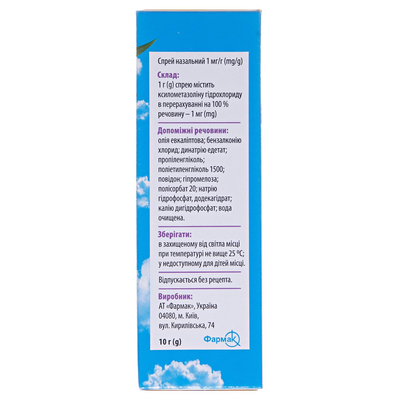
Active ingredient: xylometazoline;
1 g of spray contains 1 mg of xylometazoline hydrochloride on a 100% active ingredient basis;
Excipients: benzalkonium chloride; eucalyptus oil; disodium edetate; propylene glycol; polyethylene glycol 1500; povidone; hypromellose; polysorbate 20; sodium hydrophosphate, dodecahydrate; potassium dihydrogenphosphate; purified water.
Dosage Form
Nasal spray.
Main physicochemical properties: When dispensed from the bottle via a pump dispenser with a nasal spray nozzle, the product is sprayed as an aerosol jet with a characteristic odor, consisting of liquid particles dispersed in the air.
Pharmacotherapeutic group
Agents used in diseases of the nasal cavity. Decongestants and other preparations for topical use in diseases of the nasal cavity. Sympathomimetics, simple preparations. ATX code R01A A07.
Pharmacological Properties
Pharmacodynamics.
Xylometazoline is a sympathomimetic agent that acts on α-adrenoreceptors.
When administered nasally, xylometazoline causes constriction of the blood vessels in the nasal mucosa and adjacent areas of the nasopharynx, thereby eliminating edema and hyperemia of the nasal and nasopharyngeal mucosa, as well as reducing the associated increased mucus secretion and facilitating the removal of blocked nasal secretions, resulting in the clearing of the nasal passages and relief of nasal breathing.
The drug begins to take effect within 2 minutes of application and lasts up to 12 hours (for example, throughout the night).
The medication is well tolerated by patients with sensitive mucous membranes and does not impair mucociliary function. Studies have shown that xylometazoline reduces the infectious activity of the human rhinovirus, which is associated with the common cold.
Pharmacokinetics.
When applied topically, xylometazoline is practically not absorbed; its concentration in blood plasma is so low that it is practically undetectable (the concentration in blood plasma is close to the limit of detection).
Xylometazoline does not possess mutagenic properties. Furthermore, animal studies have not revealed any teratogenic effects of xylometazoline.
Indications
Symptomatic treatment of nasal congestion associated with the common cold, hay fever, other allergic rhinitis, and sinusitis.
To facilitate the drainage of secretions in diseases of the paranasal sinuses.
Adjuvant therapy for otitis (to reduce swelling of the nasal mucosa).
To facilitate rhinoscopy.
Contraindications
Hypersensitivity to xylometazoline or any other component of the drug; acute ischemic heart disease; ischemic asthma; hyperthyroidism, angle-closure glaucoma, transsphenoidal hypophysectomy, and a history of surgical procedures involving meningeal exposure, dry rhinitis (rhinitis sicca), or atrophic rhinitis. Concomitant treatment with MAO inhibitors and for 2 weeks after discontinuation of their use.
Drug Interactions and Other Interactions
Monoamine oxidase inhibitors (MAOIs): Xylometazoline may potentiate the effects of monoamine oxidase inhibitors and induce a hypertensive crisis. Do not prescribe xylometazoline to patients who are taking or have taken MAO inhibitors within the past two weeks.
Tri- and tetracyclic antidepressants: Concomitant use of tri- or tetracyclic antidepressants and sympathomimetic agents may enhance the sympathomimetic effect of xylometazoline; therefore, concomitant use of such agents is not recommended.
When used in combination with β-blockers, it may cause bronchospasm or a decrease in blood pressure.
Special Considerations
The drug should not be used for more than 10 consecutive days. Prolonged or excessive use may lead to a recurrence of nasal congestion and/or atrophy of the nasal mucosa.
Like other sympathomimetics, this medication should be prescribed with caution to patients who experience severe reactions to adrenergic agents, such as insomnia, dizziness, tremor, cardiac arrhythmia, or increased blood pressure.
The recommended dose should not be exceeded, especially when treating children and the elderly.
Caution should be exercised when prescribing this drug to patients with cardiovascular disease, hypertension, diabetes mellitus, pheochromocytoma, prostatic hypertrophy; it should not be used in patients receiving treatment with MAO inhibitors or within 2 weeks after discontinuing such treatment.
The medication contains benzalkonium chloride, which may irritate the nasal mucosa.
Pregnancy and lactation.
This medication should not be used during pregnancy due to its potential vasoconstrictive effect.
There is no evidence of any adverse effects on the infant. It is unknown whether xylometazoline is excreted in breast milk; therefore, caution is advised, and the medication should be used during breastfeeding only as directed by a doctor.
Fertility.
There are no adequate data on the drug’s effect on fertility. Since the systemic exposure to xylometazoline hydrochloride is very low, the likelihood of it affecting fertility is extremely low.
Effects on the ability to drive and operate machinery.
As a rule, the drug has no or only a minor effect on the ability to drive or operate machinery.
Directions for Use and Dosage
Eucazolin® Aqua nasal spray is intended for use by adults and children over 12 years of age.
Adults and children over 12 years of age:
1 spray in each nostril up to 3 times a day as needed. Do not use more than 3 sprays in each nostril per day. The duration of treatment depends on the course of the illness and should not exceed 10 consecutive days.
The metered-dose spray ensures accurate dosing and proper distribution of the solution over the surface of the nasal mucosa.
Before use, prepare the sprayer by making several test sprays until the spray is released into the air. The sprayer will then be ready for immediate use.
Use the spray as follows:
- Thoroughly clean your nose before using the medication;
- Hold the bottle upright, supporting the bottom with your thumb and holding the tip between two fingers;
- Tilt the bottle slightly and insert the tip into your nostril;
- spray the medication and simultaneously take a light breath through your nose;
- After use, clean and dry the tip before replacing the cap;
- To prevent infection, each bottle of the medication should be used by only one person.
It is recommended to administer the final dose immediately before bedtime.
Children. Do not use in children under 12 years of age.
Overdose
Excessive topical application of xylometazoline hydrochloride or accidental ingestion may lead to severe dizziness, sweating, a significant drop in body temperature, headache, bradycardia, hypertension, respiratory depression, coma, and seizures. High blood pressure may be followed by low blood pressure. Young children are more sensitive to toxicity than adults.
All patients with suspected overdose should receive appropriate supportive care and, if necessary, emergency symptomatic treatment under medical supervision. Medical care should include monitoring the patient for several hours. In cases of severe overdose accompanied by cardiac arrest, resuscitation efforts should continue for at least 1 hour.
Side Effects
Immune system disorders:
rare (<1/10,000): hypersensitivity reactions, including angioedema, rash, and itching.
Nervous system disorders:
Common (≥1/100, <1/10): headache.
Eye disorders:
Rare (<1/10,000): temporary visual disturbances.
Cardiovascular disorders:
Rare (<1/10,000): irregular or rapid heartbeat.
Respiratory, thoracic, and mediastinal disorders:
Common (≥1/100, <1/10): dryness or discomfort of the nasal mucosa;
Uncommon (≥ 1/1,000 – < 1/100): nosebleeds.
Gastrointestinal disorders:
Common (≥1/100, <1/10): nausea.
General disorders and administration site conditions:
Common (≥1/100, <1/10): burning sensation at the injection site.
Shelf life
2 years.
Do not use this medication after the expiration date printed on the package.
Storage conditions
Store in a place protected from light at a temperature not exceeding 25 °C.
Keep out of reach of children.
Packaging
10 g per vial. 1 vial per package.
Sales Conditions
Available without a prescription.
Manufacturer
JSC “Farmak.”
Darnitsa Pharmaceutical Firm, PJSC.