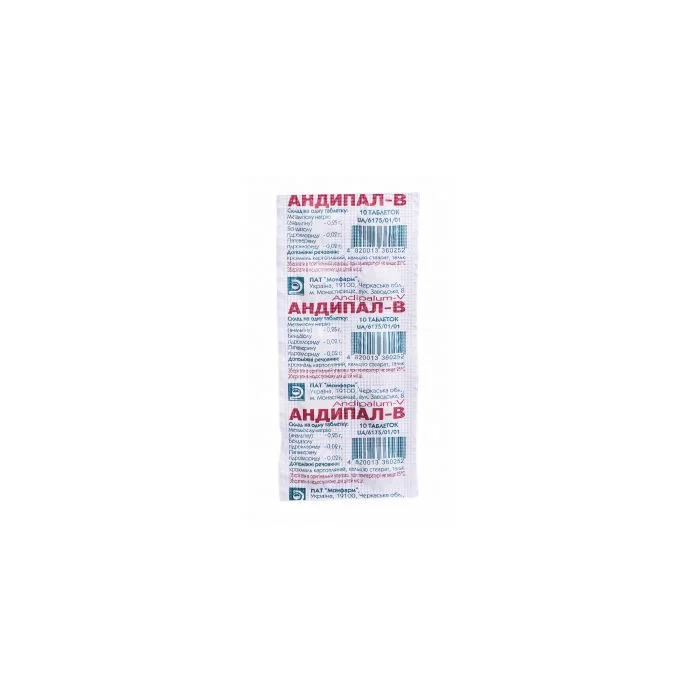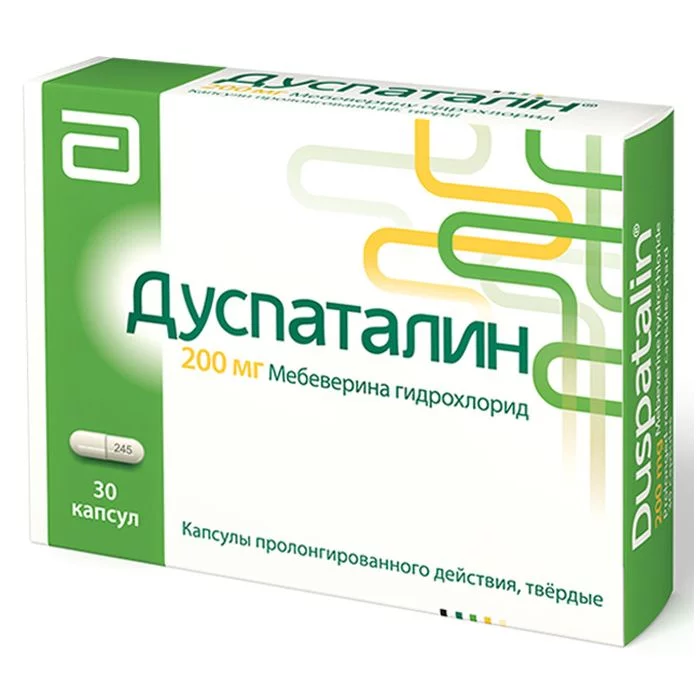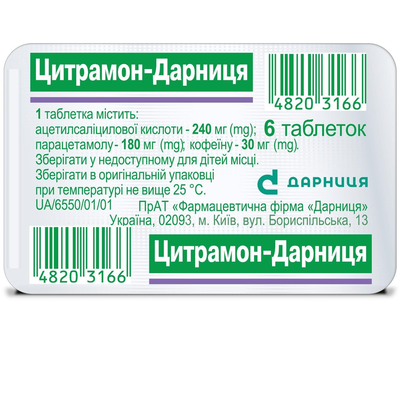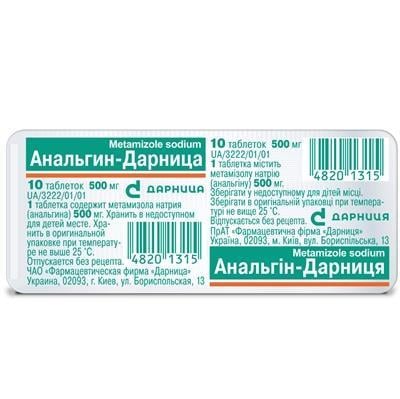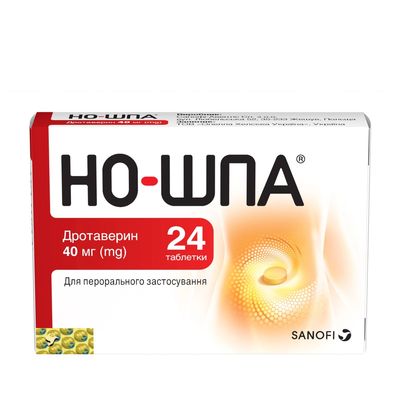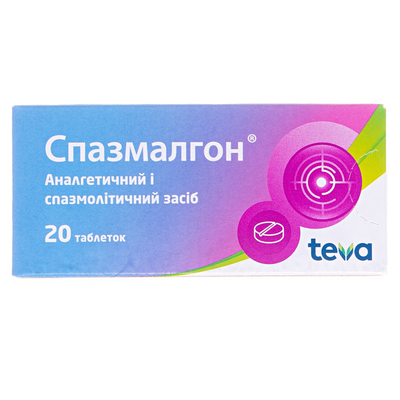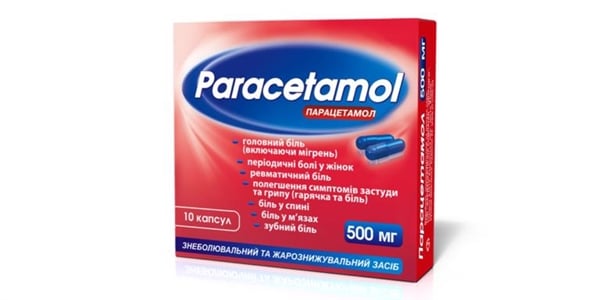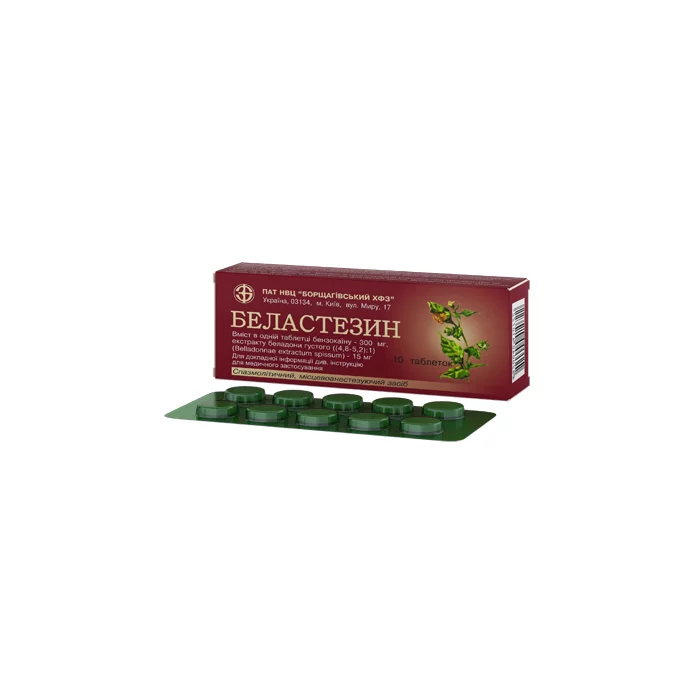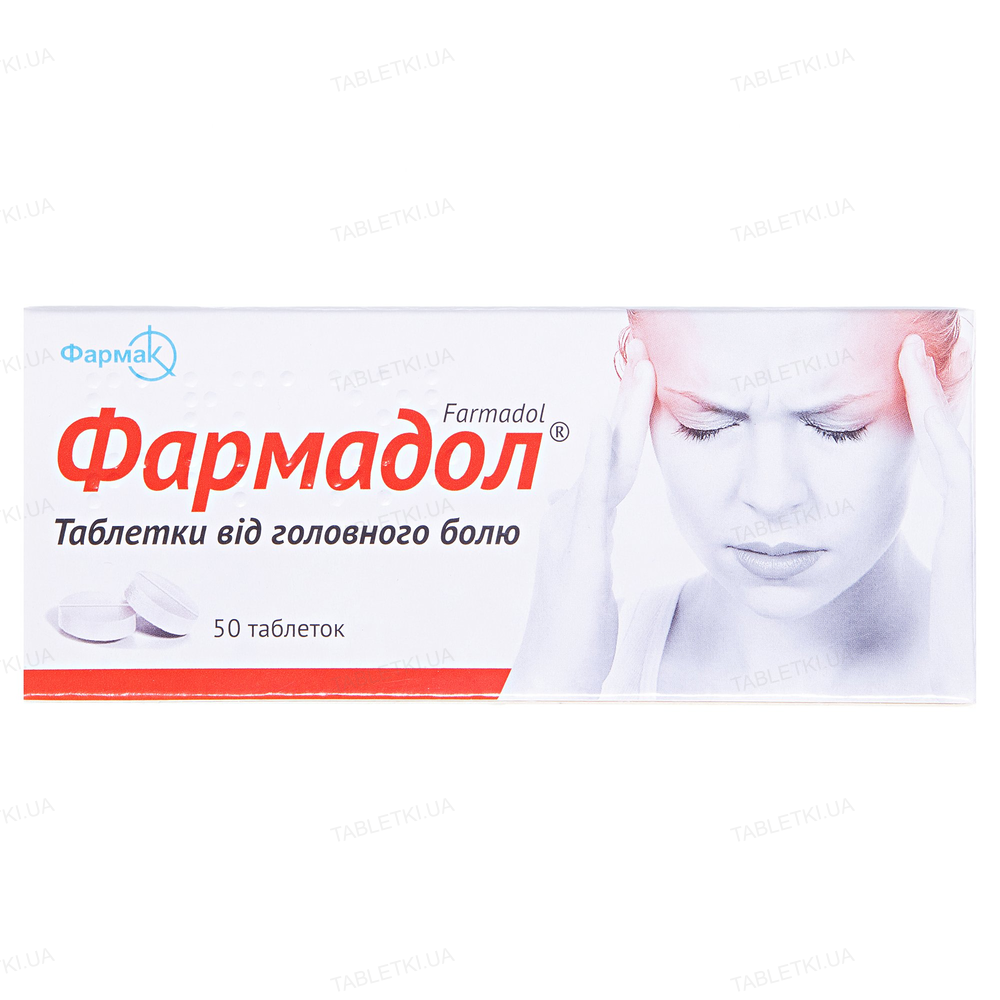
Pharmadol Tablets, No. 50 (10 x 5)
Composition
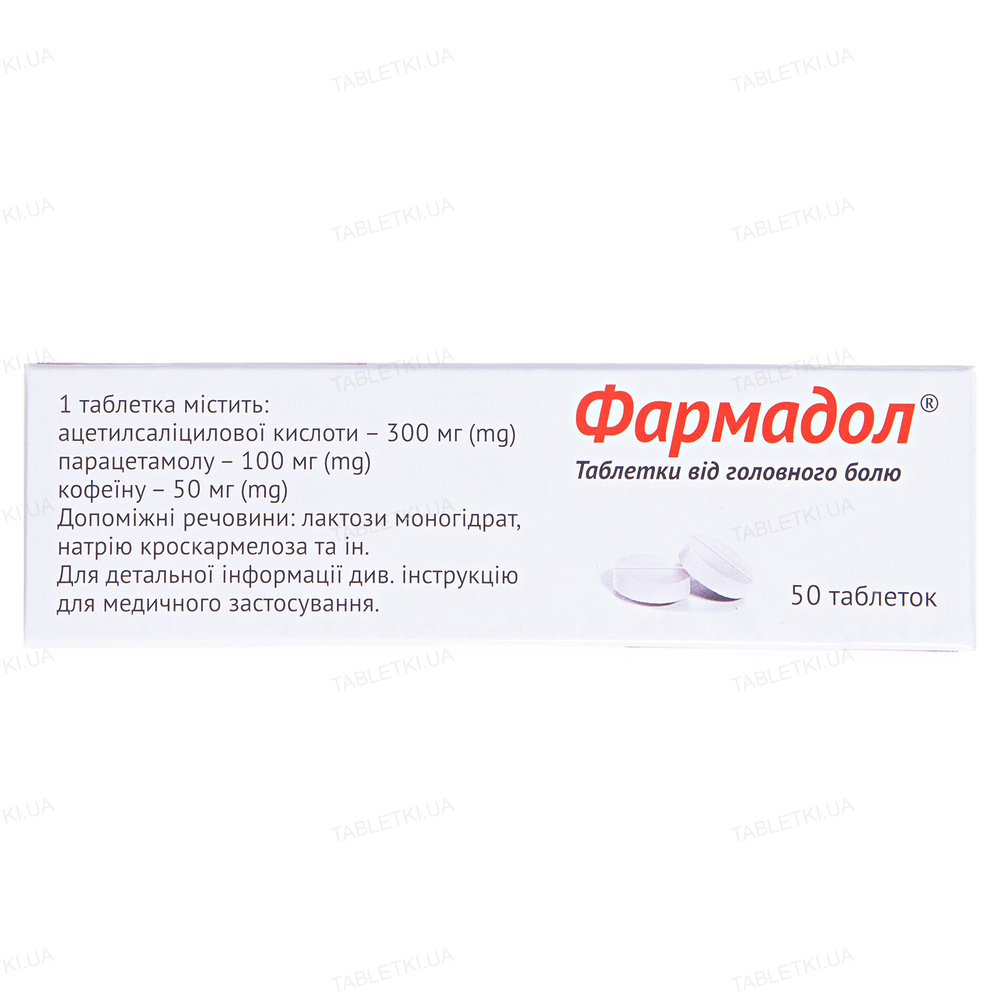
Active ingredients: Each tablet contains 300 mg of acetylsalicylic acid, 100 mg of acetaminophen, and 50 mg of caffeine;
Inactive ingredients: citric acid monohydrate; potato starch; lactose monohydrate; povidone; croscarmellose sodium; microcrystalline cellulose; calcium stearate.
Dosage Form
Tablets.
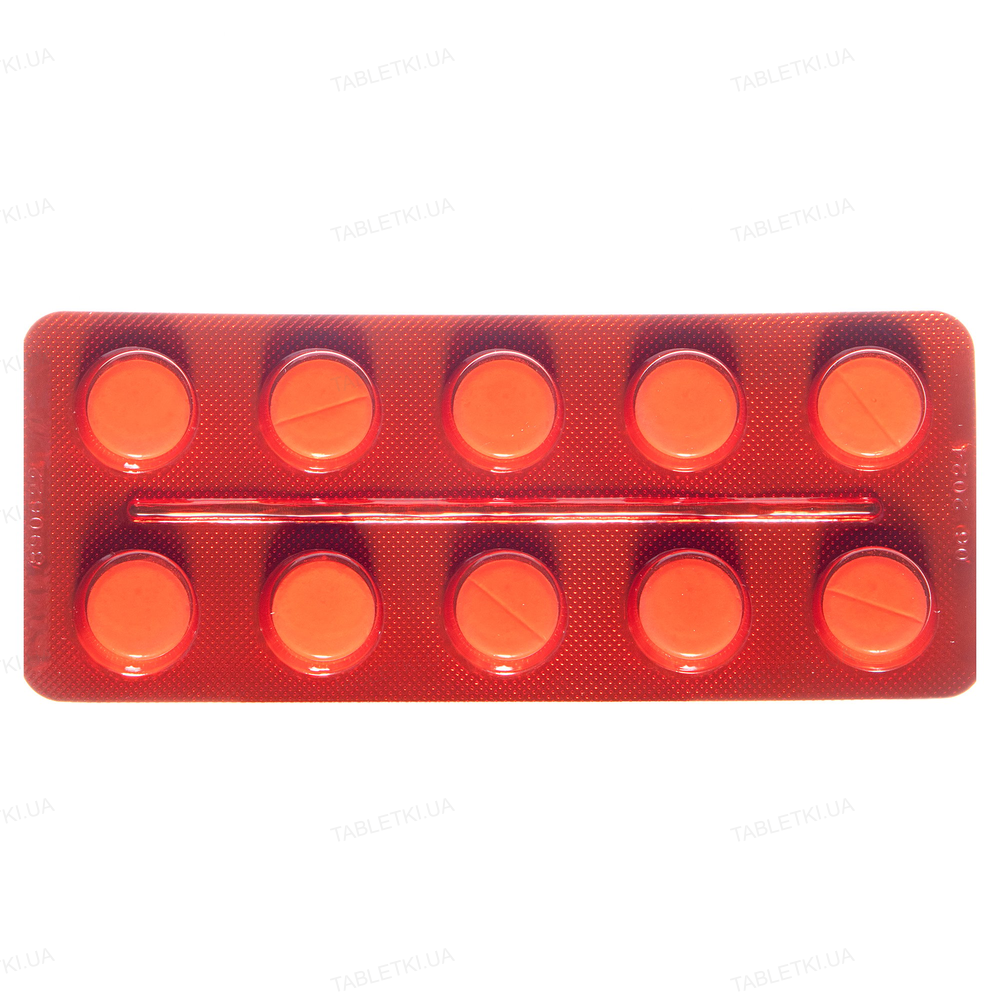
Main physical and chemical properties: tablets with a flat surface, a score line, and a beveled edge, white or almost white in color, with a faint characteristic odor. Marbling and speckles on the tablet surface are permissible.
Pharmacotherapeutic group
Analgesics and antipyretics. Acetylsalicylic acid, combinations without psycholeptics.
ATC code N02B A51.
Pharmacological Properties
Pharmacodynamics.
Farmadol® is a combination drug with anti-inflammatory, antipyretic, and analgesic effects. The drug’s action is determined by its components.
The antipyretic effect of acetylsalicylic acid is mediated through the central nervous system by inhibiting the synthesis of prostaglandin PGE2 in the hypothalamus in response to endogenous pyrogens. Its analgesic efficacy has both a peripheral mechanism (inhibition of prostaglandin synthesis at the site of inflammation, prevention of sensitization of pain receptors to mechanical and chemical stimuli) and central (action on hypothalamic centers, without suppressing consciousness through a hypnotic effect or lowering the psychological pain threshold) in origin.
The analgesic and antipyretic effects of paracetamol are due to the inhibition of prostaglandin synthesis and its predominant effect on the thermoregulatory center in the hypothalamus. It is a significantly weaker inhibitor of the peripheral prostaglandin biosynthesis system, which plays an important role in the development of the inflammatory response.
The mechanism of action of caffeine is due to the inhibition of phosphodiesterase activity, which leads to the accumulation of cAMP. An important component of caffeine’s mechanism of action is its interaction with purine receptors in the brain. It enhances the analgesic effect of acetylsalicylic acid and paracetamol and accelerates its onset.
Pharmacokinetics.
Not studied.
Indications
Mild to moderate pain (headache, migraine, toothache, neuralgia, arthralgia, primary dysmenorrhea); conditions accompanied by hyperthermia (as an antipyretic).
Contraindications
Hypersensitivity to the drug’s components, other xanthine derivatives (theophylline, theobromine), or other salicylates; bronchial asthma caused by the use of salicylates or other nonsteroidal anti-inflammatory drugs (NSAIDs) in the medical history; Congenital hyperbilirubinemia, congenital glucose-6-phosphate dehydrogenase deficiency, blood disorders, leukopenia, anemia, thrombosis, thrombophlebitis, acute gastrointestinal ulcers, hemorrhagic diathesis, severe renal insufficiency, severe hepatic insufficiency, severe cardiovascular diseases, including arrhythmias, severe atherosclerosis, severe ischemic heart disease, severe heart failure, severe hypertension, and a tendency toward vasospasm; acute pancreatitis, prostatic hypertrophy, severe forms of diabetes mellitus; states of heightened agitation, sleep disturbances, epilepsy, hyperthyroidism, glaucoma, alcoholism. The use of monoamine oxidase (MAO) inhibitors, as well as the 2-week period following discontinuation of their use, is contraindicated in patients taking tricyclic antidepressants or beta-blockers. Combination with methotrexate at a dose of 15 mg/week or higher.
Interactions with other medications and other types of interactions
Contraindicated combinations.
Methotrexate—when used in combination with salicylates at a dose of 15 mg per week or more, the hematologic toxicity of methotrexate increases due to a reduction in methotrexate’s renal clearance by anti-inflammatory agents and its displacement fromplasma proteins; therefore, this combination is contraindicated.
Barbiturates reduce the antipyretic effect of acetaminophen.
Due to its acetylsalicylic acid content, this medication may enhance the hypoglycemic effect of oral antidiabetic drugs.
Combinations that should be used with caution.
Paracetamol: antidepressants and other stimulators of microsomal oxidation—these drugs increase the production of hydroxylated active metabolites that affect liver function, which may lead to severe toxicity even with minor overdoses. The rate of paracetamol absorption may increase when used concomitantly with metoclopramide and domperidone and may decrease when used with cholestyramine. Paracetamol reduces the effectiveness of diuretics. Coumarin derivatives (warfarin) increase the risk of bleeding during long-term use of paracetamol. Under the influence of paracetamol, the half-life of chloramphenicol increases fivefold. Concomitant use of high doses of acetaminophen with isoniazid increases the risk of hepatotoxic syndrome.
Caffeine: cimetidine, hormonal contraceptives, and isoniazid enhance the effects of caffeine. Caffeine reduces the effect of opioid analgesics, anxiolytics, hypnotics, and sedatives; it acts as an antagonist to anesthetics and other drugs that depress the central nervous system (CNS) (a competitive antagonist of CNS depressants), and a competitive antagonist of adenosine and adenosine triphosphate (ATP). When caffeine is used concomitantly with ergotamine, the absorption of ergotamine from the gastrointestinal tract is enhanced; when used with thyrotropic agents, the thyroid-stimulating effect is increased. Caffeine reduces the concentration of lithium in the blood. Caffeine enhances the effect (improves bioavailability) of analgesic-antipyretics and potentiates the effects of xanthine derivatives, alpha- and beta-adrenomimetics, and psychostimulants. Concomitant use of caffeine with MAO inhibitors may cause a dangerous rise in blood pressure.
Acetylsalicylic acid: Concomitant use with uricosuric agents, such as benzobromarone and probenecid, reduces the excretion of uric acid (due to competition for uric acid excretion via the renal tubules). When used concomitantly with digoxin, the plasma concentration of digoxin increases due to reduced renal excretion. ACE inhibitors, when combined with high doses of acetylsalicylic acid, cause a decrease in glomerular filtration due to the inhibition of vasodilatory prostaglandins and a reduction in the hypotensive effect. Selective serotonin reuptake inhibitors: the risk of upper gastrointestinal bleeding increases due to the possibility of a synergistic effect. When used concomitantly with valproic acid, acetylsalicylic acid displaces it from its binding to plasma proteins, thereby increasing toxicity.
Caution should be exercised when paracetamol is used concomitantly with flucloxacillin, as concomitant administration has been associated with metabolic acidosis with an increased anion gap, particularly in patients with risk factors (see the “Special Considerations for Use” section).
Special Precautions for Use
Do not use this medication with other products containing acetaminophen or acetylsalicylic acid. Do not exceed the specified doses.
Pre-existing liver disease increases the risk of paracetamol-induced liver injury.
In patients with bronchial asthma, allergic conditions, or hypersensitivity to NSAIDs, an allergic reaction or exacerbation of the underlying condition may occur. Use this medication with caution in the elderly.
While taking this medication, it is not recommended to consume excessive amounts of caffeinated beverages (e.g., coffee, tea). This may cause sleep disturbances, tremors, or an unpleasant sensation in the chest due to palpitations.
Do not consume alcoholic beverages during treatment.
It is recommended to use paracetamol with caution when taken concomitantly with flucloxacillin due to an increased risk of metabolic acidosis with a high anion gap (HAGMA)—this applies, in particular, to patients with severe renal impairment, sepsis, malnutrition, and other causes of glutathione deficiency (e.g., chronic alcoholism), especially when the maximum daily dose of paracetamol is administered.
After concomitant administration of paracetamol and flucloxacillin, careful monitoring is recommended to detect the onset of acid-base disturbances, namely: metabolic acidosis with a large anion gap, including the detection of 5-hydroxyproline in the urine.
Use with caution in the following cases:
- hypersensitivity to analgesics, anti-inflammatory agents, or antirheumatic drugs, as well as allergies to other substances;
- gastrointestinal ulcers, including chronic and recurrent peptic ulcers or a history of gastrointestinal bleeding;
- concomitant use of anticoagulants;
- impaired renal function or cardiovascular circulation (e.g., renal vascular disease, congestive heart failure, hypovolemia, major surgery, sepsis, or severe bleeding), since acetylsalicylic acid also increases the risk of impaired renal function and acute renal failure;
- severe glucose-6-phosphate dehydrogenase deficiency—acetylsalicylic acid may cause hemolysis or hemolytic anemia, especially in the presence of risk factors for hemolysis, such as high doses of the drug, fever, or an acute infectious process;
- liver dysfunction.
Acetylsalicylic acid may cause bronchospasm, a bronchial asthma attack, or other hypersensitivity reactions. Risk factors include a history of asthma, hay fever, nasal polyps, or chronic respiratory disease, as well as a history of allergic reactions (such as skin reactions, itching, hives) to other substances in the medical history.
Due to the inhibitory effect of acetylsalicylic acid on platelet aggregation, which persists for several days after administration, the use of medications containing acetylsalicylic acid increases the likelihood of increased bleeding during surgical procedures (including minor surgical procedures, such as tooth extraction).
When low doses of acetylsalicylic acid are used, uric acid excretion may be reduced. This may lead to a gout attack in patients prone to it.
Medications containing acetylsalicylic acid should not be used in children and adolescents with acute respiratory viral infections (ARVI), with or without a fever, without consulting a doctor. With certain viral diseases, particularly influenza A, influenza B, and chickenpox, there is a risk of developing Reye’s syndrome, which is a very rare but life-threatening condition requiring urgent medical intervention. The risk may be increased if acetylsalicylic acid is used as a concomitant medication; however, a causal relationship has not been established in this case. If these conditions are accompanied by persistent vomiting, this may be a sign of Reye’s syndrome.
If symptoms persist, you should see a doctor.
If headaches become persistent, consult a doctor.
Patients who take analgesics daily for mild arthritis should consult a doctor. In patients with severe infections, such as sepsis, which are accompanied by decreased glutathione levels, taking acetaminophen increases the risk of metabolic acidosis. Symptoms of metabolic acidosis include deep, rapid, or labored breathing, nausea, vomiting, and loss of appetite. Seek immediate medical attention if these symptoms occur.
This medication contains lactose; therefore, patients with rare hereditary forms of galactose intolerance, lactase deficiency, or glucose-galactose malabsorption should not take this medication.
Use during pregnancy or breastfeeding.
Do not use.
Effect on reaction time when operating motor vehicles or other machinery.
If dizziness occurs, avoid potentially hazardous activities, including driving and/or performing tasks that require increased attention and rapid psychomotor reactions.
Dosage and Administration
For adults, take Pharmadol® orally, 1–2 tablets 2–3 times daily after meals, with plenty of water. The maximum daily dose is 6 tablets in 3 divided doses.
The medication should not be taken for more than 5 days as a pain reliever or for more than 3 days as a fever reducer.
Children. Do not administer this medication to children due to the risk of Reye’s syndrome (hyperpyrexia, metabolic acidosis, nervous system and psychiatric disorders, vomiting, and liver dysfunction) in cases of hyperthermia associated with viral infections.
Overdose
Symptoms of paracetamol overdose.
Liver damage may occur in adults who have taken 10 g or more of paracetamol and in children who have taken a dose exceeding 150 mg/kg of body weight. Liver damage may manifest 12–48 hours after taking excessive doses of the drug. The following symptoms may occur within the first 24 hours: pallor, nausea, vomiting, anorexia, abdominal pain, hepatonecrosis, elevated “liver” transaminase levels, and increased prothrombin index. In cases of severe poisoning, liver failure may lead to encephalopathy, coma, and death. Acute renal failure with acute tubular necrosis may manifest as severe lower back pain, hematuria, and proteinuria, and may develop even in the absence of severe kidney damage. Pancreatitis has also been reported. Glucose metabolism disorders and metabolic acidosis may occur. Cardiac arrhythmia has also been reported. With long-term use of high doses, aplastic anemia, thrombocytopenia, pancytopenia, agranulocytosis, neutropenia, and leukopenia may occur.
In patients with risk factors (long-term treatment with carbamazepine, phenobarbital, phenytoin, primidone, rifampicin, St. John’s wort, or other drugs that induce liver enzymes; alcohol abuse; glutathione deficiency, such as digestive disorders, cystic fibrosis, HIV infection, malnutrition, or cachexia), taking 5 g or more of acetaminophen may lead to liver damage.
When taken in large doses, CNS effects may include dizziness, psychomotor agitation, and disorientation; urinary system effects may include nephrotoxicity (renal colic, interstitial nephritis, papillary necrosis).
Treatment with N-acetylcysteine may be administered within 24 hours after paracetamol ingestion, but the maximum protective effect is achieved when administered within 8 hours of the overdose. The effectiveness of the antidote decreases sharply after this time.
Symptoms of acetylsalicylic acid overdose.
Salicylate overdose may result from chronic intoxication arising from long-term therapy (use of more than 100 mg/kg/day for more than 2 days may cause toxic effects), as well as due to acute, life-threatening intoxication (overdose), which may result from accidental ingestion—particularly by children—or an unanticipated overdose.
Chronic salicylate poisoning may be insidious, as its symptoms are nonspecific. Moderate chronic salicylate poisoning, or salicylism, generally occurs only after repeated administration of large doses. The main symptoms include loss of balance, dizziness, ringing in the ears, hearing loss, excessive sweating, nausea and vomiting, headache, and confusion. These symptoms can be controlled by reducing the dose. Tinnitus may occur when plasma salicylate concentrations exceed 150–300 μg/mL. Serious adverse reactions occur when plasma salicylate concentrations exceed 300 μg/mL. Acute intoxication is indicated by a marked shift in the acid-base balance, which may vary depending on the patient’s age and the severity of the intoxication. The severity of the condition cannot be determined solely on the basis of plasma salicylate concentrations.
Due to complex pathophysiological effects, symptoms of salicylate poisoning may include:
- Mild or moderate intoxication may be accompanied by: tachypnea, hyperventilation, respiratory alkalosis (alkalemia, alkaluria); increased sweating; nausea, vomiting.
- Moderate or severe intoxication may be accompanied by: respiratory alkalosis with compensatory metabolic acidosis (acidemia, aciduria); hyperpyrexia; respiratory disturbances: hyperventilation, non-cardiogenic pulmonary edema, respiratory failure, asphyxia; cardiovascular disorders: arrhythmia, hypotension, cardiovascular failure; fluid and electrolyte loss: dehydration, oliguria, renal failure; glucose metabolism disorders, ketoacidosis; tinnitus, deafness; gastrointestinal bleeding; hematological disorders: platelet inhibition, coagulopathy; neurological disorders: toxic encephalopathy and central nervous system depression with symptoms such as lethargy, confusion, coma, and seizures.
Symptoms of caffeine overdose.
Large doses of caffeine may cause epigastric pain, vomiting, increased urine output, rapid breathing, extrasystoles, tachycardia, or cardiac arrhythmia, and effects on the central nervous system (dizziness, insomnia, nervous excitement, irritability, emotional distress, anxiety, tremors, and seizures).
Treatment.
Treatment is determined by the severity and clinical symptoms and is provided using standard methods. In case of overdose, immediate medical attention is required, even if there are no symptoms of overdose. Administration of oral methionine or intravenous acetylcysteine may have a beneficial effect within 48 hours after the overdose. General supportive care and symptomatic treatment should also be provided, including the use of beta-adrenergic receptor antagonists, which can counteract cardiotoxic effects.
Side Effects
Allergic reactions: skin rashes (usually erythematous, urticaria), itching, angioedema, erythema multiforme (including Stevens–Johnson syndrome), toxic epidermal necrolysis, non-cardiogenic pulmonary edema, asthma.
Gastrointestinal: dyspeptic disorders, including nausea, vomiting, epigastric discomfort and pain, heartburn, abdominal pain; inflammation of the gastrointestinal tract, erosive and ulcerative lesions of the gastrointestinal tract, which in rare cases may cause gastrointestinal hemorrhage and perforation with corresponding laboratory and clinical manifestations.
Hepatobiliary system: elevated liver enzyme levels, usually without the development of jaundice; hepatonecrosis (dose-dependent effect)
Endocrine system: hypoglycemia, up to hypoglycemic coma.
Hematopoietic system: sulphhemoglobinemia and methemoglobinemia (cyanosis, shortness of breath, chest pain), hemolytic anemia, thrombocytopenia, agranulocytosis, perioperative hemorrhages, hematomas, hemorrhages of the genitourinary system, nosebleeds, bleeding from the gums, cerebral hemorrhages.
Hemorrhages may lead to acute and chronic posthemorrhagic/iron-deficiency anemia (due to so-called occult microbleeding) with corresponding laboratory findings and clinical symptoms, such as asthenia, pallor of the skin, and hypoperfusion.
Immune system: angioedema, anaphylactic shock, which may be accompanied by cardiorespiratory failure, hypersensitivity reactions, rhinitis, nasal congestion, and bronchospasm.
Cardiovascular system: transient hypertension, tachycardia, arrhythmia.
Central nervous system: dizziness, insomnia, restlessness, tinnitus.
Urinary system: Impaired renal function and the development of acute renal failure have been reported.
Concomitant use of this medication at the recommended doses with products containing caffeine may exacerbate caffeine-related side effects, such as increased excitability, anxiety, irritability, headaches, gastrointestinal disturbances, and rapid heartbeat.
Shelf life
2 years.
Do not use this medication after the expiration date printed on the package.
Storage Conditions
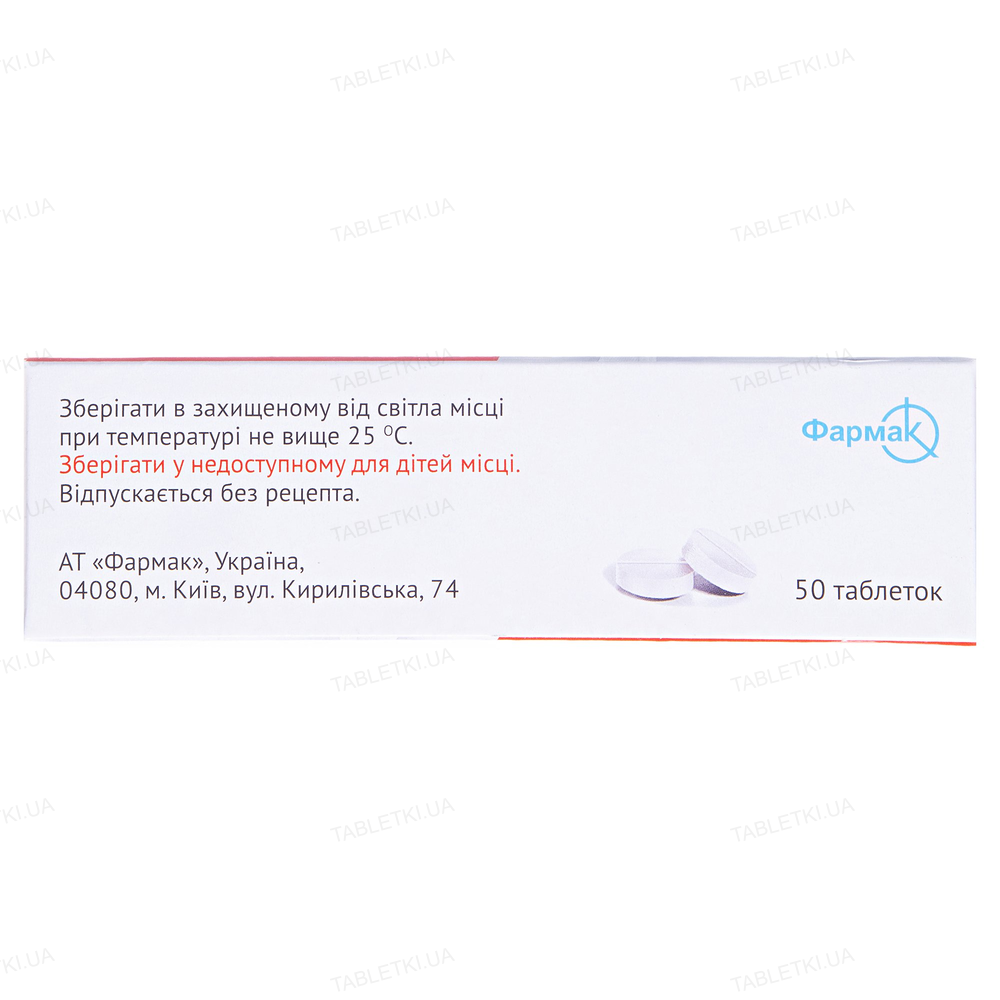
Store in a place protected from light at a temperature not exceeding 25 °C. Keep out of reach of children.
Packaging
10 tablets per blister pack. 1, 3, or 5 blister packs per package.
Dispensing Category
Available without a prescription.
Manufacturer
JSC “Farmak.”
Address
Ukraine, 04080, Kyiv, 74 Kyrylivska St.