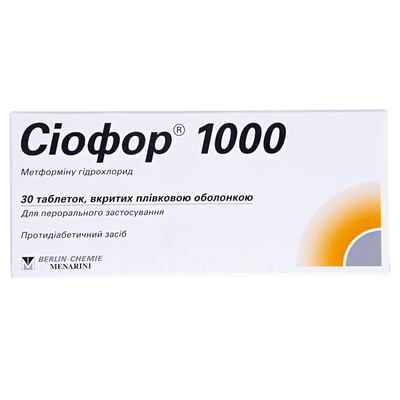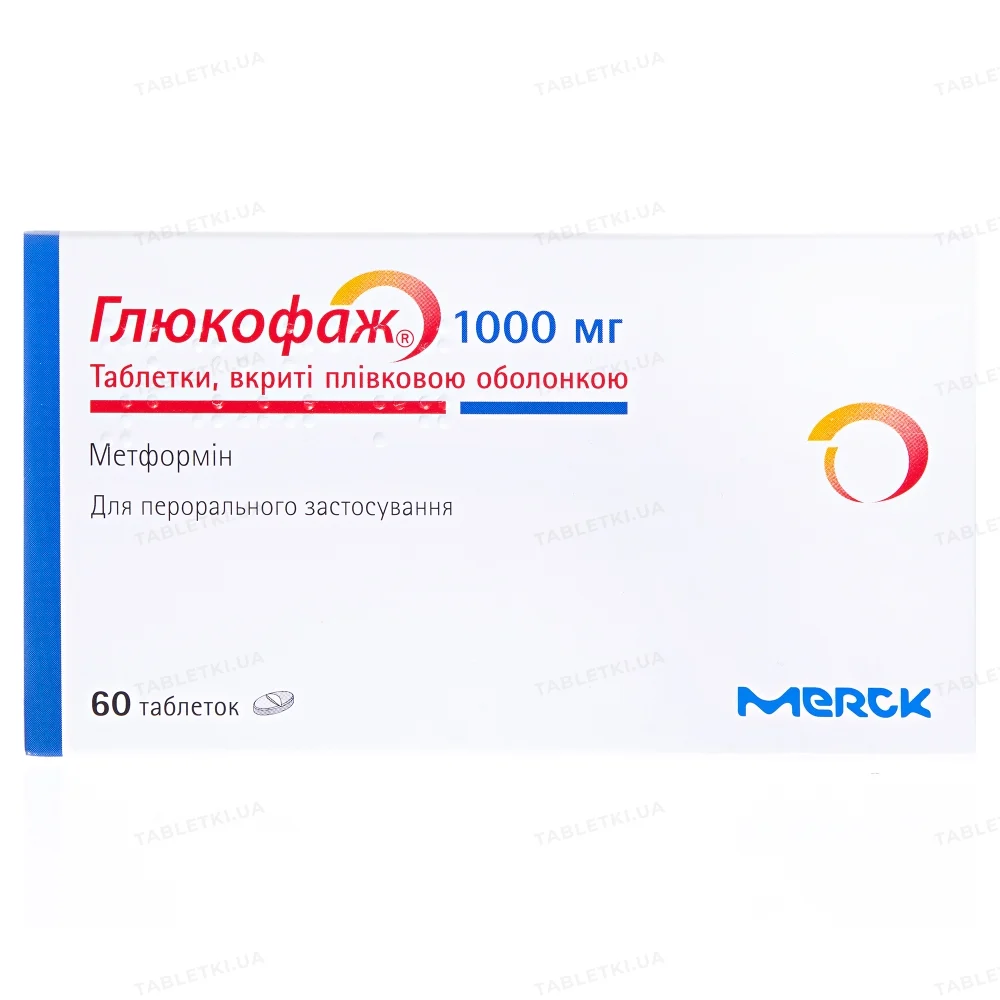
Glucofaz tablets, film-coated, 1,000 mg, No. 60 (15 x 4)
Composition
Active ingredient: metformin hydrochloride;
Each 500 mg film-coated tablet contains 500 mg of metformin hydrochloride, equivalent to 390 mg of metformin;
1 film-coated tablet, 850 mg, contains 850 mg of metformin hydrochloride, equivalent to 662.90 mg of metformin;
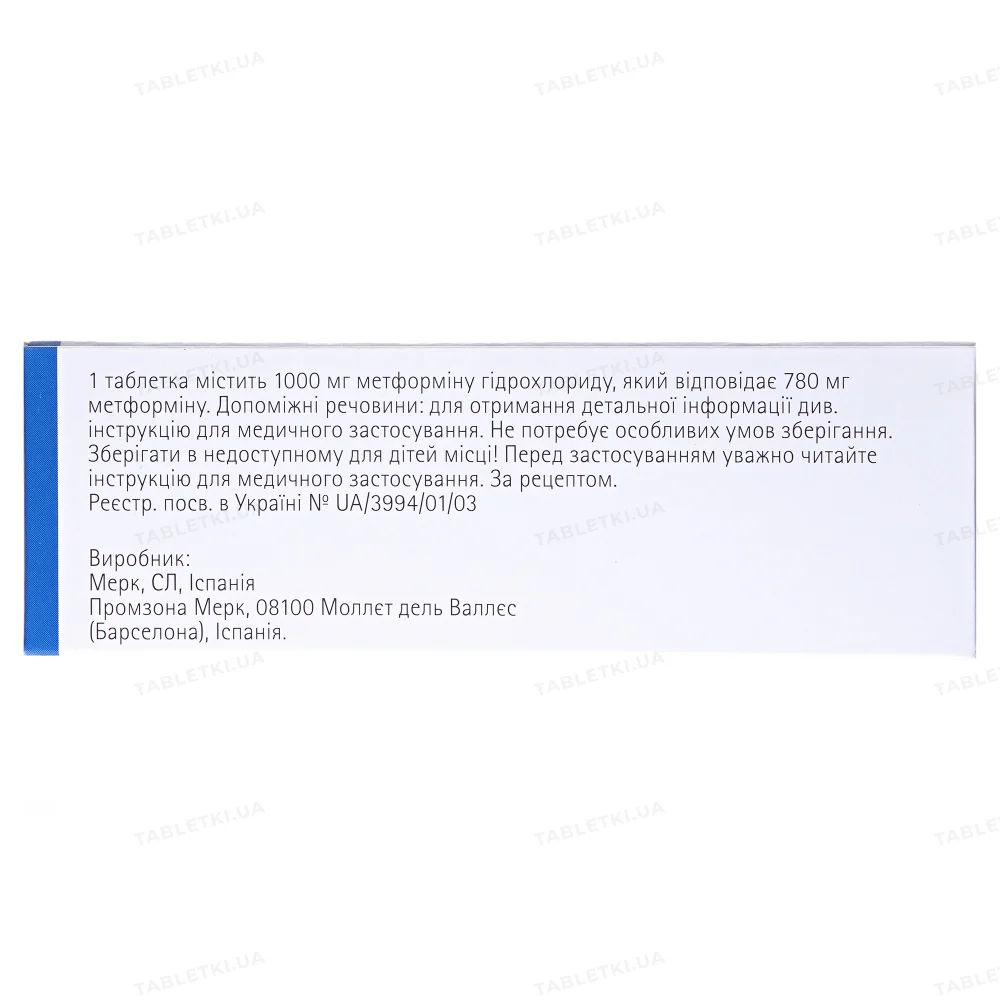
1 film-coated tablet, 1000 mg, contains 1000 mg of metformin hydrochloride, which is equivalent to 780 mg of metformin;
Excipients: povidone K 30, magnesium stearate;
film coating for 500 mg and 850 mg tablets: hypromellose;
film coating for 1000 mg tablets: Opadry CLIA (hypromellose, macrogol 400, macrogol 8000).
Dosage Form
Film-coated tablets.
Main physical and chemical properties:
film-coated tablets, 500 mg, 850 mg: round tablets with a biconvex surface, white in color, film-coated;
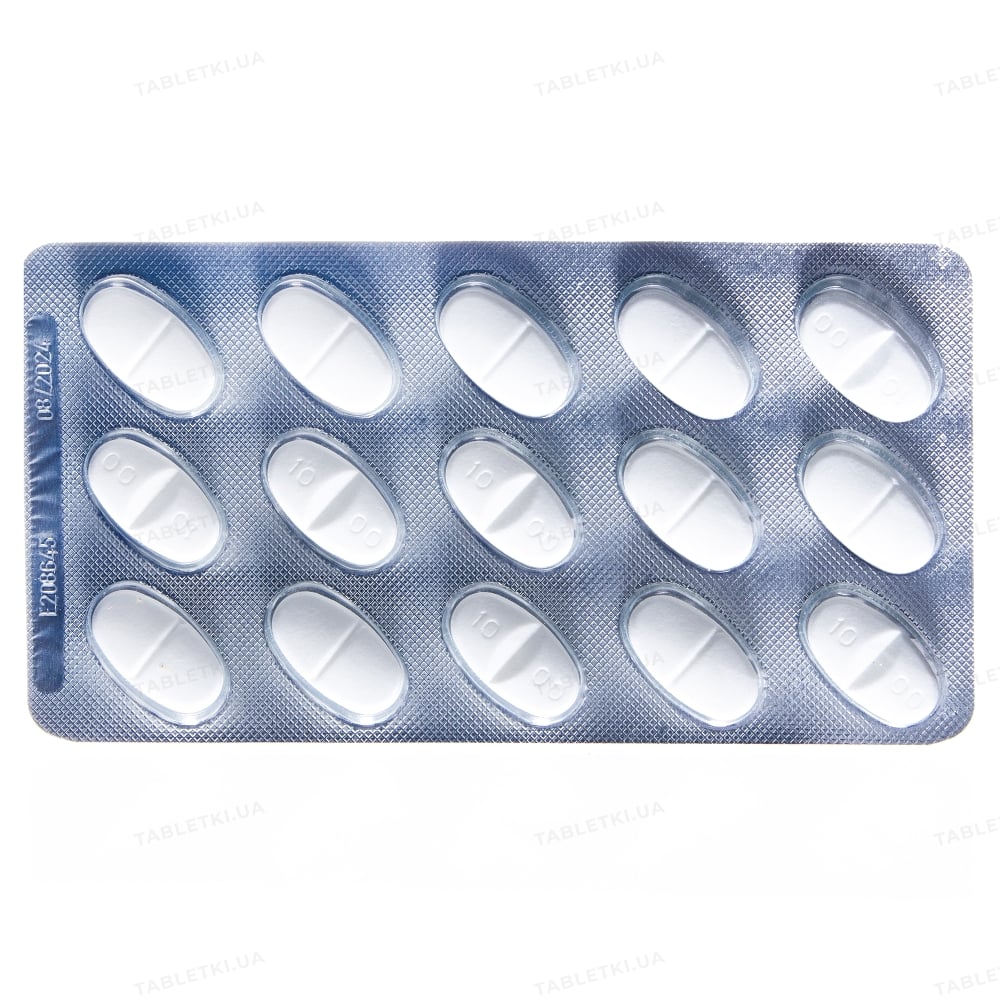
film-coated tablets, 1000 mg: oval-shaped tablets with a biconvex surface, white in color, film-coated, with a score line on both sides and the engraving “1000” on one side.
Pharmacological group
Agents affecting the digestive system and metabolism. Antidiabetic agents. Oral hypoglycemic agents, excluding insulins. Biguanides. ATC code A10B A02.
Pharmacological Properties
Pharmacodynamics.
Mechanism of action.
Metformin is a biguanide with an antihyperglycemic effect; it actually reverses hyperglycemia and thereby provides a therapeutic benefit. It does not stimulate insulin secretion and does not cause hypoglycemia.
Metformin also reduces hyperinsulinemia, and when combined with insulin, it reduces the need for insulin.
Metformin exerts its antihyperglycemic effect through several mechanisms:
- metformin reduces glucose production in the liver; metformin facilitates peripheral uptake and utilization of glucose, partly by attenuating the effects of insulin;
- metformin binds to glucose in the intestine: absorption into the bloodstream is accelerated, and glucose uptake from food is reduced. Additional mechanisms of action include increased activity of glucagon-like peptide-1 (GLP-1) and reduced absorption of fatty acids. Metformin affects the gut microbiome;
- metformin may improve the lipid profile in patients with hyperlipidemia.
During clinical trials, patients’ body weight remained stable or steadily decreased while on metformin.
Metformin is an activator of adenosine monophosphate-activated protein kinase (AMPK) and promotes the transport activity of all types of membrane glucose transporters (GLUT).
Pharmacokinetics.
Absorption.
After oral administration of metformin, the time to reach maximum concentration (Cmax) is approximately 2.5 hours (Tmax). The absolute bioavailability of metformin in the form of 500 mg or 800 mg tablets is approximately 50–60% in healthy volunteers. Following oral administration, the fraction that is not absorbed and is excreted in the feces is 20–30%.
Following oral administration, the absorption of metformin is saturable and incomplete.
It is assumed that metformin absorption is nonlinear. When metformin is administered at the recommended doses and dosing regimens, steady-state plasma concentrations are reached within 24–48 hours and are less than 1 μg/mL. In controlled clinical trials, the maximum plasma concentration of metformin (Cmax) did not exceed 5 μg/mL even at maximum doses.
When taken with food, the absorption of metformin is reduced and slightly delayed.
Following oral administration of a 850 mg dose, a 40% decrease in peak plasma concentration, a 25% decrease in AUC, and a 35-minute delay in reaching peak plasma concentration were observed. The clinical significance of these changes is unknown.
Distribution.
Binding to plasma proteins is negligible. Metformin penetrates red blood cells. The maximum concentration in blood is lower than the maximum concentration in plasma, while the time to reach peak concentration is approximately the same. Red blood cells most likely represent a secondary compartment for metformin distribution. The mean volume of distribution (Vd) ranges from 63 to 276 L.
Metabolism.
Metformin is excreted unchanged in the urine. No metabolites have been detected in humans.
Excretion.
The renal clearance of metformin is >400 mL/min. This indicates that metformin is eliminated via glomerular filtration and tubular secretion. Following oral administration, the half-life is approximately 6.5 hours. In patients with impaired renal function, renal clearance decreases in proportion to creatinine clearance; therefore, the half-life increases, leading to elevated plasma metformin levels.
Special Patient Populations.
Renal insufficiency.
There are limited data on patients with moderate renal insufficiency; therefore, it is not possible to accurately assess systemic metformin exposure in this patient group compared to patients with normal renal function. Therefore, dose adjustment is necessary based on clinical efficacy and tolerability (see “Dosage and Administration”).
Children.
In a study of a single 500-mg dose of metformin hydrochloride, the pharmacokinetic profile in pediatric patients was similar to that in healthy adults.
Data on multiple-dose administration are limited to a single study.
Following repeated administration of 500 mg of metformin twice daily for 7 days in pediatric patients, the peak plasma concentration (Cmax) and systemic exposure (AUC0-t) were reduced by approximately 33% and 40%, respectively, compared with adult patients with diabetes who received repeated doses of 500 mg twice daily for 14 days.
Since the dose is titrated individually based on glycemic control, the above information has limited clinical significance.
Indications
Type 2 diabetes mellitus when diet and exercise therapy are ineffective, particularly in overweight patients:
- as monotherapy or as part of combination therapy with other oral hypoglycemic agents or with insulin for the treatment of adults;
- as monotherapy or as part of combination therapy with insulin for the treatment of children aged 10 years and older and adolescents.
To reduce complications of diabetes in adult patients with type 2 diabetes and who are overweight, as a first-line treatment following ineffective dietary therapy.
Contraindications
- Hypersensitivity to metformin or any other component of the drug;
- any type of acute metabolic acidosis (e.g., lactic acidosis, diabetic ketoacidosis);
- diabetic precoma;
- severe renal insufficiency (glomerular filtration rate (GFR) < 30 mL/min);
- acute conditions associated with a risk of renal dysfunction, such as: dehydration, severe infectious diseases, shock;
- conditions that may lead to tissue hypoxia (particularly acute conditions or exacerbations of chronic diseases): decompensated heart failure; respiratory failure; recent myocardial infarction; shock;
- liver failure, acute alcohol intoxication, alcoholism.
Drug Interactions and Other Interactions
Combinations that are not recommended.
Alcohol. Alcohol intoxication is associated with an increased risk of lactic acidosis, especially in cases of starvation, malnutrition, or hepatic failure.
Iodine-containing radiocontrast agents. Patients should discontinue metformin before or during the examination and should not resume treatment until at least 48 hours after the examination and only after reevaluation and confirmation of stable renal function (see the “Dosage and Administration” and “Special Precautions for Use” sections).
Combinations that should be used with caution. Certain medications, such as nonsteroidal anti-inflammatory drugs (NSAIDs), including selective cyclooxygenase (COX) II, angiotensin-converting enzyme (ACE) inhibitors, angiotensin II receptor antagonists, and diuretics—especially loop diuretics—may increase the risk of lactic acidosis. At the start of treatment with the aforementioned medications or when they are used in combination with metformin, careful monitoring of renal function is necessary.
Drugs with hyperglycemic effects (systemic and topical glucocorticosteroids, sympathomimetics). Blood glucose levels should be monitored more frequently, especially at the start of treatment. During and after discontinuation of concomitant therapy, the dose of Glucophage® must be adjusted.
Organic Cation Transporters (OCT)
Metformin is a substrate for both OCT1 and OCT2 transporters.
Concomitant use of metformin with:
- OCT1 inhibitors (such as verapamil) may reduce the effectiveness of metformin;
- OCT1 inducers (such as rifampicin) may increase the gastrointestinal absorption and efficacy of metformin;
- OCT2 inhibitors (such as cimetidine, dolutegravir, ranolazine, trimethoprim, vandetanib, isovuconazole) may reduce the renal excretion of metformin, leading to an increase in metformin plasma concentrations;
- Inhibitors of both OCT1 and OCT2 (such as crizotinib, olaparib) may affect the efficacy and renal excretion of metformin.
Therefore, it is recommended to exercise particular caution when these drugs are used concomitantly with metformin, especially in patients with impaired renal function, as plasma metformin concentrations may increase. If necessary, consider adjusting the metformin dose, as OCT inhibitors/inducers may affect the efficacy of metformin.
Special Considerations for Use
Lactic acidosis is a very rare but serious metabolic complication that most often occurs in cases of acute renal impairment, cardiopulmonary disease, or sepsis. In cases of acute renal impairment, metformin accumulates, increasing the risk of lactic acidosis.
In cases of dehydration (severe diarrhea or vomiting, fever, or reduced fluid intake), it is recommended to temporarily discontinue metformin and seek medical attention.
Patients receiving metformin should exercise caution when starting treatment with medications that may acutely impair kidney function (e.g., antihypertensives, diuretics, and NSAIDs). Other risk factors for lactic acidosis include excessive alcohol consumption, hepatic insufficiency, poorly controlled diabetes mellitus, ketosis, prolonged fasting, and any conditions associated with hypoxia, as well as concomitant use of medications that may lead to lactic acidosis (see the sections “Contraindications” and “Drug Interactions and Other Interactions”).
Patients and/or their caregivers should be informed of the risk of developing lactic acidosis. Characteristic signs of lactic acidosis include acidotic dyspnea, abdominal pain, muscle cramps, asthenia, and hypothermia; coma may subsequently develop. If any symptoms of lactic acidosis appear, the patient should stop taking metformin and seek immediate medical attention.
Lactic acidosis is characterized by the following laboratory findings: a decrease in blood pH (< 7.35), elevated serum lactate concentration in blood plasma (> 5 mmol/L), an increased anion gap, and an elevated lactate-to-pyruvate ratio.
Renal function. GFR should be assessed before starting treatment and regularly thereafter (see the “Dosage and Administration” section). Metformin is contraindicated in patients with an eGFR < 30 mL/min and should be temporarily discontinued in the presence of conditions that alter renal function (see the “Contraindications” section).
Cardiac function. Patients with heart failure are at higher risk of developing hypoxia and renal failure. Metformin may be used in patients with stable chronic heart failure provided that cardiac and renal function are monitored regularly. Metformin is contraindicated in patients with acute or unstable heart failure (see the “Contraindications” section).
Iodine-containing radiographic contrast media. Intravascular administration of iodine-containing contrast media may cause contrast-induced nephropathy, leading to metformin accumulation and an increased risk of lactic acidosis. Patients should discontinue metformin before or during the examination and should not resume treatment until at least 48 hours after the examination and only after reevaluation and confirmation of stable renal function (see the sections “Dosage and Administration” and “Drug Interactions and Other Interactions”).
Surgical procedures. Metformin should be discontinued during surgical procedures performed under general, spinal, or epidural anesthesia, and it should not be resumed until at least 48 hours after surgery or the resumption of oral feeding, and only after reevaluation and confirmation of stable renal function.
Children. A diagnosis of type 2 diabetes must be confirmed before starting treatment with metformin. Results from one-year controlled clinical trials have shown no effect of metformin on growth or puberty in children. However, there are no data on the effects of metformin on growth and puberty with longer-term use of metformin; therefore, close monitoring of these parameters is recommended in children being treated with metformin, especially during puberty.
Children aged 10 to 12 years. Based on the results of controlled clinical trials involving 15 children aged 10 to 12 years, the efficacy and safety of metformin in this patient group did not differ from those observed in older children and adolescents. The drug should be prescribed with particular caution to children aged 10 to 12 years.
Other Precautions. Patients must follow a diet that ensures a consistent intake of carbohydrates throughout the day. Overweight patients should continue to follow a low-calorie diet. Patients’ carbohydrate metabolism parameters should be monitored regularly.
Metformin may lower serum vitamin B12 levels. The risk of low vitamin B12 levels increases with higher doses of metformin, longer duration of treatment, and/or the presence of risk factors known to cause vitamin B12 deficiency. If vitamin B12 deficiency is suspected (e.g., anemia or neuropathy), serum vitamin B12 levels should be monitored. Patients with risk factors for vitamin B12 deficiency may require monitoring of their vitamin B12 levels. Metformin therapy should be continued as long as it is well tolerated and not contraindicated, and appropriate corrective treatment for vitamin B12 deficiency should be provided in accordance with current clinical guidelines.
Metformin monotherapy does not cause hypoglycemia; however, caution should be exercised when metformin is used concomitantly with insulin or other oral hypoglycemic agents (e.g., sulfonylureas or meglitinides).
Use during pregnancy or breastfeeding.
Pregnancy. Uncontrolled hyperglycemia during the preconception period and throughout pregnancy is associated with an increased risk of congenital anomalies, pregnancy loss, pregnancy-induced hypertension, preeclampsia, and perinatal mortality. It is important to maintain blood glucose levels as close to normal as possible throughout pregnancy to reduce the risk of adverse effects of hyperglycemia on the mother and her baby.
Metformin crosses the placenta in amounts that may be as high as the concentrations in the mother.
A large body of data on pregnant women (more than 1,000 outcomes) from a registry-based cohort study and published results of meta-analyses and clinical trials indicates no increased risk of congenital anomalies or toxicity to the fetus/newborn due to metformin exposure during the periconceptional period and/or during pregnancy.
There are some unconfirmed data on the long-term effects of metformin on the weight of children exposed to it in utero. It appears that metformin does not affect the motor and social development of children under 4 years of age who were exposed to it in utero, although data on long-term effects are limited.
If clinically necessary, metformin may be used during pregnancy and in the preconception period as an adjunct to or alternative to insulin.
Breastfeeding. Metformin is excreted into breast milk, but no side effects have been observed in newborns or infants who were breastfed. However, since there is insufficient data on the safety of the drug, breastfeeding is not recommended during metformin therapy. The decision to discontinue breastfeeding should be made by weighing the benefits of breastfeeding against the potential risk of side effects to the infant.
Fertility. Metformin did not affect fertility in animals when administered at doses of 600 mg/kg/day, which were nearly three times the maximum recommended daily dose for humans based on body surface area.
Effect on reaction time when operating motor vehicles or other machinery.
Metformin monotherapy does not affect reaction time when driving or operating machinery, as the drug does not cause hypoglycemia. However, caution should be exercised when using metformin in combination with other hypoglycemic agents (sulfonylureas, insulin, or meglitinides) due to the risk of hypoglycemia.
Dosage and Administration
Adult patients with normal renal function (eGFR ≥ 90 mL/min).
Monotherapy or combination therapy with other oral hypoglycemic agents.
The usual starting dose is 500 mg or 850 mg (Glucofaz®, film-coated tablets, 500 mg or 850 mg) 2–3 times daily with or after meals.
After 10–15 days, the dose should be adjusted based on serum glucose levels.
A gradual increase in the dose helps reduce gastrointestinal side effects.
When treating with high doses (2,000–3,000 mg per day), it is possible to substitute every 2 tablets of Glucofazh®, 500 mg, with 1 tablet of Glucofazh®, 1,000 mg.
The maximum recommended dose is 3,000 mg per day in 3 divided doses.
When switching from another antidiabetic medication, discontinue that medication and prescribe metformin as indicated above.
Combination therapy with insulin.
To achieve better control of blood glucose levels, metformin and insulin may be used in combination therapy. The usual starting dose is 500 mg or 850 mg of metformin hydrochloride 2–3 times daily, while the insulin dose should be adjusted based on blood glucose measurements.
Elderly patients may have reduced kidney function; therefore, the metformin dose should be adjusted based on an assessment of kidney function, which must be performed regularly (see the “Special Considerations” section).
Renal insufficiency. GFR should be assessed before starting treatment with metformin-containing medications and at least annually during treatment. Patients at increased risk of further progression of renal insufficiency and elderly patients should undergo careful renal monitoring as frequently as possible, for example every 3–6 months.
| eGFR
(mL/min) |
Total maximum daily dose (to be divided into 2–3 doses) |
Additional Information |
| 60–89 | 3,000 mg
|
In cases of reduced kidney function, it is recommended to consider reducing the dose. |
| 45–59 | 2,000 mg
|
Before starting metformin, factors that may increase the risk of lactic acidosis should be considered (see the “Special Considerations” section). The initial dose should not exceed half the maximum dose. |
| 30–44 | 1,000 mg
|
|
| < 30 | - | The use of metformin is contraindicated. |
Children.
Monotherapy or combination therapy with insulin.
Glucofaz® is indicated for children aged 10 years and older and adolescents. The usual starting dose is 500 mg or 850 mg of Glucofaz® once daily, taken with or after a meal.
After 10–15 days, the dose should be adjusted based on serum glucose levels. A gradual increase in the dose helps reduce gastrointestinal side effects. The maximum recommended dose is 2,000 mg per day, divided into 2–3 doses.
Overdose
No hypoglycemia was observed when the drug was administered at a dose of 85 g. However, lactic acidosis did develop in this case. A significant excess of the metformin dose or concomitant risk factors may lead to lactic acidosis. Lactic acidosis is a medical emergency and should be treated in a hospital setting. Hemodialysis is the most effective method for removing lactate and metformin from the body.
Side Effects
The most common adverse reactions at the start of treatment are nausea, vomiting, diarrhea, abdominal pain, and loss of appetite. These symptoms usually resolve on their own. To prevent side effects, it is recommended to increase the dosage gradually and to divide the daily dose into 2–3 doses.
Adverse effects are classified by frequency of occurrence into the following categories:
very common (>1/10), common (>1/100 and <1/10), uncommon (>1/1,000 and <1/100), rare (>1/10,000 and <1/1,000), very rare (<1/10,000).
Within each system organ class, adverse reactions are listed in order of decreasing clinical significance.
Metabolic disorders.
Common: decreased levels/deficiency of vitamin B12 (see the “Special Considerations for Use” section).
Very rare: lactic acidosis (see the “Special Considerations for Use” section).
Nervous system disorders.
Common: taste disturbance.
Gastrointestinal disorders.
Very common: gastrointestinal disorders such as nausea, vomiting, diarrhea, abdominal pain, and loss of appetite. These side effects most often occur at the start of treatment and, in most cases, resolve spontaneously. To prevent gastrointestinal side effects, it is recommended to increase the dosage gradually and to take the daily dose in 2–3 divided doses during or after meals.
Liver and biliary tract.
Very rare: abnormal liver function tests or hepatitis, which resolve completely after discontinuation of metformin.
Skin and subcutaneous tissue disorders.
Very rare: skin reactions, including erythema, pruritus, and urticaria.
Children.
In published and postmarketing data, as well as in controlled clinical trials involving a limited pediatric population aged 10–16 years who received metformin for 1 year, reports of adverse reactions in children were similar in nature and severity to those observed in adults.
Reports of suspected adverse drug reactions
Reporting adverse reactions after a drug’s approval is crucial. It allows for monitoring the benefit-risk ratio of this drug. Healthcare and pharmaceutical professionals, as well as patients or their legal representatives, should report all cases of suspected adverse reactions and lack of efficacy of the drug through the Automated Pharmacovigilance Information System at: https://aisf. dec.gov.ua/.
Shelf Life
Film-coated tablets, 500 mg and 850 mg – 5 years.
Film-coated tablets, 1000 mg – 4 years.
Storage conditions
No special storage conditions required. Keep out of reach of children!
Packaging
Film-coated tablets, 500 mg. 15 tablets per blister; 2 or 4 blisters per cardboard box. 20 tablets per blister; 3 blisters per cardboard box.
Film-coated tablets, 850 mg each. 15 tablets per blister pack; 2 or 4 blister packs per cardboard box. 20 tablets per blister pack; 3 blister packs per cardboard box.
Film-coated tablets, 1000 mg each. 15 tablets per blister pack; 2 or 4 blister packs per cardboard box.
Manufacturer
Merck Sante, France.
Merck, SL, Spain.
Address
2 rue du Pressoir Vert, 45400 Semoy, France.
Poligon Merck, 08100 Mollet del Valles (Barcelona), Spain.