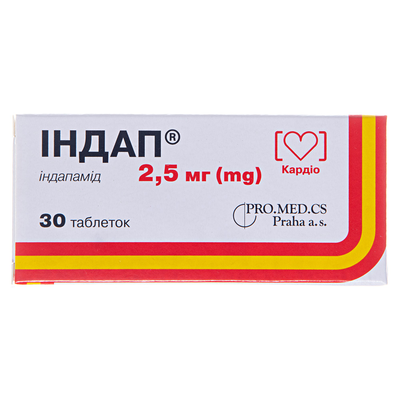
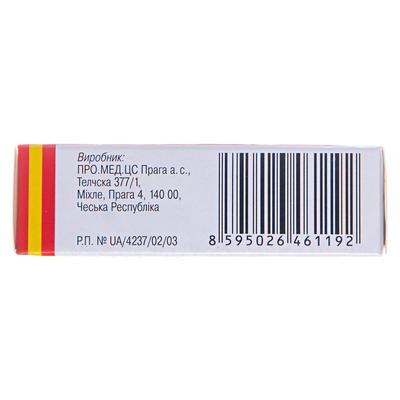
Indap 2.5 mg tablets, No. 30 (10 x 3)
Composition
Active ingredient: indapamide;
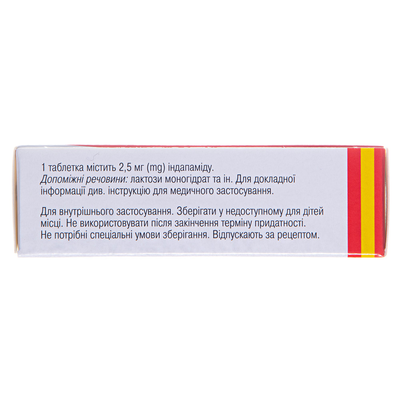
1 tablet contains 1.25 mg or 2.5 mg of indapamide;
Inactive ingredients:
Indap®, 1.25 mg tablets: lactose monohydrate, microcrystalline cellulose, talc, magnesium stearate, colloidal anhydrous silicon dioxide, red iron oxide (E 172);
Indap®, 2.5 mg tablets: lactose monohydrate, microcrystalline cellulose, talc, magnesium stearate, anhydrous colloidal silicon dioxide, TopMill ORANGE 231.05.C (yellow iron oxide (E 172), red iron oxide (E 172), lactose monohydrate).
Dosage Form
Tablets.
Main physical and chemical properties: 1.25 mg tablets: pink, round, flat tablets approximately 7 mm in diameter; a faint marbled appearance is permissible;
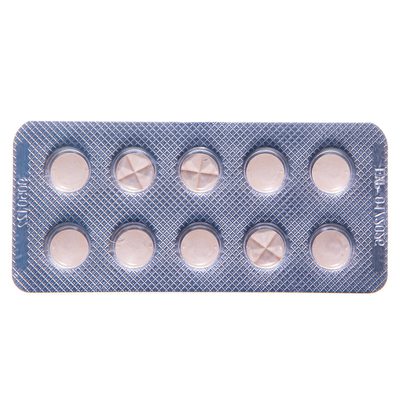
2.5 mg tablets: light orange, round tablets approximately 8 mm in diameter with a cross-shaped score line on one side; slight marbling is permissible.
Pharmacotherapeutic group
Non-thiazide diuretics with moderate diuretic activity. Simple sulfonamides. ATC code C03B A11.
Pharmacological Properties
Pharmacodynamics.
Indapamide is a sulfonamide diuretic that is pharmacologically related to thiazide diuretics. Indapamide inhibits sodium reabsorption in the cortical segment of the kidneys. This increases the excretion of sodium and chloride in the urine and, to a lesser extent, the excretion of potassium and magnesium, thereby increasing diuresis.
The antihypertensive effect of indapamide is evident at doses at which the diuretic effect is negligible. Furthermore, its antihypertensive effect persists even in patients with hypertension who are undergoing hemodialysis.
Indapamide acts on blood vessels by:
- reducing the contractility of vascular smooth muscle, which is associated with changes in transmembrane ion exchange (primarily calcium);
- stimulating the synthesis of prostaglandin PGE2 and prostacyclin PGI2 (a vasodilator and an inhibitor of platelet aggregation).
Indapamide reduces left ventricular hypertrophy.
Furthermore, as demonstrated by studies of varying durations (short, medium, and long-term) involving patients with hypertension, indapamide:
- does not affect lipid metabolism: triglycerides, low-density lipoprotein (LDL) cholesterol, and high-density lipoprotein (HDL) cholesterol;
- does not affect carbohydrate metabolism, even in patients with hypertension and diabetes mellitus.
Exceeding the recommended dose does not increase the therapeutic effect of thiazides and thiazide-like diuretics, while the incidence of adverse events increases. If treatment is not sufficiently effective, increasing the dose is not recommended.
Pharmacokinetics.
Absorption
The bioavailability of indapamide is high—93%.
Maximum plasma concentration (Cmax) after a 2.5 mg dose is reached in approximately 1–2 hours.
Distribution
Plasma protein binding is greater than 75%.
The half-life is 14–24 hours (average: 18 hours).
With regular administration of the drug, the steady-state plasma concentration (plateau) increases compared to the indapamide concentration following a single dose. This plasma concentration level remains stable over a long period without accumulation.
Elimination
Renal clearance accounts for 60–80% of total clearance.
Indapamide is excreted primarily as metabolites; the proportion of the drug excreted by the kidneys in its unchanged form is 5%.
Patients with Renal Impairment
In patients with renal impairment, the pharmacokinetic parameters remain unchanged.
Indications
Essential hypertension.
Contraindications
- Hypersensitivity to sulfonamides or to any of the drug’s excipients;
- severe renal insufficiency (creatinine clearance below 30 mL/min);
- hepatic encephalopathy or severe liver disease;
- hypokalemia;
- pregnancy and breastfeeding.
Drug Interactions and Other Interactions
Combinations Not Recommended
Lithium. Plasma lithium levels may increase, and symptoms of overdose may occur, similar to those seen with a salt-restricted diet (reduced urinary lithium excretion). If a diuretic must be prescribed, plasma lithium levels should be closely monitored and the lithium dose adjusted.
Combinations Requiring Caution
Drugs that may cause paroxysmal ventricular tachycardia of the pirouette type:
- Class Ia antiarrhythmic drugs (quinidine, hydroquinidine, disopyramide);
- Class III antiarrhythmic drugs (amiodarone, sotalol, dofetilide, ibutilide);
- certain antipsychotic drugs:
o phenothiazines (chlorpromazine, cyamemazine, levomepromazine, thioridazine, trifluoperazine);
o benzamides (amisulpride, sulpiride, sultopride, tiapride);
o butyrophenones (droperidol, haloperidol);
- other medications: bepridil, cisapride, difemanil, intravenous erythromycin, halofantrine, mizolastine, pentamidine, sparfloxacin, moxifloxacin, intravenous vincamine.
When indapamide is used with the above-mentioned medications, the risk of ventricular arrhythmias increases, particularly torsades de pointes—a type of paroxysmal ventricular tachycardia characterized by a “pirouette” pattern (hypokalemia is a risk factor).
Before prescribing this combination, potassium levels should be checked and corrected if necessary. The clinical condition of patients, plasma electrolytes, and ECG should be monitored. In the presence of hypokalemia, it is recommended to prescribe medications that do not cause torsades de pointes.
Nonsteroidal anti-inflammatory drugs (for systemic use), including selective cyclooxygenase-2 inhibitors, and high doses of salicylates (≥ 3 g/day):
o may reduce the antihypertensive effect of indapamide;
o in dehydrated patients, the risk of acute renal failure increases (due to a decrease in glomerular filtration rate). Before starting treatment, fluid balance must be restored and renal function checked.
Angiotensin-converting enzyme (ACE) inhibitors. Sudden onset of hypotension and/or acute renal failure may occur in patients with low sodium levels (especially in patients with renal artery stenosis).
Hypertension. If prior use of a diuretic has caused a decrease in sodium levels, the diuretic should be discontinued 3 days before starting treatment with an ACE inhibitor; thereafter, if necessary, diuretic therapy may be resumed, or treatment with the ACE inhibitor may be initiated at a low starting dose, followed by a gradual increase.
In cases of congestive heart failure, treatment with an ACE inhibitor should be initiated at the lowest possible dose and, if necessary, following a reduction in the dose of a previously prescribed potassium-sparing diuretic.
In any case, renal function (plasma creatinine) should be monitored during the first few weeks of treatment with an ACE inhibitor.
Drugs that may cause hypokalemia: glucocorticoids and mineralocorticoids (for systemic use), amphotericin B (intravenous), tetracosactide, and laxatives that stimulate peristalsis—increase the risk of hypokalemia (additive effect). Plasma potassium levels should be monitored and corrected as necessary; particular attention should be paid to concomitant therapy with cardiac glycosides. It is recommended to prescribe laxatives that do not stimulate peristalsis.
Cardiac glycosides. The presence of hypokalemia contributes to the cardiotoxicity of cardiac glycosides. Plasma potassium levels and ECG should be monitored, and treatment should be adjusted as necessary.
Baclofen potentiates the antihypertensive effect of this medication. At the start of therapy, the patient’s fluid and electrolyte balance must be restored, and renal function must be monitored.
Digitalis preparations:
Hypokalemia and/or hypomagnesemia may contribute to digitalis toxicity. It is recommended to monitor plasma potassium and magnesium levels, perform ECG monitoring, and adjust treatment as necessary.
Combinations Requiring Caution
Potassium-sparing diuretics (amiloride, spironolactone, triamterene). If prescribing such a combination is deemed appropriate, the possibility of hypokalemia (especially in patients with diabetes mellitus or renal insufficiency) or hyperkalemia cannot be ruled out. Plasma potassium levels should be monitored, ECG monitoring should be performed, and treatment should be adjusted as necessary.
Metformin. The risk of lactic acidosis increases in the event of functional renal insufficiency resulting from the use of diuretics, particularly loop diuretics. Metformin should not be prescribed if plasma creatinine levels exceed 15 mg/L (135 μmol/L) in men and 12 mg/L (110 μmol/L) in women.
Iodinated contrast media. In cases of dehydration caused by diuretic therapy, the risk of acute renal failure increases, especially when high doses of iodinated contrast media are used. Fluid balance must be restored before administering iodinated contrast media.
Imipramine-like antidepressants, neuroleptics. Enhanced antihypertensive effect and increased risk of orthostatic hypotension due to an additive effect.
Calcium salts. Hypercalcemia may occur due to reduced renal excretion of calcium.
Cyclosporine, tacrolimus. Risk of increased plasma creatinine levels without affecting circulating cyclosporine levels, even in the absence of reduced water/sodium levels.
Corticosteroids, tetracosactide (systemic). A reduction in the antihypertensive effect of indapamide due to water and sodium retention caused by corticosteroids.
Special Considerations for Use
Patients with hepatic impairment
In patients with hepatic impairment, the use of thiazide-like diuretics may cause hepatic encephalopathy, especially in the presence of electrolyte imbalances. In such cases, diuretic therapy should be discontinued immediately.
Photosensitivity
Cases of photosensitivity reactions have been reported in patients taking thiazide and thiazide-like diuretics (see the “Adverse Reactions” section). If such reactions occur, it is recommended to discontinue diuretic therapy. If it is necessary to resume diuretic therapy, protect affected areas from sunlight or artificial ultraviolet light sources.
Excipients
This medication contains lactose and should therefore not be prescribed to patients with congenital galactose intolerance, glucose-galactose malabsorption syndrome, or Lapp lactase deficiency.
Water and Electrolyte Balance
Plasma sodium
Plasma sodium levels must be monitored before starting treatment and regularly thereafter during treatment. A decrease in plasma sodium levels may initially be asymptomatic; therefore, regular monitoring is necessary. Sodium levels should be monitored more frequently in elderly patients and in patients with liver cirrhosis. Any diuretic can cause hyponatremia, which sometimes has serious consequences. Hyponatremia with hypovolemia can lead to dehydration and orthostatic hypotension; concomitant loss of chloride ions may cause secondary compensatory metabolic alkalosis (the frequency and severity of this phenomenon are low).
Plasma Potassium
The development of hypokalemia (< 3.4 mmol/L) must be prevented in certain high-risk patient groups, such as the elderly, malnourished patients, and/or those taking multiple medications, patients with liver cirrhosis accompanied by edema and ascites, patients with ischemic heart disease, and patients with heart failure. In such cases, hypokalemia increases the cardiotoxicity of cardiac glycosides and the risk of arrhythmias.
Patients with a prolonged QT interval of congenital or iatrogenic origin are also at risk. Hypokalemia, like bradycardia, can cause severe cardiac arrhythmias, including paroxysmal ventricular tachycardia of the pirouette type, which can be fatal.
In all of the above cases, more frequent monitoring of serum potassium levels is necessary. The first test should be performed within the first week of treatment. If hypokalemia is detected, it should be corrected.
Hypokalemia resulting from low serum magnesium levels may be difficult to treat unless serum magnesium levels are corrected.
Plasma magnesium:
It has been shown that thiazides and related diuretics, including indapamide, increase urinary magnesium excretion, which may lead to hypomagnesemia (see the sections “Interactions with Other Medications and Other Interactions” and “Adverse Reactions”).
Plasma calcium
Thiazide and thiazide-like diuretics may reduce urinary calcium excretion and lead to a slight and temporary increase in plasma calcium levels. Severe hypercalcemia may be the result of previously undiagnosed hyperparathyroidism. In such cases, treatment should be discontinued and parathyroid function evaluated.
Blood Glucose
In patients with diabetes mellitus, it is important to monitor blood glucose levels, especially in the presence of hypokalemia.
Uric acid
Patients with elevated uric acid levels may experience an increased tendency toward gout attacks.
Renal Function and Diuretics
Thiazide and thiazide-like diuretics are most effective when kidney function is normal or only mildly impaired (plasma creatinine <25 mg/L, i.e., 220 mmol/L in adults). In elderly patients, plasma creatinine should be at a level appropriate for age, body weight, and sex. Hypovolemia associated with water and sodium loss due to diuretic use causes a decrease in glomerular filtration at the start of treatment. This may lead to elevated levels of urea and creatinine in the blood. Such transient functional renal impairment has no consequences in individuals with normal renal function but may worsen existing renal impairment.
In athletes, indapamide may cause a positive result during doping control
Choroidal hemorrhage, acute myopia, and secondary angle-closure glaucoma.
Medications containing sulfonamide or sulfonamide derivatives may cause an idiosyncratic reaction resulting in choroidal hemorrhage with visual field defects, transient myopia, and acute angle-closure glaucoma. Symptoms include a sudden onset of decreased visual acuity or eye pain and typically occur within a few hours or weeks of starting the medication.
Untreated acute angle-closure glaucoma can lead to permanent vision loss. The primary treatment is to discontinue the medication as soon as possible. If intraocular pressure remains uncontrolled, medical or surgical treatment may be necessary. A history of allergy to sulfonamides or penicillin may be a risk factor for developing acute angle-closure glaucoma.
Use during pregnancy or breastfeeding.
Pregnancy
Data on the use of indapamide in pregnant women are lacking or limited (fewer than 300 cases). Diuretics should be avoided in pregnant women and should never be used to treat physiological edema in pregnancy. Prolonged use of a thiazide diuretic during the third trimester of pregnancy may result in a decrease in the pregnant woman’s circulating blood volume and uterine-placental blood flow, which may lead to fetoplacental ischemia and fetal growth restriction. Animal studies have not revealed any direct or indirect toxic effects on reproduction. The use of indapamide during pregnancy is contraindicated.
Breastfeeding
Data on the transfer of indapamide and its metabolites into breast milk are insufficient. Hypersensitivity to sulfonamide derivatives and hypokalemia may develop. A risk to newborns and infants cannot be ruled out. Indapamide belongs to the thiazide-like diuretics, the use of which during breastfeeding is associated with a reduction or even suppression of lactation. Indapamide is contraindicated during breastfeeding.
Fertility
Reproductive toxicity studies have shown no effect on fertility in male and female animals. No effect on human fertility is expected.
Effect on the ability to drive or operate machinery
Indap® does not affect alertness; however, if adverse reactions occur (see the “Adverse Reactions” section), including symptoms associated with a decrease in blood pressure—especially at the start of treatment or when used in combination with another antihypertensive agent—the ability to drive or operate machinery may be impaired.
Dosage and Administration
Directions for Use
For oral use.
Dosage
1 tablet of 2.5 mg per day, preferably in the morning. The tablet should be swallowed whole, without chewing, with water.
The maximum daily dose is 2.5 mg. Higher doses do not increase the antihypertensive effect, but the diuretic effect increases.
Special Patient Populations
Renal insufficiency (see the “Contraindications” and “Special Considerations for Use” sections)
The drug is contraindicated in patients with severe renal insufficiency (creatinine clearance <30 mL/min). Thiazide and thiazide-like diuretics are most effective when renal function is normal or only mildly impaired.
Elderly patients (see the “Special Considerations” section)
In elderly patients, plasma creatinine levels should be appropriate for their age, body weight, and sex. Indap® may be prescribed to elderly patients if renal function is normal or only mildly impaired.
Hepatic impairment (see the “Contraindications” and “Special Considerations for Use” sections)
Treatment with this drug is contraindicated in cases of severe hepatic impairment.
Children.
Indap® is not recommended for use in children due to insufficient data on safety and efficacy in this patient population.
Overdose
Symptoms
Symptoms of overdose primarily manifest as fluid and electrolyte imbalances (hyponatremia, hypokalemia). Clinically, nausea, vomiting, hypotension, seizures, drowsiness, dizziness (vertigo), confusion, polyuria, or oliguria up to anuria (caused by hypovolemia).
Treatment
First-aid measures include rapid removal of the drug by gastric lavage and/or administration of activated charcoal, followed by restoration of fluid and electrolyte balance in a hospital setting.
Side Effects
The most commonly reported adverse reactions include hypokalemia, hypersensitivity reactions—primarily dermatological—in patients prone to allergic and asthmatic reactions, and maculopapular rashes.
During treatment with indapamide, the following adverse events were observed with the following frequencies: very common (≥ 1/10), common (≥ 1/100, < 1/10), uncommon (≥ 1/1,000, < 1/100), rare (≥ 1/10,000, < 1/1,000), very rare (≥ 1/100,000, < 1/10,000), frequency unknown (cannot be estimated from the available data).
| Organ systems according to the MedDRA classification | Adverse reactions | Frequency |
| Blood and lymphatic system | Agranulocytosis | very rare |
| Aplastic anemia | very rare | |
| Hemolytic anemia | very rare | |
| Leukopenia | very rare | |
| Thrombocytopenia | very rare | |
| Metabolism and metabolism-related disorders | Hypercalcemia | very rare |
| Hypokalemia (see the “Special Considerations for Use” section) | Common | |
| Hyponatremia (see “Special Considerations for Use”) | Uncommon | |
| Hypochloremia | Rare | |
| Hypomagnesemia | rare | |
| Nervous system | Dizziness (vertigo) | Rare |
| Fatigue | Rare | |
| Headache | rare | |
| Paresthesia | rare | |
| Loss of consciousness | frequency unknown | |
| Ocular | Myopia | frequency unknown |
| Blurred vision | Frequency unknown | |
| Visual disturbances | Frequency unknown | |
| Choroidal effusion | frequency unknown | |
| Cardiac | Arrhythmia | very rare |
| Paroxysmal ventricular tachycardia of the torsades de pointes type, which may be fatal (see sections “Interactions with Other Medications and Other Types of Interactions” and “Special Considerations for Use”) | frequency unknown | |
| Vascular system | Hypotension | Very rare |
| Gastrointestinal system | Vomiting | uncommon |
| Nausea | Rarely | |
| Constipation | rarely | |
| Dry mouth | rare | |
| Pancreatitis | very rare | |
| Hepatobiliary system | Liver dysfunction | very rare |
| In cases of liver failure, hepatic encephalopathy may occur (see the “Contraindications” and “Special Precautions for Use” sections) | frequency unknown | |
| Hepatitis | frequency unknown | |
| Skin and skin appendages | Hypersensitivity reactions | Common |
| Maculopapular rash | Common | |
| Purpura | Uncommon | |
| Angioedema | very rare | |
| Urticaria | very rare | |
| Toxic epidermal necrolysis | very rare | |
| Stevens–Johnson syndrome | very rare | |
| Possible exacerbation of existing acute systemic lupus erythematosus | frequency unknown | |
| Photosensitivity reactions (see “Special Precautions for Use”) | frequency unknown | |
| Renal and urinary system | Renal failure | Very rare |
| Reproductive system and breast disorders | Erectile dysfunction | Frequency: Uncommon |
| Testing | QT interval prolongation on the ECG
(see sections “Interactions with Other Medications and Other Types of Interactions” and “Special Considerations for Use”) |
Frequency: Unknown |
| Increased blood glucose levels
(see the “Special Considerations for Use” section) |
Frequency unknown | |
| Increased blood uric acid levels (see the “Special Considerations for Use” section) | Frequency unknown | |
| Elevated liver enzyme levels | Frequency unknown |
Shelf life
4 years.
Storage conditions
Keep out of reach of children. No special storage conditions required.
Packaging
1.25 mg tablets: 10 tablets per blister pack, 3 or 6 blister packs per cardboard box.
2.5 mg tablets: 10 tablets per blister pack, 3 or 6 blister packs per cardboard box.
Dispensing Category
By prescription.