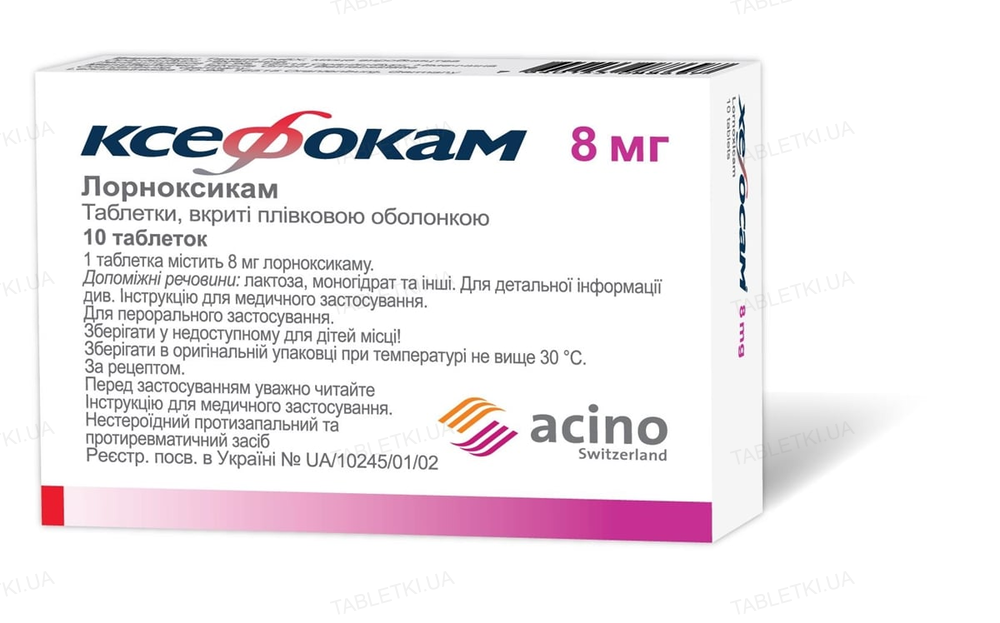
Xefokam tablets, film-coated, 8 mg, No. 10
Ingredients
Active ingredient: lornoxicam;
1 tablet of 4 mg or 8 mg contains 4 mg or 8 mg of lornoxicam, respectively;
Inactive ingredients: magnesium stearate; povidone; croscarmellose sodium; microcrystalline cellulose; lactose monohydrate; polyethylene glycol 6000; titanium dioxide (E 171); talc; hypromellose.
Dosage Form
Film-coated tablets.
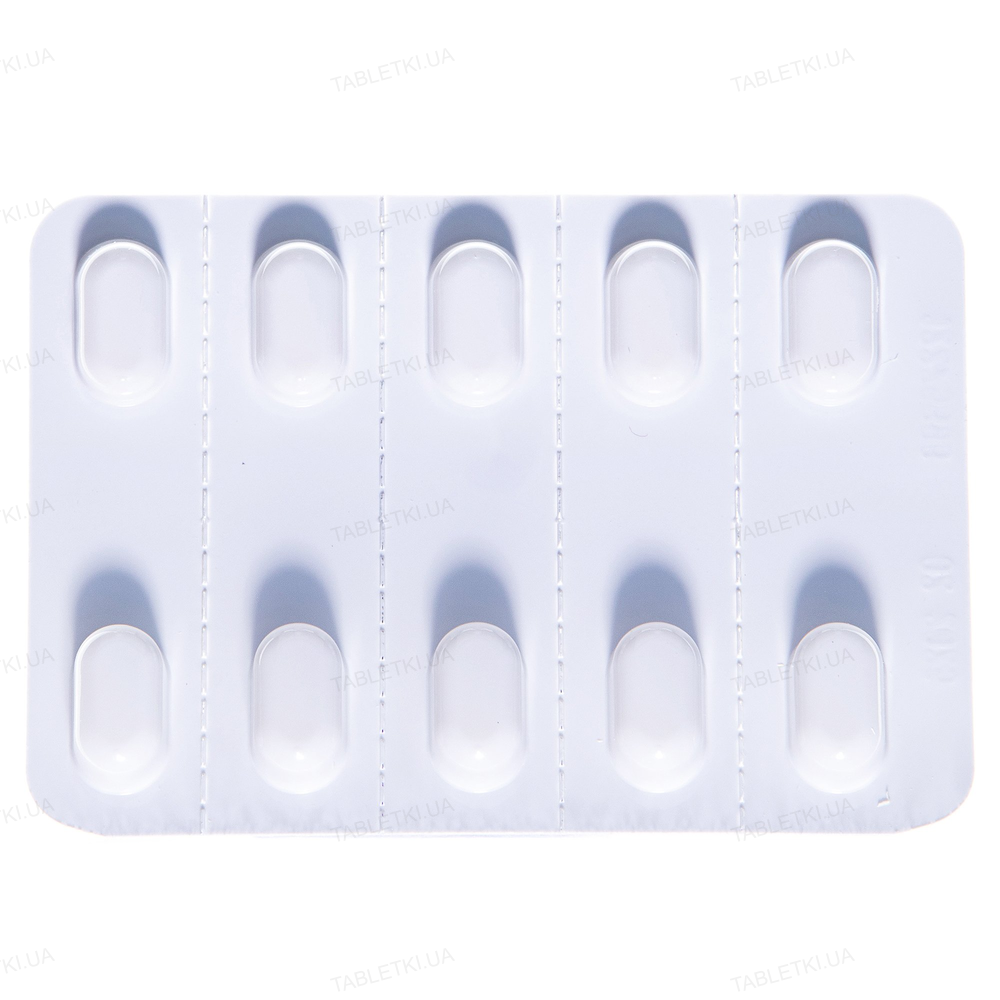
Main physical and chemical properties: oblong film-coated tablets, white to yellowish in color, with “L04” imprinted on the 4 mg tablets and “L08” on the 8 mg tablets.
Pharmacotherapeutic group
Nonsteroidal anti-inflammatory and antirheumatic agents. Oxicams. ATC code M01A C05.
Pharmacological Properties
Pharmacodynamics.
Lornoxicam is a nonsteroidal anti-inflammatory drug (NSAID) with analgesic and anti-inflammatory properties and belongs to the oxicam class. The mechanism of action of lornoxicam is primarily associated with the inhibition of prostaglandin synthesis (inhibition of the cyclooxygenase enzyme), which leads to the desensitization of peripheral nociceptors and the inhibition of inflammation. A central effect on nociceptors, unrelated to the anti-inflammatory action, is also postulated. Lornoxicam does not affect vital signs (such as body temperature, respiratory rate, heart rate, blood pressure, ECG, and spirometry).
The analgesic properties of lornoxicam were successfully demonstrated in several clinical studies during the drug’s development.
Due to local irritation of the gastrointestinal tract and systemic ulcerogenic effects associated with the inhibition of prostaglandin (PG) synthesis, the use of lornoxicam, like other NSAIDs, often leads to the development of gastrointestinal complications.
Pharmacokinetics.
Absorption. Lornoxicam is rapidly and almost completely absorbed from the gastrointestinal tract. Maximum plasma concentration (Cmax) is reached 1–2 hours after administration. The absolute bioavailability of lornoxicam is 90–100%. No first-pass effect was observed. When lornoxicam is taken with food, Cmax decreases by approximately 30% and Tmax increases from 1.5 hours to 2.3 hours. The absorption of lornoxicam (calculated based on the area under the pharmacokinetic “concentration-time” curve (AUC)) may be reduced by up to 20%.
Distribution. In blood plasma, lornoxicam is present in its unchanged form and in the inactive form of its hydroxylated metabolite. The plasma protein binding of lornoxicam is 99% and is independent of its concentration. It is also detected in synovial fluid following repeated administration.
Biotransformation. Lornoxicam is actively metabolized in the liver by hydroxylation, primarily to the inactive 5-hydroxylornoxicam. Lornoxicam is biotransformed via cytochrome CYP2C9. Due to genetic polymorphism, some individuals have slow or rapid metabolism of this enzyme, which may result in a marked increase in lornoxicam levels in blood plasma in individuals with slow metabolism. The hydroxylated metabolite has no pharmacological activity. Lornoxicam is completely metabolized. Approximately two-thirds is excreted via the liver and one-third via the kidneys as an inactive compound.
In animal studies, lornoxicam did not induce liver enzymes. Clinical studies have not shown any accumulation of lornoxicam following repeated administration of the recommended doses, a finding confirmed by data from safety and efficacy monitoring during 1-year studies.
Elimination. The half-life of the parent compound is 3–4 hours. After oral administration, approximately 50% is excreted in the feces and 42% via the kidneys, primarily as 5-hydroxylornoksicam. The half-life of 5-hydroxylornocicam is approximately 9 hours following parenteral administration of the drug once or twice daily. There is no evidence that the rate of elimination changes with repeated doses.
In elderly patients (over 65 years of age), clearance is reduced by 30–40%. Aside from the reduction in clearance, there are no significant changes in the kinetic profile of lornoxicam in elderly patients.
There is no significant change in the pharmacokinetic profile of lornoxicam in patients with renal or hepatic impairment, with the exception of accumulation in patients with chronic liver disease after 7 days of therapy with daily doses of 12 mg and 16 mg.
Indications
- Short-term symptomatic treatment of mild to moderate acute pain in adults.
- Symptomatic treatment of pain and inflammation associated with osteoarthritis in adults.
- Symptomatic treatment of pain and inflammation associated with rheumatoid arthritis in adults.
Contraindications
- Hypersensitivity to lornoxicam or to any component of the medication;
- Thrombocytopenia;
- Hypersensitivity (symptoms similar to those seen in asthma, rhinitis, angioedema, or hives) to other NSAIDs, including acetylsalicylic acid;
- severe heart failure;
- gastrointestinal bleeding, cerebrovascular bleeding, or other types of bleeding;
- history of gastrointestinal bleeding or perforation associated with prior NSAID therapy;
- active recurrent gastric peptic ulcer/bleeding or a history of recurrent gastric peptic ulcer/bleeding (two or more separate episodes of confirmed ulcer formation or bleeding);
- severe hepatic insufficiency;
- severe renal insufficiency (serum creatinine level > 700 μmol/L);
- third trimester of pregnancy (see the section “Use During Pregnancy or Breastfeeding”).
Drug Interactions and Other Interactions
When used concomitantly with lornoxicam:
- Cimetidine: increased plasma concentrations of lornoxicam, which may increase the risk of adverse effects of lornoxicam (no interactions between lornoxicam and ranitidine or between lornoxicam and antacids have been observed).
- Anticoagulants: NSAIDs may potentiate the effects of anticoagulants, such as warfarin (see the “Special Considerations for Use” section). The international normalized ratio (INR) should be closely monitored.
- Fenprocoumon: The efficacy of fenprocoumon therapy is reduced.
- Heparin: Nonsteroidal anti-inflammatory drugs increase the risk of bleeding and the occurrence of spinal/epidural hematomas when used concomitantly with heparin during spinal or epidural anesthesia (see the “Special Considerations for Use” section).
- ACE inhibitors: The effect of ACE inhibitors may be reduced.
- Diuretics: reduced diuretic and antihypertensive effects of loop, thiazide, and potassium-sparing diuretics (increased risk of hyperkalemia and nephrotoxicity).
- Beta-adrenergic receptor blockers: reduced antihypertensive effect.
- Angiotensin II receptor blockers: reduced antihypertensive effect.
- Digoxin: decreased renal clearance of digoxin, which increases the risk of digoxin toxicity.
- Corticosteroids: increased risk of gastrointestinal ulcers or bleeding (see the “Special Considerations” section).
- Quinolone antibiotics (e.g., levofloxacin, ofloxacin): increased risk of seizures.
- Antiplatelet agents (e.g., clopidogrel): increased risk of bleeding (see the “Special Considerations for Use” section).
- Other NSAIDs: increased risk of gastrointestinal bleeding or ulcers.
- Methotrexate: Increased serum concentrations of methotrexate, leading to increased toxicity. Close monitoring is required during concomitant use.
- Selective serotonin reuptake inhibitors (SSRIs): increased risk of bleeding (see the “Special Considerations for Use” section).
- Lithium preparations: NSAIDs reduce the renal clearance of lithium; consequently, serum lithium concentrations may exceed the toxicity threshold. Serum lithium levels must be monitored, especially at the start of treatment, during dose adjustments, and upon discontinuation of treatment.
- Cyclosporine: Increased serum cyclosporine concentrations. Increased nephrotoxicity of cyclosporine is possible, due to effects mediated by renal prostaglandins. Renal function should be monitored during combination therapy.
- Sulfonylurea derivatives (e.g., glibenclamide): increased risk of hypoglycemia.
- Known inducers and inhibitors of CYP2C9 isoenzymes: lornoxicam (like other NSAIDs that depend on cytochrome P450 2C9 (CYP2C9 isoenzyme)) interacts with known inducers and inhibitors of CYP2C9 isoenzymes (see the “Biotransformation” section).
- Tacrolimus: increased risk of nephrotoxicity due to reduced prostacyclin synthesis in the kidneys. Renal function should be monitored during combination therapy (see the “Special Considerations for Use” section).
- Pemetrexed: NSAIDs may reduce the renal clearance of pemetrexed, thereby increasing renal and gastrointestinal toxicity and myelosuppression.
Since food intake slows the absorption of lornoxicam, Xefocam® tablets should not be taken with food if a rapid onset of effective action (pain relief) is required.
Food intake reduces absorption by approximately 20% and increases Tmax (see the section “Pharmacological Properties. Pharmacokinetics”).
Special Considerations for Use
Lornoxicam reduces platelet aggregation and prolongs bleeding time. Therefore, caution should be exercised when prescribing to patients with an increased tendency to bleed.
Lornoxicam should be prescribed only after careful evaluation of the expected benefit of therapy and the potential risk in the following patients:
- Patients with impaired renal function: lornoxicam should be used with caution in patients with mild (serum creatinine level 150–300 μmol/L) and moderate renal insufficiency (serum creatinine level 300–700 μmol/L) due to the important role of prostaglandins in maintaining renal blood flow (see the “Dosage and Administration” section). If renal function deteriorates, treatment with lornoxicam should be discontinued.
- In patients who have undergone major surgery, with heart failure, or those taking diuretics or agents that may cause kidney damage, should have their kidney function carefully monitored (see the “Drug Interactions and Other Interactions” section).
- For patients with coagulation disorders, careful clinical monitoring and evaluation of laboratory parameters (e.g., activated partial thromboplastin time) are recommended.
- For patients with hepatic insufficiency (e.g., liver cirrhosis), regular laboratory testing is recommended following administration of a dose of 12–16 mg per day due to the potential for lornoxicam to accumulate in the body (increased AUC) (see the section “Pharmacological Properties. Pharmacokinetics”). However, no differences in pharmacokinetic parameters have been observed in patients with hepatic insufficiency compared with healthy volunteers.
- During long-term treatment (more than 3 months) with NSAIDs, it is recommended to continuously monitor renal and hepatic function, as well as hematological parameters.
- Monitoring of renal and hepatic function is recommended in elderly patients (65 years of age and older). Use with caution following surgical procedures.
Concomitant use of NSAIDs.
Concomitant use of lornoxicam with other NSAIDs, including selective cyclooxygenase-2 inhibitors, should be avoided (see the section “Interactions with Other Medications and Other Types of Interactions”).
Minimizing Adverse Reactions.
Adverse reactions can be minimized by taking the lowest effective dose of the drug for the shortest period necessary to control the symptoms of the disease (see the “Dosage and Administration” section and the gastrointestinal and cardiovascular risks listed below).
Gastrointestinal bleeding, ulcers, and perforations.
While taking any NSAID, gastrointestinal bleeding, ulcers, or perforations may occur at any time during treatment, which may be fatal.
The risk of gastrointestinal bleeding, ulcers, or perforation increases with higher doses of NSAIDs in patients with a history of ulcers, especially those complicated by bleeding or perforation (see the “Contraindications” section), as well as in elderly patients. Treatment with this drug should be initiated with particular caution in these patient groups, starting with the lowest therapeutic doses (see the “Dosage and Administration” section).
NSAIDs should be used with caution in the treatment of the aforementioned patient groups and in patients who are concurrently taking low doses of acetylsalicylic acid or other medications that increase the risk of gastrointestinal complications (see the “Drug Interactions and Other Interactions” section). For patients requiring such concomitant therapy, treatment may be administered concurrently with protective agents (e.g., misoprostol or proton pump inhibitors). Clinical monitoring at regular intervals is recommended.
Patients with a history of gastrointestinal toxicity, especially the elderly, should report any unusual abdominal symptoms (particularly gastrointestinal bleeding) during the initial stages of treatment.
This medication should be prescribed with particular caution to patients who are concurrently taking medications that may increase the risk of ulcers or bleeding, such as oral corticosteroids, anticoagulants (warfarin), selective serotonin reuptake inhibitors, or antiplatelet agents (acetylsalicylic acid) (see the section “Interactions with Other Medications and Other Types of Interactions”).
If gastrointestinal bleeding or ulcers occur in patients taking lornoxicam, treatment must be discontinued.
NSAIDs should be used with caution in patients with a history of gastrointestinal diseases (ulcerative colitis, Crohn’s disease), as their condition may worsen.
Elderly patients.
In elderly patients, the incidence of adverse reactions during NSAID use increases, particularly gastrointestinal bleeding and perforation, which may be fatal (see the “Contraindications” section).
Cardiovascular and cerebrovascular effects.
Patients with a history of hypertension and/or mild to moderate congestive heart failure should be monitored, as NSAID therapy may be associated with fluid retention and edema.
Clinical studies and epidemiological data suggest that the use of certain NSAIDs, particularly long-term therapy and high doses, may be associated with an increased risk of arterial thrombotic events (such as myocardial infarction or stroke). There is insufficient data to rule out such a risk with lornoxicam.
In patients with uncontrolled hypertension, chronic heart failure, ischemic heart disease, peripheral arterial disease, and/or cerebrovascular disorders, lornoxicam should be prescribed only after careful evaluation of the indications. An assessment is also required before prescribing long-term treatment to patients with risk factors for cardiovascular disease (e.g., hypertension, hyperlipidemia, diabetes mellitus, smoking).
Concomitant treatment with NSAIDs and heparin increases the risk of spinal/epidural hematoma during spinal or epidural anesthesia (see the section “Interactions with Other Medications and Other Types of Interactions”).
Skin disorders.
Very rarely, severe skin reactions occur with NSAID use, including exfoliative dermatitis, Stevens-Johnson syndrome, and toxic epidermal necrolysis; some of these may be fatal (see the “Adverse Reactions” section). The risk of developing such reactions is highest at the start of treatment: in most cases, these reactions occur within the first month of taking the drug. Lornoxicam should be discontinued at the first signs of a skin rash, mucosal lesions, or other manifestations of hypersensitivity.
Respiratory disorders.
Use with caution in patients with bronchial asthma or a history of this condition, as it has been reported that NSAIDs may induce bronchospasm in such patients.
Systemic lupus erythematosus and mixed connective tissue disease.
Use with caution in patients with systemic lupus erythematosus and mixed connective tissue disease; the risk of aseptic meningitis may be increased.
Nephrotoxicity.
Concomitant treatment with NSAIDs and tacrolimus may increase the risk of nephrotoxicity due to reduced prostacyclin synthesis in the kidneys. During such combination therapy, renal function must be carefully monitored (see the section “Interactions with Other Medications and Other Types of Interactions”).
Laboratory Abnormalities.
Like other NSAIDs, lornoxicam may cause episodic elevations in transaminases and serum bilirubin, as well as increased blood concentrations of urea and creatinine and other laboratory abnormalities. If laboratory abnormalities are significant and persist for a long time, treatment should be discontinued and the necessary investigations conducted.
Lactose.
This medication contains lactose. Patients with rare hereditary galactose intolerance, total lactase deficiency, or glucose-galactose malabsorption should not take this medication.
Fertility.
Lornoxicam, like other drugs that inhibit cyclooxygenase/prostaglandin synthesis, may impair fertility; therefore, it is not recommended for women trying to conceive. Women who have difficulty conceiving or are undergoing evaluation for infertility should discontinue lornoxicam (see the section “Use During Pregnancy or Breastfeeding”).
Chickenpox.
In rare cases, severe infectious lesions of the skin and soft tissues may develop in patients with chickenpox. To date, the potential for NSAIDs to worsen the course of such infectious lesions cannot be ruled out. It is recommended to avoid using lornoxicam in patients with active chickenpox.
Use During Pregnancy or Breastfeeding
Pregnancy. Lornoxicam is contraindicated during the third trimester of pregnancy (see the “Contraindications” section). There are no clinical data on the use of lornoxicam during the first and second trimesters of pregnancy or during labor; therefore, the drug is not recommended for use during this period.
There are insufficient data on the use of lornoxicam in pregnant women. Animal studies have shown reproductive toxicity.
Inhibition of prostaglandin synthesis may adversely affect pregnancy and/or the development of the embryo/fetus. Data from epidemiological studies indicate an increased risk of pregnancy loss, as well as the development of heart defects, when prostaglandin synthesis inhibitors are used in early pregnancy. The risk increases with higher doses and longer duration of therapy. In animals, the use of prostaglandin synthesis inhibitors leads to an increase in pre- and post-implantation fetal loss and embryo-fetal mortality. Prostaglandin synthesis inhibitors should not be used during the first and second trimesters of pregnancy. Use is permitted only when absolutely necessary.
During the third trimester of pregnancy, the use of any prostaglandin synthesis inhibitors may have the following effects on the fetus:
- cardiopulmonary toxicity (premature closure of the ductus arteriosus and pulmonary hypertension);
- impaired renal function, which may progress to renal failure with the development of oligohydramnios.
The pregnant woman and the fetus may be subject to the following effects late in pregnancy as a result of the use of prostaglandin synthesis inhibitors:
- possible prolongation of bleeding;
- inhibition of uterine contractility, which may lead to delayed labor or prolonged labor.
Therefore, the use of lornoxicam is contraindicated during the third trimester of pregnancy (see the “Contraindications” section).
Breastfeeding. There are no data on the excretion of lornoxicam into human breast milk. Relatively high concentrations of lornoxicam are excreted into the milk of lactating rats. Lornoxicam should not be used during breastfeeding.
Fertility.
The use of lornoxicam, like any drug that inhibits cyclooxygenase or prostaglandin synthesis, may impair fertility and is not recommended for women trying to conceive. For women who have difficulty conceiving or who are undergoing infertility evaluation, discontinuation of lornoxicam should be considered.
Effect on reaction time when driving or operating machinery
If dizziness and/or drowsiness occur as a result of taking lornoxicam, do not drive or operate machinery.
Dosage and Administration
For all patients, the appropriate dosing regimen should be based on the individual response to treatment. Adverse effects can be minimized by using the lowest effective dose of the drug for the shortest period of time necessary to control symptoms (see the “Special Considerations” section).
Pain
A dose of 8–16 mg of lornoxicam per day, divided into 2–3 doses. The maximum recommended daily dose is 16 mg.
Osteoarthritis and Rheumatoid Arthritis
The recommended initial daily dose is 12 mg of lornoxicam, divided into 2–3 doses.
The maintenance dose should not exceed 16 mg per day.
Xefokam® film-coated tablets should be taken with a sufficient amount of water.
Elderly patients (over 65 years of age) without impaired liver or kidney function do not require a dose adjustment, but lornoxicam should be used with caution, as gastrointestinal side effects are less well tolerated by this patient population.
Renal impairment. For patients with mild to moderate renal impairment, the maximum recommended daily dose is 12 mg, divided into 2–3 doses. Lornoxicam is contraindicated in patients with severe renal impairment (see the “Contraindications” section).
Hepatic insufficiency. For patients with moderate hepatic insufficiency, the maximum recommended daily dose is 12 mg, divided into 2–3 doses (see the “Special Considerations for Use” section). Lornoxicam is contraindicated in patients with severe hepatic impairment (see the “Contraindications” section).
Children
Lornoxicam is not recommended for use in children under 18 years of age due to insufficient data on the drug’s efficacy and safety.
Overdose
Currently, there are no data on overdose that would allow for determining its consequences or recommending specific treatment. However, the following symptoms are expected to occur following an overdose of lornoxicam: nausea, vomiting, and neurological symptoms (dizziness, visual disturbances). In severe cases, ataxia (with the development of coma and seizures), liver and kidney damage may occur; blood clotting disorders are a potential risk.
In the event of an actual or suspected overdose, discontinue use of the drug. Due to its short half-life, lornoxicam is rapidly eliminated from the body. It is not removed by dialysis. Currently, there is no specific antidote. Standard emergency measures should be implemented. Based on general principles, only the administration of activated charcoal—provided it is taken immediately after a lornoxicam overdose—may reduce the drug’s absorption. To treat gastrointestinal disturbances, a prostaglandin analog or ranitidine, for example, may be used.
Side Effects
The most common adverse reactions to NSAIDs have been associated with the gastrointestinal tract. When taking NSAIDs, peptic ulcers, perforation, or gastrointestinal bleeding may occur, which can sometimes be fatal, especially in the elderly (see the “Special Considerations for Use” section). Nausea, vomiting, diarrhea, flatulence, constipation, dyspepsia, abdominal pain, melena, hematemesis, ulcerative stomatitis, and exacerbations of colitis and Crohn’s disease have been reported during treatment with NSAIDs. Gastritis has been observed less frequently.
It is estimated that approximately 20% of patients treated with lornoxicam may experience adverse effects. The most common side effects are nausea, dyspepsia, indigestion, abdominal pain, vomiting, and diarrhea. These symptoms were generally observed in less than 10% of patients who participated in the study.
Edema, hypertension, and heart failure have been reported with NSAID therapy.
Clinical studies and epidemiological data indicate that the use of certain NSAIDs, especially at high doses and with long-term use, may be associated with an increased risk of arterial thrombotic events, such as myocardial infarction or stroke (see the “Special Precautions for Use” section).
Serious infectious complications involving the skin and soft tissues have been reported exclusively during the course of chickenpox.
Adverse effects are classified by frequency of occurrence into the following categories: very common (> 1/10); common (> 1/100, < 1/10); uncommon (> 1/1,000, < 1/100); rare (> 1/10,000, < 1/1,000); very rare (< 1/10,000), unknown (frequency cannot be estimated from the available data).
Infections and infestations.
Rare: pharyngitis.
Blood and lymphatic system disorders.
Rare: anemia, thrombocytopenia, leukopenia, prolonged bleeding time.
Very rare: ecchymosis. NSAIDs may cause potentially severe hematologic disorders specific to this class of drugs, such as neutropenia, agranulocytosis, aplastic anemia, and hemolytic anemia.
Immune system disorders.
Rare: hypersensitivity, including anaphylactoid reactions and anaphylaxis.
Metabolic disorders.
Uncommon: loss of appetite, changes in body weight.
Psychiatric disorders.
Uncommon: insomnia, depression.
Rare: confusion, nervousness, agitation.
Nervous system disorders.
Common: mild and transient headache, dizziness.
Rare: drowsiness, paresthesia, taste disturbances (dysgeusia), tremor, migraine.
Very rare: aseptic meningitis in patients with systemic lupus erythematosus (SLE) and mixed connective tissue disease (see the “Special Considerations for Use” section).
Ocular disorders.
Common: conjunctivitis.
Rare: visual disturbances.
Ear and balance disorders.
Uncommon: vertigo, tinnitus.
Cardiovascular system.
Uncommon: palpitations, tachycardia, edema, heart failure, facial flushing (see the “Special Considerations for Use” section).
Rare: hypertension, hot flashes, hemorrhages, hematomas.
Respiratory system.
Uncommon: rhinitis.
Rare: dyspnea, cough, bronchospasm.
Gastrointestinal system.
Common: nausea, abdominal pain, dyspepsia, diarrhea, vomiting.
Uncommon: constipation, flatulence, belching, dry mouth, gastritis, gastric ulcer, upper abdominal pain, duodenal ulcer, oral mucosal ulcers.
Rare: melena, vomiting blood, stomatitis, esophagitis, gastroesophageal reflux, dysphagia, aphthous stomatitis, glossitis, peptic ulcer perforation, gastrointestinal bleeding.
Liver and biliary tract disorders.
Uncommon: elevated liver enzyme levels (ALT, AST).
Very rare: toxic effects on the liver, which may result in the development of liver failure, hepatitis, jaundice, or cholestasis.
Skin and subcutaneous tissue disorders.
Uncommon: rash, itching, increased sweating, erythematous rash, hives, angioedema, alopecia.
Rare: dermatitis, eczema, purpura.
Very rare: edema and bullous reactions such as erythema multiforme, Stevens-Johnson syndrome, toxic epidermal necrolysis.
Musculoskeletal and connective tissue disorders.
Uncommon: arthralgia.
Rare: bone pain, muscle spasms, myalgia.
Renal and urinary tract disorders.
Rare: nocturia, urinary dysfunction, elevated blood levels of urea nitrogen and creatinine.
Very rare: lornoxicam may cause acute renal failure in patients with kidney diseases that depend on renal prostaglandins and play an important role in maintaining renal blood flow (see the “Special Considerations” section). Nephrotoxicity in various forms, including nephritis and nephrotic syndrome, is an effect specific to NSAIDs.
General disorders.
Uncommon: malaise, facial edema.
Rare: asthenia.
Shelf life
3 years.
Storage conditions
Store in the original packaging at a temperature not exceeding 30 °C. Keep out of reach of children!
Packaging
10 tablets per blister pack. 1 blister pack per cardboard box.
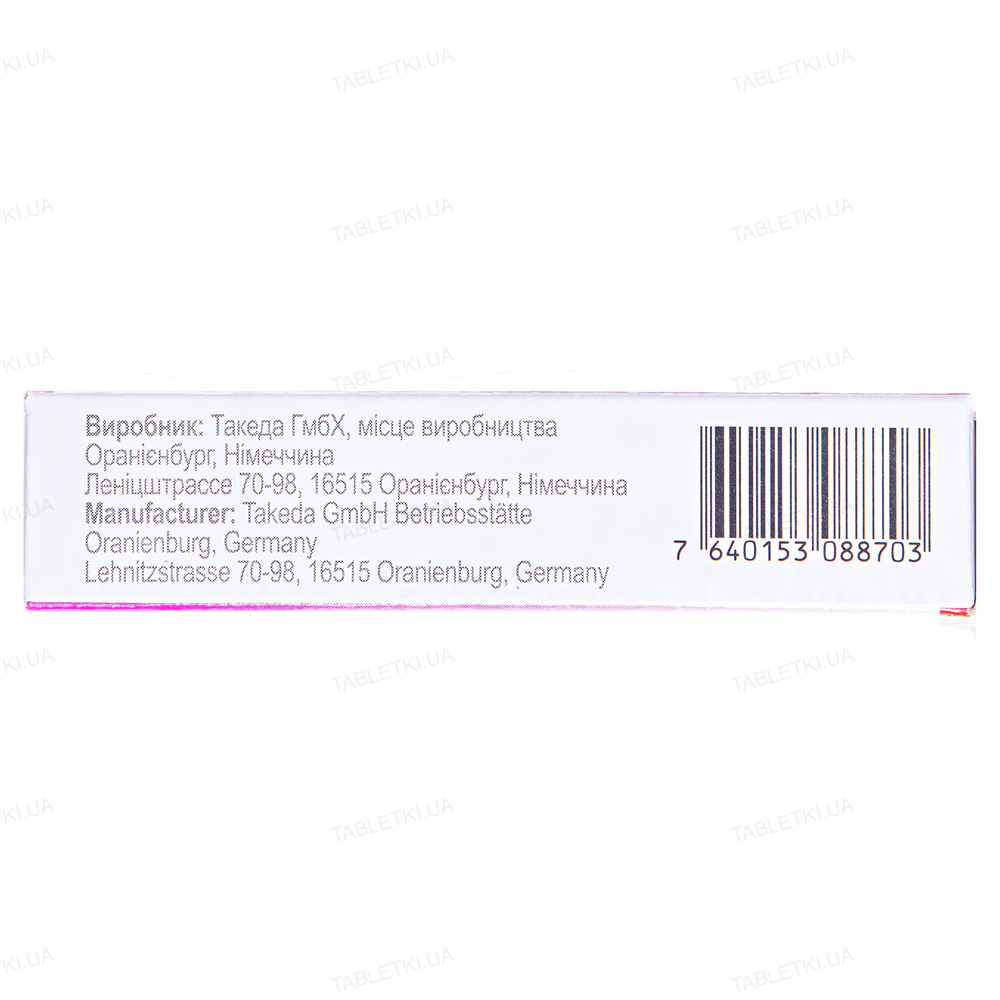
Manufacturer
Takeda GmbH, Oranienburg production site, Germany.
Address
Lehnitzstrasse 70-98, 16515 Oranienburg, Germany.