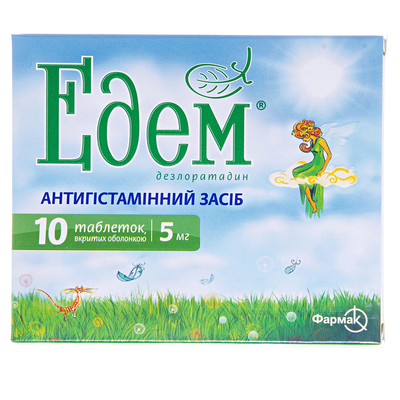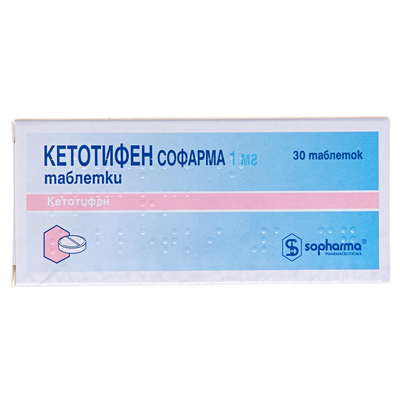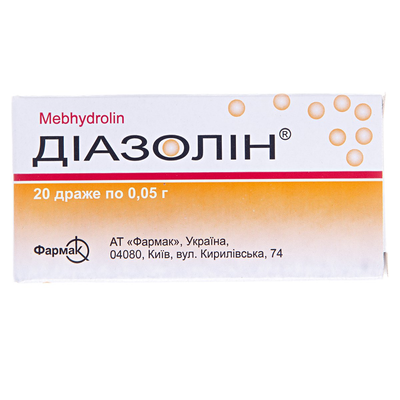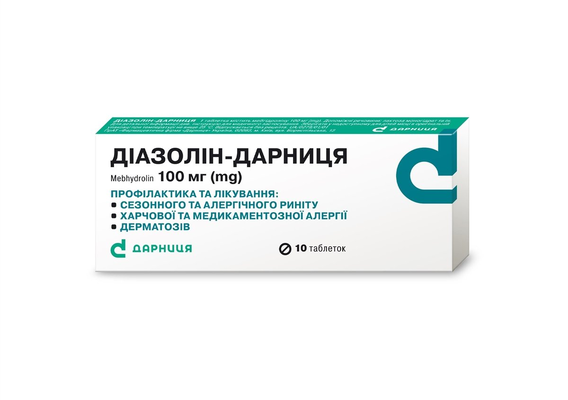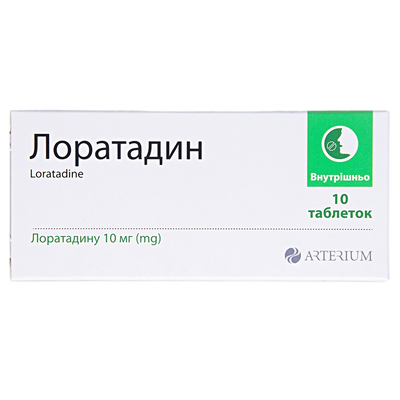
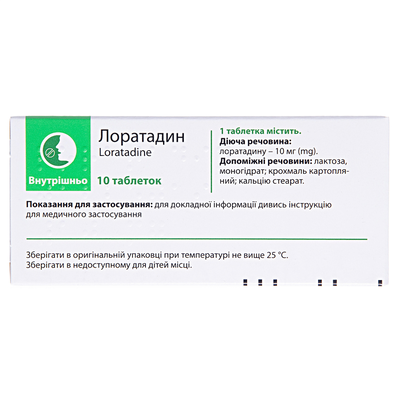
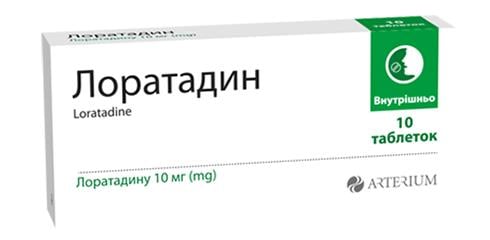
Loratadine 10 mg tablets, No. 10
Ingredients
Active ingredient: loratadine;
1 tablet contains 10 mg of loratadine;
Inactive ingredients: lactose monohydrate; potato starch; calcium stearate.
Dosage Form
Tablets.
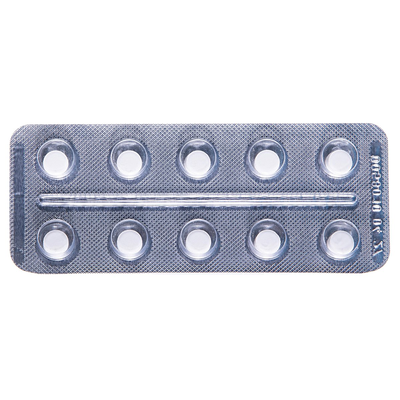
Main physical and chemical properties: white or almost white, round tablets with a flat surface and a beveled edge.
Pharmacotherapeutic group
Antihistamines for systemic use.
ATC code R06A X13.
Pharmacological properties
Pharmacodynamics.
Loratadine is a tricyclic selective blocker of peripheral H1-histamine receptors. When used at the recommended dose, it does not produce clinically significant sedative or anticholinergic effects. During long-term treatment, no clinically significant changes were observed in vital signs, laboratory tests, physical examination findings, or the electrocardiogram. Loratadine has no significant effect on H2-histamine receptor activity. It does not block norepinephrine reuptake and has virtually no effect on the cardiovascular system or on pacemaker activity.
Studies involving histamine skin tests following a single 10-mg dose showed that the antihistamine effect begins within 1–3 hours, peaks after 8–12 hours, and lasts for more than 24 hours. No development of tolerance to the drug was observed after 28 days of loratadine use.
Clinical Efficacy and Safety.
More than 10,000 people (aged 12 years and older) received treatment with loratadine (10 mg tablets) in controlled clinical trials. Loratadine (tablets) at a dose of 10 mg once daily was more effective than placebo and equally effective as clemastine in improving symptoms (nasal and non-nasal) of allergic rhinitis. In these studies, drowsiness occurred less frequently with loratadine than with clemastine, and at approximately the same frequency as with terfenadine and placebo.
Among the participants in these studies (aged 12 years and older), 1,000 patients with chronic idiopathic urticaria were enrolled in placebo-controlled trials. Loratadine 10 mg once daily was more effective than placebo in the treatment of chronic idiopathic urticaria, as evidenced by a reduction in itching, erythema, and allergic rash. In these studies, the incidence of drowsiness was similar with loratadine and placebo.
Children.
Approximately 200 children (aged 6 to 12 years) with seasonal allergic rhinitis received loratadine (syrup) at doses up to 10 mg once daily in controlled clinical trials. In another study, 60 children (aged 2 to 5 years) received loratadine (syrup) at a dose of 5 mg once daily. No unexpected adverse reactions were observed.
Efficacy in children was similar to that in adults.
Pharmacokinetics.
Absorption. Loratadine is rapidly and well absorbed. Administration with food may slightly delay the absorption of loratadine; however, this does not affect the clinical effect. The bioavailability of loratadine and its active metabolite is dose-proportional.
Distribution. Loratadine is highly bound (97% to 99%) to plasma proteins, while its active metabolite is moderately bound (73% to 76%).
In healthy volunteers, the half-life of loratadine and its active metabolite in plasma is approximately 1 and 2 hours, respectively.
Biotransformation. After oral administration, loratadine is rapidly and well absorbed and is extensively metabolized during first-pass metabolism in the liver, primarily by CYP3A4 and CYP2D6. The major metabolite, desloratadine, is pharmacologically active and is largely responsible for the clinical effect. Loratadine and desloratadine reach maximum plasma concentrations (Tmax) 1–1.5 hours and 1.5–3.7 hours, respectively, after administration.
Elimination. Approximately 40% of the dose is excreted in the urine and 42% in the feces over 10 days, mainly in the form of conjugated metabolites. Approximately 27% of the dose is excreted in the urine within the first 24 hours. Less than 1% of the active ingredient is excreted in its unchanged active form—as loratadine or desloratadine.
In healthy adult volunteers, the mean half-life of loratadine was 8.4 hours (range 3 to 20 hours), and that of the major active metabolite was 28 hours (range 8.8 to 92 hours).
Renal impairment. In patients with chronic renal impairment, the AUC and maximum plasma concentration (Cmax) of loratadine and its active metabolite were increased compared with those in patients with normal renal function. The mean half-life of loratadine and its active metabolite did not differ significantly from that in healthy individuals. In patients with chronic hepatic impairment, hemodialysis does not affect the pharmacokinetics of loratadine and its active metabolite.
Liver dysfunction. In patients with chronic alcoholic liver disease, the AUC and Cmax values for loratadine were twice as high, while those for its active metabolite did not change significantly compared to patients with normal liver function. The half-life of loratadine and its active metabolite is 24 and 37 hours, respectively, and increases depending on the severity of liver disease.
Elderly patients. The pharmacokinetic parameters of loratadine and its active metabolite were similar in healthy adult volunteers and healthy elderly volunteers.
Indications
Symptomatic treatment of allergic rhinitis and chronic idiopathic urticaria.
Contraindications
Loratadine is contraindicated in patients with hypersensitivity to the active ingredient or to any other component of the drug.
Drug Interactions and Other Interactions
When used concomitantly with alcohol, the effects of the drug are not potentiated, as confirmed by studies of psychomotor function.
Potential interactions may occur with all known CYP3A4 or CYP2D6 inhibitors, leading to increased loratadine levels, which, in turn, may result in an increased incidence of adverse reactions.
Increased plasma concentrations of loratadine have been reported following concomitant use with ketoconazole, erythromycin, and cimetidine; however, these were not accompanied by clinically significant changes (including on the ECG).
Children. Drug interaction studies have been conducted only in adult patients.
Special Considerations for Use
Loratadine should be used with caution in patients with severe hepatic impairment.
This medication contains lactose. For this reason, patients with rare hereditary disorders such as galactose intolerance, Lapp lactase deficiency, and glucose-galactose malabsorption should not take this medication.
Treatment with loratadine must be discontinued at least 48 hours before skin testing, as antihistamines may neutralize or otherwise attenuate a positive reaction when determining the skin reactivity index.
Use during pregnancy or breastfeeding.
Pregnancy. There is very little data on the use of loratadine in pregnant women. Animal studies have not revealed any direct or indirect adverse effects related to reproductive toxicity. As a precaution, it is advisable to avoid using Loratadine during pregnancy.
Breastfeeding. There is evidence that loratadine and its metabolites are excreted in breast milk. Since a risk to the infant cannot be ruled out, loratadine should not be used while breastfeeding.
Fertility. There are no data on the drug’s effect on female or male fertility.
Effect on the ability to drive or operate machinery.
Loratadine has no or negligible effect on the ability to drive or operate machinery. However, patients should be advised that drowsiness has been reported very rarely, which may affect the ability to drive or operate machinery.
Dosage and Administration
Method of Administration.
Oral administration. The tablets may be taken with or without food.
Dosage.
Adults and children 12 years of age and older should take 1 tablet (10 mg of loratadine) once daily.
For children aged 2 to 12 years, the dosage depends on body weight. For body weight over 30 kg: 10 mg (1 tablet) once daily. For children weighing less than 30 kg, use the syrup form of the medication.
Elderly patients.
No dosage adjustment is required for elderly patients.
Patients with hepatic impairment.
Patients with severe hepatic impairment should be prescribed a lower initial dose, as loratadine clearance may be reduced in these patients. For adults and children weighing more than 30 kg, the recommended starting dose is 10 mg every other day.
Patients with renal impairment.
No dose adjustment is necessary for patients with renal impairment.
Children. The efficacy and safety of the drug in children under 2 years of age have not been established.
The tablet form of the drug should be prescribed for patients weighing more than 30 kg.
Overdose
An overdose of loratadine increases the incidence of anticholinergic symptoms. Drowsiness, tachycardia, and headache have been reported in cases of overdose. In the event of an overdose, symptomatic and supportive treatment is recommended for as long as necessary. Activated charcoal in the form of an aqueous suspension may be administered. Gastric lavage may also be performed. Loratadine is not removed from the body during hemodialysis; the effectiveness of peritoneal dialysis in removing the drug is unknown. After receiving emergency care, the patient should remain under medical supervision.
Side Effects
Brief Safety Profile. In clinical studies involving adults and adolescents, when loratadine was administered at the recommended dose of 10 mg per day for indications including allergic rhinitis and chronic idiopathic urticaria, adverse reactions were reported in 2% of patients. The most common adverse reactions reported were: drowsiness (1.2%), headache (0.6%), increased appetite (0.5%), and insomnia (0.1%). In clinical studies in children aged 2 to 12 years, the following adverse events were observed: headache (2.7%), nervousness (2.3%), or increased fatigue (1%).
List of Adverse Reactions. Adverse reactions reported during the postmarketing period are listed below by organ system. Frequency is defined as: very common (≥1/10), common (≥1/100 to <1/10), uncommon (≥1/1,000 to <1/100), rare (≥1/10,000 to <1/1,000), very rare (<1/10,000), and unknown (cannot be estimated from the available data).
Within each frequency group, adverse reactions are listed in order of decreasing incidence.
Immune system disorders: very rare—anaphylaxis, including angioedema.
Nervous system disorders: very rare—dizziness, convulsions.
Cardiac disorders: very rare—tachycardia, palpitations.
Gastrointestinal system: very rare—nausea, dry mouth, gastritis.
Hepatobiliary system: very rare—abnormal liver function.
Skin and subcutaneous tissue disorders: very rare—rash, alopecia.
General disorders and administration-related conditions: very rare—increased fatigue.
Shelf life
5 years.
Storage conditions
Store in the original packaging at a temperature not exceeding 25 °C.
Packaging
10 tablets per blister pack, 1 blister pack per package.
Dispensing Category
Available without a prescription.
Manufacturer
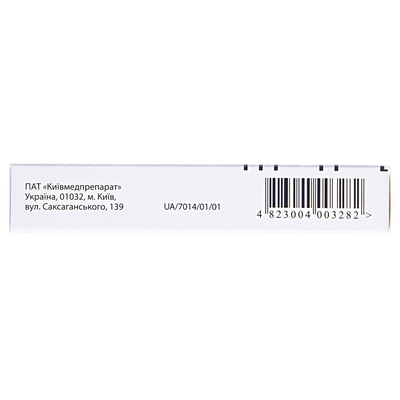
Kyivmedpreparat PJSC.