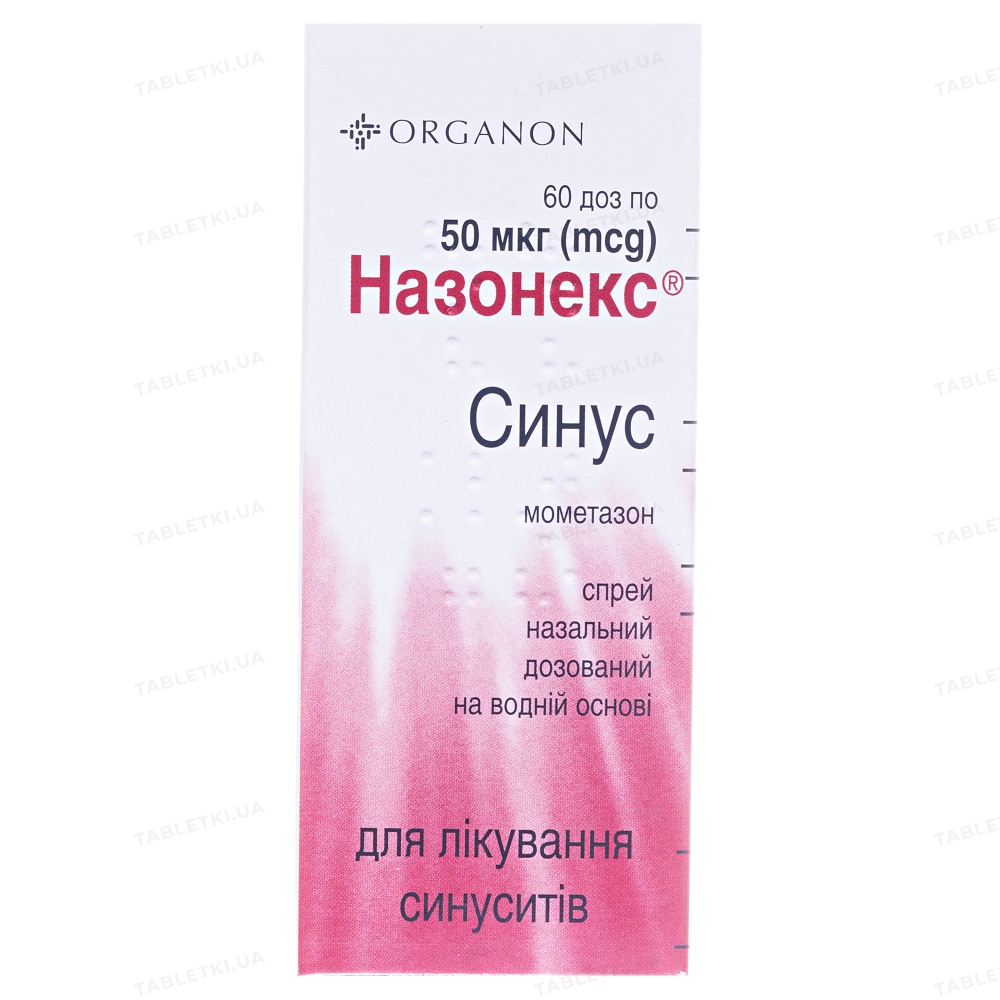
Nasonex Sinus Nasal Spray, 50 mcg per dose, 60 doses (10 g) per bottle.
Composition
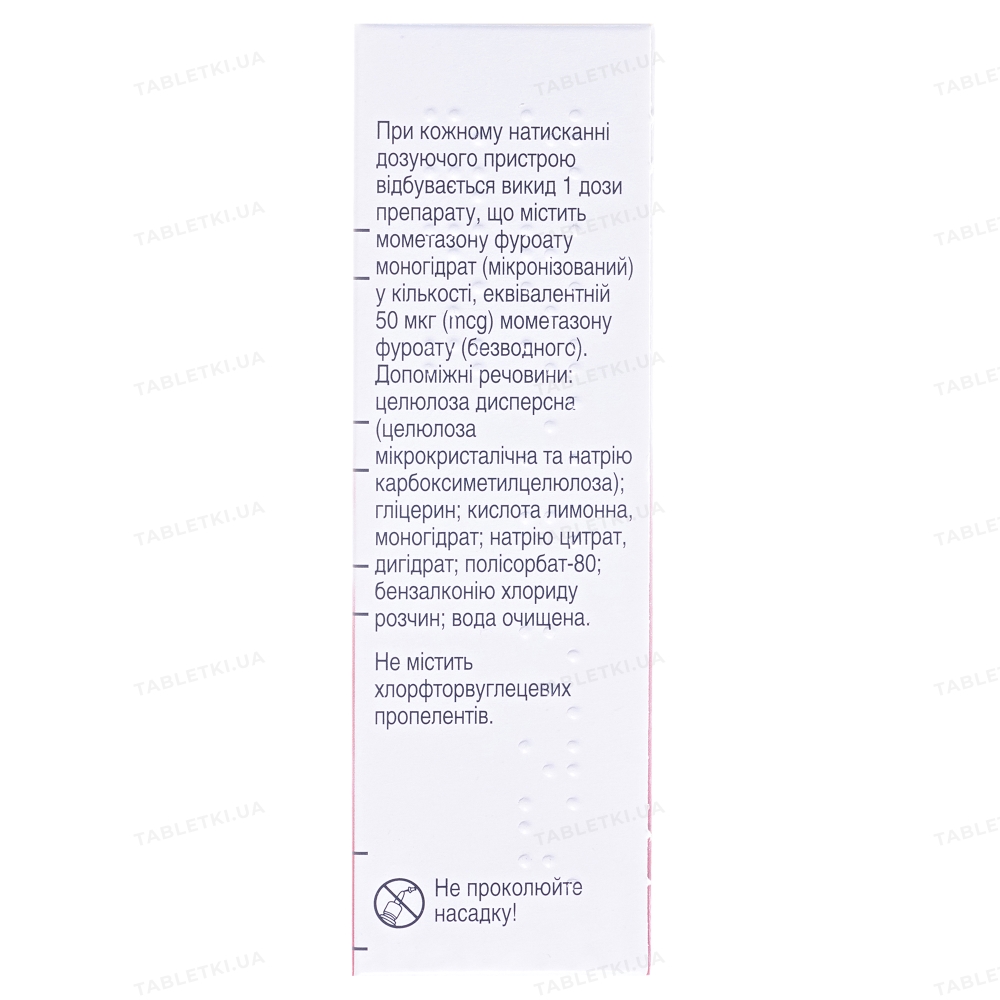
Active ingredient: 1 spray dose contains mometasone furoate monohydrate (micronized) in an amount equivalent to 50 μg of mometasone furoate (anhydrous);
Excipients: dispersed cellulose (microcrystalline cellulose and sodium carboxymethylcellulose); glycerin; citric acid monohydrate; sodium citrate dihydrate; polysorbate 80; benzalkonium chloride solution; purified water.
Dosage Form
Metered-dose nasal spray.
Main physical and chemical properties: white or nearly white, opaque suspension.
Pharmacological group
Decongestants and other drugs for topical use in diseases of the nasal cavity. Corticosteroids. ATX code R01A D09.
Pharmacological properties
Pharmacodynamics.
Mometasone furoate is a synthetic corticosteroid for topical use that exerts a pronounced anti-inflammatory effect. The local anti-inflammatory effect of mometasone furoate is observed at doses that do not cause systemic effects.
The mechanism of the anti-inflammatory and antiallergic effects of mometasone furoate is primarily associated with its ability to inhibit the release of mediators of allergic reactions. Mometasone furoate significantly reduces the synthesis and release of leukotrienes from leukocytes in patients with allergic diseases. In cell culture, mometasone furoate demonstrated 10 times greater activity than other steroids, including beclomethasone dipropionate, betamethasone, hydrocortisone, and dexamethasone, in suppressing the synthesis and release of IL-1, IL-5, IL-6, and TNF-α. It is also a potent inhibitor of the production of Th2 cytokines, IL-4, and IL-5 from human CD4+ T cells. Mometasone furoate is also 6 times more potent than beclomethasone dipropionate and betamethasone in inhibiting IL-5 production.
In studies involving provocation tests with the application of antigens to the nasal mucosa, the aqueous nasal spray Nasonex® Sinus demonstrated high anti-inflammatory activity in both the early and late phases of the allergic reaction. This was confirmed by a reduction (compared to placebo) in histamine levels and eosinophil activity, as well as a decrease (compared to baseline) in the number of eosinophils, neutrophils, and epithelial cell adhesion proteins.
A marked clinical effect within the first 12 hours of using Nasonex® Sinus aqueous nasal spray was achieved in 28% of patients with seasonal allergic rhinitis. On average (50%), relief occurred within 35.9 hours. In addition, Nasonex® Sinus demonstrated significant efficacy in reducing symptoms of ocular irritation (redness, tearing, itching) in patients with seasonal allergic rhinitis.
In clinical studies involving patients with nasal polyps, Nasonex® Sinus demonstrated significant clinical efficacy in relieving nasal congestion, reducing polyp size, and restoring the sense of smell compared to placebo.
In clinical studies involving patients aged 12 years and older, Nasonex® Sinus at a dose of 200 mcg twice daily demonstrated high efficacy in alleviating the symptoms of rhinosinusitis compared with placebo. Over the course of 15 days of treatment, rhinosinusitis symptoms were assessed using the Major Symptom Score (MSS) (facial pain, pressure in the sinuses, tenderness on palpation, pain in the sinus area, rhinorrhea, and postnasal drip). The efficacy of amoxicillin 500 mg three times daily did not differ significantly from placebo in terms of symptom relief for rhinosinusitis as measured by the MSS. During the follow-up period after completion of treatment, the number of relapses in the Nasonex® Sinus group was low and comparable to that in the amoxicillin and placebo groups. The duration of treatment for acute rhinosinusitis lasting more than 15 days was not evaluated.
Pharmacokinetics.
The bioavailability of mometasone furoate when administered as a nasal spray is <1% in plasma (based on data obtained using a sensitive method, the lower limit of quantification is 0.25 pg/mL). Mometasone furoate suspension is very poorly absorbed from the gastrointestinal tract, and the small amount that may be swallowed and absorbed undergoes active first-pass metabolism before being excreted primarily as metabolites in bile and, to a lesser extent, in urine.
Indications
- Treatment of seasonal or perennial allergic rhinitis in adults and children aged 2 years and older. Prophylactic treatment of moderate-to-severe allergic rhinitis is recommended to begin 4 weeks before the expected start of the pollen season.
- As an adjunctive therapy during antibiotic treatment of acute episodes of sinusitis in adults (including the elderly) and children 12 years of age and older.
- Treatment of symptoms of acute rhinosinusitis without signs of severe bacterial infection in adults and children 12 years of age and older.
- Treatment of nasal polyps and associated symptoms, including nasal congestion and loss of smell, in patients 18 years of age and older.
Contraindications
Hypersensitivity to the active ingredient or to any of the excipients in the medication.
Drug Interactions and Other Interactions
Concomitant therapy with CYP3A inhibitors, including medications containing cobicistat, is expected to increase the risk of systemic side effects. Concomitant use should be avoided unless the benefit outweighs the increased risk of systemic corticosteroid side effects; in such cases, patients should be monitored for systemic corticosteroid side effects.
In a clinical study, Nasonex® Sinus was administered concomitantly with a non-sedating oral antihistamine (loratadine). The pharmacokinetic parameters and safety profile remained unchanged for both drugs.
Special Instructions for Use
This medication should not be used in the presence of an untreated local infection involving the nasal mucosa.
Because corticosteroids can inhibit wound healing, patients who have recently undergone nasal surgery or who have sustained nasal trauma should not use a nasal corticosteroid until the wound has healed.
Nazonex® Sinus should be used with caution or not at all in patients with active or latent tuberculosis of the respiratory tract, as well as in cases of untreated fungal, bacterial, or systemic viral infections, or herpes simplex infections affecting the eyes.
As with any long-term treatment, patients using the medication for several months or longer should undergo periodic examinations to detect possible changes in the nasal mucosa. In clinical studies, no signs of nasal mucosal atrophy were observed after 12 months of treatment with Nasonex® Sinus; furthermore, mometasone furoate contributed to the normalization of the histological appearance of the nasal mucosa.
If a localized fungal infection of the nose or throat develops, it may be necessary to discontinue treatment with the drug or to initiate appropriate therapy. Persistent irritation of the nasal and pharyngeal mucosa may also be an indication for discontinuing treatment with the drug.
There is no evidence of suppression of the hypothalamic-pituitary-adrenal axis during long-term treatment with Nasonex® Sinus. However, it is possible that long-term use of nasal corticosteroids (including Nasonex® Sinus) may affect adrenal cortex function and cause hypercortisolism in corticosteroid-sensitive patients and under certain circumstances. Patients who switch to Nazonex® Sinus after prolonged therapy with systemic corticosteroids should be closely monitored, as they may develop adrenal insufficiency.
The safety and efficacy of Nasonex® Sinus in the treatment of unilateral polyps, polyps associated with cystic fibrosis, or polyps obstructing the nasal cavity have not been studied.
Unilateral polyps, which are unusual and rare, especially if they are accompanied by ulcers or bleeding, should be investigated further.
Patients using corticosteroids may have potentially reduced immune response and should be warned of an increased risk of infection upon contact with patients with infectious diseases (e.g., chickenpox, measles), as well as the need to consult a doctor if such contact has occurred.
The safety and efficacy of Nasonex® Sinus in the treatment of nasal polyps in children and adolescents under 18 years of age have not been studied.
When switching from systemic corticosteroid therapy to treatment with Nasonex® Sinus, some patients may experience corticosteroid withdrawal symptoms alongside relief of nasal symptoms. Such patients must be specifically reassured of the benefits of continuing treatment with Nasonex® Sinus.
A change in therapy may also reveal pre-existing allergic conditions that were masked by systemic corticosteroid therapy.
High doses or long-term use of glucocorticosteroids may lead to systemic effects, such as growth suppression in children. The long-term effects of intranasal/inhaled steroids in children are not fully understood. As a general rule, a doctor should monitor the growth of a child who is receiving long-term treatment with glucocorticosteroids. In a study of 49 children who received Nasonex® Sinus at a dose of 100 mcg per day for one year, no growth retardation was observed.
Cases of increased intraocular pressure have been reported following the use of intranasal corticosteroids.
Vision problems may occur with the use of systemic and topical corticosteroids (including intranasal, inhaled, and intraocular administration). If symptoms such as blurred vision or other vision problems occur, the patient should be examined by an ophthalmologist to assess possible causes of visual disturbances, which may include cataracts, glaucoma, or rare conditions such as central serous chorioretinopathy, which have been reported following the use of systemic and topical corticosteroids
Acute rhinosinusitis: Patients should be advised to seek immediate medical attention if signs or symptoms of a severe bacterial infection occur, such as fever, severe unilateral facial pain, or toothache, orbital or periorbital swelling/edema, or worsening of symptoms.
The safety and efficacy of Nasonex® Sinus in treating symptoms of rhinosinusitis in children under 12 years of age have not been studied.
Use during pregnancy or breastfeeding.
Systemic (subcutaneous) corticosteroids have been shown to have teratogenic effects in animals. No clinical studies have been conducted in pregnant or breastfeeding women.
Corticosteroid medications should not be used by pregnant or breastfeeding women unless absolutely necessary.
Effect on reaction time when operating motor vehicles or other machinery.
Unknown.
Dosage and Administration
Before using a new vial, it should be calibrated. Calibration is performed by pressing the dispenser approximately 10 times, which establishes a consistent delivery of the medication, with each press releasing approximately 100 mg of suspension containing 50 mcg of mometasone (one dose). If the nasal spray has not been used for 14 days or longer, before subsequent use, it is necessary to perform a recalibration by pressing the dispenser twice until a full dose is dispensed. Do not pierce the nozzle before use.
Shake the bottle vigorously before each use.
If the nozzle becomes clogged, remove the plastic cap by gently pressing on the white ring, carefully remove the nozzle, rinse it under warm running water, dry it, and reattach it. Do not attempt to clear the nozzle with a needle or other sharp object, as this will damage the dispenser.
Regular cleaning of the nozzle is very important.
Before each use, thoroughly clear your nose of mucus.
Treatment of seasonal or perennial allergic rhinitis: for adults (including the elderly) and children aged 12 years and older, the recommended prophylactic and therapeutic dose is 2 sprays (50 mcg each) into each nostril once daily (total daily dose). Once a therapeutic effect has been achieved, it is advisable to reduce the dose to 1 spray in each nostril once daily (total daily dose: 100 μg) for maintenance therapy.
If the symptoms do not improve with the recommended therapeutic dose, the daily dose may be increased to the maximum: 4 sprays in each nostril once daily (total daily dose: 400 mcg). Once symptoms have subsided, a dose reduction is recommended.
The medication has demonstrated clinically significant onset of action within 12 hours after the first use in some patients with seasonal allergic rhinitis. However, the full benefit of treatment cannot be achieved within the first 48 hours; therefore, the patient must continue regular use to achieve the full therapeutic effect.
For children aged 2–11 years, the recommended therapeutic dose is 1 spray (50 mcg) in each nostril once daily (total daily dose: 100 mcg).
Adjunctive treatment of acute episodes of sinusitis. For adults (including the elderly) and children 12 years of age and older, the recommended therapeutic dose is 2 sprays (50 mcg each) in each nostril twice daily (total daily dose—400 mcg).
If symptom relief cannot be achieved with the recommended therapeutic dose, the daily dose may be increased to 4 sprays in each nostril twice daily (total daily dose: 800 mcg). Once symptoms have improved, a dose reduction is recommended.
Acute rhinosinusitis. For adults and children 12 years of age and older, the recommended therapeutic dose is 2 sprays (50 mcg each) in each nostril twice daily (total daily dose: 400 mcg).
Nasal polyps. For patients aged 18 years and older (including the elderly), the recommended dose is 2 sprays (50 mcg each) in each nostril twice daily (total daily dose: 400 mcg). Once a clinical response is achieved, it is recommended to reduce the dose to 2 sprays in each nostril once daily (total daily dose: 200 mcg).
Children.
In placebo-controlled clinical trials in children who received Nasonex® Sinus at a daily dose of 100 μg for one year, no growth retardation was observed.
The safety and efficacy of Nasonex® Sinus in the treatment of nasal polyps in children and adolescents under 18 years of age, symptoms of rhinosinusitis in children under 12 years of age, or seasonal or perennial allergic rhinitis in children under 2 years of age have not been studied.
Overdose
It is unlikely that an overdose would require treatment other than observation.
Inhalation or oral administration of excessive doses of corticosteroids may lead to suppression of the hypothalamic-pituitary-adrenal axis.
Side Effects
Treatment-related adverse reactions associated with Nasonex® Sinus that were observed in clinical studies in patients with allergic rhinitis are listed in Table 1.
| Table 1: Treatment-related adverse reactions with Nasonex® Sinus in patients with allergic rhinitis: very common (≥ 1/10), common (≥ 1/100, < 1/10), uncommon (≥ 1/1,000, < 1/100), rare (≥ 1/10,000, < 1/1,000), very rare (< 1/10,000) | |
| Respiratory, thoracic, and mediastinal disorders: | |
| Common: | Nosebleeds, pharyngitis, burning sensation in the nose, nasal irritation, nasal ulcers |
| General disorders and administration site conditions | |
| Common: | Headache |
Nosebleeds resolved spontaneously and were mild; they occurred slightly more frequently than with placebo (5%), but less frequently than with other intranasal corticosteroids that were studied and used as active controls (in some of these, the incidence of nosebleeds was up to 15%). The incidence of other adverse events was comparable to that observed with placebo.
In children, the incidence of adverse events was comparable to that seen with placebo, for example, nosebleeds (6%), headache (3%), nasal irritation (2%), and sneezing (2%),
In patients with nasal polyps, the overall number of adverse events was comparable to that observed with placebo and similar to the number observed in patients with allergic rhinitis.
Adverse reactions associated with treatment with Nasonex® Sinus observed in clinical trials in more than 1% of patients are shown in Table 2.
| Table 2: Treatment-related adverse reactions with Nasonex® Sinus in patients with nasal polyps: very common (≥ 1/10), common (≥ 1/100, < 1/10), uncommon (≥ 1/1,000, < 1/100), rare (≥ 1/10,000, < 1/1,000), very rare (< 1/10,000) | |||
| 200 mcg once daily | 200 μg twice daily | ||
| Respiratory system, thoracic organs, and mediastinum: | |||
| Upper respiratory tract | |||
| Infections | Common | uncommon | |
| Nosebleeds | frequently | very common | |
| Gastrointestinal | |||
| Throat irritation | - | frequently | |
| General disorders and administration site conditions | |||
| Headache | frequently | Common | |
Hypersensitivity reactions, including bronchospasm and dyspnea, may occasionally occur following intranasal administration of mometasone furoate. Anaphylactic reactions, angioedema, or disturbances of smell and taste have been reported very rarely.
In patients with acute rhinosinusitis, the overall incidence of adverse events was comparable to that observed with placebo and similar to the incidence observed in patients with other indications. Treatment-related adverse reactions observed in clinical trials in more than 2% of patients are listed in Table 3.
| Table 3: Treatment-related adverse reactions with Nasonex® Sinus in patients with acute rhinosinusitis: very common (≥ 1/10), common (≥ 1/100, < 1/10), uncommon (≥ 1/1,000, < 1/100), rare (≥ 1/10,000, < 1/1,000), very rare (< 1/10,000) | |||
| 200 mcg once daily | 200 μg twice daily | ||
| Respiratory system, thoracic organs, and mediastinum: | |||
| Upper respiratory tract | |||
| Nosebleeds | frequent | frequent | |
| Gastrointestinal disorders | |||
| Abdominal pain | frequently | frequent | |
| Diarrhea | frequently | frequently | |
| Nausea | frequently | Common | |
| General disorders and administration site conditions | |||
| Headache | frequent | Common | |
A common adverse reaction, epistaxis, occurred with approximately the same frequency in the placebo group (2.6%) and the Nasonex® Sinus group (2.9% and 3.7%, respectively).
Systemic effects of nasal corticosteroids may occur, especially with high doses over a prolonged period.
Cases of glaucoma/increased intraocular pressure have been reported with the use of intranasal corticosteroids.
Blurred vision has been reported.
Shelf life
3 years.
Storage conditions
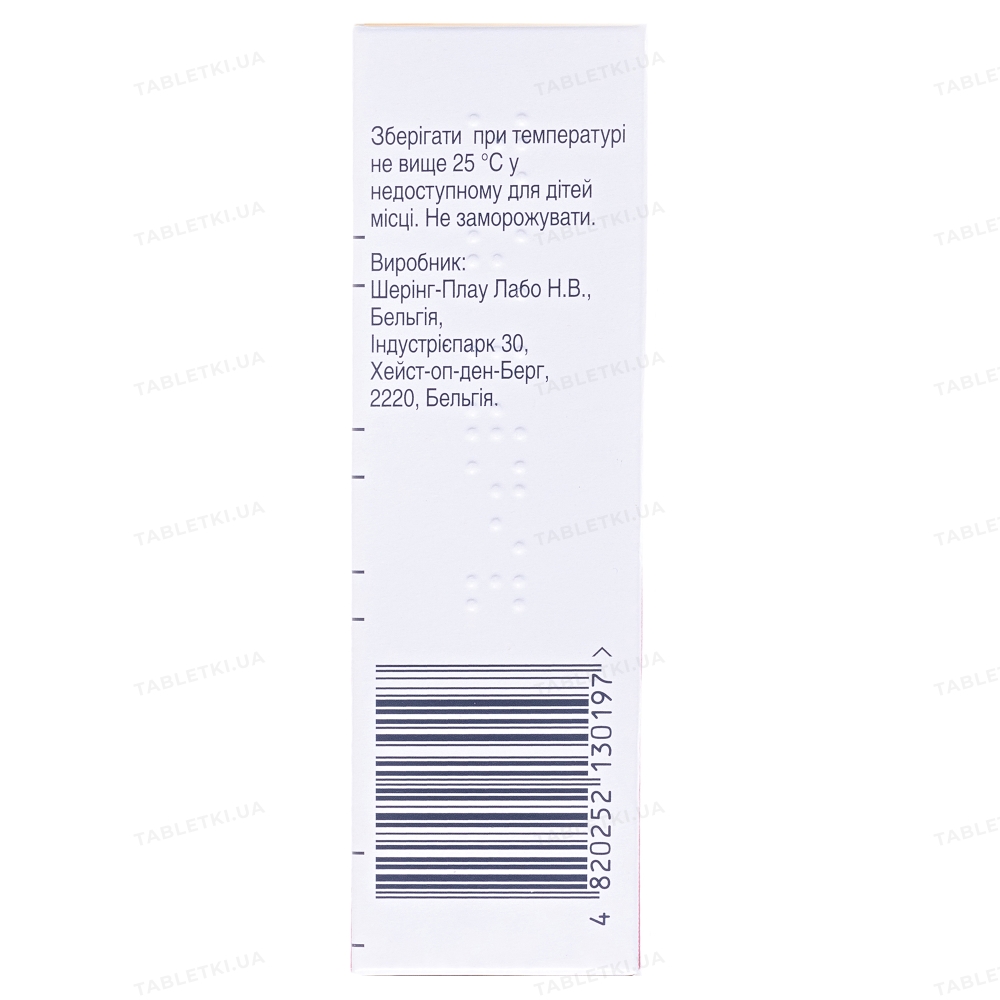
Store at a temperature not exceeding 25°C in a place inaccessible to children. Do not freeze.
Packaging
10 g (60 doses) of suspension in a polyethylene bottle with a metered-dose spray pump, closed with a cap. One bottle per cardboard box.
Manufacturer
Organon Heist bv, Belgium.
Manufacturer’s location and business address.
Industriepark 30, 2220, Heist-op-den-Berg, Belgium.