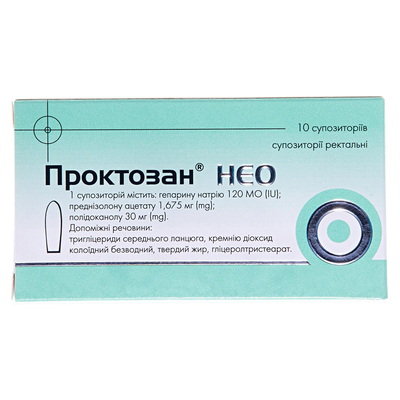
Proctosan Neo Rectal Suppositories, No. 10 (5 x 2)
Composition
Active ingredients: sodium heparin, prednisolone acetate, polidocanol;
1 suppository contains: 120 IU of sodium heparin; 1.675 mg of prednisolone acetate; 30 mg of polidocanol;
Excipients: medium-chain triglycerides, anhydrous colloidal silicon dioxide, hard fat, glycerol tristearate.
Dosage Form
Rectal suppositories.
Main physical and chemical properties: white, conical-shaped suppositories.
Pharmacotherapeutic group
Agents for the treatment of hemorrhoids and anal fissures for topical use. ATC code C05A X03.
Pharmacological properties
Pharmacodynamics. Proctosan® NEO provides effective treatment of the characteristic symptoms and consequences of hemorrhoids. The drug rapidly alleviates inflammation in the anorectal region, as well as associated sensations such as itching, burning, tingling, pain, and a sensation of moisture.
Proctozan® NEO, thanks to pure heparin, prevents thrombus formation in the hemorrhoidal plexuses.
Prednisolone has anti-inflammatory and anti-allergic effects.
Polidocanol has a local anesthetic effect and relieves itching.
Pharmacokinetics. After topical application, heparin is detected in the bloodstream at relatively low concentrations, which do not result in systemic effects. In the blood, it binds to plasma proteins (95%). It is metabolized in the liver (partially by the enzyme hepatic heparinase) and in the reticuloendothelial system. It is excreted by the kidneys. Between 20% and 50% of the drug is excreted in the urine in its unchanged form. The half-life is dose-dependent (it increases with higher doses).
Prednisolone is present in the drug and is absorbed in small amounts, which are insufficient to produce systemic effects.
Polidocanol has an exclusively local effect.
Indications
For the symptomatic treatment of hemorrhoids and itching in the perianal area for a short period of time.
Contraindications
Hypersensitivity to any of the drug’s components; infections in the perianal area; tendency to bleed; specific skin lesions (e.g., syphilis); genital herpes; other viral infections; secondary skin infections in the absence of appropriate antibiotic therapy; first trimester of pregnancy; tuberculous lesions of the anorectal region.
Interactions with Other Medications and Other Types of Interactions
No interaction studies have been conducted.
CYP3A4 inhibitors, such as erythromycin, clarithromycin, ketoconazole, diltiazem, aprepitant, itraconazole, oleandomycin, and cobicistat increase the elimination and plasma levels of prednisolone, thereby enhancing both the therapeutic effects and the side effects of the active ingredient prednisolone.
Proctosan® NEO is not recommended for use in combination with other medications for rectal administration.
Special Considerations for Use
If skin irritation or allergic reactions occur, use of the medication should be discontinued immediately and appropriate symptomatic treatment initiated. To avoid local or systemic toxicity, the medication should not be used for prolonged periods.
Following the use of systemic corticosteroids, cases of pheochromocytoma crisis have been reported, which may be fatal. This medication should be prescribed to patients with suspected or confirmed chromocytoma only after an appropriate “risk/benefit” assessment.
Visual disturbances have been reported with both systemic and topical use of corticosteroids. If symptoms such as blurred vision or other visual disturbances occur, consider referring the patient to an ophthalmologist to identify possible causes, which may include cataracts, glaucoma, or a rare condition such as central serous chorioretinopathy, which have been reported following the use of systemic and topical corticosteroids. Central serous chorioretinopathy may lead to retinal detachment.
Use the drug with particular caution in the presence of glucocorticoid-induced suppression of the hypothalamic-pituitary axis.
Due to the presence of prednisolone in its composition, prolonged use of Proctozan® NEO should be avoided because it may cause dryness and microcracks in the anal canal; it should also be avoided in cases of infectious skin diseases of the perianal area and during pregnancy.
Use during pregnancy or breastfeeding. The drug is contraindicated during the first trimester of pregnancy. Caution is advised when using it during the later stages of pregnancy (second and third trimesters).
It is best not to use this medication while breastfeeding. Corticosteroids pass into breast milk. Thus, corticosteroids may affect the function of the newborn’s adrenal cortex and cause growth disturbances.
Effect on reaction time when driving or operating machinery. Proctozan® NEO rectal suppositories do not affect reaction time when driving or operating machinery.
Directions for Use and Dosage
For topical use only.
Insert one suppository into the rectum once daily after a bowel movement. In cases of severe symptoms, one suppository may be administered 2–3 times daily, but only during the first 24 hours of treatment.
The duration of therapy should not exceed 7 days. If there is no improvement, the causes of the symptoms should be investigated.
Children. There is no clinical experience with the use of this medication in children.
Overdose
Since the drug is administered topically and is present in the systemic circulation at relatively low concentrations, no toxic effects are expected.
With prolonged use of the drug in high doses, symptoms of hypercortisolism may occur.
Symptoms: headache, heart failure, hives, rash, severe itching.
Treatment: symptomatic. Discontinue use of the drug and consult a doctor.
In severe cases, emergency medical care is required.
If cutaneous atrophoderma occurs due to overdose following topical application of the drug, treatment should be discontinued. Symptoms typically resolve within 10–14 days.
Side Effects
The drug is generally well tolerated; hypersensitivity reactions and local skin irritation may occur only in rare cases (there is a slight possibility of allergic reactions to polidocanol).
Topical treatment with corticosteroids may cause local adverse effects, such as dermatitis, folliculitis (at the application site), acne-like rashes (steroid acne), and contact dermatitis; dryness, thinning, and fragility of the skin; erythema, rash, urticaria, hirsutism, hyperhidrosis, intertrigo, itching, skin atrophy, hypopigmentation, skin irritation, stretch marks, telangiectasia, a burning sensation on the skin, purpura, and delayed healing of fissures.
With prolonged topical use, suppression of adrenal cortex function, hypercortisolism, growth retardation, steroid myopathy, osteonecrosis, osteoporosis (as a result of prednisolone’s resorptive effect), blurred vision, and chorioretinopathy.
Shelf life
3 years.
Storage conditions
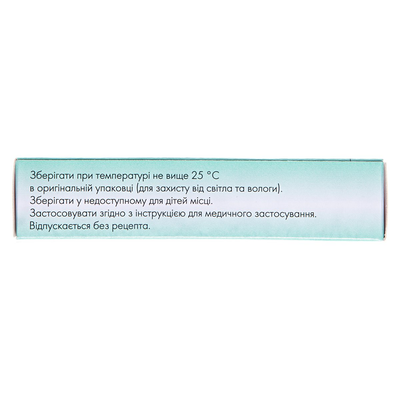
Store at a temperature not exceeding 25 °C in the original packaging (to protect from light and moisture). Keep out of reach of children.
Packaging
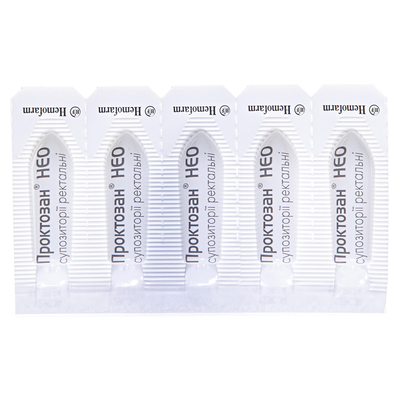
5 suppositories per blister pack; 2 blister packs per cardboard box.
Dispensing Category
Available without a prescription.
Manufacturer
“Hemofarm” AD.