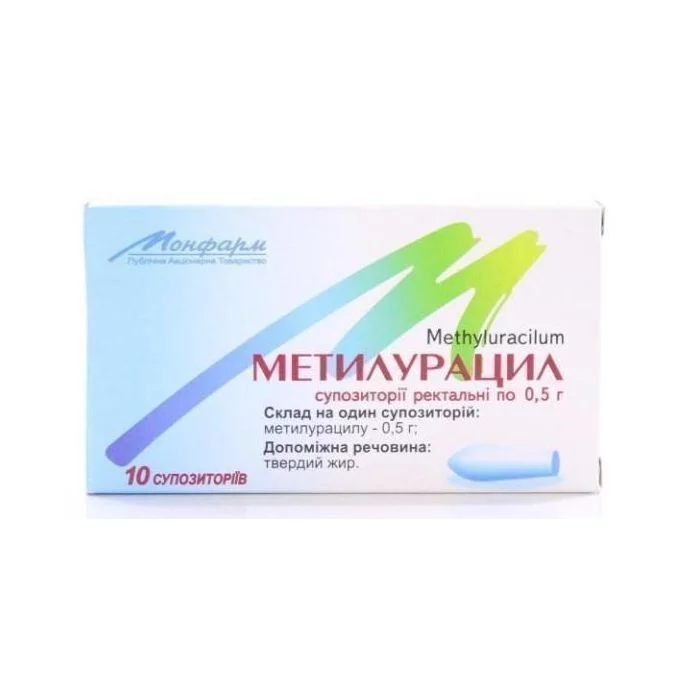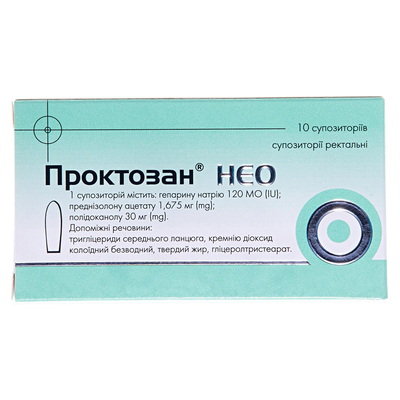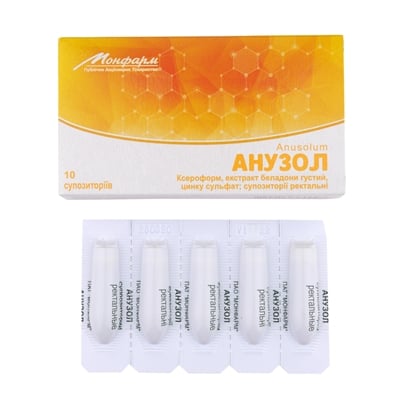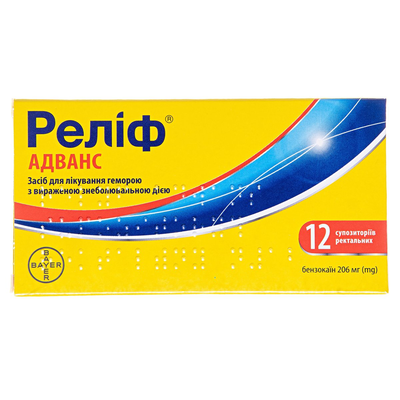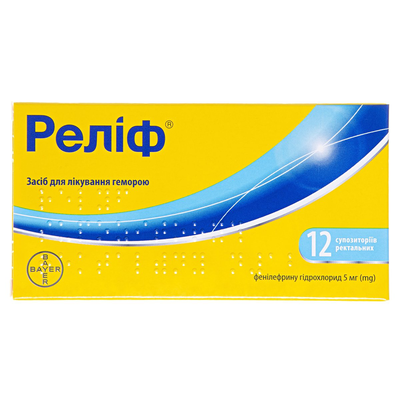
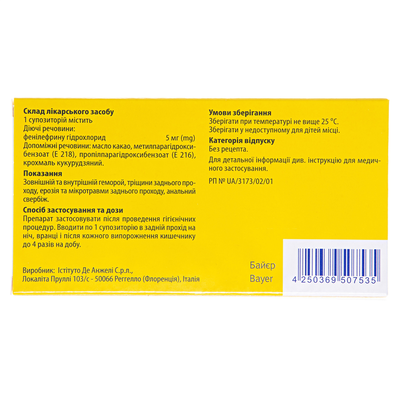
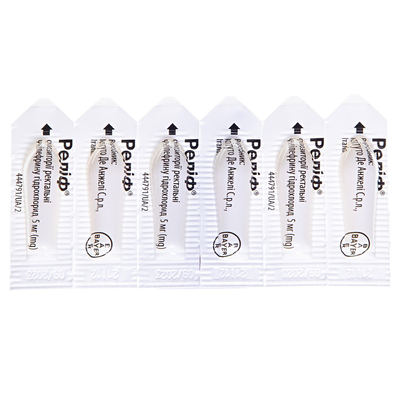
Relief Rectal Suppositories, 5 mg, No. 12 (6 x 2)
Ingredients
Active ingredient: phenylephrine hydrochloride;
1 suppository contains 5 mg of phenylephrine hydrochloride;
excipients: cocoa butter, methyl parahydroxybenzoate (E 218), propyl parahydroxybenzoate (E 216), cornstarch.
Dosage Form
Rectal suppositories.
Main physical and chemical properties: homogeneous, opaque suppositories ranging in color from pale white to light yellow, torpedo-shaped.
Pharmacotherapeutic group
Agents for the treatment of hemorrhoids and anal fissures for topical use.
ATC code C05A X.
Pharmacological properties
Pharmacodynamics.
Phenylephrine hydrochloride is an adrenomimetic whose use produces a local vasoconstrictive effect. This normalizes the balance between blood inflow to and outflow from hemorrhoidal nodes and helps reduce exudation, swelling, itching, and serous discharge in hemorrhoids and other diseases of the anorectal region.
Pharmacokinetics.
Phenylephrine, a component of the Relief® medication, is inactivated by tissue monoamine oxidase; inactive metabolites are excreted in mucus or, in extremely small amounts, by the kidneys.
Indications
External and internal hemorrhoids, anal fissures, anal erosion and microtrauma, anal itching.
Contraindications
Hypersensitivity to any component of the drug, significantly elevated blood pressure, tachysystolic arrhythmias, decompensated heart failure, cardiac conduction disorders, severe renal and hepatic insufficiency, thyrotoxicosis, acute pancreatitis, concomitant use with monoamine oxidase inhibitors (MAOIs) or within 15 days after discontinuation of MAOI therapy, thromboembolic disease, and granulocytopenia.
Drug Interactions and Other Interactions
Should not be used in combination with other vasoconstrictors (regardless of the route of administration) or with antihypertensive medications (β-blockers), as phenylephrine may cause severe hypertension in some individuals due to stimulation of α-adrenoreceptors.
Atropine sulfate blocks the reflex bradycardia caused by phenylephrine and increases the vasopressor response to phenylephrine. Concomitant use of phenylephrine with β-adrenergic blockers may lead to hypertension and excessive bradycardia with possible heart block. Use with caution when administered with thyroid hormones or medications that affect cardiac conduction (cardiac glycosides, antiarrhythmic drugs).
When used concomitantly with drugs that cause potassium loss, such as certain furosemide-type diuretics, hypokalemia may be exacerbated and arterial sensitivity to vasopressor drugs such as phenylephrine may be reduced.
Concomitant use of phenylephrine and other sympathomimetics may lead to additional stimulation of the central nervous system to extremely high levels, accompanied by nervousness, irritability, and insomnia. Seizures are also possible.
If you are taking monoamine oxidase (MAO) inhibitors, consult your doctor before using phenylephrine in the anorectal area. MAO inhibitors used prior to treatment with phenylephrine potentiate the cardiac and pressor effects of phenylephrine, as the metabolism of phenylephrine is reduced.
Special Considerations for Use
In the event of significant bloody discharge from the anus, or if symptoms persist for more than 7 days, or if the condition worsens, consult a doctor.
This medication should be used with caution in patients with hypertension, cardiovascular or cerebrovascular diseases, hyperthyroidism (since phenylephrine may cause adverse cardiovascular effects, especially at high doses or in susceptible individuals); or angle-closure glaucoma.
Patients with diabetes mellitus should use this medication with caution: phenylephrine may increase blood glucose levels. These effects are usually temporary and mild and may increase if the recommended doses are exceeded. Blood glucose levels should be monitored more closely.
Individuals with urinary retention due to prostatic hypertrophy or neoplasms: Phenylephrine may worsen urinary symptoms in patients with prostatic hypertrophy due to spasm of the smooth muscles of the bladder neck, which occurs upon stimulation of α1-adrenoreceptors.
In cases of hepatitis or urinary disorders, use of the drug is permissible based on a benefit-risk assessment determined by the physician.
The possibility of an interaction between phenylephrine applied topically to the anorectal region—if a sufficient level of systemic absorption is achieved— with monoamine oxidase (MAO) inhibitors, which leads to potentiation of the hypertensive effect.
The possibility that phenylephrine, when applied topically to the anorectal region, may cause severe hypertension due to stimulation of α-adrenoreceptors in some individuals should be taken into account, when this product is used concomitantly with antihypertensive medications.
To minimize systemic effects, do not exceed the recommended dose unless otherwise directed by a physician.
Do not use the product if the protective plastic coating is damaged or missing.
Use during pregnancy or breastfeeding.
Use of this medication during pregnancy or breastfeeding is permissible if, in the physician’s opinion, the expected benefit to the mother outweighs the potential risk to the fetus or infant.
Effect on reaction time when driving or operating machinery.
No effect on the ability to drive or operate machinery has been observed.
Dosage and Administration
Adults and children 12 years of age and older should apply the medication after personal hygiene procedures. First, wash the skin around the anus with warm water, clean the affected area with a moistened soft wipe, then gently pat dry with toilet paper or a soft cloth to remove excess moisture. Before inserting the suppository, remove the plastic protective sheath. Insert the suppository into the anus.
Administer 1 suppository up to 4 times a day, especially at night, in the morning, and after each bowel movement. The duration of treatment is 7–14 days. Regular use of the medication ensures a lasting therapeutic effect and relieves the symptoms of hemorrhoids.
Do not use if the protective coating is missing or damaged.
Children.
The efficacy and safety of Relief® in children under 12 years of age have not been studied. No data are available.
Overdose
No cases of overdose have been reported in clinical practice, and there are no data on systemic reactions, including toxic ones, in response to rectal administration of Relief®. However, in the event of an overdose, side effects may be exacerbated, especially with prolonged use. The following may occur: hypertension, pain and discomfort in the cardiac region, palpitations, shortness of breath, non-cardiogenic pulmonary edema, agitation, convulsions, sleep disturbances, anxiety, paranoia, irritability, psychosis with hallucinations, weakness, anorexia, nausea, vomiting, oliguria, urinary retention, facial flushing, a sensation of coldness in the extremities, paresthesia, hypersensitivity, hyperglycemia, hypokalemia, reduced blood flow to vital organs, which may lead to impaired renal blood supply, metabolic acidosis, and increased cardiac workload due to increased total peripheral vascular resistance. Treatment is symptomatic.
Side Effects
This medication is generally well tolerated, but in rare cases, adverse reactions caused by phenylephrine hydrochloride may occur.
Cardiovascular system: reflex bradycardia, arrhythmia, possible heart rhythm disturbances, increased blood pressure.
Endocrine system: worsening of hyperthyroidism symptoms.
Immune system: allergic reactions, including cross-reactions, in patients allergic to other sympathomimetics, which may manifest as rashes, itching, or angioedema.
Skin and subcutaneous tissue disorders: contact dermatitis.
Nervous system: dizziness, nervousness, headache, tremor, insomnia, anxiety, flushing.
At the application site, irritation, erythema, rash, itching, swelling, and moderate pain or burning may occur in the event of damage or bleeding from the anus. Methyl parahydroxybenzoate and propyl parahydroxybenzoate may cause allergic reactions (possibly delayed) and, in rare cases, bronchospasm.
Shelf life
2 years.
Do not use the product after the expiration date.
Storage Conditions
Store at a temperature not exceeding 25 °C.
Keep out of reach of children.
Do not store suppositories with a damaged or missing protective plastic wrapper.
Packaging
6 suppositories per plastic strip, 2 strips per cardboard box.
Dispensing Category
Available without a prescription.