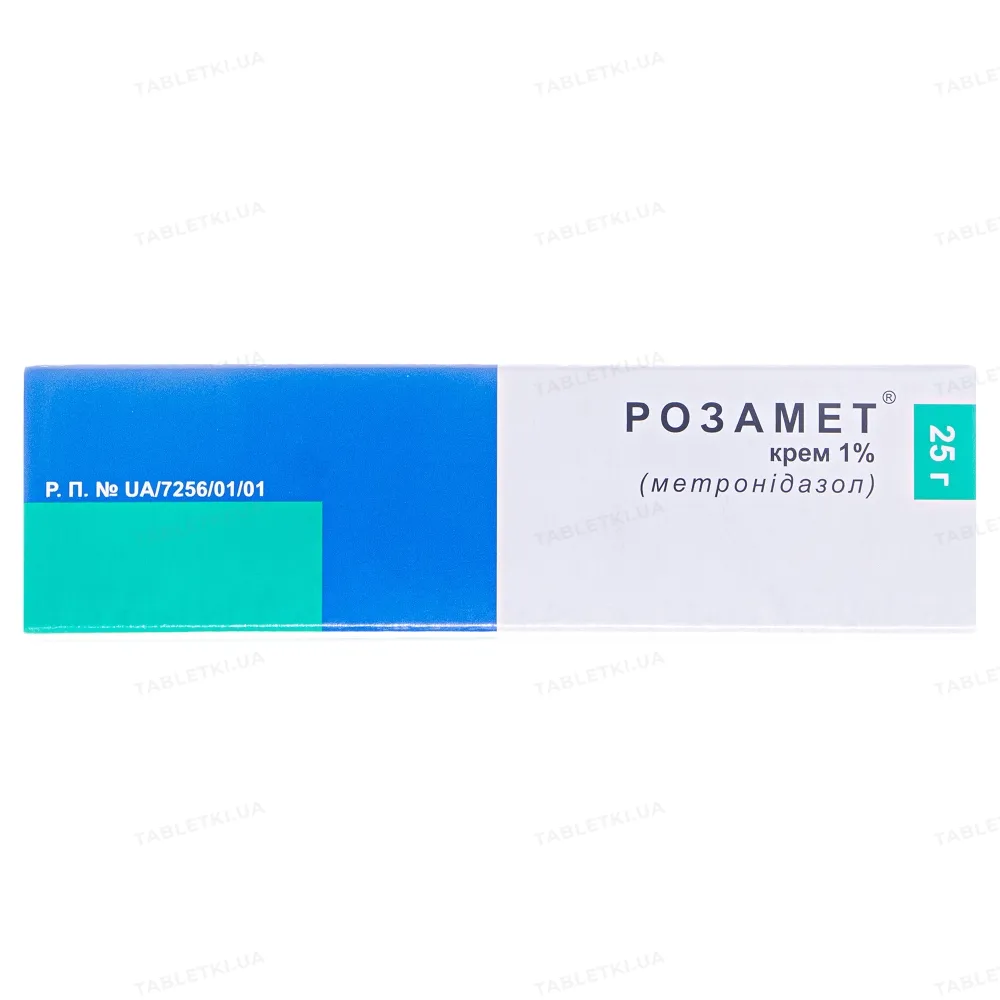
Rosamet (Metrogil) 1% cream, 25 g in tubes
Ingredients
Active ingredient: metronidazole;
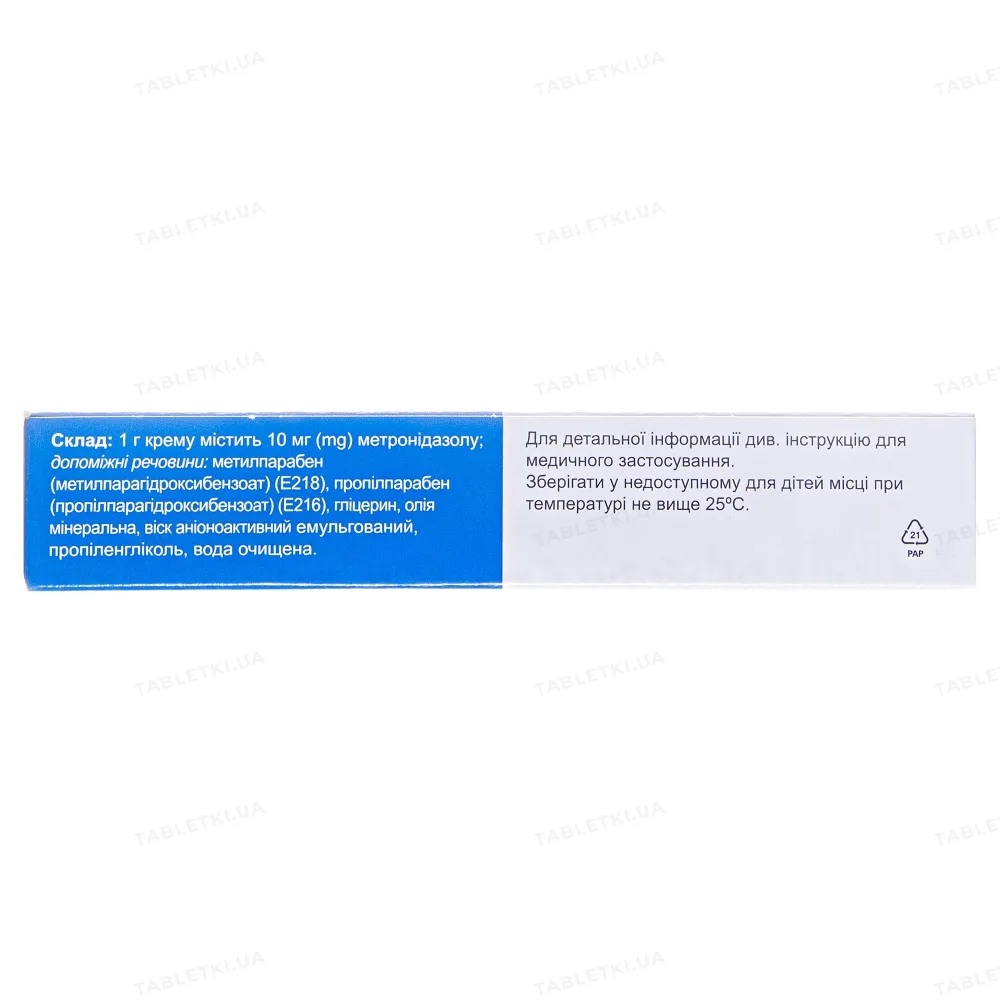
1 g of cream contains 10 mg of metronidazole;
excipients: methylparaben (methyl parahydroxybenzoate) (E218), propylparaben (propyl parahydroxybenzoate) (E216), glycerin, mineral oil, anionic emulsified wax, propylene glycol, purified water.
Dosage Form
Cream.
Main physical and chemical properties: a homogeneous white cream.
Pharmacotherapeutic group
Chemotherapeutic agents for topical use.
ATC code D06B X01.
Pharmacological properties
Pharmacodynamics.
The active ingredient of the drug—metronidazole—is a synthetic (a derivative of
5-nitroimidazole) antiprotozoal and antibacterial agent. Its mechanism of action involves the biochemical reduction of the 5-nitro group of metronidazole by intracellular transport proteins of anaerobic microorganisms and protozoa. The reduced 5-nitro group of metronidazole interacts with the DNA of microorganisms, inhibiting its synthesis, which leads to the death of the microorganisms. It is believed that the products formed in this way are responsible for the drug’s antimicrobial and cytostatic effects, as they damage DNA and inhibit the synthesis of nucleic acids. Metronidazole is equally effective in both dividing and stable cells. The anti-inflammatory and immunosuppressive effects of metronidazole have been demonstrated in in vitro and in vivo studies. It is believed that, through the mechanism of action described above, the drug reduces inflammatory lesions (papules and pustules) and erythema in patients with rosacea. The topical antibacterial effect of metronidazole is not considered significant in the treatment of rosacea and rosacea-like dermatitis.
The use of metronidazole at a 1% concentration twice daily for 30 days does not result in changes in the aerobic or anaerobic skin or fecal microflora.
Pharmacokinetics.
The metabolism and excretion of metronidazole following topical application have not been determined. Systemically absorbed metronidazole is metabolized in the liver and excreted by the kidneys.
Indications
Topical treatment of inflammatory papules and pustules associated with rosacea and acne vulgaris, as well as rosacea-like steroid dermatitis.
Contraindications
Metronidazole is contraindicated in patients with hypersensitivity to the drug, to imidazole derivatives, parabens, and similar compounds, or to any other components of the drug.
Drug Interactions and Other Interactions
When applied topically at the recommended doses, no systemic interactions between the cream and other drugs have been identified; however, caution should be exercised when prescribing Rosamet® cream with certain drugs.
Warfarin and other coumarin anticoagulants. It is known that metronidazole, when administered orally, potentiates the anticoagulant effect, leading to a prolongation of prothrombin time.
Phenobarbital. It has been established that when used concomitantly with orally administered metronidazole, the antimicrobial activity of the latter is reduced. The reason is accelerated metabolism of metronidazole.
Disulfiram. Concomitant oral administration increases the toxicity of the drugs, which may lead to the development of neurological symptoms.
Cimetidine. It inhibits the metabolism of orally administered metronidazole, which may result in increased serum concentrations of metronidazole.
During systemic therapy with metronidazole, alcohol should be avoided, as a disulfiram-like reaction is possible.
Special Instructions for Use
This medication is intended exclusively for external use. Avoid contact with mucous membranes and the eyes, as the product may cause irritation. If the cream gets into the eyes, rinse them immediately with plenty of water. Do not apply the cream to areas close to the eyes. The affected area should be cleaned before applying Rosamet® cream. Cosmetics may be used after application of the product.
When applied to a large area of skin or in cases of prolonged use of the cream, there is a risk of systemic side effects.
The product should be prescribed with caution to patients with impaired hematopoietic system function.
Metronidazole for topical use is ineffective for treating telangiectasia associated with rosacea.
Propyl parahydroxybenzoate (E 216) and methyl parahydroxybenzoate (E 218), which are components of the product, may cause an allergic reaction (possibly delayed); contact dermatitis is very rarely possible. Propylene glycol, which is part of the formulation, may also cause skin reactions.
Avoid UV exposure (sunbathing, tanning beds, UV lamps) while using this medication.
Use during pregnancy or breastfeeding.
When taken orally, metronidazole crosses the placental barrier and enters breast milk in fairly high concentrations. Although blood concentrations of metronidazole are low when applied topically, Rosamet® cream is contraindicated during the first trimester of pregnancy, and during the second and third trimesters, it should be used only when absolutely necessary.
Breastfeeding should be discontinued for the duration of treatment with this medication.
Effect on reaction time when driving or operating machinery.
Use of the drug at the indicated dose does not affect reaction time when driving or operating potentially hazardous machinery.
Directions for Use and Dosage
This medication is for external use only!
Apply a thin layer of the cream to skin that has been previously cleansed with warm water or a mild cleanser, and gently rub it in. It is recommended to wait 15–20 minutes between cleansing the skin and applying the cream. Apply twice daily (morning and evening). The average duration of treatment is 3–4 months. A therapeutic effect is observed after 3 weeks of treatment.
Children.
Do not use in children.
Overdose
There are no known cases of overdose with topical application. When applied topically, metronidazole is absorbed in negligible amounts, which do not produce a systemic effect.
Side Effects
Generally, adverse reactions associated with the topical application of metronidazole are rare and mild. The most common side effects are allergic reactions and signs of hypersensitivity, including skin rashes, itching, hives, local skin irritation characterized by temporary redness, a sensation of dryness, burning, tingling, and signs of irritation, as well as a local increase in skin temperature. Applying the cream to the eye area may cause tearing.
At the start of treatment, a temporary worsening of rosacea symptoms is possible; therefore, assessing local reactions caused by metronidazole may be difficult because many of the above-mentioned symptoms are also typical of rosacea.
Systemic side effects of metronidazole are unlikely because the concentrations achieved through topical application are very low.
Possible adverse reactions involving the nervous system include hypoesthesia, paresthesia, and dysgeusia (a metallic taste in the mouth).
Others: nausea, disulfiram-like symptoms.
Propyl parahydroxybenzoate (E 216) and methyl parahydroxybenzoate (E 218), which are components of the drug, may cause an allergic reaction (possibly delayed); contact dermatitis is very rare. Propylene glycol, which is part of the formulation, may also cause skin reactions.
Shelf life
2 years.
Storage conditions
Store out of the reach of children at a temperature not exceeding 25 °C.
Packaging
25 g of cream per tube; 1 tube per cardboard box.
Manufacturer
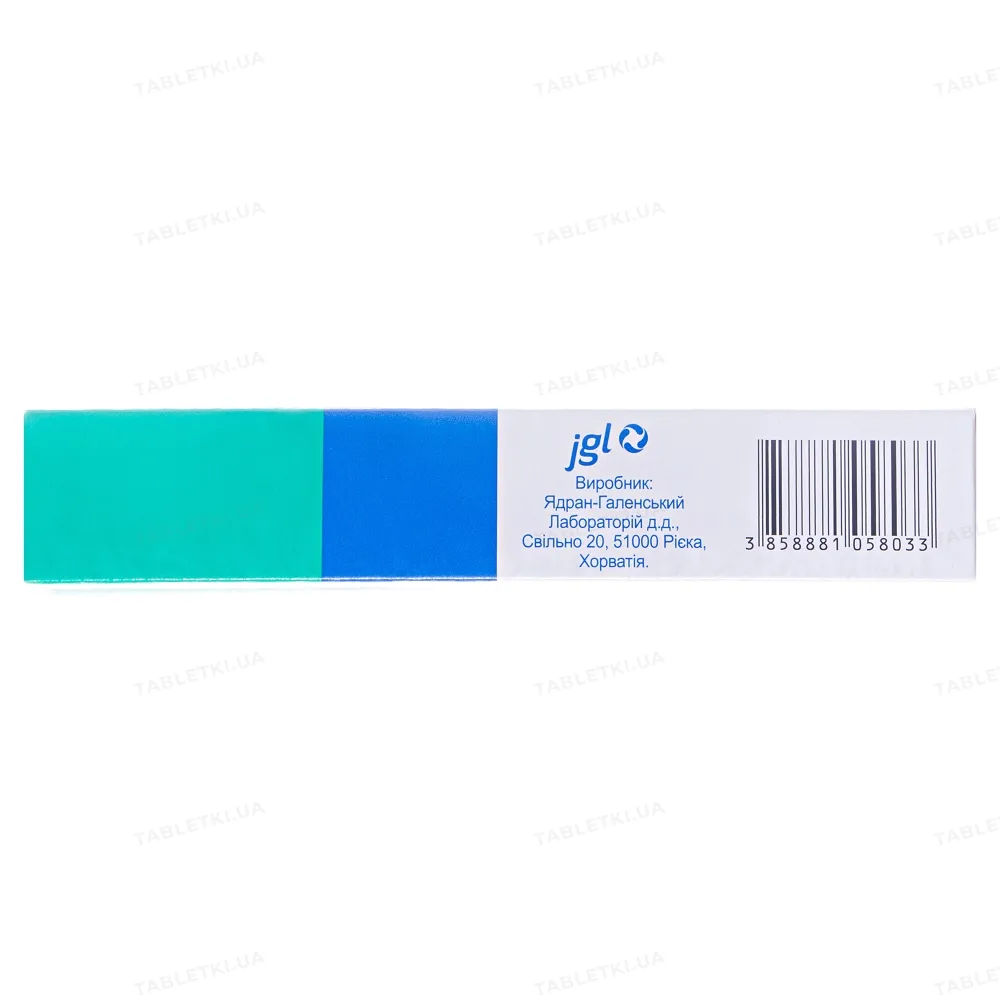
Jadran-Galenski Laboratorij d. d.
Address
Svobodna 20, 51000 Rijeka, Croatia.