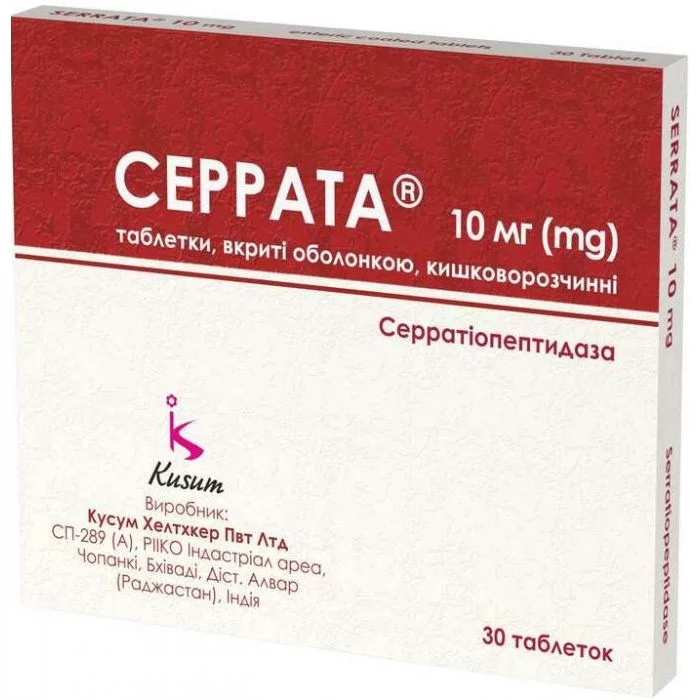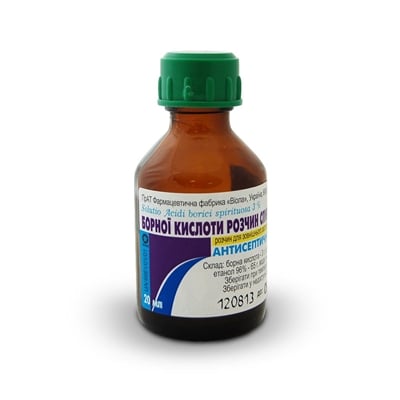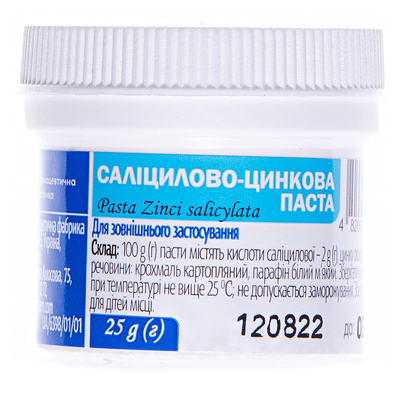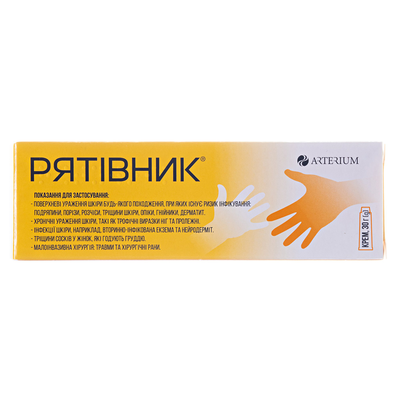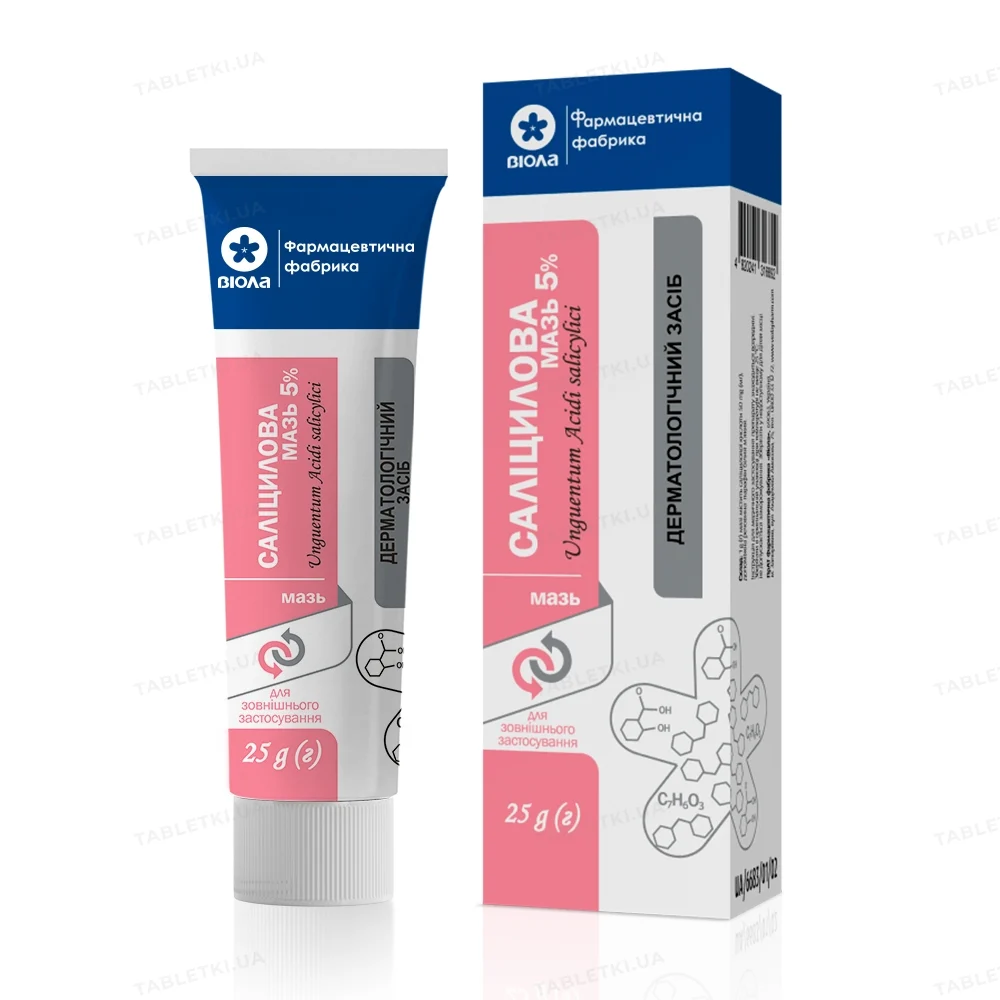
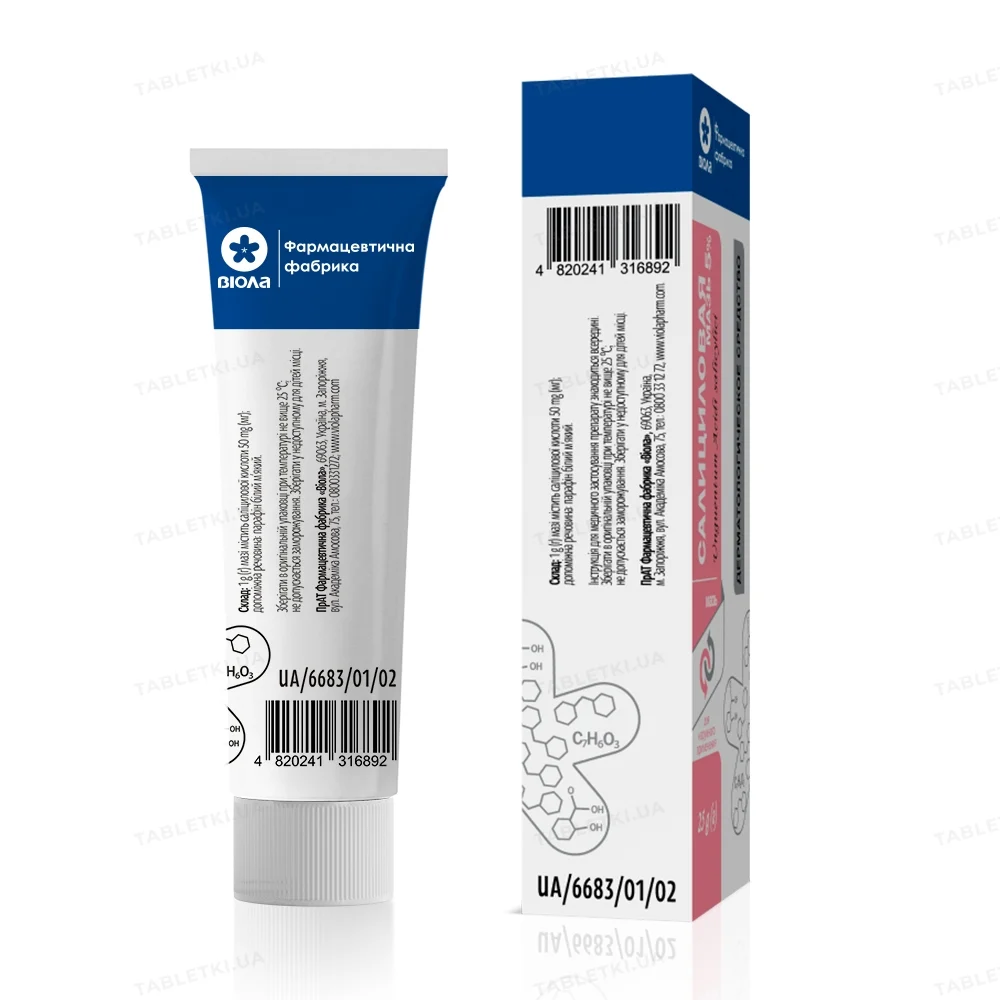
5% salicylic ointment, 25 g per tube
Ingredients
Active ingredient: salicylic acid;
1 g of ointment contains 20 mg, 50 mg, or 100 mg of salicylic acid;
excipient: white soft paraffin.
Dosage Form
Ointment.
Main physical and chemical properties: a homogeneous ointment that is white or light yellow in color.
Pharmacotherapeutic group
Dermatological agents. Salicylic acid preparations.
ATC code D02AF.
Pharmacological properties
Pharmacodynamics.
When applied topically, salicylic acid exhibits mild antiseptic, irritating, and distracting effects. It inhibits the secretion of sebaceous and sweat glands. At low concentrations, it has a keratoplastic effect, and at high concentrations, a keratolytic effect.
Pharmacokinetics.
Salicylic ointment is for external use only; it is practically not absorbed into the systemic circulation and does not exhibit resorptive effects.
Indications
2% and 5% ointments: topical treatment of extensive hyperkeratosis (e.g., psoriasis).
10% ointment: topical treatment of warts and calluses.
Contraindications
Hypersensitivity to salicylic acid.
Special Safety Precautions
Avoid contact with the eyes; do not apply to mucous membranes.
Interactions with Other Medications and Other Types of Interactions
When used concomitantly with topical medications, new compounds with unpredictable effects may form, requiring consultation with a doctor.
Topical application of salicylic acid should not be combined with oral administration of medications containing acetylsalicylic acid or other nonsteroidal anti-inflammatory drugs. Do not use together with benzoyl peroxide or topical retinoids.
Salicylic acid may increase the skin’s permeability to other topical medications and thereby increase their absorption into the body. In addition, salicylic acid may enhance the adverse effects of methotrexate and the hypoglycemic effects of oral sulfonylurea-derived antidiabetic drugs.
If the patient is taking any other medications, they must inform their doctor.
Special Instructions for Use
Do not apply the medication to large areas of skin.
Use During Pregnancy or Breastfeeding
Pregnancy
Data on the use of salicylic acid during pregnancy are lacking or limited.
Salicylic acid should not be used during pregnancy, except for short-term treatment of a small, isolated area of skin, a wart, a callus, or a corn.
It is unknown whether systemic exposure to salicylic acid resulting from topical application could be harmful to the embryo or fetus.
During the third trimester of pregnancy, systemic use of prostaglandin synthase inhibitors may cause cardiopulmonary and renal toxicity in the fetus. Toward the end of pregnancy, the use of salicylic acid may delay labor and cause prolonged bleeding in both the mother and the baby.
Effect on reaction time when driving or operating machinery
The effect of this medication on the ability to drive or operate machinery has not been described.
Dosage and Administration
Before applying a dressing with salicylic ointment, remove necrotic tissue from the wound and rinse it with an antiseptic solution.
Apply the ointment to the affected areas 2–3 times daily using a sterile gauze pad, or apply a sterile dressing saturated with the ointment to the wounds.
In cases of severe inflammation, dilute the 2% ointment with petroleum jelly in a ratio of 1:2 to 1:4 and apply 1–2 times a day; once desquamation has subsided, use other treatments.
For the treatment of warts and calluses, use a 10% ointment.
The duration of treatment is 6 to 20 days.
Children
There are no reported cases of use in children.
Overdose
The ointment is intended for external use only. If taken orally, it causes heartburn and pain along the esophagus and in the stomach, repeated vomiting (which may contain blood), and occasionally loose stools with blood. Patients become agitated and euphoric. Dizziness, tinnitus, hearing loss, and visual disturbances may occur. Breathing is loud and rapid.
Treatment: gastric lavage via a nasogastric tube, forced diuresis, and administration of a large volume of alkaline fluid.
When high doses of the drug are used, the keratolytic effect and allergic reactions may intensify. In such cases, the drug must be rinsed off with water, and a doctor should be consulted. Treatment is symptomatic.
Side Effects
Rarely—local reactions such as itching, burning, skin rashes, dryness, peeling, irritation, contact dermatitis, and hives.
With prolonged use, the drug may be absorbed into the systemic circulation, leading to the development of side effects characteristic of salicylates: tinnitus, dizziness, epigastric pain, nausea, vomiting, acidosis, and rapid breathing.
If any adverse reactions occur, consult a doctor immediately!
Reporting adverse reactions after the drug’s registration is of great importance. This allows for monitoring the benefit-risk ratio associated with the use of this drug. Healthcare and pharmaceutical professionals, as well as patients or their legal representatives, should report all cases of suspected adverse reactions and lack of efficacy of the drug through the Automated Pharmacovigilance Information System at the following link: https://aisf.dec.gov.ua.
Shelf life
3 years.
Storage conditions
Store in the original packaging at a temperature not exceeding 25 °C; do not freeze. Keep out of the reach of children.
Packaging
Containers of 25 g. Available in tubes of 20 g or 25 g. Sold as a single tube in a pack or without a pack.
Dispensing Category
Over-the-counter.
Manufacturer
PJSC Pharmaceutical Factory “Viola.”
Manufacturer’s location and address of operations.
75 Akademika Amosova St., Zaporizhzhia, 69063, Ukraine.
Applicant
PJSC Pharmaceutical Factory “Viola.”
Location of the applicant.
75 Akademika Amosova St., Zaporizhzhia, 69063, Ukraine.