
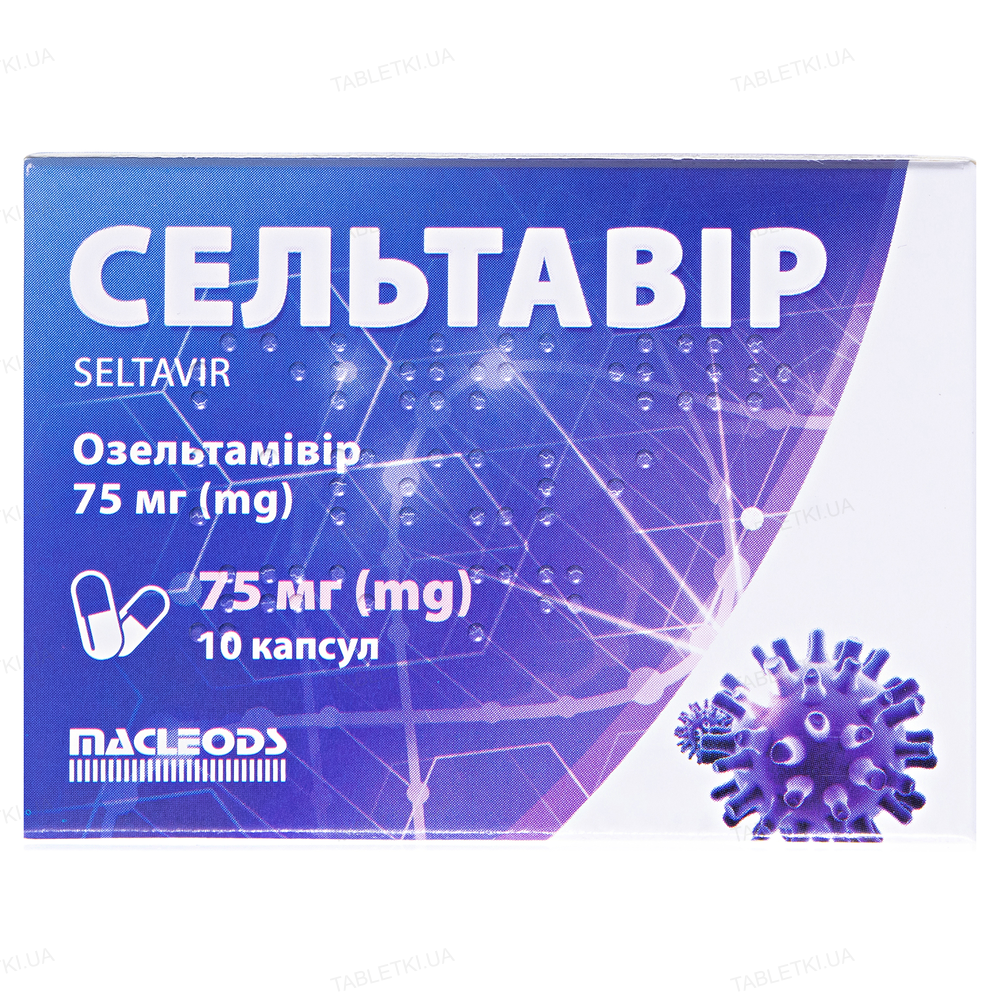
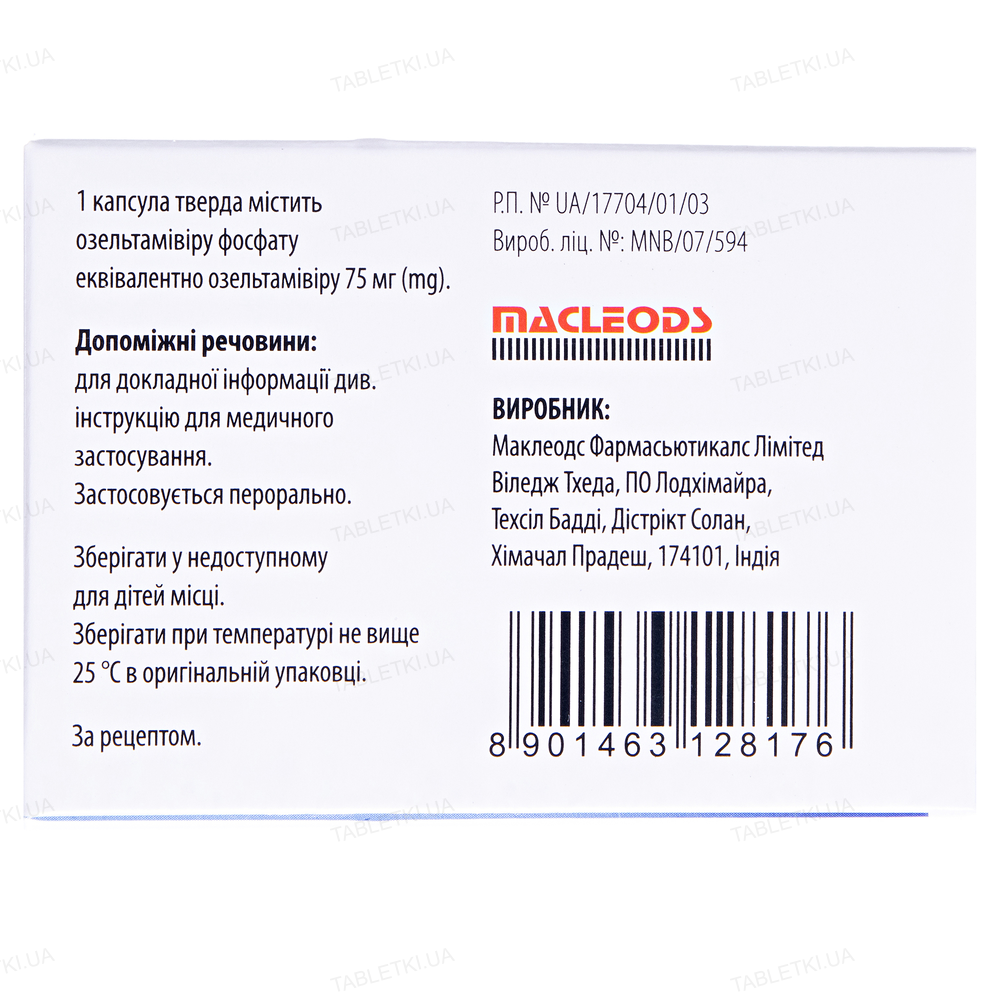
Celtavir 75 mg hard capsules, No. 10 (10 x 1)
Composition
Active ingredient: oseltamivir;
1 hard capsule contains oseltamivir phosphate equivalent to 30 mg of oseltamivir;
Excipients: pregelatinized starch, talc, povidone, croscarmellose sodium, sodium stearyl fumarate, No. 4 hard gelatin capsule;
Capsule composition: red iron oxide (E 172), yellow iron oxide (E 172), titanium dioxide (E 171), gelatin, purified water;
1 hard capsule contains oseltamivir phosphate equivalent to 45 mg of oseltamivir;
Excipients: pregelatinized starch, talc, povidone, croscarmellose sodium, sodium stearyl fumarate, hard gelatin capsule No. 4;
Capsule composition: black iron oxide (E 172), titanium dioxide (E 171), gelatin, purified water;
1 hard capsule contains oseltamivir phosphate equivalent to 75 mg of oseltamivir;
Excipients: pregelatinized starch, talc, povidone, croscarmellose sodium, sodium stearyl fumarate, hard gelatin capsule No. 2;
Capsule composition: red iron oxide (E 172), yellow iron oxide (E 172), black iron oxide (E 172), titanium dioxide (E 171), gelatin, purified water.
Dosage Form
Hard capsules.
Main physical and chemical properties:
30 mg: No. 4 hard gelatin capsules with a lightyellow, marked in blue with “30 mg” on the cap and “M 53” on the body, containing granules ranging from white to off-white;
45 mg: No. 4 hard gelatin capsules with a gray cap and body, marked in blue with “45 mg” on the cap and “M 54” on the body, containing white to off-white granules;
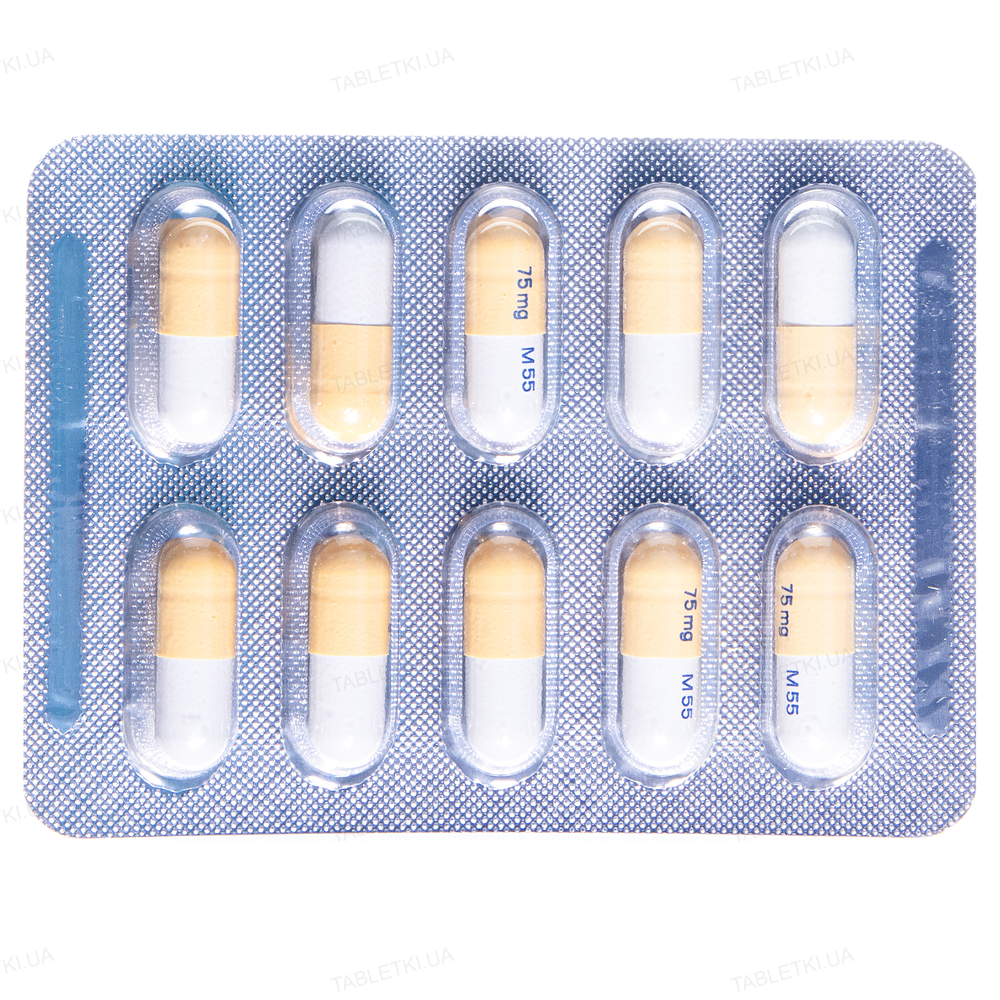
75 mg: Hard gelatin capsules No. 2 with a lightyellow cap and a gray body, marked in blue with “75 mg” on the cap and “M 55” on the body, containing white to off-white granules.
Pharmacotherapeutic group
Antiviral agents for systemic use. Direct-acting antiviral agents. Neuraminidase inhibitors. Oseltamivir. ATC code J05A H02.
Pharmacological Properties
Pharmacodynamics.
Oseltamivir phosphate is a prodrug of the active metabolite (oseltamivir carboxylate), which selectively inhibits influenza virus neuraminidase, an enzyme that catalyzes the release of newly formed viral particles from infected cells, their entry into uninfected cells, and the subsequent spread of the virus throughout the body.
Oseltamivir carboxylate inhibits the neuraminidase of influenza A and B viruses in vitro. Oseltamivir phosphate inhibits viral replication and virulence in vitro. When administered orally, oseltamivir inhibits the replication of influenza A and B viruses and their pathogenicity in animal models of influenza infection in vivo under antiviral conditions, achieved in humans at a dose of 75 mg twice daily.
The antiviral activity of oseltamivir against influenza A and B viruses was confirmed in experimental studies in healthy volunteers.
The IC50 values of oseltamivir for the neuraminidase enzyme of clinical isolates of influenza A viruses ranged from 0.1 to 1.3 nmol, and for influenza B viruses, 2.6 nmol. Published studies have shown higher IC50 values for influenza B viruses, with a mean value of 8.5 nmol.
Pharmacokinetics.
Absorption
After oral administration, oseltamivir phosphate is readily absorbed in the gastrointestinal tract and is extensively converted to the active metabolite (oseltamivir carboxylate) by hepatic esterases. At least 75% of the oral dose enters the systemic circulation as the active metabolite, and less than 5% as the parent drug. Plasma concentrations of both the prodrug and the active metabolite are dose-proportional; therefore, they are not affected by concomitant food intake.
Distribution
In humans, the mean volume of distribution of the active metabolite at steady state is approximately 23 L, which is equivalent to the body’s extracellular fluid volume. Since neuraminidase activity is extracellular, the oseltamivir carboxylate reaches all major sites of influenza infection.
Binding of the active metabolite to human plasma proteins is low (approximately 3%).
Metabolism
Oseltamivir phosphate is extensively converted to oseltamivir carboxylate by esterases found primarily in the liver. Neither oseltamivir phosphate nor the active metabolite are substrates or inhibitors of cytochrome P450 isoenzymes in in vitro studies. Phase 2 conjugates were not detected for either compound in vivo.
Excretion
Absorbed oseltamivir is eliminated primarily (>90%) by conversion to oseltamivir carboxylate, which undergoes no further transformation and is excreted in the urine. In most patients, the maximum plasma concentration of the active metabolite declines with a half-life of 6 to 10 hours. The fully active metabolite is excreted by the kidneys. Renal clearance (18.8 L/h) exceeds the glomerular filtration rate (7.5 L/h), indicating additional excretion of the drug via tubular secretion. Less than 20% of the ingested radioactively labeled drug is excreted in the feces.
Pharmacokinetics in Special Populations.
Children 1 year of age and older
The pharmacokinetics of oseltamivir were studied in children aged 1 year to 16 years in a single-dose pharmacokinetic study. The pharmacokinetics of multiple doses were studied in a small number of children in a clinical efficacy study. In younger children, elimination of the prodrug and the active metabolite occurred more rapidly than in adults, resulting in lower exposure, as expressed in mg/kg. Administration of the drug at a dose of 2 mg/kg produces the same exposure to oseltamivir carboxylate as that achieved in adults following a single 75-mg dose (equivalent to approximately 1 mg per 1 kg of body weight). The pharmacokinetics of oseltamivir in children and adolescents aged 12 years and older are the same as in adults.
Elderly patients
In elderly patients (65–78 years of age), the steady-state exposure to the active metabolite is 25–35% higher than in younger patients (<65 years) at equivalent doses of oseltamivir. The half-life of the drug in the elderly does not differ significantly from that in younger patients. Based on the drug’s effects and tolerability, no dose adjustment is required in elderly patients, except for those with moderate or severe renal impairment (creatinine clearance < 60 mL/min) (see the “Dosage and Administration” section).
Patients with Renal Impairment
Administration of oseltamivir phosphate 100 mg twice daily for 5 days in patients with varying degrees of renal impairment showed that the exposure to oseltamivir carboxylate is inversely proportional to the degree of renal impairment. For dosing, see the “Dosage” section, subsection “Administration and Dosage.”
Patients with liver impairment
Based on in vitro studies, neither a significant increase in oseltamivir exposure nor a significant decrease in the exposure of oseltamivir’s active metabolite is expected in patients with impaired liver function (see the “Dosage and Administration” section).
Pregnant Women
A pooled population pharmacokinetic analysis shows that the dosing regimen described in the “Dosage and Administration” section results in low exposure (on average 30% in all trimesters) to the active metabolite in pregnant women compared with nonpregnant women. Nevertheless, the predicted low exposure remains above inhibitory concentrations (IC95) and ranges for influenza virus strains at therapeutic levels. In addition, data from observational studies support the benefits of the current dosing regimen for this patient population. Therefore, no dose adjustment is recommended for pregnant women for the treatment or prevention of influenza (see the section “Use During Pregnancy or Lactation”).
Indications
Treatment of Influenza
The drug is indicated for adults and children over 1 year of age with influenza symptoms during the period when the influenza virus is circulating. Efficacy has been demonstrated when treatment was initiated within 2 days of the first onset of symptoms.
Prevention of the flu
- Prevention of influenza in adults and children 1 year of age and older following contact with a person with clinically diagnosed influenza during the period when the influenza virus is circulating;
- The appropriate use of influenza prophylaxis should be determined on a case-by-case basis, taking into account the circumstances and the patient group requiring protection. In exceptional situations (e.g., when there is a mismatch between the circulating influenza virus and the virus against which the vaccination was administered, and during a pandemic), seasonal prophylaxis may be administered to people aged 1 year and older.
Use of this medication is not a substitute for influenza vaccination.
The use of antiviral drugs for the treatment and prevention of influenza should be based on official recommendations. Decisions regarding the use of oseltamivir for treatment and prevention should be based on the characteristics of circulating influenza viruses, available information on the drug susceptibility of influenza viruses each season, susceptibility to the disease in various geographic regions, and the patient population.
Contraindications
Hypersensitivity to oseltamivir phosphate or to any component of the drug.
Drug Interactions and Other Interactions
The pharmacokinetic properties of oseltamivir, such as low protein binding and metabolism independent of the CYP450 and glucuronidase systems (see Section 4.4), suggest that clinically significant interactions with other drugs are unlikely.
Probenecid
When oseltamivir and probenecid are administered concomitantly in patients with normal renal function, no dose adjustment is required. Concomitant use of probenecid, which is a potent inhibitor of the anionic secretion pathway in the renal tubules, results in approximately a twofold increase in the exposure to the active metabolite of oseltamivir.
Amoxicillin
Oseltamivir does not exhibit kinetic interactions with amoxicillin, which is excreted via the same pathway as oseltamivir, indicating a weak interaction with oseltamivir via this pathway.
Renal excretion
Clinically significant interactions with other drugs, including competition for renal tubular secretion, are unlikely due to the known safety margins of most of these agents, the elimination characteristics of active metabolites (glomerular filtration and anionic tubular secretion), and the extent of excretion via these pathways. However, caution should be exercised when prescribing oseltamivir to patients taking drugs with a similar elimination pathway and a narrow therapeutic range (e.g., chlorpropamide, methotrexate, phenylbutazone).
Additional Information
Pharmacokinetic interactions between oseltamivir and its active metabolite when co-administered with acetaminophen, acetylsalicylic acid, cimetidine, and antacids (magnesium hydroxide and aluminum hydroxide, calcium carbonate), rimantadine, or warfarin (in patients taking stable doses of warfarin and not suffering from influenza) have not been identified.
In Phase III clinical trials of oseltamivir for the treatment and prevention of influenza, the drug was administered with commonly used medications such as ACE inhibitors (enalapril, captopril), thiazide diuretics (bendrofludazide), antibiotics (penicillin, cephalosporin, azithromycin, erythromycin, and doxycycline), H2-receptor blockers (ranitidine, cimetidine), beta-blockers (propranolol), xanthines (theophylline), sympathomimetics (pseudoephedrine), opioids (codeine), corticosteroids, inhaled bronchodilators, analgesics (acetylsalicylic acid, ibuprofen, and acetaminophen). When Seltavir is used concomitantly with the listed drugs, no changes in the safety profile or in the incidence of adverse reactions have been reported.
There is no known mechanism of interaction with oral contraceptives.
Special Considerations
Oseltamivir is effective only against illnesses caused by influenza viruses. There are no data on the efficacy of oseltamivir for any illness caused by pathogens other than influenza viruses.
This medication is not a substitute for influenza vaccination. Use of this medication should not preclude screening individuals for annual influenza vaccination. Protection against influenza is maintained only while the medication is being taken. SeltaVir should be used for the treatment and prevention of influenza only when there is reliable epidemiological data indicating that the virus is circulating. It has been demonstrated that the susceptibility of circulating influenza virus strains to the drug varies widely; Therefore, before deciding to use the drug, the physician must take into account the most up-to-date information on the susceptibility of currently circulating viruses to oseltamivir.
Severe skin reactions and hypersensitivity reactions
Cases of anaphylaxis and severe skin reactions, including toxic epidermal necrolysis, Stevens-Johnson syndrome, and erythema multiforme, have been reported during postmarketing use. Seltavir should be discontinued and appropriate treatment initiated if such reactions are observed or suspected.
Severe concomitant medical conditions
There is no information on the safety and efficacy of oseltamivir in patients with severe or unstable medical conditions carrying an inevitable risk of hospitalization.
Immunocompromised patients
The safety and efficacy of oseltamivir for the treatment and prevention of influenza in immunocompromised patients have not been established.
Heart/Respiratory Diseases
The efficacy of oseltamivir in treating people with chronic heart and/or respiratory diseases has not been established. In these patients, there were no differences in the incidence of complications between the treatment and placebo groups.
Severe renal impairment
Dose adjustment for treatment and prevention is recommended for adults and adolescents (≥13–<18 years) with severe renal insufficiency. There are insufficient clinical data on the use of the drug in children older than 1 year with renal insufficiency to provide dosing recommendations (see the “Pharmacokinetics” and “Dosage and Administration” sections).
Neuropsychiatric Disorders
Cases of neuropsychiatric disorders have been reported in patients with influenza (primarily in children and adolescents) during treatment with this drug. Such disorders have also been reported in patients with influenza who did not use this drug. Patients should be closely monitored for behavioral changes, and the benefits and risks of continuing treatment should be carefully evaluated for each patient (see Section 4.4).
Disposal of unused and expired medications. Release of the drug into the environment should be minimized. The drug must not be disposed of with sewage or household waste. A designated waste collection system (if available) must be used for disposal.
Pregnancy and lactation.
Pregnancy
Since no controlled clinical studies have been conducted on the use of oseltamivir in pregnant women, data on the use of the drug during pregnancy were obtained during the postmarketing period and through observational studies (for data on effects in pregnant women, see the “Pharmacokinetics” section).
The available data and results of animal studies indicate no direct or indirect adverse effects on the course of pregnancy, embryonic/fetal development, or postnatal development. Pregnant women may use the drug based on available information regarding safety, the virulence of the circulating influenza virus strain, and the pregnant woman’s condition, after assessing the benefit-risk ratio.
Breastfeeding
In lactating rats, oseltamivir and its active metabolite are excreted into breast milk. There is limited information on breastfeeding in women taking oseltamivir and on the excretion of oseltamivir into human breast milk. Limited data indicate that oseltamivir and its active metabolite were detected in breast milk, but their levels were low, which may result in a subtherapeutic dose for the infant. Given these findings, as well as the virulence of the circulating influenza virus strain and the condition of the breastfeeding woman, oseltamivir may be considered after evaluating the benefit-risk ratio.
Fertility
Based on preclinical data, there are no reports of the drug affecting male or female fertility.
Effects on the ability to drive and operate machinery.
This has no effect.
Dosage and Administration
Method of Administration
For oral use.
Dosage
The 75 mg dose may be administered as:
- 1 75-mg capsule or
- 1 capsule of 30 mg plus 1 capsule of 45 mg.
Adults and adolescents over 13 years of age
Treatment. The recommended dosage regimen is 1 75-mg capsule twice daily by mouth for 5 days for adults and adolescents (≥13–<18 years) weighing more than 40 kg.
Treatment should be started on the first or second day after the onset of flu symptoms.
Post-exposure prophylaxis: The recommended dose for preventing the flu after exposure to a person with the flu is 75 mg once daily by mouth for 10 days for adults and adolescents (≥13–<18 years) weighing more than 40 kg. Treatment should begin no later than within the first 2 days after exposure.
Prevention during seasonal influenza epidemics. The recommended dose for prevention during a seasonal influenza epidemic is 75 mg once daily for 6 weeks.
Children aged ≥1 to <13 years.
Treatment. The recommended dosage regimen, adjusted for body weight, for the treatment of infants and children over 1 year of age
| Body weight | Recommended dose for 5 days |
| 10 kg to 15 kg | 30 mg twice daily |
| > 15 kg to 23 kg | 45 mg twice daily |
| > 23 kg to 40 kg | 60 mg twice daily |
| > 40 kg | 75 mg twice a day |
Treatment should be started as early as possible, on the first or second day after the onset of flu symptoms.
Post-exposure prophylaxis. Recommended dosing regimen
| Body weight | Recommended dose for 10 days |
| 10 kg to 15 kg | 30 mg once daily |
| > 15 kg to 23 kg | 45 mg once daily |
| > 23 kg to 40 kg | 60 mg once daily |
| > 40 kg | 75 mg once daily |
Prevention during seasonal flu epidemics. Prevention during seasonal flu epidemics in children under 12 years of age has not been studied.
Dosage in Special Cases
Patients with hepatic impairment
No dose adjustment is necessary for treatment or prevention in patients with hepatic impairment. The safety and pharmacokinetics of oseltamivir in children with hepatic insufficiency have not been studied.
Patients with Renal Impairment
Treatment of influenza. Dose adjustment is required for adults and adolescents (≥13–<18 years) with moderate or severe renal impairment (see Table 1).
Table 1
| Creatinine Clearance | Recommended dose for treatment |
| > 60 mL/min | 75 mg twice daily |
| > 30 to 60 mL/min | 30 mg twice daily |
| > 10 to 30 mL/min | 30 mg once daily |
| ≤ 10 mL/min | Not recommended (no data available) |
| Patients on hemodialysis | 30 mg after each hemodialysis session |
| Patients on peritoneal dialysis* | 30 mg as a single dose |
* Data obtained from studies of patients undergoing continuous ambulatory peritoneal dialysis (CAPD); the clearance of oseltamivir carboxylate is expected to be higher with automated continuous cyclic peritoneal dialysis (PCPD). The treatment regimen may be changed from PCPD to CAPD if the nephrologist deems it necessary.
Influenza prophylaxis. Dose adjustment is required for adults and adolescents (≥13–<18 years) with moderate or severe renal impairment (see Table 2).
Table 2
| Creatinine Clearance | Recommended dose for prevention |
| > 60 mL/min | 75 mg once daily |
| > 30 to 60 mL/min | 30 mg once daily |
| > 10 to 30 mL/min | 30 mg every other day |
| ≤ 10 mL/min | Not recommended (no data available) |
| Patients on hemodialysis | 30 mg after every other hemodialysis session |
| Patients on peritoneal dialysis* | 30 mg once a week |
* Data obtained from studies in patients on CAPD; clearance of oseltamivir carboxylate is expected to be higher with automated PCPD. The treatment regimen may change from PCPD to CAPD if the nephrologist deems it necessary.
There are insufficient data to provide dosing recommendations for children under 12 years of age with impaired renal function.
Elderly patients
No dose adjustment is necessary, except in cases of moderate or severe renal impairment.
Immunocompromised patients
Treatment. The recommended oral dose is 75 mg of oseltamivir twice daily for 10 days for adults. Treatment should be started as soon as possible within the first two days after the onset of flu symptoms.
Seasonal prophylaxis. Seasonal influenza prophylaxis for 12 weeks is recommended for immunocompromised patients (see the sections “Special Instructions and Precautions for Use” and “Adverse Effects”).
Children.
Use in children over 1 year of age weighing more than 10 kg who are able to swallow a capsule.
Overdose
Reports of overdose have been received during clinical trials and during postmarketing use of the drug. In most reported cases of overdose, no adverse reactions were reported.
Adverse reactions reported in cases of overdose were similar in nature and type to those observed with therapeutic doses of the drug (see the “Adverse Reactions” section).
There is no specific antidote.
Children
Overdoses have been reported more frequently in children than in adults and adolescents. Caution should be exercised when administering the drug to children.
Side Effects
Overall, the drug’s safety profile is based on data from the treatment of influenza in 6,049 adults/adolescents and 1,473 children who received the drug or placebo, as well as on data from influenza prevention studies involving 3,990 adults/adolescents and 253 children who received the drug or placebo in clinical trials. In addition, 475 immunocompromised patients (including 18 children, 10 in the drug group and 8 in the placebo group) received SeltaVir or placebo for influenza prevention.
In adults and adolescents, the most common side effects when taking the drug to treat the flu were nausea and vomiting; for flu prevention, the most common side effect was nausea. These were transient in nature and usually occurred on the first or second day of treatment and resolved within 1–2 days. In children, vomiting was the most common adverse event. In most cases, adverse reactions did not lead to discontinuation of the drug.
The following serious adverse reactions were rarely reported during postmarketing use of oseltamivir: anaphylactic and anaphylactoid reactions, liver disorders (fulminant hepatitis, hepatic dysfunction, and jaundice), angioedema, Stevens-Johnson syndrome and toxic epidermal necrolysis, gastrointestinal bleeding, and neuropsychiatric disorders (see the “Special Warnings and Precautions for Use” section regarding neuropsychiatric disorders).
The following categories were used to describe the frequency of adverse reactions: very common (≥ 1/10), common (≥ 1/100, < 1/10), uncommon (≥ 1/1,000, < 1/100), rare (≥ 1/10,000, < 1/1,000), very rare (< 1/10,000), and frequency unknown. Adverse reactions are classified based on an analysis of pooled data from clinical trials.
Treatment and Prevention of Influenza in Adults and Adolescents
The most common adverse reactions reported in studies of the drug for the treatment and prevention of influenza in adults and adolescents and during the postmarketing period at the recommended dose (75 mg twice daily for 5 days for treatment and 75 mg once daily for up to 6 weeks for prevention), are listed below.
The safety profile observed in patients receiving prophylaxis (75 mg once daily for 6 weeks) was similar to that observed in treatment studies, despite the longer duration of the prophylaxis studies:
Infections and infestations: common—bronchitis, herpes simplex, upper respiratory tract infections, nasopharyngitis, sinusitis;
Blood and lymphatic system disorders: rare—thrombocytopenia;
Immune system disorders: uncommon—hypersensitivity reaction; rare—anaphylactic and anaphylactoid reactions;
Psychiatric disorders: rare—agitation, abnormal behavior, anxiety, confusion, delirium, hallucinations, nightmares, self-harm;
Nervous system disorders: very common – headache; common – insomnia; uncommon – altered consciousness, seizures;
Eye disorders: rare—visual disturbances;
Cardiac disorders: uncommon – arrhythmias;
Respiratory, thoracic, and mediastinal disorders: common—cough, rhinorrhea, sore throat;
Gastrointestinal disorders: very common—nausea; Common – vomiting, abdominal pain (including upper abdominal pain), dyspepsia; Rare – gastrointestinal bleeding, hemorrhagic colitis;
Hepatobiliary system: uncommon—elevated liver enzymes; rare—fulminant hepatitis, liver failure, hepatitis;
Skin and subcutaneous tissue disorders: uncommon—dermatitis, rash, eczema, urticaria; Rare – angioedema, erythema multiforme, Stevens-Johnson syndrome, toxic epidermal necrolysis; Frequency unknown – allergy, facial edema;
General disorders and administration site conditions: common—dizziness (including lightheadedness), weakness, pain, hyperthermia, pain in the extremities.
Treatment and Prevention of Influenza in Children
A total of 1,473 children (including healthy children aged 1–12 years and children with asthma aged 6–12 years) participated in clinical trials of oseltamivir for the treatment of influenza. Of these, 851 children received oseltamivir suspension. A total of 158 children received the recommended dose once daily in post-exposure prophylaxis studies at home (n = 99), in 6-week seasonal prophylaxis studies (n = 49), and in 12-week seasonal prophylaxis studies in immunocompromised children (n = 10).
The most common adverse reactions reported in studies of the drug for the treatment and prevention of influenza in children (when using age-appropriate doses ranging from 30 to 75 mg once daily) were:
Infections and infestations: common—otitis media; frequency unknown—bronchitis, pneumonia, sinusitis;
Nervous system disorders: common – headache;
Blood and lymphatic system disorders: frequency unknown – lymphadenopathy;
Eye disorders: common – conjunctivitis (including redness of the eyes, eye discharge, and pain);
Ear and vestibular system disorders: common – ear pain; uncommon – eardrum disorders;
Respiratory, thoracic, and mediastinal disorders: very common—cough, nasal congestion; common—rhinorrhea; frequency unknown—asthma (including exacerbations), epistaxis;
Gastrointestinal disorders: very common—vomiting; common—nausea, abdominal pain (including upper abdominal pain), dyspepsia; frequency unknown—diarrhea;
Skin and subcutaneous tissue disorders: uncommon—dermatitis (including allergic and atopic dermatitis).
Description of Individual Adverse Reactions
Psychiatric and neurological disorders
Influenza may be associated with neuropsychiatric disorders manifested by hallucinations, delirium, and inappropriate behavior, in some cases with fatal consequences. These phenomena may be considered manifestations of encephalitis or encephalopathy, but they may occur without any apparent serious underlying illness.
Cases of seizures and delirium (including altered levels of consciousness, confusion, inappropriate behavior, delusions, hallucinations, agitation, anxiety, nightmares) have also been reported with the use of this medication, which in rare cases have led to accidental self-injury or death. These events were reported primarily in children and adolescents and often had an abrupt onset and rapid resolution. It is unknown whether these neuropsychiatric disorders are related to the use of this drug, as neuropsychiatric disorders have also been reported in patients with influenza who were not taking this drug.
Hepatobiliary Disorders
Hepatobiliary disorders, including cases of hepatitis and elevated liver enzyme levels, have been observed in patients with influenza-like illness. These cases included fatal fulminant hepatitis/liver failure.
Additional Information for Specific Patient Groups
Elderly patients and patients with chronic heart and respiratory diseases
The study population for influenza treatment included healthy adults and adolescents, as well as patients with risk factors (patients at increased risk of developing influenza-related complications, such as elderly patients and patients with chronic heart or respiratory diseases). Overall, the safety profile in adolescents and adults with chronic heart and/or respiratory diseases was qualitatively comparable to that in healthy volunteers.
Immunocompromised patients
In a 12-week prophylactic study involving 475 immunocompromised patients, including 18 children aged 1 to 12 years, the safety profile of the 238 patients who received oseltamivir was comparable to that observed in clinical prophylaxis studies.
Children with bronchial asthma
Overall, the adverse reaction profile in children with bronchial asthma was qualitatively comparable to that in children who were otherwise healthy.
Shelf life
5 years.
Storage conditions
Store at a temperature not exceeding 25 °C in the original packaging.
Keep out of reach of children.
Packaging
10 capsules per blister pack. 1 blister pack per cardboard box.
Manufacturer
McLeod’s Pharmaceuticals Limited.
Address
Teda Village, Pennsylvania Lodhimaira, Techsil Buddi, Solan District, Himachal Pradesh, 174101, India.







