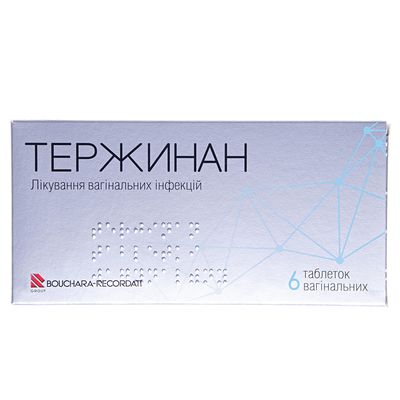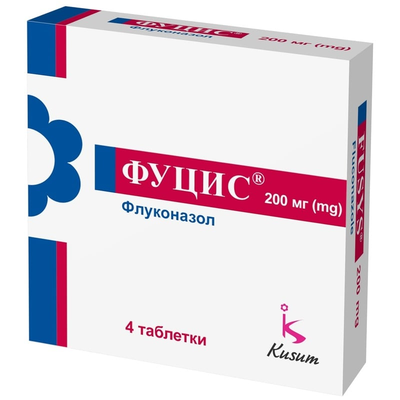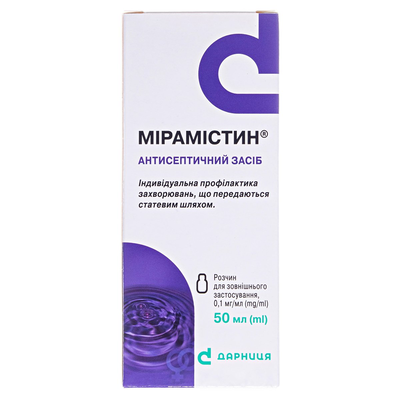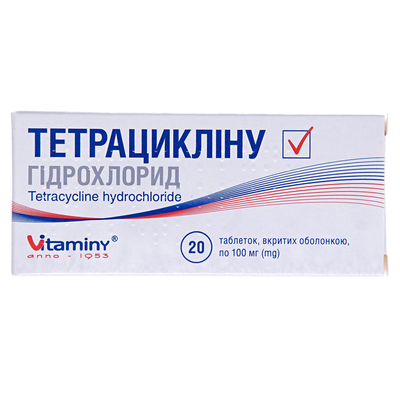
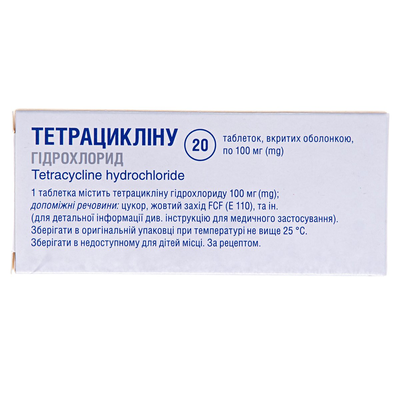
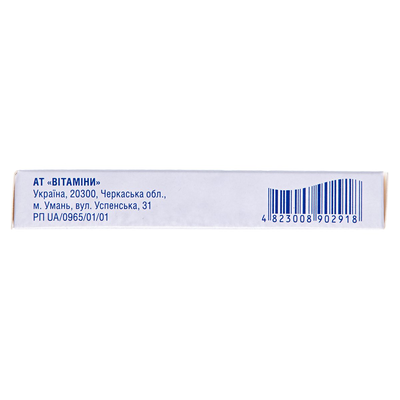

Tetracycline Hydrochloride Tablets, coated, 100 mg, No. 20 (10 x 2)
Composition
Active ingredient: tetracycline hydrochloride;
1 tablet contains 100 mg of tetracycline hydrochloride;
Excipients:
sugar, gelatin, calcium stearate, talc, potato starch, polysorbate, OPADR II Red 85F35289 (mixture of substances: polyvinyl alcohol, polyethylene glycol 3350, titanium dioxide (E 171), talc, carmine (E 120), Magic Red
AC (E 129), Sunset Yellow FCF (E 110)).
Dosage Form
Film-coated tablets.
Main physicochemical properties: round, film-coated tablets, ranging in color from raspberry to reddish-brown, with a smooth, biconvex surface.
Pharmacotherapeutic group
Antibacterial agents for systemic use. Tetracyclines. ATC code J01A A07.
Pharmacological Properties
Pharmacodynamics.
A broad-spectrum antibiotic of the tetracycline class. Active against Gram-positive bacteria (staphylococci, including those producing penicillinase; streptococci, pneumococci, clostridia, listeria, and anthrax bacilli) and Gram-negative bacteria (gonococci, Bordetella, Escherichia coli, enterobacteria, Klebsiella, Salmonella, Shigella), as well as spirochetes, rickettsiae, leptospires, and the causative agents of trachoma and ornithosis. It is inactive or ineffective against Pseudomonas aeruginosa, Proteus, Serratia, acid-fast bacteria, most strains of Bacteroides fragilis, fungi, and the influenza, poliovirus, and measles viruses. There is evidence of tetracycline’s efficacy against cholera.
The mechanism of tetracycline’s antibacterial action is based on the inhibition of ribosomal protein synthesis in microbial cells.
At usual doses, tetracycline acts bacteriostatically.
Pharmacokinetics.
After oral administration, 75–77% is rapidly absorbed in the gastrointestinal tract (food reduces absorption) and binds well to plasma proteins. It is rapidly distributed throughout most body fluids, including bile, sinus secretions, pleural effusion, synovial fluid, and ascitic fluid. It accumulates in liver cells, the spleen, tumors, and teeth; it crosses the placenta and passes into breast milk. Therapeutic concentrations are reached within 2–3 days. It is excreted by the kidneys via glomerular filtration, in feces (60% via the kidneys and bile), and is 65% bound to blood proteins; The half-life is normally 6–11 hours; in cases of anuria, it is 57–108 hours.
Impaired renal excretory function may lead to increased blood concentrations of tetracycline.
Indications
Infectious and inflammatory diseases caused by microorganisms sensitive to the drug, such as: bronchitis, pneumonia, bacterial and amoebic dysentery, gonorrhea, brucellosis, tularemia, typhus and relapsing fever, psittacosis, ornithosis, infections of the biliary and urinary tracts, purulent meningitis, purulent infections of the skin and soft tissues, and cholera.
Prevention of postoperative infections.
Contraindications
Hypersensitivity to the drug and related antibiotics, local anesthetics (lidocaine, procaine); fungal infections, systemic lupus erythematosus. Breastfeeding. Children under 12 years of age; patients with liver or kidney disease with severe functional insufficiency. Cases of benign intracranial hypertension have been reported with the concurrent use of tetracyclines and vitamin A or retinoids; therefore, their concurrent use is contraindicated.
Drug Interactions and Other Interactions
Iron salts, oral preparations of zinc, calcium, and bismuth (including bismuth subsalicylate), aluminum, magnesium, and other preparations containing these cations (including magnesium-containing laxatives, antacids, sucralfate), cholestyramine, colestipol, kaolin-pectin, sodium bicarbonate: formation of inactive chelates with tetracycline and reduced absorption of tetracycline. Combination with such medications, as well as with quinapril (contains magnesium carbonate) and didanosine (contains calcium- and magnesium-containing excipients). If such a combination is necessary, tetracycline should be administered as far apart in time as possible (2 hours before or 4–6 hours after administration of these drugs).
Strontium ranelate: may reduce tetracycline concentrations in serum. Concomitant use should be avoided. Treatment with strontium ranelate should be discontinued during tetracycline therapy.
Digoxin and lithium preparations: serum concentrations of these drugs may increase.
Ergotamine and methysergide: increased risk of ergotism.
Penicillins, cephalosporins, beta-lactam antibiotics: As a bacteriostatic antibiotic, tetracycline may affect the bactericidal activity of other antibiotics. This combination should be avoided.
The combination of tetracycline with oleandomycin and erythromycin is considered synergistic.
Indirect anticoagulants, including warfarin, phenindione, and antithrombotic agents: tetracyclines may enhance the effect of indirect anticoagulants by inhibiting their metabolism in the liver, and lower plasma prothrombin levels, which requires careful monitoring of prothrombin time and, if necessary, a reduction in the dose of anticoagulants.
Atovaquone: decreased plasma concentrations of atovaquone.
Methoxyflurane: possible toxic effects on the kidneys (including elevated serum urea nitrogen and creatinine levels), acute renal failure, sometimes with a fatal outcome.
Methotrexate: increased toxicity is possible; this combination should be used with caution. If concomitant use of these medications is necessary, regular monitoring for toxicity should be performed.
Vitamin A and retinoids, such as acitretin, isotretinoin, and tretinoin (for the treatment of acne), when used concomitantly with tetracyclines, may cause benign intracranial hypertension; therefore, their concurrent use should be contraindicated. To prevent this complication during acne treatment with retinoids, a sufficient interval must be observed after tetracycline therapy.
Hormonal contraceptives: reduced effectiveness (unplanned pregnancy) and an increased frequency of breakthrough bleeding when used with tetracyclines. Therefore, it is recommended to use nonhormonal methods of contraception during tetracycline treatment and for an additional 7 days after completing the treatment course.
Diuretics: This combination requires caution because dehydration increases the risk of nephrotoxicity.
Antidiabetic drugs (insulin, sulfonylurea derivatives, including glibenclamide and gliclazide): their hypoglycemic effect is enhanced.
Chymotrypsin increases the concentration and duration of tetracycline circulation in the blood.
Caution should be exercised when prescribing tetracycline together with hepatotoxic drugs.
Oral typhoid vaccine, BCG: Antibacterial drugs, including tetracyclines, may reduce the therapeutic effect of these vaccines. Vaccines should be avoided during antibiotic treatment.
The absorption of tetracycline is impaired when taken with food, milk, and dairy products.
Special Considerations for Use
Esophagitis. Cases of esophagitis and esophageal ulcers have been reported in patients receiving encapsulated or tableted tetracyclines. The medication should be taken with a sufficient amount of liquid and swallowed while sitting or standing upright, well before bedtime. If symptoms such as dysphagia or chest pain occur, the possibility of this complication should be considered, and the medication should be discontinued. Tetracycline should be used with caution in patients with gastroesophageal reflux.
Photosensitivity. Cases of photosensitivity reactions with clinical manifestations of severe sunburn have been reported in patients taking tetracyclines. During treatment, it is recommended to protect exposed areas of the body from direct sunlight and artificial UV radiation. Patients should be informed of the possibility of such a reaction and warned that treatment with tetracyclines should be discontinued immediately at the first signs of erythema on the skin.
Microflora. The use of antibiotics may lead to overgrowth of non-susceptible organisms, including fungi such as Candida, and to the development of superinfection, which requires discontinuation of the antibiotic and appropriate measures.
To prevent the development of candidiasis, it is recommended to use antifungal medications and vitamins concurrently with tetracycline.
Diarrhea—especially severe, persistent, and/or bloody diarrhea—during or after treatment (including several weeks after treatment) with tetracycline may be a symptom of diarrhea associated with Clostridium difficile (CDAD ). The severity of CDAD can range from moderate to pseudomembranous diarrhea or life-threatening colitis. If CDAD is suspected, tetracycline should be discontinued immediately and appropriate therapy initiated without delay. Antiperistaltic agents are contraindicated in this clinical situation.
CDAD should be considered in all patients who develop severe diarrhea during or after antibiotic use.
Tooth development. The use of tetracyclines during tooth development (second and third trimesters of pregnancy, lactation, the neonatal period, and childhood up to 12 years of age) may cause permanent discoloration of the teeth (yellow-brown-gray). This adverse reaction occurs more frequently with long-term use but may also be observed after repeated short courses of treatment. Enamel hypoplasia has also been reported.
Sexually transmitted diseases. Tetracyclines may mask the symptoms of syphilis. When treating sexually transmitted diseases with suspected concomitant syphilis, appropriate diagnostic procedures should be performed. In all such cases, monthly serological testing should be performed for at least 4 months.
Beta-hemolytic streptococcus. For Group A beta-hemolytic streptococcal infections, treatment should be continued for at least 10 days.
Myasthenia gravis. The drug should be used with caution in patients with myasthenia gravis due to the possibility of mild neuromuscular blockade.
Systemic lupus erythematosus, porphyria. Tetracyclines may cause exacerbations of systemic lupus erythematosus. Occasional cases of porphyria have been observed in patients receiving tetracyclines. Therefore, tetracycline should not be used in patients with porphyria or systemic lupus erythematosus.
Renal impairment. The use of tetracycline is generally contraindicated in patients with renal insufficiency due to the potential for excessive accumulation and an increased risk of side effects.
The anti-anabolic effect of tetracyclines may be responsible for an increase in blood urea nitrogen levels. Although this is not a significant concern for patients with normal renal function, in patients with severe renal impairment, high serum tetracycline levels may lead to azotemia, hyperphosphatemia, and acidosis.
Hepatic dysfunction. Tetracycline should be used with caution in patients with impaired liver function and in patients receiving potentially hepatotoxic medications. High doses of the drug should be avoided. The use of high doses of tetracycline has been associated with the development of fatty liver disease and pancreatitis.
Caution should be exercised when prescribing tetracycline hydrochloride in patients with leukopenia.
Since tetracyclines reduce plasma prothrombin activity, patients receiving anticoagulant therapy may require a reduction in the dose of anticoagulants.
During long-term use of the drug, periodic blood tests and renal and hepatic function tests should be performed.
Tetracycline therapy should be conducted under a doctor’s supervision. The dosing schedule must be strictly followed throughout the entire course of treatment; doses should not be missed and should be taken at regular intervals. If a dose is missed, take it as soon as possible; do not take it if it is almost time for the next dose; do not double the dose. Tetracycline hydrochloride should not be taken with milk or other dairy products, as this impairs its absorption.
If signs of hypersensitivity to the drug or adverse reactions occur, discontinue use and, if necessary, prescribe another antibiotic (not from the tetracycline group). To prevent possible complications, it is advisable to simultaneously use hepatoprotective agents, cholagogues, eubiotics, vitamins, and antifungal medications.
Tetracycline is not the drug of choice for treating any type of staphylococcal infection.
It is not advisable to prescribe the drug to adults at doses less than 800 mg per day, as, in addition to an insufficient therapeutic effect, the development of tetracycline-resistant strains of microorganisms is possible.
The yellow dye FCF (E 110), which is part of the tablet coating, may cause allergic reactions. The risk of developing an allergy is higher in patients with hypersensitivity to acetylsalicylic acid.
This medication contains sugar; therefore, if you have a known intolerance to certain sugars, you should consult your doctor before taking this medication.
Pregnancy and lactation.
This medication is contraindicated during pregnancy or breastfeeding.
Effects on the ability to drive and operate machinery.
There is no data on the drug’s negative effect on the ability to drive a car or operate moving machinery.
Dosage and Administration
Tetracycline should be taken 1 hour before or 2 hours after a meal, as food and certain dairy products interfere with absorption. The tablets should be taken with water.
The dosage and duration of treatment are determined by the doctor on an individual basis, depending on the nature and course of the disease.
Treatment should continue for three days after the clinical symptoms of the disease have disappeared.
All infections caused by β-hemolytic streptococcus should be treated for at least 10 days.
Adults (including elderly patients) and children over 12 years of age. The usual single dose is 200 mg (2 tablets) every 6 hours. For severe infections, the dose may be increased to 500 mg every 6 hours.
The maximum daily dose is 2 g.
Elderly patients. Use the standard adult dose. The drug should be used with caution in cases of subclinical renal insufficiency, as this may lead to drug accumulation.
Renal insufficiency. In general, the use of tetracyclines is contraindicated in renal insufficiency, except in cases where the use of this class of drugs is considered absolutely necessary. The daily dose should be reduced by lowering the recommended individual doses and/or increasing the intervals between doses.
Children.
This medication should not be used in children under 12 years of age.
Overdose
Symptoms: nausea, vomiting; if doses significantly higher than recommended are taken—crystalluria, hematuria. The manifestations of the described side effects, including hypersensitivity reactions, may be exacerbated.
Treatment: symptomatic therapy. There is no specific antidote.
Side Effects
The drug is generally well tolerated. In some cases, the following reactions may occur.
- Allergic and immunopathological reactions: hypersensitivity reactions, including urticaria, angioedema (including of the face and tongue), anaphylaxis, anaphylactoid reactions, including anaphylactoid purpura, exacerbation of systemic lupus erythematosus, fixed drug eruption, exfoliative dermatitis, Stevens-Johnson syndrome, toxic epidermal necrolysis.
Sunset Yellow FCF (E 110), a yellow dye present in the tablet coating, may cause allergic reactions.
- Skin and subcutaneous tissue disorders: itching, skin flushing, rash (including maculopapular and erythematous rashes), photosensitivity reactions, bullous dermatoses, and abnormalities in skin and mucous membrane pigmentation.
- Respiratory system: bronchospasm.
- Cardiovascular disorders: pericarditis.
- Gastrointestinal system: anorexia, nausea, vomiting, dry mouth, diarrhea, constipation, abdominal pain or discomfort, dyspepsia (including heartburn/gastritis), dysphagia, intestinal dysbiosis, pancreatitis. Cases of esophagitis and esophageal ulcers have been reported in patients taking tetracycline capsules and tablets, as well as gastric and duodenal ulcers.
- Hepatobiliary system: cases of hepatotoxicity with transient elevations in blood levels of liver transaminases, alkaline phosphatase, and bilirubin; liver dysfunction; hepatitis, jaundice, hepatic steatosis, and liver failure. The first symptoms of liver damage may include malaise, fever, and/or pain in the right upper quadrant, abdominal pain, nausea, vomiting, and scleral icterus.
- Nervous system: bulging fontanelle in infants and benign intracranial hypertension in adolescents and adults, the first symptoms of which may include headache, dizziness, tinnitus/hearing loss, visual disturbances (including optic nerve edema, blurred vision, scotoma, diplopia, photophobia), anorexia, nausea, vomiting, and unsteady gait. There have been reports of temporary or permanent vision loss.
- Hematopoietic disorders: hemolytic anemia, thrombocytopenia, neutropenia, anemia, Moshkovich’s disease, eosinophilia, agranulocytosis, aplastic anemia.
- Endocrine disorders: With prolonged use of tetracyclines, microscopic brownish-black areas may appear in thyroid tissue. Thyroid function is not impaired.
- Urinary system: azotemia, hypercreatininemia, acute renal failure, nephritis, usually in patients with pre-existing renal insufficiency.
- Musculoskeletal disorders: increased muscle weakness in patients with myasthenia gravis.
- Effects due to biological action: With prolonged use of high doses of antibiotics, including tetracycline, superinfection may develop, which can lead to candidiasis, glossitis with papillary hypertrophy and blackening of the tongue, stomatitis, staphylococcal enterocolitis, CDAD, pseudomembranous colitis, itching in this area, inflammatory lesions of the anogenital region (due to candidiasis), vulvovaginitis, balanitis, and proctitis.
- Other: hypovitaminosis, sore throat, hoarseness, pharyngitis, dental enamel hypoplasia in children, permanent discoloration of the teeth (yellow or gray-brown), impaired bone formation, slowed linear bone growth (in children); changes in laboratory test results (levels of alanine aminotransferase, aspartate aminotransferase, alkaline phosphatase, bilirubin, and blood urea nitrogen may increase).
If signs of hypersensitivity or side effects occur, discontinue treatment and consult a doctor.
Shelf life
3 years.
Storage conditions
Store in the original packaging at a temperature not exceeding 25 °C.
Keep out of reach of children.
Packaging
10 tablets per blister; Blisters No. 10×1 or No. 10×2 in a cardboard package.