
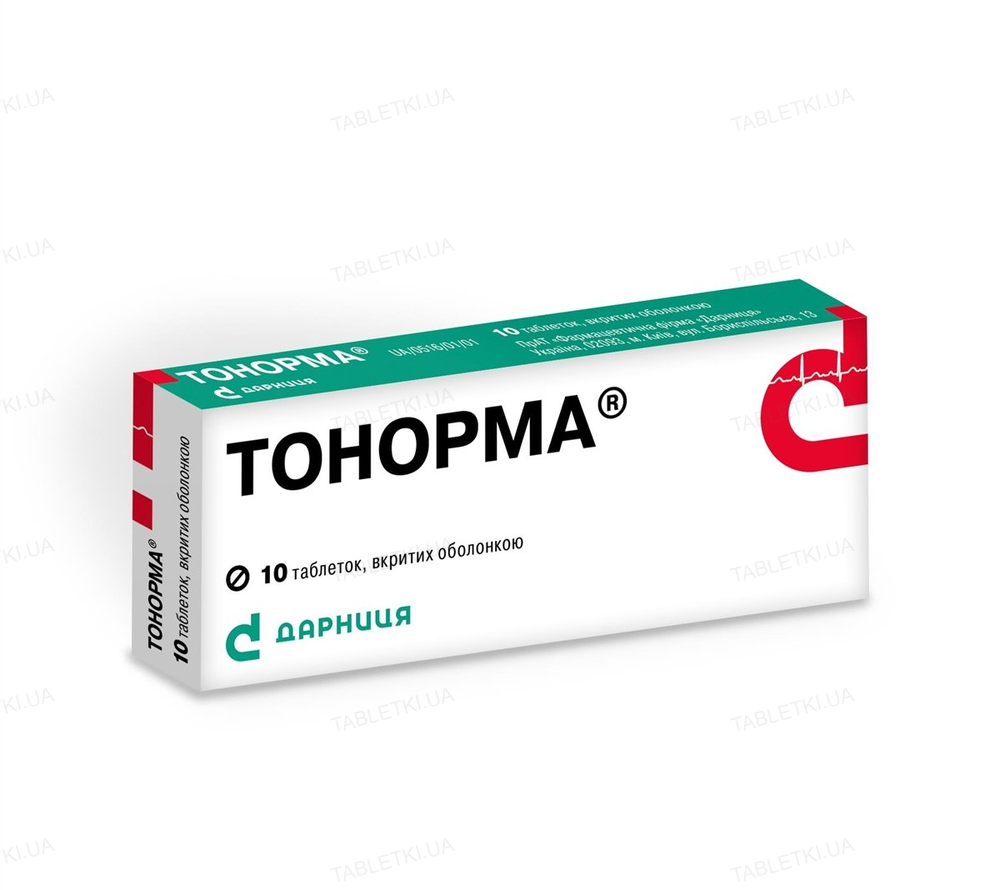
Tonorma tablets, coated, No. 10
Composition
Active ingredients: atenolol, chlortalidone, nifedipine.
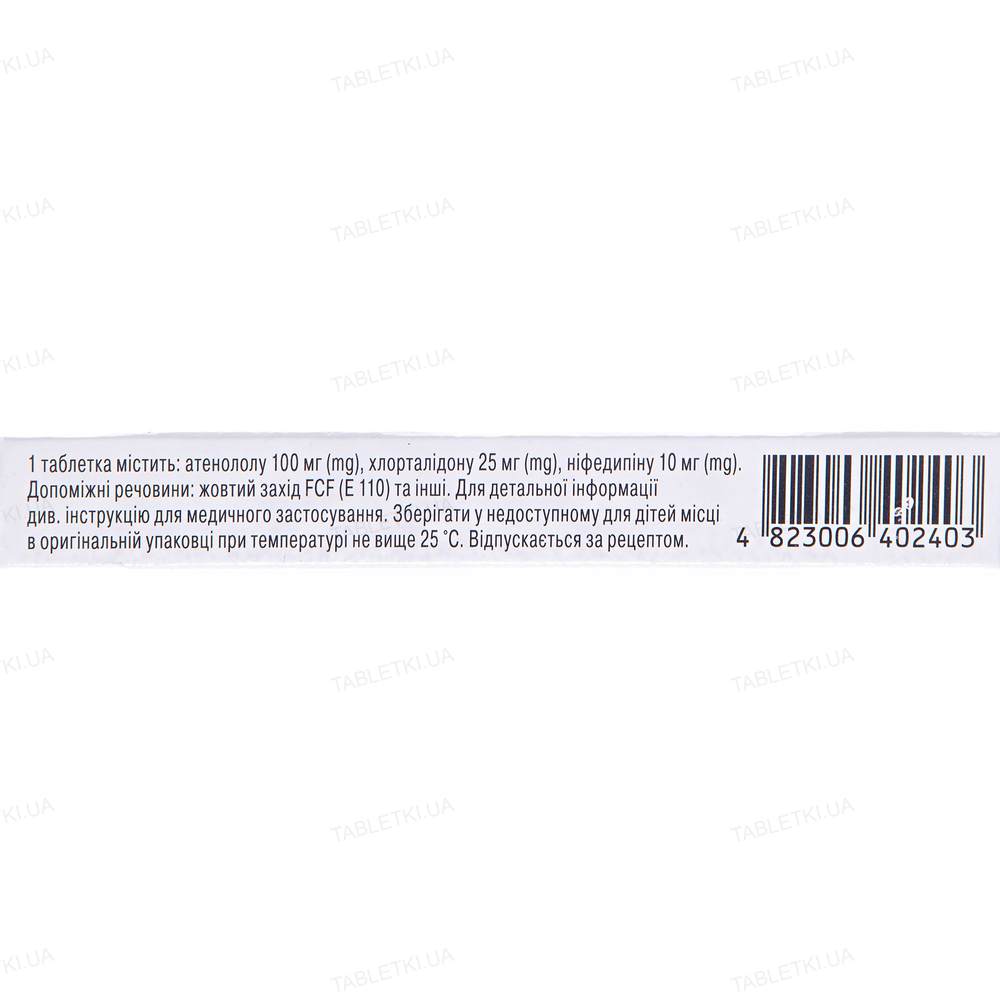
Each tablet contains: 100 mg of atenolol, 25 mg of chlortalidone, and 10 mg of nifedipine;
Inactive ingredients: light magnesium carbonate, potato starch, hypromellose, colloidal anhydrous silicon dioxide, sodium lauryl sulfate, croscarmellose sodium, microcrystalline cellulose, magnesium stearate, polyethylene glycol, titanium dioxide (E 171), Sunset Yellow FCF (E 110).
Dosage Form
Film-coated tablets.
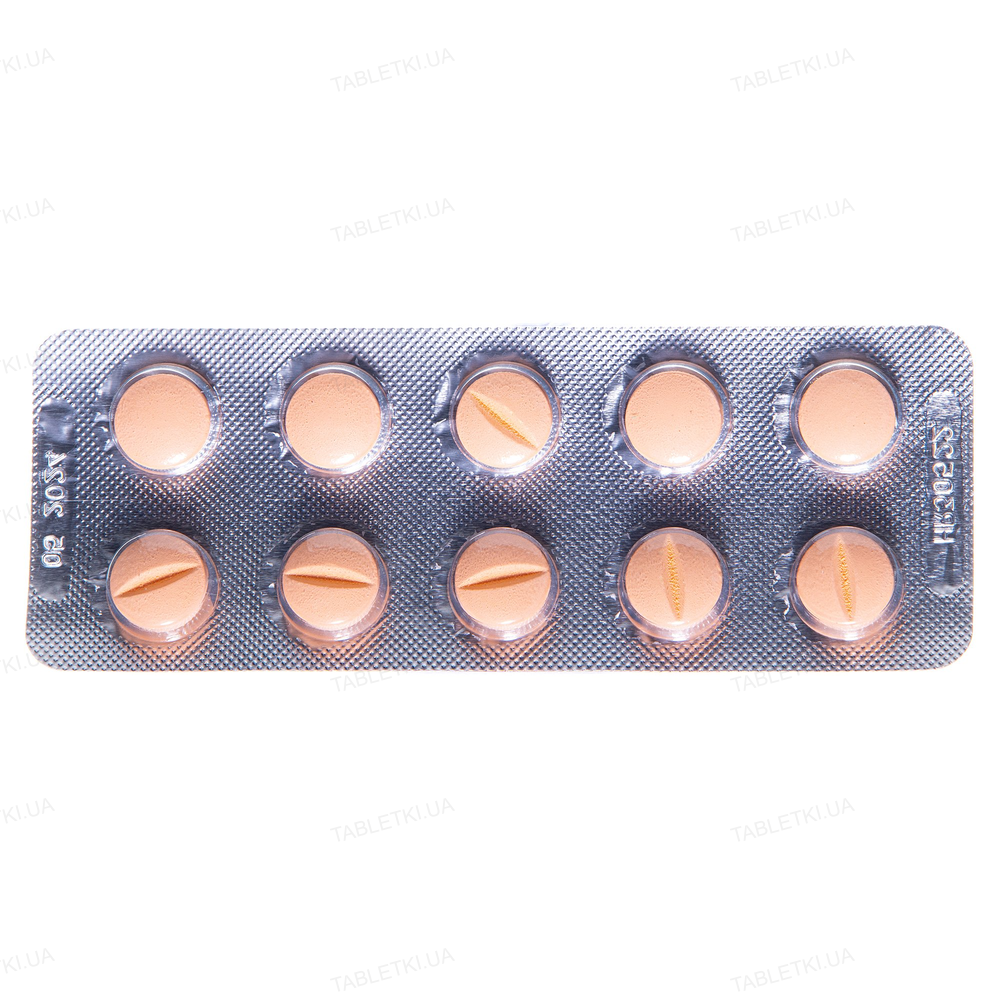
Main physical and chemical properties: film-coated tablets, yellow-orange in color, round in shape, with a biconvex surface and a score line; white specks on the surface are permissible.
Pharmacotherapeutic group
Selective β1-adrenergic blockers in combination with other antihypertensive agents. ATC code C07F B03.
Pharmacological Properties
Pharmacodynamics.
Tonorma® is a combination antihypertensive medication containing atenolol, nifedipine, and chlorthalidone. The drug’s antihypertensive effect is due to the mechanism of action of its components, primarily its main component—atenolol.
Atenolol is a cardioselective β1-adrenergic blocker. It exerts antihypertensive, antianginal, and antiarrhythmic effects. It has no intrinsic sympathomimetic activity or membrane-stabilizing effect. It primarily blocks cardiac β-adrenoreceptors and reduces the stimulatory effect on the heart exerted by the sympathetic nervous system and catecholamines circulating in the blood, thereby reducing the automaticity of the sinus node, decreasing heart rate, slowing atrioventricular conduction, reducing myocardial contractility, and lowering myocardial oxygen demand.
Chlorthalidone is a long-acting thiazide-like diuretic. It blocks the reabsorption of sodium and chloride ions—and, consequently, fluid—in the distal tubules of the nephron. It increases the excretion of potassium and magnesium ions from the body. It delays the excretion of calcium ions and uric acid. It lowers blood pressure by reducing circulating blood volume, decreasing cardiac output, and reducing total peripheral vascular resistance with long-term use.
Nifedipine is a 1,4-dihydropyridine-type calcium channel blocker. It inhibits the transmembrane influx of calcium ions through slow calcium channels into the cell. It acts on the cells of the myocardium and the smooth muscle of the coronary arteries and peripheral vessels. In the heart, nifedipine dilates the coronary arteries, particularly the large blood-supplying vessels, and even the intact segments of the walls of partially stenosed vessels. In addition, nifedipine reduces the tone of the smooth muscles of the coronary arteries, which leads to an increase in coronary blood flow and prevents angiospasm. With long-term use, it prevents the development of atherosclerotic plaques in the vessel walls. It reduces the myocardium’s oxygen demand by decreasing afterload. It reduces the tone of the smooth muscle in arterioles, thereby decreasing the increased resistance of peripheral blood vessels, which leads to a reduction in blood pressure. Nifedipine increases the excretion of sodium and fluid from the body. The antihypertensive effect is particularly pronounced in patients with hypertension.
Pharmacokinetics.
The active ingredients of the drug do not interact with each other; therefore, each component is metabolized separately. After oral administration, its main component, atenolol, is absorbed in the gastrointestinal tract at a rate of 50–60%. Less than 5% of the drug binds to plasma proteins, and the volume of distribution is 0.7 L/kg. It crosses the placental barrier and passes into breast milk. Atenolol hardly crosses the blood-brain barrier. The half-life (T½) is 6–9 hours and may be prolonged in patients with impaired renal function. The pharmacological effects of atenolol persist for a prolonged period—up to 24 hours. 85% of the administered dose is excreted in the urine unchanged.
Nifedipine is rapidly absorbed following oral administration. Peak plasma concentration is reached 30 minutes after administration. The half-life (T½) is 3–4 hours. Approximately 80% is excreted by the kidneys as inactive metabolites, and nearly 15% is excreted in the feces.
Chlorthalidone is well absorbed when taken orally; in the systemic circulation, it is absorbed onto the surface of red blood cells and binds to plasma proteins to a lesser extent. The diuretic effect begins 2–4 hours after administration and lasts for 1 day or longer, sometimes up to 3 days. The half-life (T½) is long—30–40 hours. It is excreted in the urine (approximately 25%) and feces (nearly 75%). A distinctive feature of chlorthalidone’s action is the relative duration of its diuretic effect, which is due to its slow renal excretion.
Indications
Hypertension, in cases where therapy with one or two of the drug’s components is ineffective.
Contraindications
Hypersensitivity to atenolol, chlorthalidone, nifedipine, other dihydropyridines, and β-blockers, or to any other components of the drug.
Myocardial infarction and the first month following a myocardial infarction.
Unstable angina.
Acute heart failure.
Heart failure (NYHA Class III–IV).
Sick sinus syndrome.
Sinus bradycardia (heart rate less than 50 beats per minute).
Second- and third-degree atrioventricular block.
Sinoatrial block.
Clinically significant aortic stenosis.
Hypotension (systolic blood pressure less than 90 mm Hg).
Cardiogenic shock.
Severe peripheral circulatory disorders.
Bronchial asthma, obstructive airway syndrome.
Metabolic acidosis.
Untreated pheochromocytoma.
Ileostomy, colostomy.
Porphyria.
Gout.
Severe hepatic and/or renal insufficiency (glomerular filtration rate less than 30 mL/min), anuria.
Precoma associated with Addison’s disease.
Hypokalemia, hyponatremia, hypercalcemia.
Cardiac glycoside intoxication.
Concomitant use with lithium preparations, MAO inhibitors (except for MAO-B inhibitors), and rifampicin.
Inflammatory bowel disease or Crohn’s disease.
This medication is contraindicated in patients who have received verapamil within the past 48 hours.
Interactions with Other Medications and Other Types of Interactions
When used concomitantly with other medications, the following may occur:
with non-selective monoamine reuptake inhibitors—a dangerous drop in blood pressure; an increase in the effect of chlorthalidone, which is part of this medication; do not use concurrently without a doctor’s supervision;
with antiarrhythmic agents, “slow” calcium channel blockers, and β-adrenergic receptor blockers—an increase in the severity of negative chronotropic, inotropic, and dromotropic effects. This may cause severe hypotension, marked bradycardia, and heart failure. "Slow" calcium channel blockers should not be administered intravenously within 48 hours after discontinuation of β-blockers;
when used with inhalation anesthetics (e.g., halothane, methoxyflurane), the risk of myocardial depression and the development of hypotension increases; therefore, several days before anesthesia, the medication must be discontinued or an anesthetic agent with minimal negative inotropic effects must be selected;
with fentanyl—hypotension may occur. Nifedipine must be discontinued at least 36 hours before elective surgery involving fentanyl anesthesia;
with cardiac glycosides—tachycardia, bradycardia, or arrhythmias may occur, as well as worsening hypokalemia when used concomitantly with digitalis preparations; therefore, laboratory parameters should be monitored. Digitalis preparations and atenolol slow the heart rate and impair atrioventricular conduction. Caution is also advised when prescribing this medication to patients taking digitalis preparations along with an inadequate diet (one that does not meet the body’s potassium requirements) or to those with gastrointestinal disorders;
with hydralazine and prazosin—the antihypertensive effect is enhanced; their combination leads to a greater reduction in blood pressure than when taking either drug alone;
with dihydropyridines (e.g., nifedipine)—increased hypotensive effect, heart failure in patients with chronic heart failure, and cardiac arrhythmias;
with reserpine, guanethidine, guanfacine, or clonidine—bradycardia may occur. When these medications are used concomitantly, clonidine should not be discontinued until several days after the other medication has been discontinued. β1-adrenergic blockers may exacerbate “rebound” hypertension, which may occur after clonidine is discontinued. When used concomitantly with a catecholamine (e.g., reserpine), studies have shown hypotension and/or bradycardia, which may lead to dizziness, syncope, or orthostatic hypotension;
with methyldopa—an increase in the hypotensive effect and the onset of bradycardia;
with nonsteroidal anti-inflammatory drugs (e.g., ibuprofen, indomethacin), estrogens, α- and β-adrenomimetics, aminophylline, theophylline—a reduction in the effect of atenolol, which is a component of the drug;
with cytochrome P450 3A4 inhibitors (including macrolide antibiotics, HIV protease inhibitors, azole antifungals, fluoxetine, nefazodone, cisapride, valproic acid, diltiazem, cimetidine, quinupristin/dalfopristin)—enhanced effect of nifedipine; blood pressure should be monitored when these medications are used concomitantly; azithromycin, which is structurally similar to macrolide antibiotics, does not inhibit cytochrome P450 CYP3A4. Cimetidine inhibits the activity of the cytochrome isoenzyme CYP3A4. In patients already taking cimetidine, nifedipine should be administered with caution and with a gradual increase in dose. When HIV protease inhibitors are used concomitantly with nifedipine, a significant increase in its plasma concentration cannot be ruled out due to reduced first-pass metabolism and decreased elimination from the body;
with cytochrome P450 CYP3A4 inducers (in particular, phenytoin, carbamazepine, phenobarbital)—the effect of nifedipine may be reduced. The use of nifedipine may lead to increased serum concentrations of carbamazepine and phenytoin. Patients already taking nifedipine and phenytoin or carbamazepine concomitantly must be under constant medical supervision. If signs of toxicity appear or serum concentrations of carbamazepine and phenytoin increase, the dose of these medications should be reduced;
with antihypertensive agents of various classes, ACE inhibitors, AT-1 receptor antagonists, diuretics, peripheral vasodilators (PDE-5 inhibitors), nitrates, tricyclic antidepressants, antiepileptic drugs, barbiturates, phenothiazines, baclofen—enhanced hypotensive effect;
with depolarizing muscle relaxants—enhanced effect of the latter;
with digoxin—plasma digoxin concentrations may increase. Plasma digoxin concentrations should be monitored, and doses adjusted at the start of nifedipine therapy, when the dose is increased, and upon discontinuation of nifedipine therapy;
with magnesium sulfate—nifedipine may enhance the toxic effects of magnesium sulfate, leading to neuromuscular blockade. Concomitant use of nifedipine and magnesium sulfate is dangerous and may be life-threatening; therefore, the concurrent use of these drugs is not recommended;
with amiodarone—there is a risk of impaired function of the sinus or atrioventricular node, automaticity, conduction, and contractility of the heart;
with cimetidine—the clearance of atenolol is reduced, leading to increased plasma levels and a potentiation of the therapeutic effect;
With propafenone—the effect of atenolol, which is a component of the medication, is enhanced;
with nicotine – the effect of atenolol is enhanced as a result of reduced metabolism and increased blood levels of the drug;
with potassium-containing medications – the effects of the latter are reduced;
with drugs that depress the central nervous system—increased sedative effect;
with lithium—enhanced effect of lithium;
with narcotic analgesics—increased narcotic effect; dangerous sedation;
with epinephrine and norepinephrine—enhanced effects of the latter, followed by bradycardia;
with sympathomimetic agents—decreased bronchodilator activity;
with anticoagulants such as coumarin—an increase in prothrombin time may be observed after administration of nifedipine. The significance of this interaction has not been fully investigated;
with indirect anticoagulants—potentiation of the effects of the latter;
with oral hypoglycemic agents and insulin—enhancement of the effects of the latter; when these medications are used concomitantly, plasma glucose levels should be monitored;
with anticholinesterase agents, angiotensin-converting enzyme inhibitors (captopril, enalapril, lisinopril)—increased blood potassium levels;
with quinolones and cimetidine—increased bioavailability of atenolol;
with lidocaine—decreased clearance (increased plasma concentration) and an increased risk of toxicity;
with tacrolimus—increased plasma concentration; with theophylline—plasma concentration may increase, decrease, or remain unchanged. Plasma concentrations should be carefully monitored and the dose adjusted as necessary;
with quinidine—a decrease in quinidine’s plasma concentration, while quinidine may increase the patient’s sensitivity to nifedipine. When these medications are used concomitantly, blood pressure should be monitored, and attention should be paid to the adverse effects of nifedipine. Before starting treatment and after discontinuing the drug, the concentration of quinidine should be carefully monitored and, if necessary, the dose adjusted. If a patient already taking quinidine begins treatment with nifedipine, attention should be paid to the adverse effects of nifedipine;
plasma levels of nifedipine may increase when taken with quinopristine or dalfopristine;
Caution is advised when prescribing a β1-adrenergic blocker in combination with Class I antiarrhythmic agents (desopyramide), as the cardiodepressive effects may be additive.
When used concomitantly with euphyllin or theophylline, mutual inhibition of therapeutic effects is possible.
Concomitant use of diuretics (chlorthalidone, which is a component of this medication) with lithium preparations reduces the renal clearance of lithium.
Concomitant use with glucocorticosteroids, amphotericin, or furosemide promotes increased potassium excretion.
Concomitant use with rifampicin may be accompanied by a decrease in nifedipine plasma concentrations and, consequently, a reduction in its therapeutic effect. If angina attacks or elevated blood pressure occur during the concurrent use of nifedipine and rifampicin, the dose of nifedipine should be increased;
with vincristine – a decrease in vincristine excretion is observed;
with cephalosporins – increased plasma levels of cephalosporins;
with cyclosporine, ritonavir, or saquinavir—an increase in nifedipine concentration (these drugs inhibit the activity of the CYP3A4 cytochrome isoenzyme). If side effects of nifedipine occur, the dose should be reduced;
with methacholine—the bronchial response to methacholine may be altered. Nifedipine treatment should be discontinued prior to performing a nonspecific methacholine bronchial provocation test (if possible);
Grapefruit juice inhibits the cytochrome P450 3A4 system. Concomitant use of this medication with grapefruit juice leads to increased plasma concentrations of nifedipine and prolongation of its effect due to reduced metabolism. This may result in an enhanced hypotensive effect.
Other types of interactions.
The use of nifedipine may cause falsely elevated spectrophotometric values of vanillylmandelic acid in plasma. However, when determined by high-performance liquid chromatography, no such effect is observed.
Ethyl alcohol potentiates the drug’s effect.
Quitting smoking enhances the therapeutic effect of atenolol by reducing its metabolism and increasing the drug’s concentration in the blood.
Special Considerations for Use
Treatment with this drug should be conducted under a physician’s supervision.
Use this medication with caution in patients with impaired liver or kidney function, first-degree atrioventricular block, heart failure (NYHA Class II), peripheral circulatory disorders (Raynaud’s syndrome, obliterative diseases of the lower extremities), Prinzmetal angina, water-electrolyte imbalances, pulmonary emphysema, psoriasis, depression, gastrointestinal disorders, diabetes mellitus, hypoglycemia; and in elderly patients.
Heart failure.
This medication reduces the heart rate. If the heart rate slows, the dose should be adjusted.
To maintain circulatory function in chronic heart failure, stimulation of the sympathetic nervous system is necessary. β1-receptor blockade poses a potential risk of further suppression of myocardial contractility and leads to more severe heart failure.
At the first signs of decompensated heart failure, discontinue use of the drug and consult a physician.
Use with caution in patients with chronic heart failure controlled by digitalis preparations and/or diuretics, as digitalis preparations and atenolol slow atrioventricular conduction.
Ischemic heart disease.
This medication should not be used if there is a possible association between previous use and ischemic pain.
Discontinuation of the drug should be gradual, as some β1-blockers may exacerbate angina in patients with ischemic heart disease and, in some cases, accelerate the onset of myocardial infarction (withdrawal syndrome). Therefore, such patients should discontinue therapy with this medication with caution and only under a doctor’s supervision.
In patients with angina, attacks may occur more frequently, and their duration and intensity may increase, especially at the start of treatment. Use is contraindicated in patients experiencing an acute angina attack.
Even in the absence of current angina, discontinuation of the drug should be carried out under a doctor’s supervision gradually, by reducing the dose over 7–10 days and minimizing physical exertion.
Since ischemic heart disease is common and may go unrecognized, it is advisable not to abruptly discontinue therapy with this medication, even in patients who have been treated for arterial hypotension.
When treating coronary angiospasm in the post-infarction period, treatment should begin approximately 3–4 weeks after a myocardial infarction and only once coronary circulation has stabilized.
Arterial hypertension and hypotension.
When this medication is used in combination with other antihypertensive agents, postural hypertension may occur. Blood pressure should be monitored in patients.
Use this medication with extreme caution in patients with malignant hypertension and hypovolemia who are undergoing hemodialysis, as a significant decrease in blood pressure may occur due to vasodilation.
This medication is contraindicated in cases of very low blood pressure (severe hypotension with systolic blood pressure below 90 mm Hg), as well as in cases of severe cardiac weakness (decompensated heart failure).
Concomitant use of calcium channel blockers.
May lead to bradycardia, increased diastolic pressure (when β1-blockers are used with verapamil or diltiazem), atrioventricular block, or death. Patients with pre-existing intra-atrial conduction disturbances or left ventricular dysfunction are particularly sensitive to the effects of this medication.
Renal and hepatic insufficiency.
In cases of impaired liver and/or kidney function, the progression of their functional status should be monitored, as the drug may induce azotemia. Given that a cumulative effect may develop in patients with mild renal insufficiency, and if renal function continues to deteriorate, treatment with this drug should be discontinued.
Creatinine levels should be monitored periodically in patients with impaired renal function.
Use with caution in patients with impaired liver function. In patients with impaired liver function or progressive liver disease, even a slight change in water-electrolyte balance may lead to hepatic coma.
Therefore, this medication should be prescribed with caution to such patients.
Metabolism and Endocrine Disorders.
Use this medication with caution in patients with diabetes mellitus due to the possibility of masking symptoms of hypoglycemia (tachycardia, dizziness, sweating, etc.).
At recommended doses, atenolol does not potentiate insulin-dependent hypoglycemia and, unlike nonselective β1-blockers, does not delay the restoration of blood glucose to normal levels.
Insulin requirements in patients with diabetes may increase, decrease, or remain unchanged.
Latent diabetes mellitus may become apparent during treatment with chlorthalidone.
This medication should be used with caution during prolonged fasting and intense physical exertion (severe hypoglycemia may occur). Blood glucose levels should be monitored.
The decision to discontinue treatment with this medication or to conduct careful monitoring should be made in patients with suspected thyrotoxicosis, as β-blockers may mask certain clinical symptoms of hyperthyroidism, such as tachycardia. Abrupt discontinuation of therapy with this drug may trigger an exacerbation of the disease.
This medication should not be used prior to parathyroid function tests, as thiazides reduce calcium excretion.
During long-term therapy with thiazides, patients have exhibited pathological changes in the parathyroid gland with hypercalcemia and hypophosphatemia; however, general complications of hyperparathyroidism, such as nephrolithiasis, bone atrophy, and peptic ulcer, have not been reported.
Any chloride deficiency during thiazide therapy is generally mild and does not require specific treatment, except in exceptional circumstances (e.g., liver or kidney disease).
Some patients receiving thiazide therapy may experience hyperuricemia or acute gout. The hypotensive effects of thiazides may be enhanced in patients who have undergone sympathectomy.
If withdrawal syndrome occurs, treatment with the drug should be resumed.
Untreated pheochromocytoma.
This medication must not be used in patients with untreated pheochromocytoma. When prescribing this medication to patients with pheochromocytoma, α-adrenergic receptor blockers must be administered in advance to prevent the development of a hypertensive crisis.
Water and electrolyte balance.
Plasma and urine electrolyte levels should be monitored periodically to detect possible electrolyte imbalances (e.g., hyponatremia, hypochloremic alkalosis, and hypokalemia), and monitor creatinine levels—this is especially important for patients with uncontrollable vomiting or those receiving parenteral fluids. Signs or symptoms of fluid and electrolyte imbalance include dry mouth, thirst, weakness, lethargy, drowsiness, nervousness, muscle pain or cramps, muscle weakness, hypotension, oliguria, tachycardia, and gastrointestinal disturbances such as nausea and vomiting.
Potassium levels should be monitored periodically, especially in elderly patients, in patients taking digitalis preparations for the treatment of heart failure, in patients with an unbalanced diet, or in patients complaining of gastrointestinal disturbances.
Hypokalemia may develop particularly in patients with increased diuresis, in the presence of severe cirrhosis, or during concomitant use of corticosteroids or adrenocorticotropic hormone.
Oral administration of electrolytes may also contribute to the development of hypokalemia. Hypokalemia may increase sensitivity or intensify the heart’s response to the toxic effects of digitalis preparations (e.g., increase ventricular sensitivity).
Hypokalemia can be corrected or treated by taking potassium supplements or consuming foods high in potassium.
Any chloride deficiency during thiazide therapy is generally mild and does not require specific treatment except in exceptional circumstances (e.g., liver or kidney disease).
Dilutional hyponatremia may occur in patients with edema during hot weather. Appropriate therapy involves restricting fluid rather than salt, except in rare cases where hyponatremia is life-threatening.
Anesthesia and Surgery.
Prior to surgery under general anesthesia, it may be necessary to discontinue the medication. In such cases, 48 hours must elapse between the last dose of the medication and anesthesia. If treatment continues, caution should be exercised when using anesthetics—select an anesthetic agent for general anesthesia with minimal negative inotropic effects. If vagal dominance occurs, it can be reversed with atropine (1–2 mg intravenously).
However, this medication should be used with caution in combination with anesthetics due to the suppression of reflex tachycardia and an increased risk of arterial hypotension.
Analgesics that cause myocardial depression should be avoided.
β1-blockers are competitive inhibitors of β1-receptor agonists, and their effects on the heart may be completely altered when drugs such as dobutamine or isoproterenol are administered.
Bronchial Obstructive Syndrome.
This medication should not be used in patients with bronchial obstructive syndrome, other bronchospastic conditions, or acute episodes of stable angina.
However, since this medication is a selective β1-adrenergic blocker, it may be used with caution in patients with bronchial obstructive syndrome who do not respond to or cannot tolerate other antihypertensive therapies. Since the selectivity of β1-adrenergic blockers is not absolute, the drug should be used at the lowest possible doses and with the option of using β2-adrenergic agonists. If the dosage needs to be increased, the dose should be divided to achieve the lowest possible peak plasma levels of the drug.
In patients with a history of bronchial asthma who are receiving thiazides, hypersensitivity reactions may occur.
Allergic reactions.
Use this medication with extreme caution in patients with a history of severe hypersensitivity reactions and in patients receiving desensitization therapy to reduce adrenergic counteraction.
Gastrointestinal tract.
Use this medication with caution in patients with severe narrowing of the gastrointestinal tract due to the potential for obstructive symptoms. Intestinal obstructions may occur, which may require surgical intervention.
In rare cases, obstructive symptoms have been reported in patients with no history of gastrointestinal disorders.
Do not use in patients with an ileostomy (following proctocolectomy).
General disorders.
Some in vitro studies have shown a correlation between the use of calcium channel blockers, particularly nifedipine, and reversible biochemical changes in sperm that impair their fertilization capacity.
Use of this medication may lead to false-positive results in X-ray examinations using a barium contrast agent (for example, filling defects may be interpreted as polyps) and in spectrophotometric determination of vanillylmandelic acid concentration in urine (however, this effect is not observed when using high-performance liquid chromatography).
A positive result on a doping test is possible during use of this medication.
There have been reports of exacerbation of systemic lupus erythematosus.
Treatment with atenolol may alter the results of certain laboratory tests: increased levels of lipoproteins, cholesterol, and potassium in serum, as well as increased levels of catecholamines and their metabolites in urine and blood.
Although a link between atenolol and depression has not been established, the drug should be used with caution in these patients.
Elderly patients should be prescribed lower doses of atenolol, especially if they have impaired kidney function.
Alcohol consumption should be discontinued during treatment.
Excipients.
This medication contains sodium compounds. Caution should be exercised when administering it to patients on a sodium-restricted diet.
This medication contains propylene glycol—it may cause symptoms similar to those experienced when consuming alcohol.
This medication contains Sunset Yellow FCF (E 110)—which may cause allergic reactions.
Use During Pregnancy or Breastfeeding.
This medication is contraindicated during pregnancy or breastfeeding.
Effect on reaction time when driving or operating machinery.
During treatment, exercise caution when driving or operating complex machinery; if dizziness occurs, refrain from potentially hazardous activities that require increased concentration and rapid psychomotor reactions.
Dosage and Administration
Adults should take this medication orally during or after meals, without chewing, preferably at the same time each day. The dose and duration of treatment are determined by the doctor on an individual basis. The average dose for adults is 1–2 tablets per day.
Children.
Do not administer this medication to children.
Overdose
Symptoms: The clinical picture depends on the degree of intoxication and manifests primarily as disturbances of the cardiovascular and central nervous systems.
Overdose may lead to increased drowsiness, dizziness, nausea, hypotension, tachycardia or bradycardia, heart failure, and cardiogenic shock. In severe cases, respiratory distress, bronchospasm, vomiting, altered consciousness up to coma, hypovolemia, electrolyte imbalances with cardiac arrhythmias and muscle spasms, arrhythmias, second- or third-degree AV block, acute heart failure, hyperglycemia, hypoglycemia, metabolic acidosis, hypoxia, collapse with loss of consciousness, and cardiogenic shock accompanied by pulmonary edema and tachycardia; extremely rarely—generalized seizures.
Treatment: In case of overdose or a life-threatening decrease in heart rate and/or blood pressure, treatment with the drug should be discontinued. In intensive care units, vital signs should be closely monitored and corrected as necessary. Continuous monitoring of cardiovascular and respiratory function, blood glucose and electrolyte (potassium, calcium) levels in plasma, daily urine output, and circulating blood volume is required.
In addition to gastric lavage and the use of adsorbents, administer the following if necessary:
- atropine (0.5–2 mg intravenously as a bolus);
- glucagon: an initial dose of 1–10 mg intravenously (as a bolus), followed by 2–2.5 mg/hour as a continuous infusion;
- sympathomimetics depending on body weight and response (dopamine, dobutamine, isoprenaline, oxiprenaline, or epinephrine).
If medical treatment of bradycardia is ineffective, pacemaker implantation may be considered.
In cases of arterial hypotension, administer plasma or plasma substitutes.
Due to its positive inotropic effect, dobutamine may also be used to treat hypotension and acute heart failure. The doses listed above are likely to be insufficient to relieve cardiac symptoms associated with β-blockade in cases of significant overdose. Therefore, if necessary, the dose of dobutamine may be increased until the desired response is achieved, depending on the patient’s clinical condition.
For bronchospasm, administer β2-sympathomimetics as an aerosol (or intravenously if the effect is insufficient) or intravenous aminophylline.
In cases of generalized seizures, administer diazepam by slow intravenous infusion.
In cases of significant diuresis, maintain normal fluid and electrolyte balance in the body.
Since nifedipine is characterized by a high degree of binding to plasma proteins and a relatively small volume of distribution, hemodialysis is ineffective; however, plasmapheresis is recommended.
Side Effects
Ocular: visual disturbances (including temporary blindness at maximum nifedipine serum concentrations), transient retinal ischemia, decreased visual acuity, decreased or increased tear secretion, conjunctivitis, dry eyes, eye pain, xanthopsia.
Ear and inner ear disorders: tinnitus, balance disorders.
Respiratory system, thoracic, and mediastinal disorders: nosebleeds, nasal congestion, cough, shortness of breath, stridor, dyspnea, symptoms of bronchial obstruction; bronchospasm in patients with a history of bronchial asthma, upper respiratory tract infections, cough, and nasal congestion.
Gastrointestinal system: gastrointestinal disorders, constipation, diarrhea, abdominal pain, nausea, belching; black stools, heartburn, taste disturbances, dyspepsia, flatulence, dry mouth, anorexia, gingival hyperplasia, vomiting, gastroesophageal sphincter insufficiency, dysphagia, bezoar, intestinal obstruction, intestinal ulcer, gastric irritation, cramps, mesenteric arterial thrombosis, ischemic colitis.
Liver and biliary tract disorders: hepatotoxicity, including hepatitis, intrahepatic cholestasis, transient elevation of liver enzymes, jaundice, pancreatitis (predominantly in women), and liver dysfunction.
Renal and urinary system disorders: polyuria, dysuria, nocturia, hematuria, difficulty urinating, interstitial nephritis.
Metabolism and nutrition disorders: hypoglycemia or hyperglycemia (especially in patients with diabetes mellitus), impaired glucose tolerance, gout, weight gain, bezoar.
Nervous system disorders: headache, vertigo, migraine, dizziness, impaired coordination, lethargy, tremor, syncope, paresthesia/dysesthesia, hypoesthesia, drowsiness, short-term memory loss, loss of consciousness.
Psychiatric: sleep disturbances (insomnia, drowsiness, restless sleep), anxiety, mood changes (including depression), nightmares, confusion, psychosis, agitation, aggression, hallucinations, impaired concentration, disorientation, paranoid syndrome.
Cardiac: bradycardia, tachycardia, palpitations, worsening of heart failure, atrioventricular conduction disturbances, angina, hot flashes, edema, sick sinus syndrome, arrhythmia, cases of asymptomatic myocardial ischemia, exacerbation of existing myocardial ischemia.
Vascular: cold extremities, swelling of the feet, ankles, or lower legs, vasodilation, arterial hypotension, orthostatic hypotension, syncope, worsening of intermittent claudication in patients with Raynaud’s syndrome, necrotizing vasculitis, and lupus-like syndrome. In patients with malignant hypertension and hypovolemia who are undergoing hemodialysis, a significant decrease in blood pressure may occur due to vasodilation.
Blood and lymphatic system disorders: changes in blood count, thrombocytopenia, agranulocytosis, leukopenia, purpura, neutropenia, pancytopenia, anemia, aplastic anemia, eosinophilia.
Immune system disorders: hypersensitivity reactions, including allergic edema (including laryngeal edema), allergic reactions, anaphylactic/anaphylactoid reactions.
Skin and subcutaneous tissue disorders: hyperemia, pruritus, rash, erythematous rash, erythema, urticaria, angioedema, dermatitis; alopecia, psoriasis-like skin reactions, exacerbation of psoriasis, photosensitivity, purpura, toxic epidermal necrolysis, exfoliative dermatitis, Lyell’s syndrome, Stevens-Johnson syndrome, systemic lupus erythematosus.
Musculoskeletal and connective tissue disorders: back pain, muscle weakness, muscle cramps, joint swelling, arthralgia, arthritis with positive antinuclear antibodies, gout, myalgia.
Reproductive system and breast disorders: libido disorders, erectile dysfunction, impotence, gynecomastia, Peyronie’s disease.
Laboratory findings: hyperuricemia, hyponatremia, hypokalemia, hypomagnesemia, hypochloremic alkalosis, hyperglycemia, glucosuria, impaired glucose tolerance, elevated serum transaminases, elevated bilirubin, hypercalcemia, hypercholesterolemia, hypertriglyceridemia, elevated antinuclear antibody levels.
General disorders: general weakness, increased fatigue, malaise, nonspecific pain, chills, increased sweating, fever accompanied by sore throat and inflammation.
Shelf life
2 years.
Storage conditions
Store out of the reach of children in the original packaging at a temperature not exceeding 25 °C.
Packaging
10 tablets per blister pack; 1 or 3 blister packs per package.
Manufacturer
PJSC “Darnitsa Pharmaceutical Company.”
Address
Ukraine, 02093, Kyiv, 13 Boryspilskaya St.







