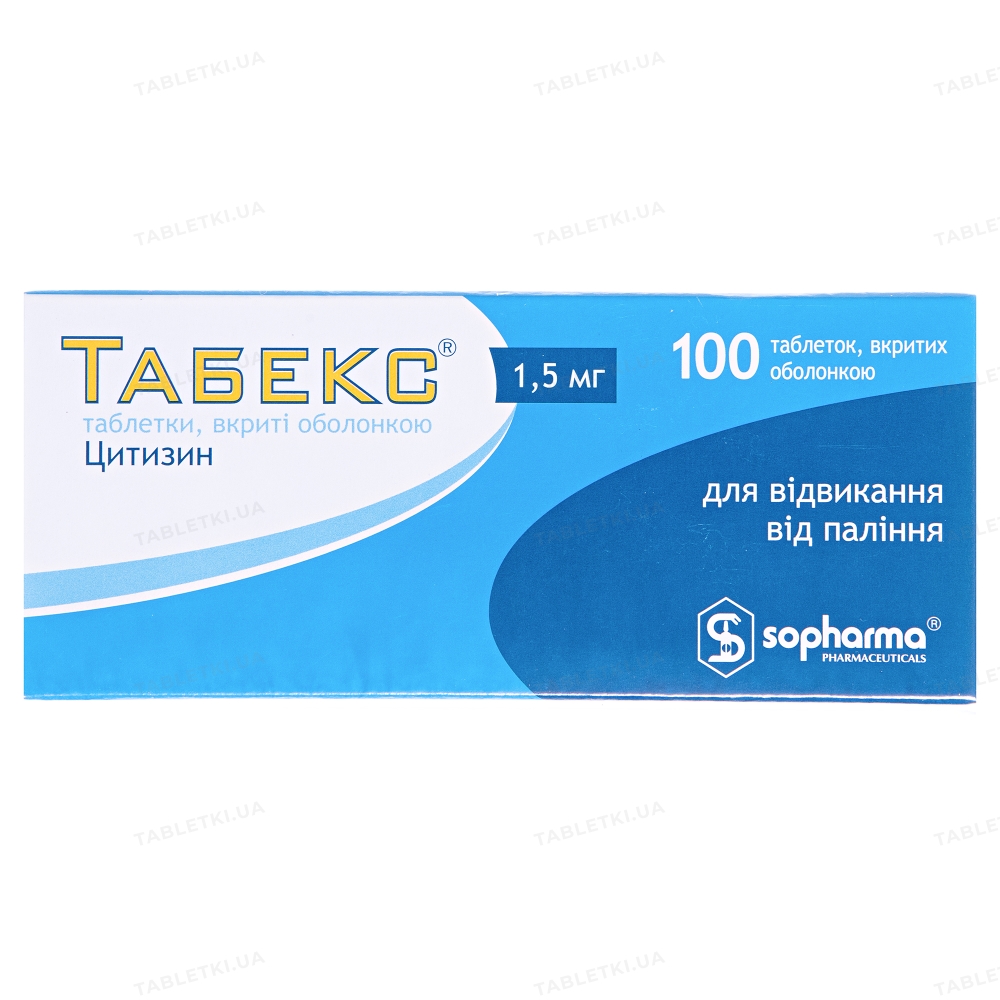
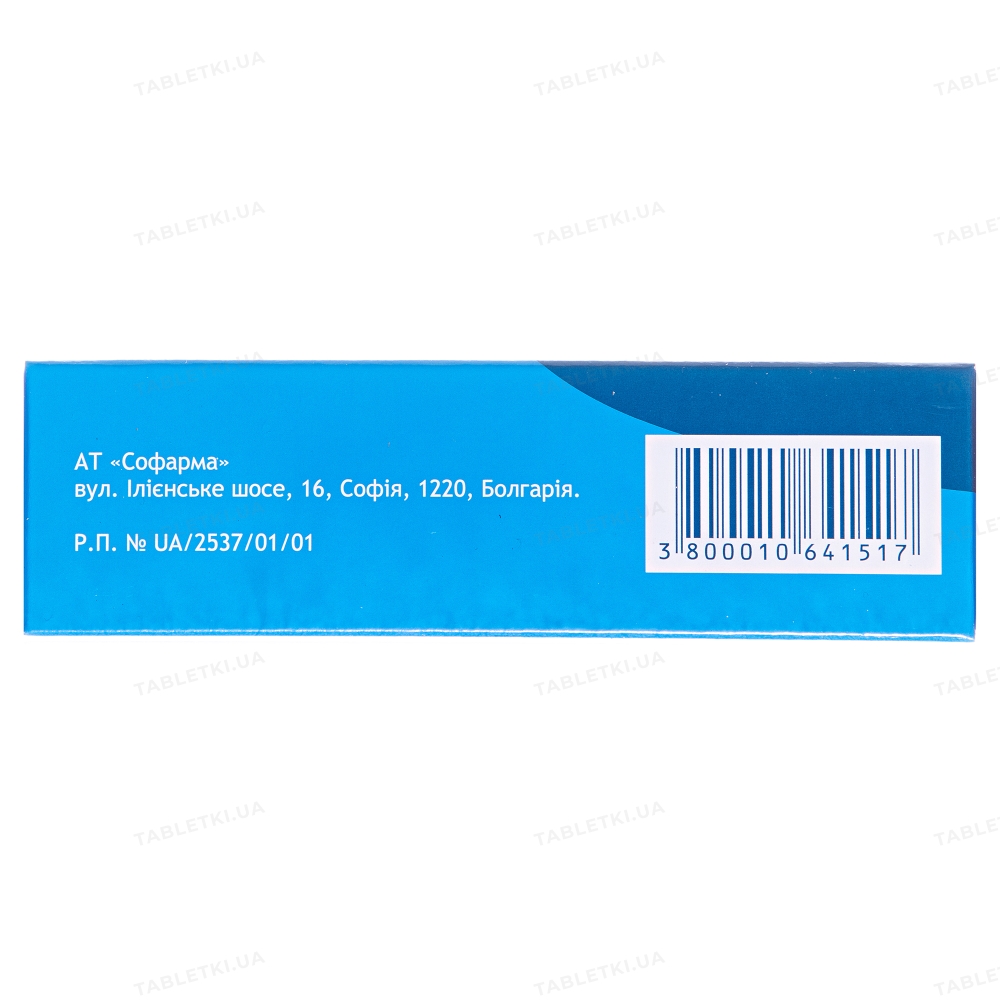
Tabex tablets, coated, 1.5 mg each, No. 100 (20 x 5)
Ingredients
Active ingredient: cytisine;
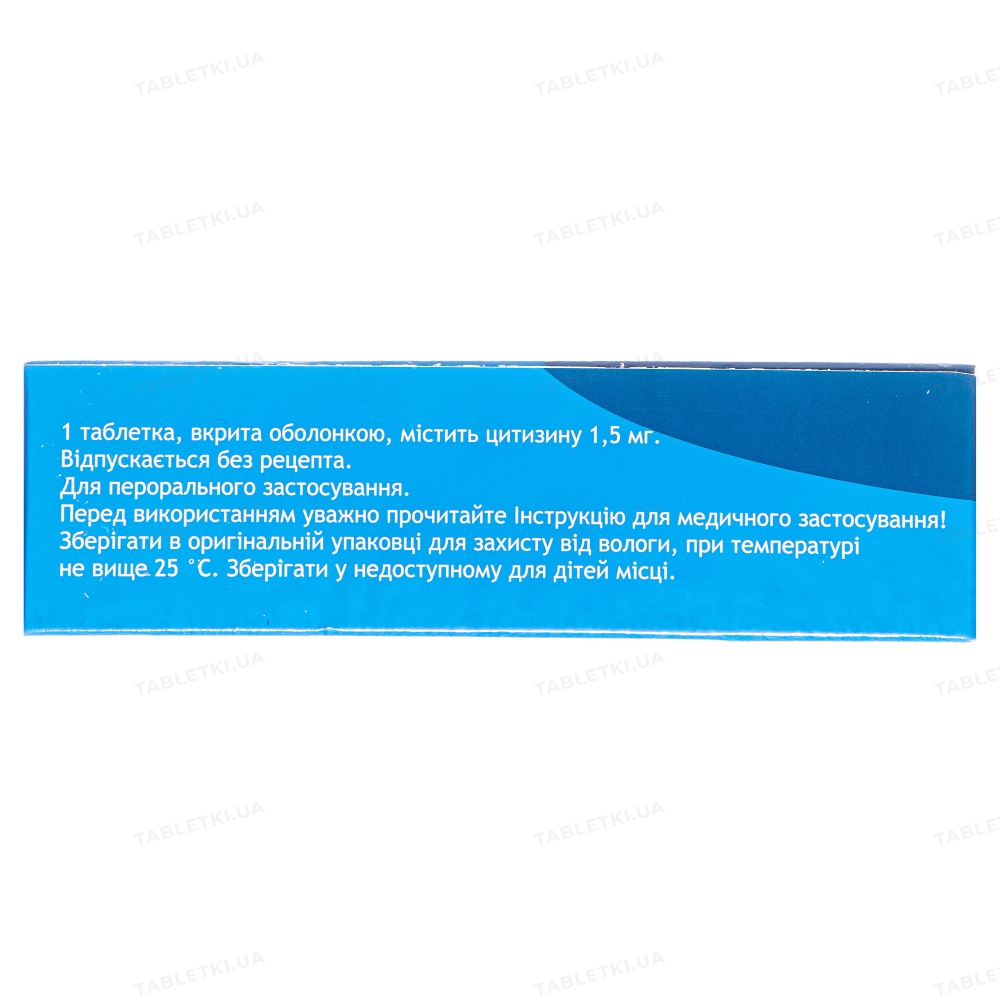
1 film-coated tablet contains 1.5 mg of cytisine;
excipients: powdered cellulose, calcium sulfate dihydrate, colloidal anhydrous silicon dioxide, magnesium stearate;
film coating: Opadry II Brown 85G 265001 [partially hydrolyzed polyvinyl alcohol, titanium dioxide (E 171), polyethylene glycol 4000, lecithin, talc, yellow iron oxide (E 172), red iron oxide (E 172), black iron oxide (E 172)].
Dosage Form
Film-coated tablets.
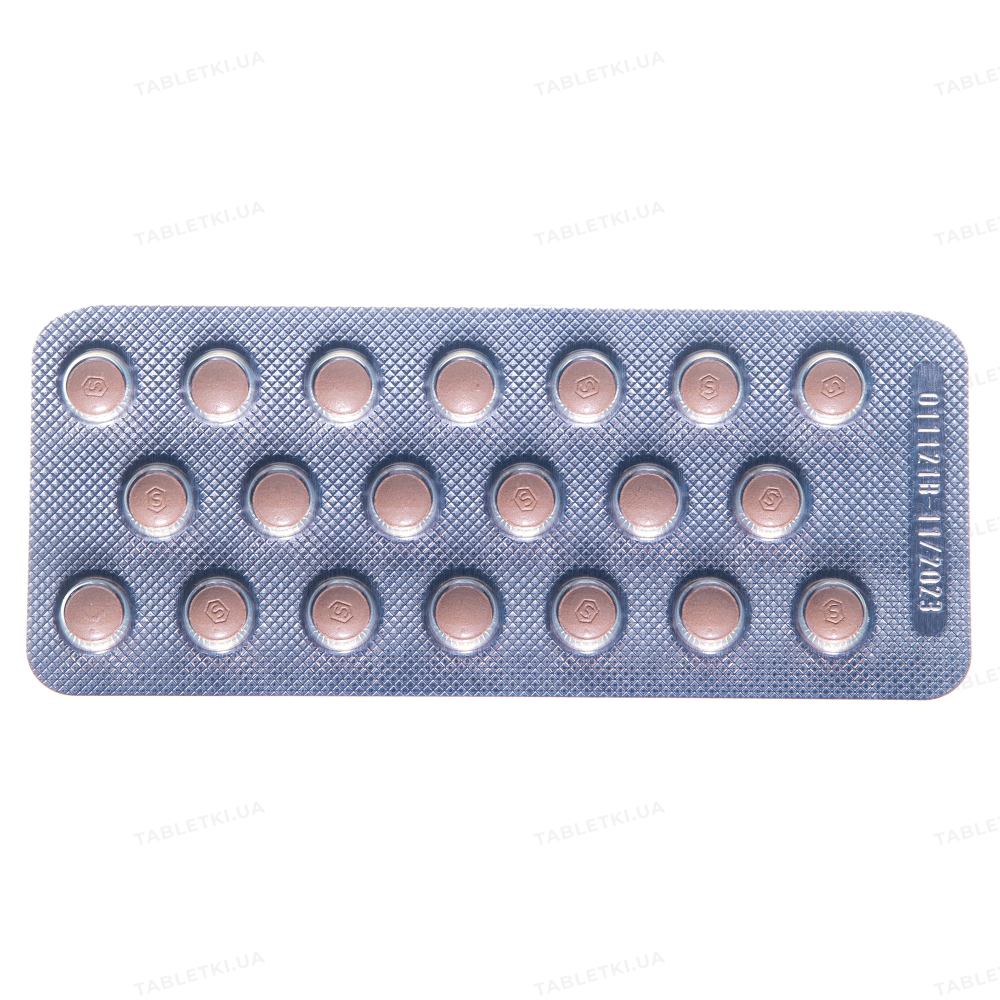
Main physical and chemical properties: round, biconvex, film-coated tablets, 5.5 mm in diameter, with an engraving on one side of the tablet, beige in color.
Pharmacotherapeutic group
Medications used for nicotine dependence.
ATC code N07B A04.
Pharmacological properties
Mechanism of action.
Cytisine is an alkaloid derived from the plant Cytisus Laburnum.
It has a chemical structure similar to that of nicotine and lobeline. It selectively and competitively binds to receptors, exhibits partial agonist activity at nicotinic acetylcholine receptors, and, in particular, has a high affinity for the α4β2 subtype. Thus, it prevents nicotine from binding to α4β2 receptors and stimulating the central mesolimbic dopamine system, which is associated with the mechanisms of nicotine dependence, due to nicotine’s ability to activate these receptors.
Pharmacodynamics.
The drug’s effect consists of stimulating the ganglia of the autonomic nervous system, reflexively stimulating respiration, releasing epinephrine from the medulla of the adrenal glands, and increasing blood pressure. The mechanism of action of cytisine is similar to that of nicotine, but with much lower toxicity and greater therapeutic effect. Cytisine competitively inhibits the interaction of nicotine with its receptors, leading to a gradual reduction and eventual elimination of nicotine dependence.
Pharmacokinetics.
Absorption: Cytisine is rapidly absorbed from the gastrointestinal tract following oral administration. A maximum plasma concentration of 15.55 ng/mL is reached within 0.92 hours.
Distribution: No data are available on the volume of distribution in humans.
Biotransformation and Excretion: Cytisine is not metabolized in the body. Up to 64% of the administered dose is excreted unchanged in the urine within 24 hours. The half-life is approximately 4 hours. The average retention time of cytisine in the body is approximately 6 hours.
Indications
For chronic nicotine dependence—to help quit smoking.
Contraindications
Hypersensitivity to the active ingredient or to any of the excipients; acute myocardial infarction; unstable angina; cardiac arrhythmia; recent cerebrovascular disease, atherosclerosis, severe hypertension, pregnancy, and breastfeeding.
Drug Interactions and Other Interactions
Smoking is associated with increased CYP1A2 activity. After smoking cessation, the activity of this isoenzyme may decrease, which may lead to increased plasma concentrations of drugs metabolized by CYP1A2, such as theophylline, ropinirole, clozapine, and olanzapine. In these cases, their side effects may be exacerbated, as these drugs have a narrow therapeutic index.
When Tabex® is used concomitantly with cholinergic agents and anticholinesterase drugs, cholinergic side effects may be exacerbated.
Concomitant use with antihyperlipidemic drugs (statins) increases the risk of myalgia. Concomitant use of Tabex® with antihypertensive drugs may reduce their effectiveness.
Special Considerations for Use
Tabex® should be used only if the patient is seriously committed to quitting smoking. Using this medication while continuing to smoke may lead to an increase in nicotine-related side effects (including nicotine intoxication).
There is insufficient clinical experience with the use of Tabex® in patients with ischemic heart disease, heart failure, hypertension, cerebrovascular diseases, peripheral arterial disease, hyperthyroidism, peptic ulcer disease, diabetes mellitus, or renal or hepatic insufficiency. In these patient groups, the drug should be prescribed only after a physician has carefully assessed the benefit-risk ratio.
Due to the lack of relevant studies on the safety of this medication in patients with certain forms of schizophrenia, patients with adrenal chromaffin tumors and gastroesophageal reflux disease, administration is possible only after a careful assessment of the benefit-risk ratio.
There is insufficient clinical experience regarding the safe use of Tabex® in children (under 18 years of age) and the elderly (over 65 years of age); therefore, its use in these age groups is not recommended.
Use During Pregnancy or Breastfeeding.
Use of this medication is contraindicated during pregnancy or while breastfeeding.
Effect on reaction time when driving or operating machinery.
Use of Tabex® usually does not affect reaction time when driving or operating machinery.
However, since sensitive patients may occasionally experience side effects (drowsiness, dizziness) while taking the medication, they should refrain from driving or operating machinery at the start of treatment.
Dosage and Administration
Adults
Administer the medication according to the following schedule: on days 1 through 3, take 1 tablet every 2 hours (6 tablets per day). At the same time, gradually reduce the number of cigarettes smoked. If the result is unsatisfactory, treatment should be discontinued and may be resumed after 2–3 months. If a positive effect is observed, continue treatment according to the following schedule:
Days 4 through 12: 1 tablet every 2.5 hours (5 tablets per day);
from day 13 to day 16 – 1 tablet every 3 hours (4 tablets per day);
from day 17 to day 20 – 1 tablet every 5 hours (3 tablets per day);
Days 21 through 25 – 1 to 2 tablets per day.
Swallow the tablets whole with plenty of liquid.
You must quit smoking completely by the fifth day of treatment. After completing the treatment course, you must exercise self-control and refrain from smoking even a single cigarette.
Duration of treatment (according to the regimen).
Patients aged 65 and older
Use of this medication is not recommended for this age group.
Children.
Do not use in children.
Overdose
Symptoms of overdose: nausea, vomiting, profuse sweating, tremor, visual disturbances, general weakness, tachycardia, clonic seizures, respiratory paralysis.
Treatment: gastric lavage; if the patient is conscious—infusion of saline solutions; administration of anticonvulsants, cardiotonics, analeptics, and other symptomatic agents. Monitor respiration, blood pressure, and heart rate.
Side Effects
The drug is generally well tolerated. Side effects ranging from mild to moderate in severity may rarely occur. Most of these occur at the start of treatment and resolve as treatment continues. They are most often associated with smoking cessation and manifest as dizziness, headache, and insomnia.
Endocrine system: increased sweating, weight loss.
Nervous system: headache, dizziness, insomnia, drowsiness, increased irritability.
Cardiac: tachycardia, palpitations.
Vascular system: slight increase in blood pressure.
Respiratory system, thoracic, and mediastinal disorders: dyspnea.
Gastrointestinal system: changes in taste and appetite, dry mouth, abdominal pain, nausea, constipation, diarrhea, upper abdominal pain, dyspepsia, vomiting.
Musculoskeletal and connective tissue disorders: myalgia.
General disorders: chest pain.
Shelf life
2 years.
Storage conditions
Keep out of reach of children.
Store in the original packaging to protect from moisture, at a temperature not exceeding 25 °C.
Packaging
20 film-coated tablets in a blister pack made of PVC/PE/PVDC/PE/PVC film and aluminum foil. 5 blister packs in a cardboard box.
Dispensing Category
Over-the-counter.
Manufacturer
Batch release authorization:
Sofarma JSC.
PJSC “Vitamins.”
Locations of manufacturers and their business addresses.
Sofarma JSC
16 Ilienske Shose, Sofia, 1220, Bulgaria.
PJSC “Vitamins”
Ukraine, 20300, Cherkasy Oblast, Uman, 31 Leninska Iskra St.