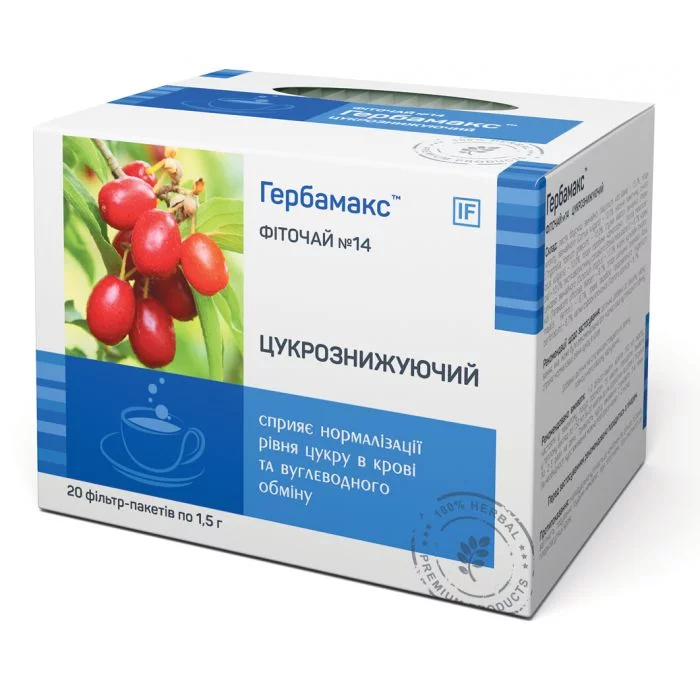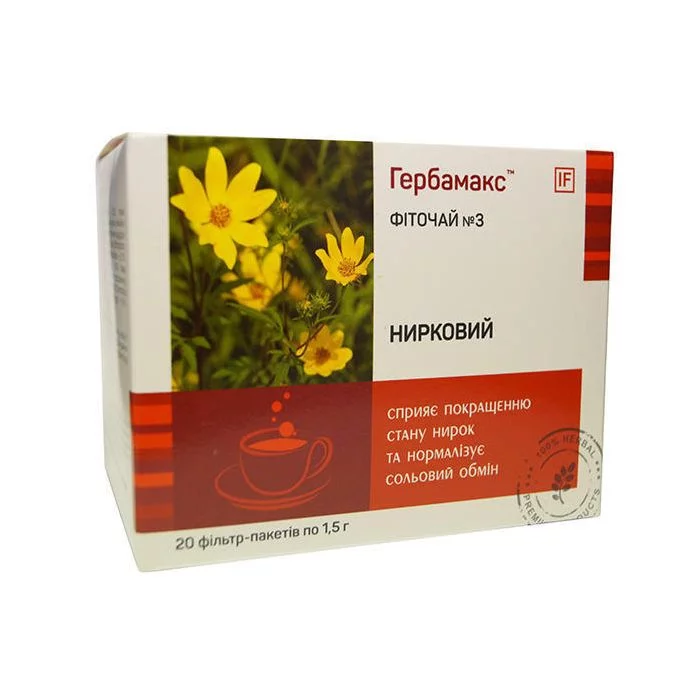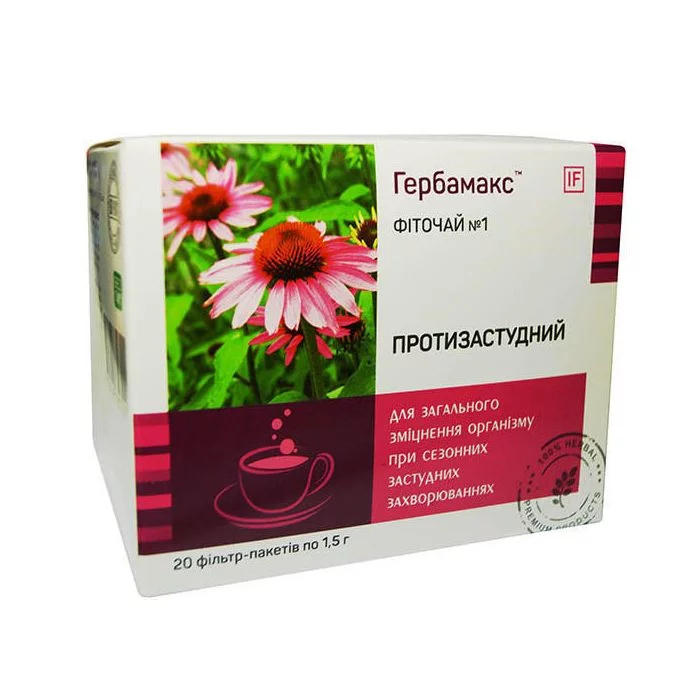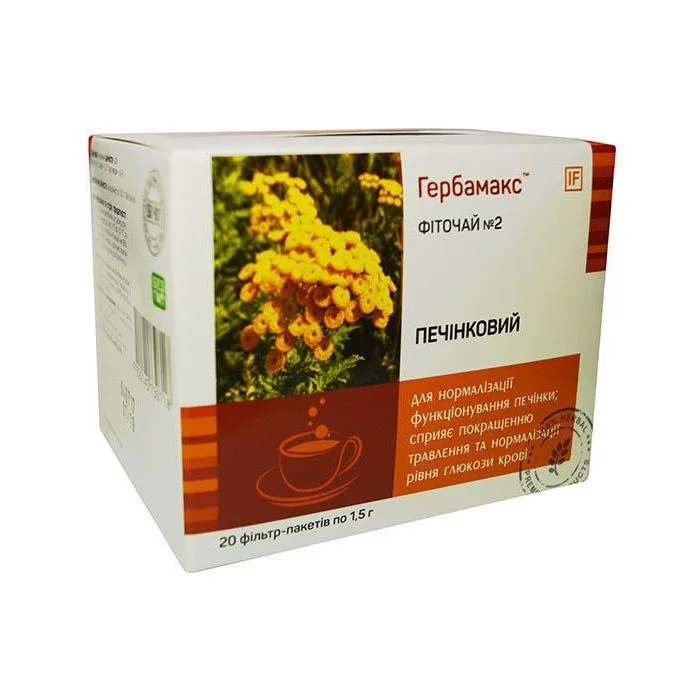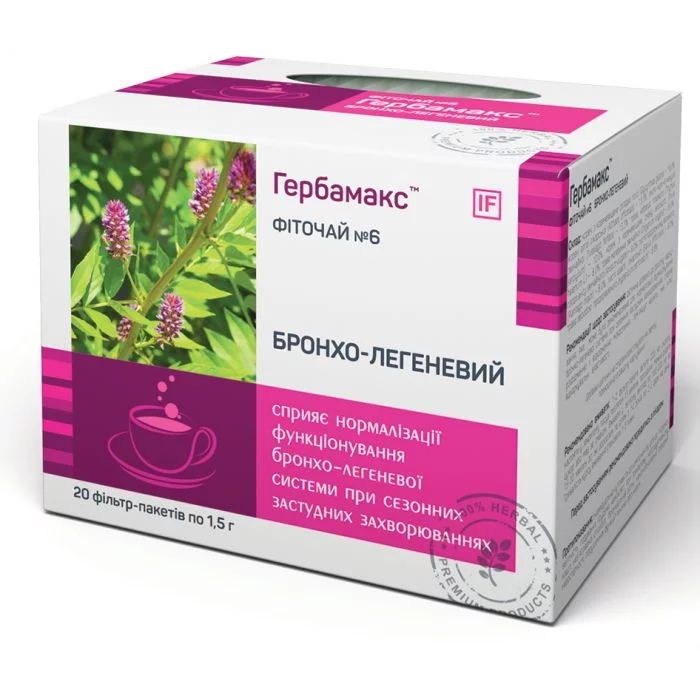
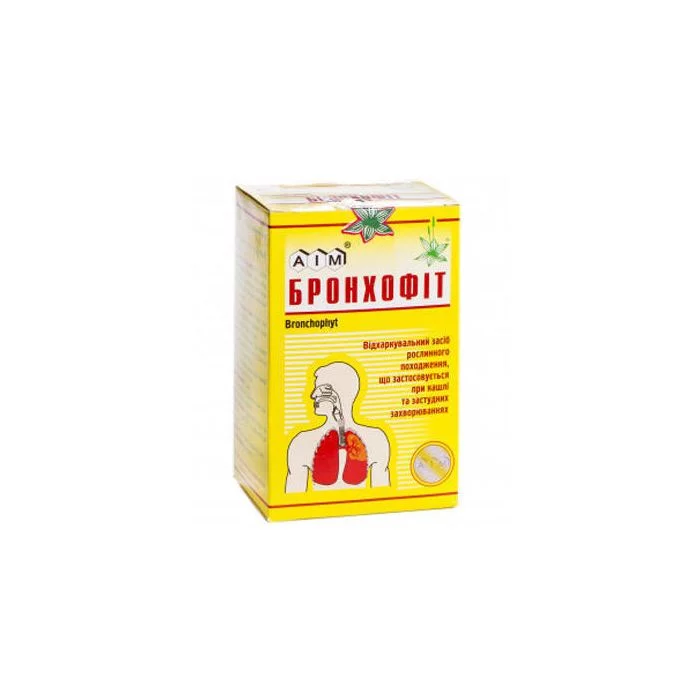
Bronchofit Herbal Blend, 100 g
Bronchophyt: Instructions for Use
Composition
Active ingredients: 1 package (100 g) contains a mixture of medicinal plant materials: calamus root (Calami radix) 9 g, marshmallow root (Althaeae radix) 9 g, linden flowers (Tiliae flos) 9 g, calendula flowers (Calendulae flos) 9 g, licorice root (Liquiritiae radix) 9 g, sage leaves (Salviae officinalis folium) 9 g, elderflower (Sambuci flos) 8 g, nettle leaves (Urticae folium) 8 g, peppermint leaves (Menthae piperita), creeping thyme herb (Serpylli herba) 8 g, elecampane root (Inulae helenii radix) 7 g, chamomile flowers (Matricariae flos) 7 g.
Dosage Form
Herbal mixture.
Main physical and chemical properties:
A mixture of pieces of various shapes, grayish-green in color with inclusions of orange and yellow in various shades. The odor is strong and pleasant.
Pharmacological group
Agents used for coughs and colds. Expectorants. ATX code R05C A.
Pharmacological properties
Pharmacodynamics.
Bronchofit has secretolytic and secretokinetic effects. It stimulates the serous cells of the bronchial mucosa, increasing the volume of mucus secretion, thereby altering the ratio of mucous to serous components in sputum. By increasing the volume of bronchial secretions and reducing their viscosity, it facilitates the expectoration of sputum. Bronchofit has anti-inflammatory and general restorative properties.
Indications
Acute and chronic inflammatory diseases of the respiratory tract accompanied by a cough with the production of viscous sputum: acute and chronic bronchitis, bronchiectasis, pneumonia.
Contraindications
Acute and chronic renal failure, acute and chronic liver failure, liver cirrhosis, cholestatic disorders, hypokalemia, stage III hypertension, croup; Hypersensitivity to the components of the drug or to other plants of the Lamiaceae family, as well as known allergy to celery and birch pollen (possible cross-reaction).
Special Safety Precautions
Use with caution in patients with increased blood clotting, as well as in those with bronchial asthma and spasmophilia.
Interactions with Other Medications and Other Types of Interactions
This medication should not be used in combination with cough suppressants due to the potential for mucus accumulation in the respiratory tract.
Prolonged concomitant use with cardiac glycosides, adrenocorticosteroids, antiarrhythmic drugs (quinidine), laxatives, thiazide diuretics, and loop diuretics may lead to disturbances in water and electrolyte balance.
Special Considerations
If symptoms persist after one week of treatment or if symptoms worsen during treatment and/or shortness of breath, fever, or purulent sputum develop, consult a doctor.
Use During Pregnancy or Breastfeeding
Due to the lack of sufficient experience with the use of this medication during pregnancy, it should be used only as directed by a doctor in cases where the expected benefit to the mother outweighs the potential risk to the fetus. If use of the medication is necessary, breastfeeding should be discontinued.
Effect on reaction time when operating motor vehicles or other machinery
No effect.
Directions and Dosage
Steep 2 tablespoons of the herbal mixture in 500 mL of boiling water, let it steep in a covered container for 1 hour, then strain.
Adults and children over 7 years of age should take it warm, ⅔ of a glass (150 mL) 20–30 minutes before meals, 3 times a day.
The duration of treatment is determined by a doctor. The usual course of treatment is 3–4 weeks.
Children
This medication is contraindicated for children under 7 years of age.
Overdose
Edema, dyspeptic symptoms, increased blood pressure, and worsening of side effects may occur.
Side Effects
The drug is well tolerated by patients. However, given the drug’s multi-component composition, in isolated cases—typically due to individual hypersensitivity to the drug’s components or failure to follow the recommended dosing regimen—allergic reactions may occur, including erythema, rash, itching, skin swelling, contact dermatitis, and urticaria (“Kamianka”); as well as gastrointestinal disturbances, including nausea, vomiting, and diarrhea. If any adverse reactions occur, consult a doctor.
Shelf life
2 years. Do not use after the expiration date indicated on the package.
Storage Conditions
Store in the original packaging at a temperature not exceeding 25°C, out of reach of children.
Packaging
100 g per packet, packed in a box.
Dispensing Category
Available without a prescription.