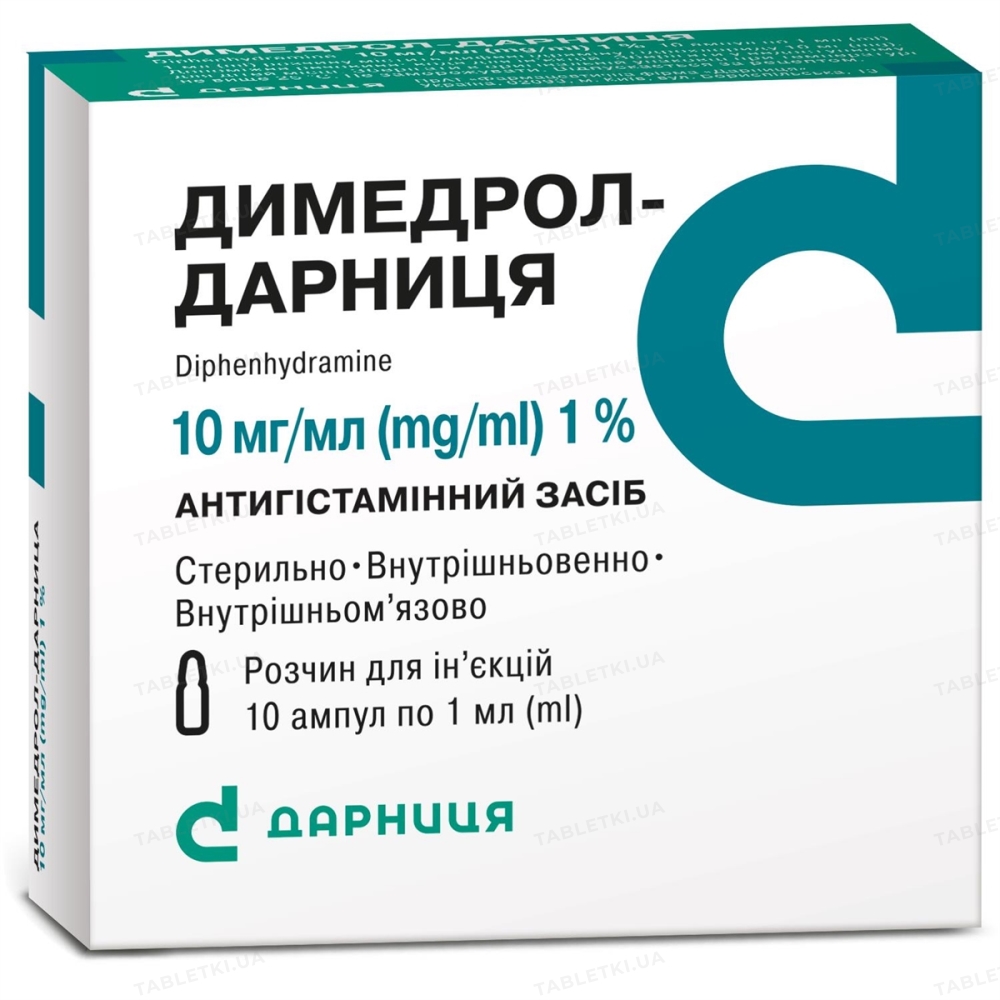
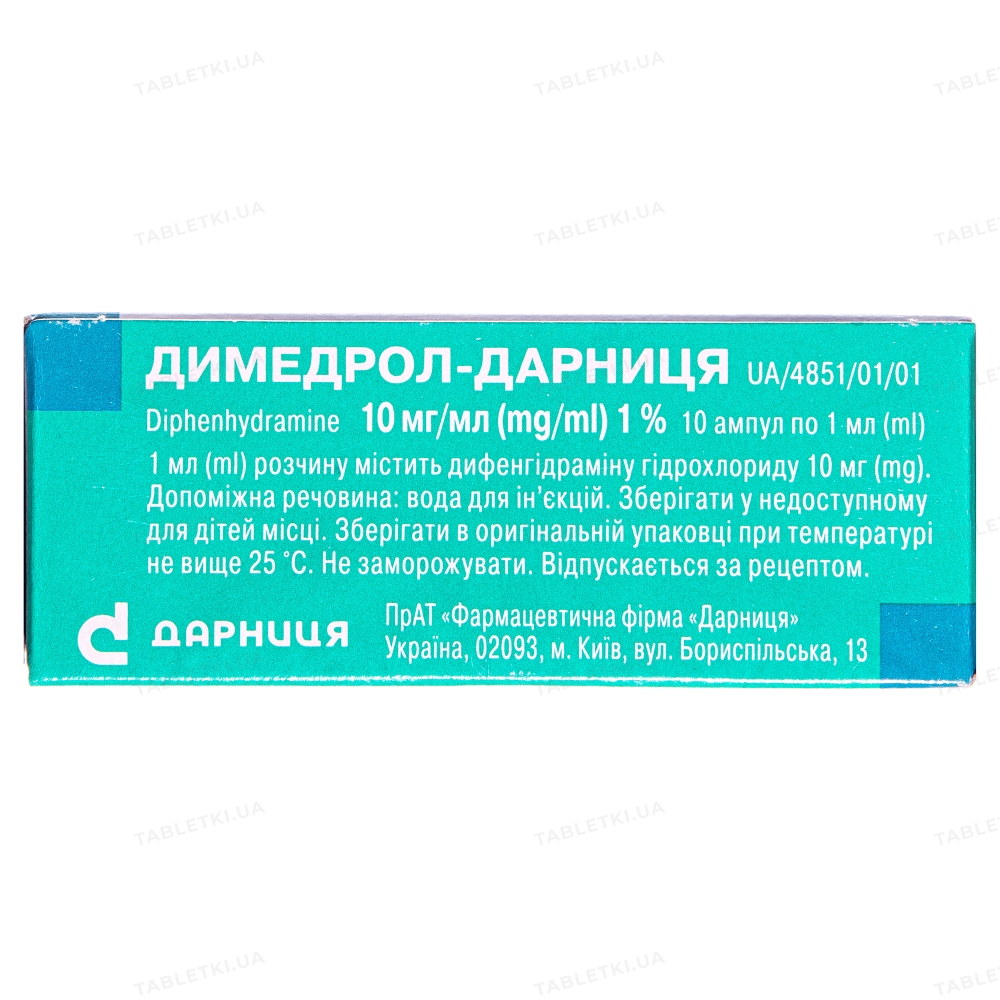
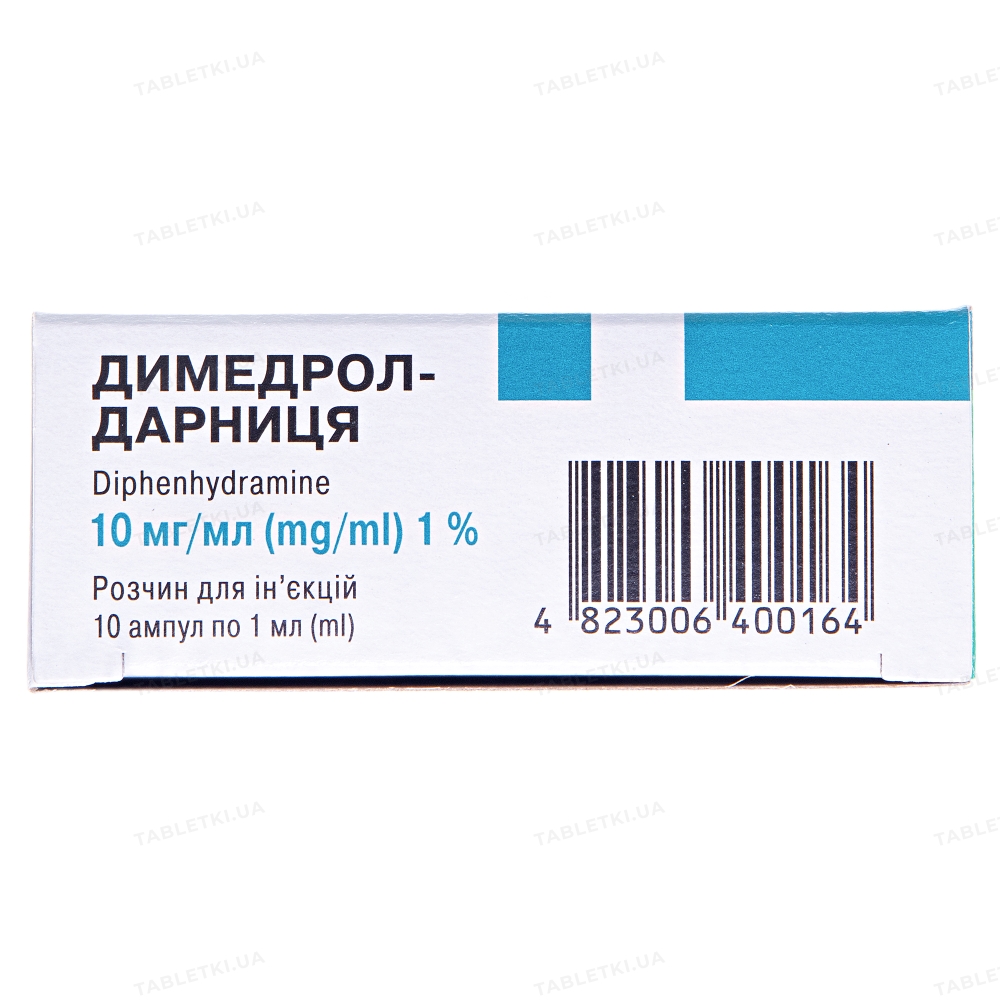
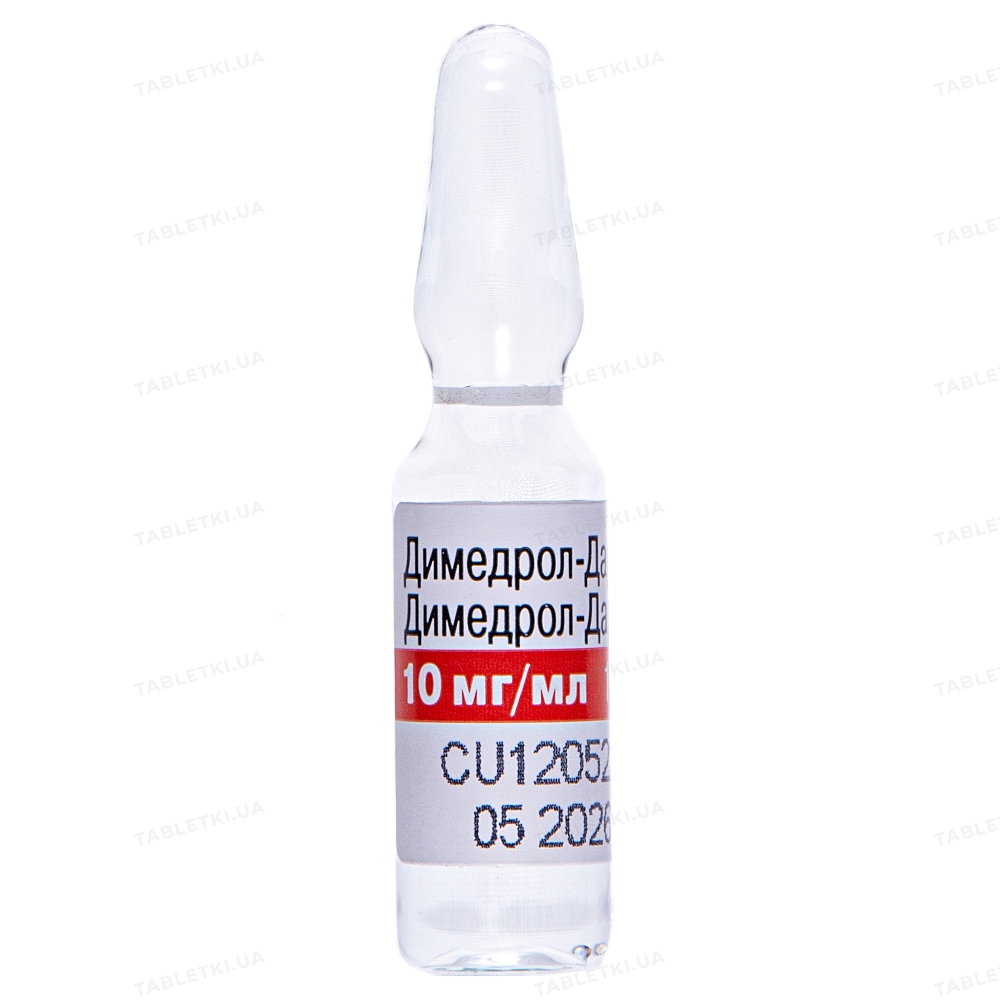
Dimedrol-Darnitsa Solution for Injection, 10 mg/mL, 1 mL, No. 10 in ampoules
Ingredients
Active ingredient: diphenhydramine;
1 mL of solution contains 10 mg of diphenhydramine hydrochloride;
excipient: water for injection.
Dosage Form
Solution for injection.
Main physical and chemical properties: clear, colorless liquid.
Pharmacotherapeutic group
Antihistamines for systemic use. Aminoalkyl ethers. Diphenhydramine. ATC code R06A A02.
Pharmacological properties
Pharmacodynamics.
A first-generation H1-histamine receptor blocker counteracts the effects of histamine mediated through this type of receptor. Its effect on the central nervous system (CNS) is due to the blockade of H3-histamine receptors in the brain and the inhibition of central cholinergic structures. It has pronounced antihistamine activity, reducing or preventing histamine-induced smooth muscle spasms, increased capillary permeability, tissue edema, itching, and hyperemia. It produces a local anesthetic effect (when taken orally, it causes temporary numbness of the oral mucosa), blocks ganglionic cholinergic receptors (lowers blood pressure (BP) and acts on the central nervous system (CNS), producing sedative, hypnotic, antiparkinsonian, and antiemetic effects. Antagonism with histamine is manifested primarily in local vascular reactions during inflammation and allergies rather than in systemic reactions, i.e., a decrease in blood pressure. However, with parenteral administration in patients with a deficit in circulating blood volume, a decrease in BP and exacerbation of existing hypotension are possible due to its ganglion-blocking action. In individuals with localized brain lesions and epilepsy, it activates (even at low doses) epileptic discharges on the electroencephalogram (EEG) and may trigger an epileptic seizure. It is more effective for bronchospasm caused by histamine liberators (tubocurarine, morphine) and less effective for allergic bronchospasm. Sedative and hypnotic effects are more pronounced with repeated doses.
Pharmacokinetics.
Plasma protein binding is 98–99%. Most of the drug is metabolized in the liver; a smaller portion is excreted unchanged in the urine within 24 hours. The half-life (T1/2) is 1–4 hours. It is well distributed throughout the body and crosses the blood-brain barrier.
It is metabolized primarily in the liver by hydroxylation and conjugation to glucuronides; the metabolites are excreted in the urine. It passes into breast milk and may cause a sedative effect in infants. Maximum activity is reached after 1 hour; the duration of action is 4 to 6 hours.
Indications
Anaphylactic shock, urticaria, hay fever (pollinosis), serum sickness, hemorrhagic vasculitis (capillary toxicosis), polymorphic exudative erythema, Quincke’s edema, pruritic dermatoses, pruritus, allergic conjunctivitis and allergic eye diseases, drug-induced allergic reactions, chorea, Meniere’s disease; postoperative vomiting.
Contraindications
Hypersensitivity to the drug. Bronchial asthma attack, pheochromocytoma, epilepsy, congenital long QT syndrome, or long-term use of drugs that may prolong the QTand/or cause torsade de pointes; angle-closure glaucoma; benign prostatic hyperplasia; stenotic gastric and duodenal ulcers; pyloroduodenal obstruction; bladder neck stenosis, bradycardia, cardiac arrhythmias, a family history of sudden cardiac death, significant electrolyte imbalances (hypokalemia, hypomagnesemia). Porphyria.
Interactions with Other Medications and Other Types of Interactions
Diphenhydramine potentiates the effects of anesthetics, hypnotics, sedatives, narcotic analgesics, and local anesthetics. When used with tricyclic antidepressants, the anticholinergic and central nervous system (CNS) depressant effects may be enhanced. There is a potential risk of seizures when used with analeptics. Concomitant use of monoamine oxidase (MAO) inhibitors and dimedrol may lead to an increase in blood pressure and may also affect the central nervous and respiratory systems. This medication should be used with caution while taking MAO inhibitors and for 2 weeks after discontinuing MAO inhibitors.
Concomitant use of medications that prolong the QT interval on the ECG (such as Class Ia and III antiarrhythmics) should be avoided.
Since diphenhydramine has some antimuscarinic effects, the effects of certain anticholinergic drugs (such as atropine and tricyclic antidepressants) may be potentiated; therefore, consult a doctor before taking diphenhydramine with such medications.
Taking diphenhydramine together with antihypertensive drugs may increase feelings of fatigue. The drug enhances the effects of ethanol and reduces the effectiveness of apomorphine as an emetic in the treatment of poisoning. It should not be prescribed together with medications containing dimedrol, including those for topical use.
Diphenhydramine is an inhibitor of the cytochrome P450 CYP2D6 isoenzyme. Therefore, there is a potential for interactions with drugs primarily metabolized by CYP2D6, such as metoprolol and venlafaxine. Diphenhydramine should not be used in patients who have received any of these medications.
Special Considerations for Use
Not recommended for subcutaneous administration. Since Dimedrol has an atropine-like effect, it should be used with caution in patients with a history of recent respiratory diseases (including bronchial asthma and bronchitis), elevated intraocular pressure, hyperthyroidism, cardiovascular diseases, or arterial hypotension. It may worsen the course of obstructive pulmonary diseases, severe cardiovascular diseases, ileus, and biliary tract obstruction. Diphenhydramine may cause drowsiness, as well as agitation, hallucinations, and seizures, especially in cases of overdose.
The use of other antihistamines, including topical antihistamines and medications for coughs and colds, should be avoided.
Use with caution in patients aged 60 years and older due to an increased likelihood of dizziness, sedation, and hypotension.
The use of dimedrol is associated with QT interval prolongation on the electrocardiogram. During postmarketing surveillance, cases of QT interval prolongation and torsade de pointes associated with overdose have been reported.
Treatment should be discontinued and immediate medical attention sought if patients develop signs or symptoms that may be related to cardiac arrhythmia. Patients should be advised to report any cardiac symptoms immediately.
Use with caution in patients with impaired liver or kidney function.
Patients with moderate to severe hepatic impairment or moderate to severe renal impairment may require a dose reduction.
During treatment with this medication, patients should avoid UV radiation and alcohol consumption. Patients should inform their doctor about the use of this medication, as its antiemetic effect may complicate the diagnosis of appendicitis and the recognition of symptoms of overdose with other medications.
The duration of dimedrol use should be as short as possible. Tolerance and/or dependence may develop with prolonged use.
Patients should be monitored for signs or symptoms indicative of abuse.
Use during pregnancy or breastfeeding.
Diphenhydramine is contraindicated during pregnancy, as there are no adequate data on its safety and efficacy.
If use of the drug is necessary, breastfeeding should be discontinued.
Effect on reaction time when driving or operating machinery.
Since Dimedrol has sedative and hypnotic effects, patients should refrain from potentially hazardous activities that require increased attention and rapid psychomotor reactions while taking this medication.
Dosage and Administration
Administer the drug to adults intramuscularly or by intravenous drip.
Do not administer the drug subcutaneously due to its irritating effect.
For intramuscular administration, the single dose is 10–50 mg (1–5 mL); the maximum single dose is 50 mg (5 mL), and the maximum daily dose is 150 mg (15 mL). For intravenous administration, the drug should be administered by infusion at a dose of 20–50 mg (2–5 mL) of dimedrol in 100 mL of a 0.9% sodium chloride solution. The duration of treatment depends on the therapeutic effect achieved and the patient’s tolerance of the drug.
Children.
Do not use this medication in pediatric practice.
Overdose
Symptoms: dry mouth, respiratory depression, persistent mydriasis, facial flushing, central nervous system depression or excitation, depression, confusion, hyperkinesia, convulsions, delirium, tachycardia, arrhythmia, fever, tremor, dystonic reactions, and ECG changes. Overdose with high doses of dimedrol may cause rhabdomyolysis, delirium, toxic psychosis, coma, and cardiovascular collapse.
Treatment: symptomatic and supportive therapy with careful monitoring of respiratory function and blood pressure. Do not use epinephrine or analeptics. Intravenous infusion of plasma expanders, oxygen therapy. Physostigmine (0.02–0.06 mg/kg body weight intravenously) may be administered several times as an antidote for diphenhydramine hydrochloride overdose if anticholinergic symptoms worsen. In cases of physostigmine overdose, administration of atropine is recommended. If seizures or symptoms of CNS excitation develop, administer diazepam parenterally.
Side Effects
All adverse reactions are listed by system organ class and frequency: very common (≥ 1/10), common (≥ 1/100 – < 1/10), uncommon (≥ 1/1,000 – < 1/100), rare (≥ 1/10,000 – < 1/1,000), very rare (< 1/10,000), frequency unknown (cannot be estimated from the available data).
Eye disorders: very rare—increased intraocular pressure; frequency unknown—dry eyes, visual disturbances, diplopia, dilated pupils.
Ear and vestibular system disorders: frequency unknown—acute labyrinthitis, tinnitus, impaired coordination.
Respiratory, thoracic, and mediastinal disorders: frequency unknown—dryness of the nasal and throat mucosa, nasal congestion, thickening of bronchial secretions, chest tightness, difficulty breathing, shortness of breath.
Gastrointestinal system: common – dry mouth; frequency unknown – transient numbness of the oral mucosa, anorexia, nausea, epigastric pain, vomiting, diarrhea, constipation.
Renal and urinary system: frequency unknown—frequent and/or difficult urination, urinary retention.
Nervous system disorders: common – general weakness, fatigue, sedative effect, decreased attention, slowed psychomotor reactions, dizziness, drowsiness; very rare – seizures; frequency unknown – headache, impaired coordination, anxiety, increased excitability, fear of death, irritability, nervousness, insomnia, euphoria, confusion, tremor, neuritis, paresthesias, dyskinesias. In patients with focal brain lesions or epilepsy, seizure activity may be triggered on the EEG (even with low doses of dimedrol), and the drug may provoke an epileptic seizure. Older adults are more prone to confusion and paradoxical excitement (e.g., increased energy, restlessness, nervousness).
Cardiovascular system: frequency unknown—hypotension, palpitations, tachycardia, arrhythmia, extrasystole, cyanosis of the skin and mucous membranes.
Blood and lymphatic system disorders: rare—thrombocytopenia; frequency unknown—agranulocytosis, hemolytic anemia, hemolytic jaundice.
Immune system disorders: frequency unknown—hypersensitivity reactions, including anaphylactic shock and angioedema.
Skin and subcutaneous tissue disorders: very rare—contact dermatitis; frequency unknown—erythema, pruritus, polymorphic rashes, urticaria.
Musculoskeletal and connective tissue disorders: frequency unknown—muscle twitching.
Reproductive system disorders: frequency unknown—increased frequency of menstruation, early menstruation.
General disorders and administration site conditions: frequency unknown—increased sweating, chills, fever, hyperthermia, photosensitivity, local necrosis following subcutaneous and intradermal administration.
Reporting of Suspected Adverse Reactions.
Reporting suspected adverse reactions after a drug’s approval is an important procedure. It allows for continued monitoring of the benefit-risk profile of the drug in question. Healthcare professionals should report any suspected adverse reactions through the national reporting system.
Shelf life
4 years.
Storage Conditions
Store in the original packaging at a temperature not exceeding 25 °C. Do not freeze.
Keep out of reach of children.
Incompatibility
Do not mix with other medications in the same container. Use only the recommended solvent.
Packaging
1 mL per ampoule; 5 ampoules per blister pack; 2 blister packs per carton.
Manufacturer
PJSC “Darnitsa Pharmaceutical Company.”
Address
Ukraine, 02093, Kyiv, 13 Boryspilskaya St.