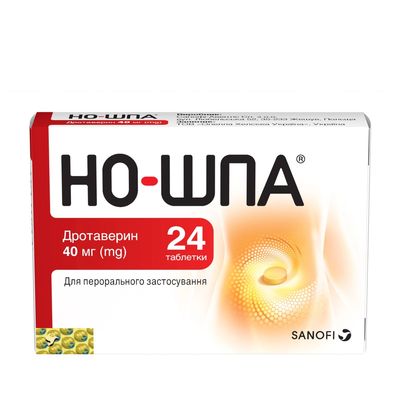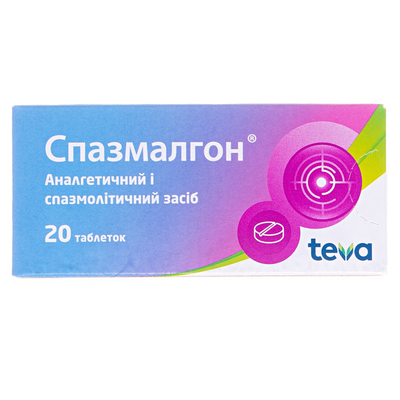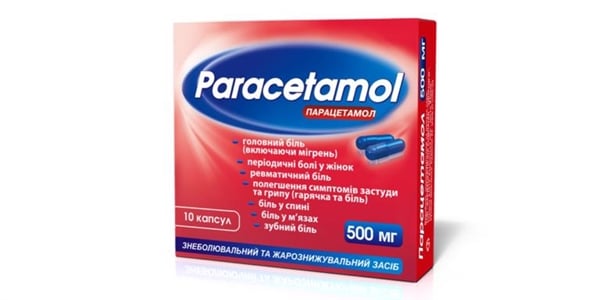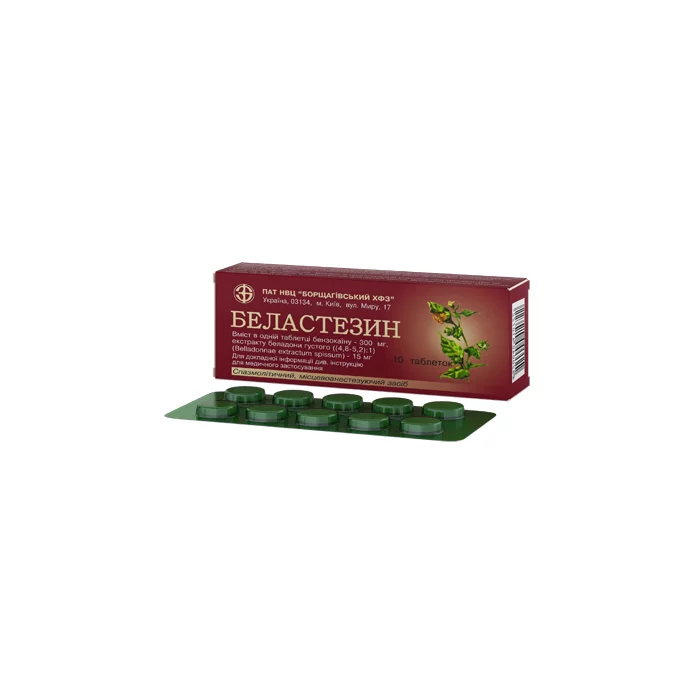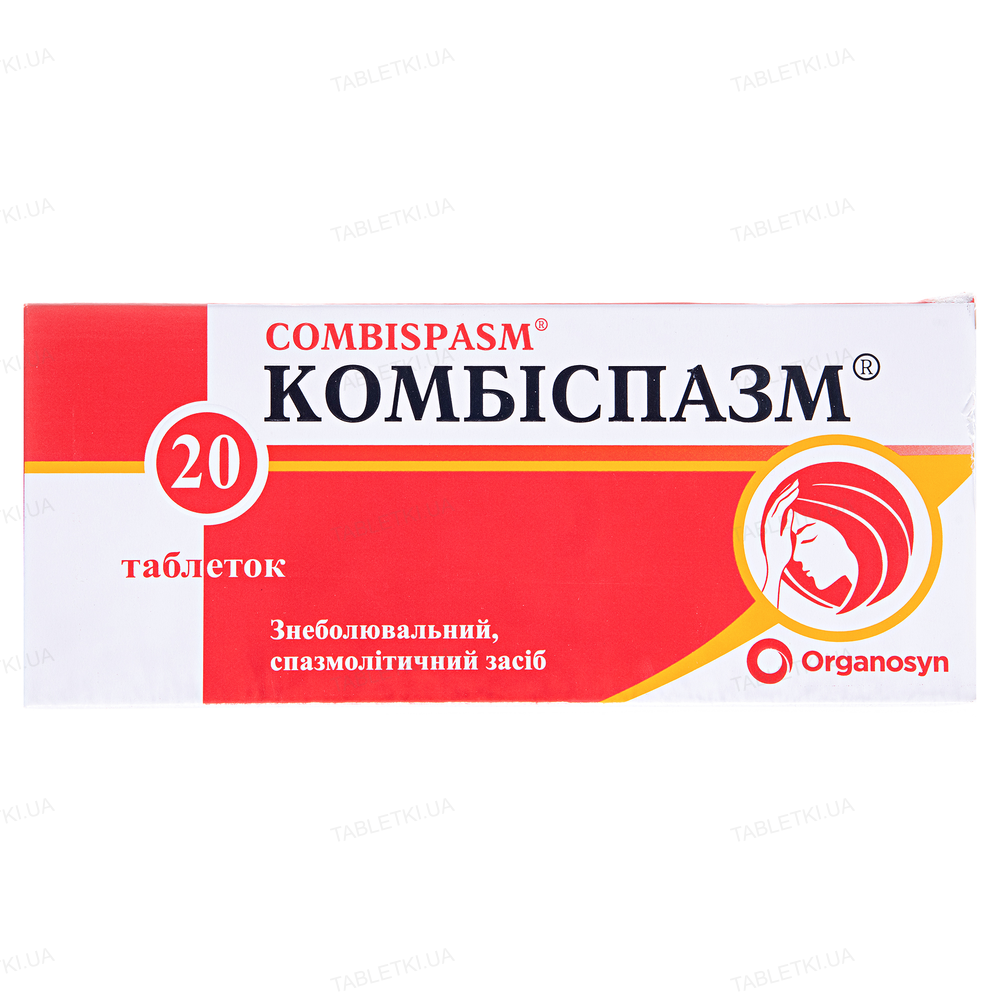
Combispasm Tablets No. 20 (10 x 2)
Ingredients
Active ingredients: acetaminophen, dicyclomine hydrochloride;
1 tablet contains 500 mg of acetaminophen and 20 mg of dicyclomine hydrochloride;
Inactive ingredients: corn starch, microcrystalline methylcellulose, povidone, magnesium stearate, talc, colloidal anhydrous silicon dioxide, sodium starch glycolate (type A).
Dosage Form
Tablets.
Main physical and chemical properties: uncoated, white, round tablets with a score line.
Pharmacotherapeutic group
Analgesics and antipyretics. Paracetamol, combinations without psycholeptics.
ATC code N02B E51.
Pharmacological properties
Pharmacodynamics.
A combination drug with analgesic and antispasmodic effects.
Paracetamol acts as a pain reliever and fever reducer. The analgesic and antipyretic effects of paracetamol (a non-opioid, non-salicylate analgesic) are associated with the drug’s effect on the thermoregulatory center in the hypothalamus and its ability to inhibit prostaglandin synthesis.
Dicyclomine hydrochloride is a tertiary amine. It has anticholinergic activity and reduces smooth muscle tone, relieves pain, and blocks antagonistic activity. Dicyclomine hydrochloride selectively paralyzes M-cholinergic structures by blocking the transmission of impulses from postganglionic cholinergic nerves to the effector organs they innervate. It causes relaxation of smooth muscles, exerting an antispasmodic effect in cases of smooth muscle spasms of the stomach, intestines, biliary tract, urogenital system, and vascular system.
Pharmacokinetics.
Paracetamol is well absorbed in the gastrointestinal tract; peak plasma concentrations are reached within 30 minutes to 2 hours after administration.
When administered orally, dicyclomine is rapidly absorbed in the gastrointestinal tract and reaches peak concentration within 60–90 minutes. The primary route of elimination is via urine.
Indications
Pain syndromes with a spastic component of various origins:
- headache;
- toothache;
- muscle pain, neuralgia;
- rheumatic pain, sciatica;
- renal colic;
- menstrual pain.
Contraindications
Hypersensitivity to any component of the drug. Glaucoma, tachycardia, urinary tract obstruction, benign prostatic hyperplasia with a tendency toward urinary retention, severe renal and/or hepatic impairment, glucose-6-phosphate dehydrogenase deficiency, alcoholism, blood disorders, anemia (including hemolytic anemia), leukopenia. Dynamic intestinal obstruction, paralytic ileus, stenosis of the pyloric section of the gastrointestinal tract with obstruction, severe ulcerative colitis, obstructive diseases of the gastrointestinal tract and biliary tract with impaired patency, peptic ulcer of the stomach or duodenum, reflux esophagitis; acute bleeding; congenital hyperbilirubinemia (Gilbert’s syndrome, Dubin–Johnson syndrome, and Rotor syndrome), myasthenia gravis, thyrotoxicosis, heart failure.
Interactions with Other Medications and Other Types of Interactions
The nature of drug interactions is determined by the properties of its components.
Paracetamol, which is part of the formulation, reduces the effectiveness of diuretics.
Concomitant use of paracetamol with anticonvulsants (barbiturates, phenytoin, carbamazepine), rifampicin—which stimulate the activity of hepatic microsomal enzymes—may enhance the toxic effect of paracetamol on the liver due to increased conversion of the drug into hepatotoxic metabolites. Concomitant use of high doses of paracetamol with isoniazid increases the risk of developing hepatotoxic syndrome. When paracetamol is used concomitantly with hepatotoxic agents, the toxic effects of these drugs on the liver are increased. Do not use concurrently with alcohol.
Barbiturates reduce the antipyretic effect.
The rate of paracetamol absorption may increase when used concomitantly with metoclopramide and domperidone and may decrease when used concomitantly with cholestyramine.
The effect of paracetamol is enhanced when combined with codeine, ascorbic acid, scopolamine, chlorphenamine, propyphenazone, and caffeine.
Concomitant use of acetaminophen with azidothymidine may lead to the development of neutropenia.
The anticoagulant effect of warfarin and other coumarins is enhanced with prolonged, regular use of acetaminophen; the risk of bleeding also increases. Intermittent use has no significant effect.
Concomitant use of acetaminophen with nonsteroidal anti-inflammatory drugs (NSAIDs) increases the risk of renal complications.
Caution is advised when paracetamol is used concomitantly with flucloxacillin, as such concomitant use is associated with metabolic acidosis with a high anion gap, particularly in patients with risk factors (see the “Special Considerations for Use” section).
Dicyclomine hydrochloride may potentiate the effects of monoamine oxidase inhibitors (imipramine, amitriptyline), sedatives (sodium bromide, valerian tincture), and ethyl alcohol.
The effects of dicyclomine hydrochloride may be potentiated by drugs with anticholinergic activity, such as amantadine, antiarrhythmics (e.g., quinidine), neuroleptic antihistamines (phenothiazines), benzodiazepines, MAO inhibitors, narcotic analgesics (meperidine), nitrates and nitrites, sympathomimetics, and tricyclic antidepressants.
Since antacids may reduce the absorption of dicyclomine hydrochloride, their concomitant use should be avoided.
Dicyclomine hydrochloride reduces the effect of metoclopramide when used concomitantly.
Dicyclomine’s inhibitory effect on gastric hydrochloric acid secretion may neutralize drugs used to treat achlorhydria and for gastric secretion studies.
Dicyclomine hydrochloride potentiates the effects of digoxin and anticholinergic agents. Concomitant use of dicyclomine with other anticholinergic agents is not recommended.
Dicyclomine hydrochloride may affect the absorption in the gastrointestinal tract of various extended-release medications, such as digoxin, which may lead to increased concentrations of digoxin in the urine.
The drug enhances the effects of salicylic acid, pyrazolone, codeine, and caffeine. It potentiates the effects of antispasmodics.
Dicyclomine hydrochloride reduces the effect of antiglaucoma agents; therefore, the drug should be prescribed with caution in cases of elevated intraocular pressure and when used concomitantly with corticosteroids.
Special Considerations for Use
Because the formulation contains acetaminophen, monitoring of peripheral blood counts and liver function is required during treatment.
This medication contains acetaminophen; therefore, it should not be used in combination with other medications containing acetaminophen, such as those used to reduce fever, treat pain, alleviate flu and cold symptoms, or treat insomnia. Concomitant use with other medications containing acetaminophen may lead to an overdose. An acetaminophen overdose can cause liver failure, which may require a liver transplant or be fatal.
Do not exceed the recommended doses.
If symptoms persist, consult a doctor.
Patients who regularly take analgesics for mild arthritis should consult a doctor before using this medication.
Use of this medication for more than 3 days requires mandatory medical supervision.
If persistent headaches develop, consult a doctor.
Note that patients with liver disease are at increased risk of paracetamol-induced hepatotoxicity; this medication may affect the results of laboratory tests for blood glucose and uric acid levels.
Use with caution in elderly patients. No dosage adjustment is required when prescribing to elderly patients. Use with caution in patients with difficulty urinating, benign prostatic hyperplasia without urinary retention, ulcerative colitis, or kidney or liver disease; consult a doctor before use.
Cases of liver dysfunction or liver failure have been reported in patients with reduced glutathione levels, such as those with severe malnutrition, anorexia, a low body mass index, or chronic alcoholism.
In patients with reduced glutathione levels—for example, due to severe infections such as sepsis—the risk of metabolic acidosis increases when taking paracetamol. Symptoms of metabolic acidosis include deep, rapid, or labored breathing, nausea, vomiting, and loss of appetite. Seek medical attention immediately if these symptoms occur.
Caution is advised when paracetamol is used concomitantly with flucloxacillin due to an increased risk of metabolic acidosis with a high anion gap, particularly in patients with severe renal insufficiency, sepsis, malnutrition, or other causes of glutathione deficiency (e.g., chronic alcoholism), as well as when maximum daily doses of paracetamol are used. Close monitoring is recommended, including measurement of urinary 5-oxoproline levels.
Dicyclomine hydrochloride may exacerbate gastroesophageal reflux.
Use caution when prescribing this medication to patients with autonomic neuropathy, hypertension, ischemic heart disease with tachyarrhythmias, tachycardia, a tendency toward bronchospasm, or hypersensitivity to nonsteroidal anti-inflammatory drugs.
It should be noted that patients taking anticholinergic drugs, including dicyclomine, may experience psychosis, confusion, disorientation, ataxia, coma, euphoria, weakness, insomnia, agitation, inappropriate emotional responses, and affective states (symptoms subside within 12–24 hours after reducing the dose).
Dicyclomine should be prescribed with caution in cases of hiatal hernia accompanied by reflux esophagitis.
In high ambient temperatures, dicyclomine hydrochloride reduces sweating, leading to an increase in body temperature with a risk of heatstroke. If such symptoms occur, discontinue use of the medication and consult a doctor.
Consult a doctor before using this medication if the patient is taking warfarin or similar medications with anticoagulant effects.
Use during pregnancy or breastfeeding.
This medication is not recommended for women who are pregnant or breastfeeding.
Effect on reaction time when driving or operating machinery.
Since dicyclomine hydrochloride may cause adverse reactions affecting the nervous system and vision, patients should refrain from driving or operating machinery while taking this medication.
Dosage and Administration
Take the medication orally with a small amount of liquid (200 mL).
Adults: 1–2 tablets, depending on the severity of pain, 1–4 times daily. When treating adults, it is advisable to start with 4 tablets per day. The maximum dose may be increased to 8 tablets per day, provided the medication is well tolerated and no side effects occur.
The duration of treatment should be determined on an individual basis, depending on the patient’s condition and response. If the treatment is not effective within 2 weeks or if signs of side effects are present at a dose lower than 4 tablets per day, the medication should be discontinued.
Children aged 7 to 13 years: ½ tablet 1–2 times daily; aged 13 to 15 years: 1 tablet 1–3 times daily; ages 15 and older: 1–2 tablets, depending on the severity of pain, 1–4 times a day.
Children
Do not administer this medication to children under 7 years of age.
Overdose
Symptoms of overdose are caused by the properties of the individual components of Combispasm®.
Symptoms of overdose.
Paracetamol. Liver damage is possible in adults who have taken 10 g or more of paracetamol and in children who have taken more than 150 mg/kg of body weight. The risk of paracetamol overdose is higher in patients with non-cirrhotic alcoholic liver disease. In patients with risk factors (long-term treatment with carbamazepine, phenobarbital, phenytoin, primidone, rifampicin, St. John’s wort, or other medications that induce liver enzymes; regular consumption of excessive amounts of ethanol; glutathione-deficient cachexia (gastrointestinal disorders, cystic fibrosis, HIV infection, starvation, and cachexia), taking 5 g or more of acetaminophen may cause severe liver damage.
Symptoms of overdose within the first 24 hours: pale skin, loss of appetite, nausea, vomiting, diarrhea, epigastric discomfort (lasting up to 1 day), and abdominal pain. Liver damage may become apparent 12–48 hours after the overdose. Glucose metabolism disorders and metabolic acidosis may occur.
The following symptoms may be observed: elevated levels of liver transaminases, lactate dehydrogenase, and bilirubin, as well as decreased prothrombin levels (lasting 1 to 2 days); hepatotoxic effects, characterized by general symptoms (pain, weakness, adynamia) and specific symptoms (hepatomegaly, jaundice, elevated liver enzyme levels).
In cases of severe poisoning, liver failure may progress to hepatic encephalopathy (impaired thinking, suppression of higher nervous activity, agitation, and stupor), DIC, hypoglycemia, hemorrhages, arrhythmias, seizures, respiratory depression, coma, cerebral edema, hypocoagulation, and collapse, and may result in death. Rarely, liver dysfunction develops rapidly and may be complicated by renal failure.
Acute renal failure with acute tubular necrosis may manifest as severe lower back pain, hematuria, and proteinuria and may develop even in the absence of severe liver damage. Cardiac arrhythmia and acute pancreatitis have been reported, usually accompanied by liver dysfunction and hepatotoxicity.
With prolonged use of the drug in high doses, the hematopoietic system may be affected, leading to aplastic anemia, pancytopenia, agranulocytosis, neutropenia, leukopenia, and thrombocytopenia.
When taken in high doses, the central nervous system may be affected by dizziness, psychomotor agitation, and disorientation; from the urinary system—nephrotoxicity (renal colic, interstitial nephritis, capillary necrosis).
Dicyclomine hydrochloride. Tachycardia, bradycardia, arrhythmia, changes in respiratory rate, dry mouth, agitation, drowsiness, loss of accommodation, photophobia, convulsions, dry skin and mucous membranes, increased intraocular pressure, headache, dizziness, central nervous system stimulation, urinary retention, psychomotor agitation, disorientation.
Overdose develops in two stages: initially, central nervous system excitation is observed, manifested by restlessness, hallucinations, persistent mydriasis, tachycardia, and hypertension. This is followed by a phase of central nervous system depression, which may progress to a comatose state.
In the first few hours (up to 1 day), pallor, nausea, anorexia, vomiting, and abdominal pain are observed. During the second to third day, kidney and liver damage may develop, leading to hepatic failure (elevated levels of liver transaminases and dehydrogenase, increased concentrations of bilirubin and prothrombin), as well as tachycardia, arrhythmias, changes in respiratory rate, and pancreatitis.
Treatment.
In case of overdose, immediate medical attention is required. Treatment should be initiated immediately. The patient should be taken to a hospital immediately, even in the absence of early symptoms of overdose.
Symptoms may be limited to nausea and vomiting or may not reflect the severity of the overdose or the risk of organ damage. Gastric lavage, administration of activated charcoal (if an excessive dose of acetaminophen was taken within 1 hour). Paracetamol concentrations should be measured 4 hours or more after ingestion (earlier measurements are unreliable). Treatment with N-acetylcysteine may be administered within 24 hours after ingestion, but the maximum protective effect is achieved when administered within 8 hours after ingestion under close monitoring of respiratory and circulatory function (adrenaline must not be used). The effectiveness of the antidote decreases sharply after this time. If seizures occur, diazepam should be administered. If necessary, N-acetylcysteine should be administered intravenously to the patient, in accordance with current guidelines. In the absence of vomiting, methionine may be administered orally as an appropriate alternative in remote areas outside a hospital setting.
There is no specific antidote for dicyclomine hydrochloride.
If necessary, symptomatic treatment and peritoneal dialysis should be administered.
General supportive measures should also be implemented.
Side Effects
The drug is generally well tolerated. Side effects associated with the active ingredients in the drug typically occur with prolonged use of the drug in high doses.
Paracetamol.
Gastrointestinal: nausea, vomiting, loss of appetite, constipation, diarrhea, or flatulence. With prolonged use of high doses—epigastric pain.
Liver and biliary tract: elevated liver enzyme levels, usually without the development of jaundice; impaired liver function; hepatonecrosis (a dose-dependent effect); hepatotoxicity.
Endocrine system: hypoglycemia (up to hypoglycemic coma).
Blood and lymphatic system disorders: hemolytic anemia, thrombocytopenia; aplastic anemia, pancytopenia, sulfhemoglobinemia, and methemoglobinemia (cyanosis, shortness of breath, chest pain), neutropenia, agranulocytosis, leukopenia, bruising, and bleeding.
Urinary system: difficulty urinating, renal colic, aseptic pyuria, interstitial glomerulonephritis; nephrotoxicity, papillary necrosis.
Immune system disorders: hypersensitivity reactions, allergic reactions, including skin rash, mucosal rash, itching, hives, hyperemia, bronchial obstruction, erythema multiforme (Stevens-Johnson syndrome), toxic epidermal necrolysis (Lyell’s syndrome), anaphylaxis, generalized rash, angioneurotic edema, angioedema, erythematous rash.
Respiratory system and thoracic organs: bronchospasm in patients sensitive to aspirin and other nonsteroidal anti-inflammatory drugs.
Central nervous system and psychiatric disorders (usually observed with high doses): dizziness, psychomotor agitation and disorientation, tinnitus, psychosis, coma.
Other: general weakness.
Dicyclomine hydrochloride.
Skin and subcutaneous tissue disorders: rash, itching, hives, severe allergic reactions or drug idiosyncrasy, including anaphylaxis.
Gastrointestinal disorders: dry mouth, thirst, taste disturbances, digestive disorders, anorexia, nausea, vomiting, flatulence, constipation, abdominal pain.
Ocular: blurred vision, diplopia, mydriasis, cycloplegia (accommodation paralysis), increased intraocular pressure.
Central Nervous System and Psychiatric: dizziness, fatigue, sensory disturbances, unsteadiness of gait, dyskinesia, tingling sensations, numbness in the extremities, ringing in the ears, headache, dysphasia, dysarthria, ataxia, euphoria, inappropriate emotional reactions (symptoms subside 12–24 hours after dose reduction), insomnia, drowsiness, hallucinations, general weakness, mood changes, nervousness, disorientation, short-term memory loss, psychosis, confusion and/or agitation, dyskinesia, lethargy, loss of consciousness, coma.
Cardiovascular system: tachycardia, arrhythmia, palpitations.
Urinary system: urinary dysfunction, urinary incontinence, urinary retention.
Musculoskeletal and connective tissue disorders: muscle weakness.
Respiratory system and chest: dyspnea, apnea, asphyxia, nasal congestion, sneezing, and throat hyperemia.
Endocrine system: suppression of lactation, impotence.
Other: hot flashes, decreased sweating.
Shelf life
3 years.
Storage Conditions
Store in the original packaging at a temperature not exceeding 25 °C.
Keep out of reach of children.
Packaging
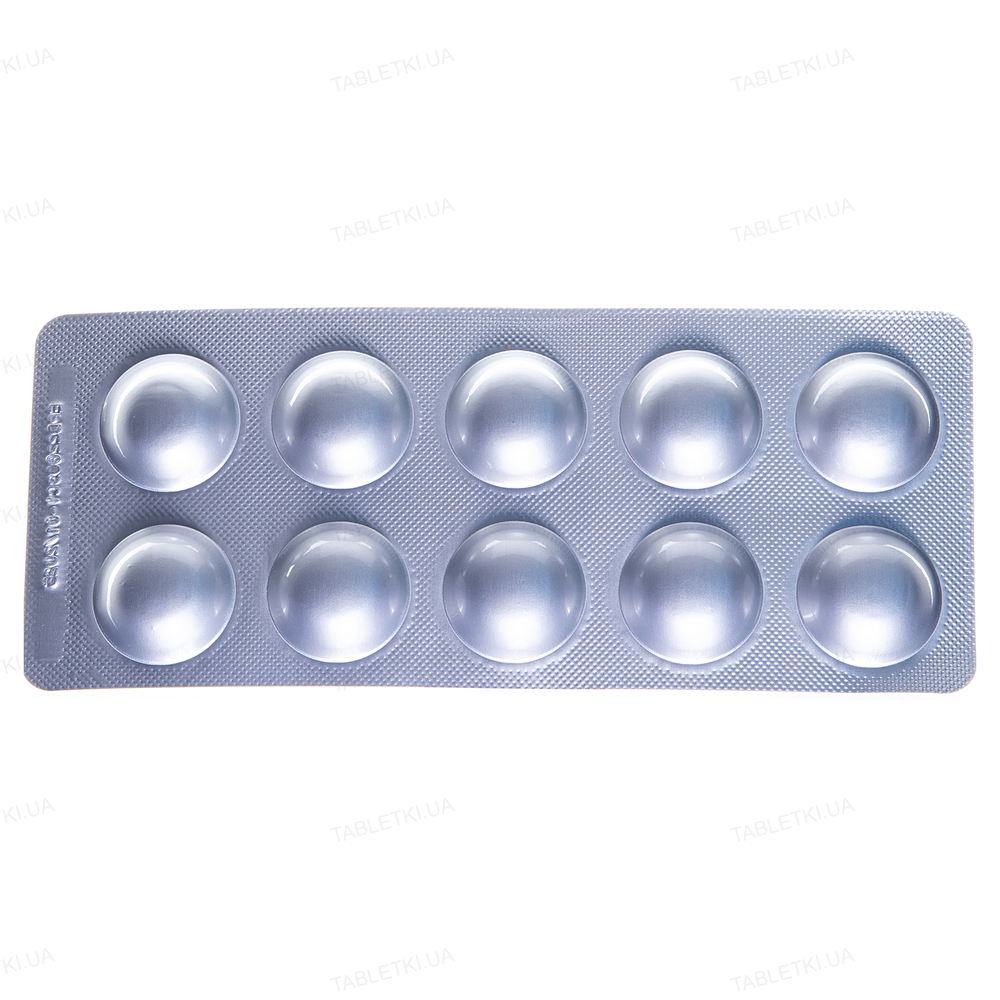
10 tablets per blister pack made of aluminum foil and polyvinyl chloride film; 1 or 10 blister packs per cardboard box.
10 tablets in an aluminum blister pack; 1 blister pack in a cardboard box; 10 cardboard boxes in a wholesale cardboard carton.
10 tablets per aluminum blister pack; 1 blister pack per cardboard box.
10 tablets per aluminum blister pack; 2 blister packs per cardboard box.
10 tablets per aluminum blister pack; 10 blister packs per cardboard box.
Manufacturer
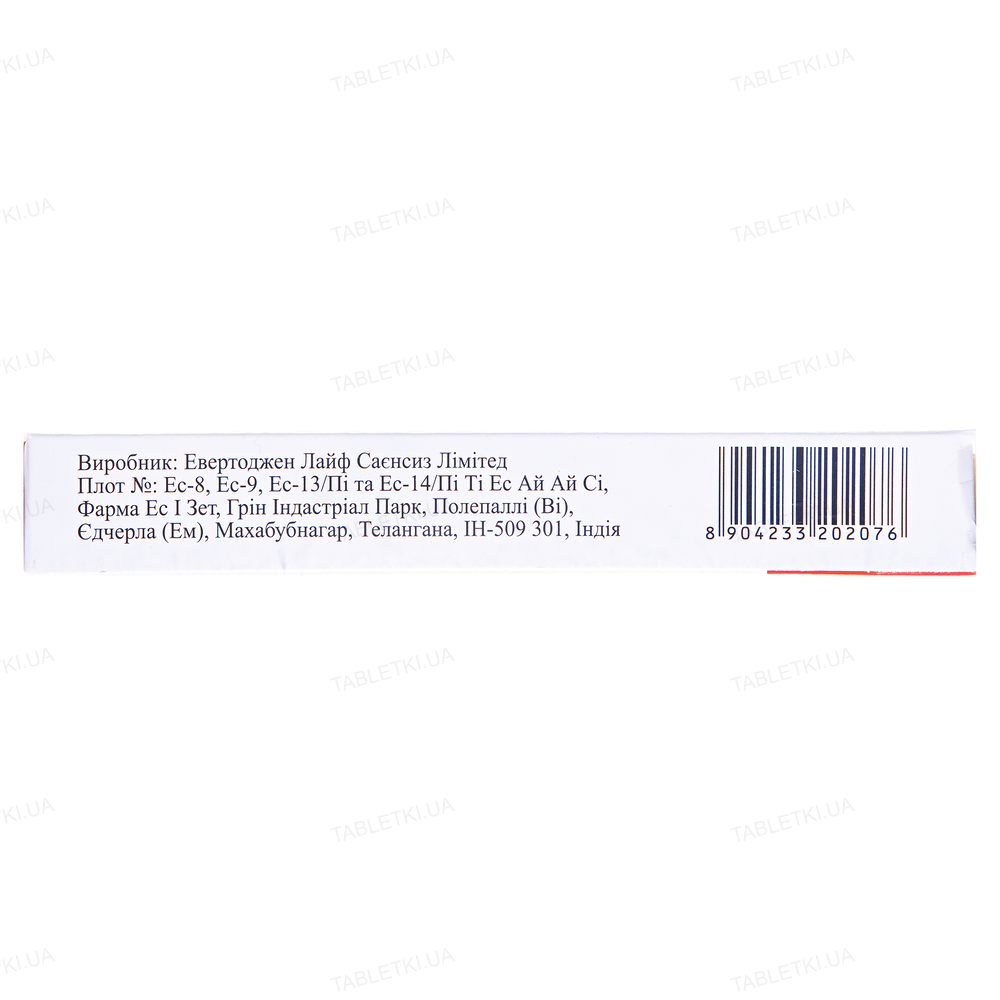
Evertogen Life Sciences Limited/
Evertogen Life Sciences Limited.
MARIFARM, d.o.o., Slovenia/
Marifarm d.o.o., Slovenia
Address
Plot No.: S-8, S-9, S-13/Pi and S-14/Pi Ti Ec AAI C, Pharma S I Z, Green Industrial Park, Polepalli (V), Jedcherla (M), Mahabubnagar, Telangana, IN-509 301, India
8 Minarikova St., Maribor, 2000, Slovenia