
Amiksin IC tablets, coated, 0.06 g each, No. 3
Composition
Active ingredient: valacyclovir;
1 tablet contains 556 mg of valacyclovir hydrochloride, equivalent to 500 mg of 100% anhydrous valacyclovir;
Excipients: microcrystalline cellulose (101), povidone, colloidal anhydrous silicon dioxide, crospovidone, magnesium stearate;
Coating composition: Sepifilm 050 (methylhydroxypropylcellulose, microcrystalline cellulose, acetylated (or complex acetates) mono- and diglycerides), candurin.
Dosage Form
Film-coated tablets.
Main physical and chemical properties: oblong tablets with biconvex surfaces, scored, coated with a pearlescent film coating, nearly white in color.
Pharmacotherapeutic group
Direct-acting antiviral agents. ATC code J05AB11.
Pharmacological properties
Pharmacodynamics.
Valavir® is an antiviral drug, the L-valine ester of acyclovir, which is an analogue of a purine (guanine) nucleoside. In the human body, valacyclovir is rapidly and almost completely converted to acyclovir by valacyclovir valine hydrolase. Acyclovir is a specific inhibitor of herpesviruses with in vitro activity against herpes simplex viruses types I and II, varicella-zoster virus, cytomegalovirus, the Epstein-Barr virus, and human herpesvirus type VI. Acyclovir inhibits viral DNA synthesis immediately after phosphorylation and conversion to the active form, acyclovir triphosphate. The first stage of phosphorylation requires the activity of a virus-specific enzyme. For herpes simplex virus, varicella-zoster virus, and Epstein-Barr virus, this enzyme is viral thymidine kinase (TK), which is present only in virus-infected cells. Partial selectivity of phosphorylation is maintained in cytomegalovirus infection and is mediated by the product of the UL97 phosphotransferase gene. The activation of acyclovir by a specific viral enzyme largely explains its selectivity.
The phosphorylation of acyclovir (conversion from mono- to triphosphate) is carried out by cellular kinases. Acyclovir triphosphate competitively inhibits viral DNA polymerase and is incorporated into viral DNA, causing an obligate (complete) chain break, termination of DNA synthesis, and inhibition of viral replication.
Resistance is caused by a deficiency of viral thymidine kinase, which leads to excessive viral proliferation in the host organism. Sometimes, reduced sensitivity to acyclovir is due to the emergence of viral strains with a disrupted structure of the viral TC or DNA polymerase. The virulence of these viral variants resembles that of the wild-type strain.
Extensive monitoring of clinical isolates of the herpes simplex virus and the varicella-zoster virus in patients receiving acyclovir has revealed that in immunocompetent patients, viruses with reduced susceptibility to acyclovir are extremely rare and are not frequently detected only in patients with severe immunodeficiency, such as after organ transplantation or in bone marrow recipients, during chemotherapy for malignant tumors, and in HIV-infected individuals.
Valacyclovir accelerates pain relief in the treatment of herpes zoster, reduces the duration of pain, and decreases the number of patients experiencing pain associated with herpes zoster, including acute and postherpetic neuralgia.
Prophylaxis of cytomegalovirus infection with valacyclovir reduces the risk of acute graft rejection (in kidney transplant recipients), the incidence of opportunistic infections and other infections caused by herpes viruses (herpes simplex virus and herpes zoster virus).
Pharmacokinetics.
Absorption
After oral administration, valacyclovir is well absorbed and is rapidly and almost completely converted to acyclovir and valine. This conversion appears to occur via the enzyme valacyclovir hydrolase, isolated from the human liver. The bioavailability of acyclovir from 1 g of valacyclovir is 54% and is not reduced by food. The pharmacokinetics of valacyclovir are not dose-dependent. The rate and extent of absorption decrease with increasing dose, resulting in a less proportional increase in Cmax as the therapeutic dose increases and a decrease in bioavailability at doses exceeding 500 mg. The mean peak concentration of acyclovir ranges from 10 to 37 μmol (2.2 to 8.3 μg/mL) after a single dose of 250–2,000 mg of valacyclovir in healthy volunteers with normal renal function, and the mean time to reach this concentration is 1–2 hours. The peak plasma concentration of valacyclovir is only 4% of the acyclovir concentration, occurs on average after 30–100 minutes, and falls below the measured value after 3 hours. The pharmacokinetic parameters of valacyclovir and acyclovir are similar following single and repeated administration.
Distribution
The plasma protein binding of valacyclovir is very low, at 15%. Penetration into the cerebrospinal fluid (CSF), as measured by the plasma SDG/AUC ratio, is approximately 25% for acyclovir and the metabolite 8-hydroxyacyclovir, and 2.5% for the metabolite 9-carboxymethylguanine.
Metabolism
After oral administration, valacyclovir is converted to acyclovir and L-valine through first-pass metabolism in the intestine and/or liver. To a minor extent, acyclovir is converted into the metabolites 9-carboxymethoxymethylguanine by alcohol dehydrogenase and aldehyde dehydrogenase, and into 8-hydroxyacyclovir by aldehyde oxidase. Approximately 88% of the total plasma concentration is attributable to acyclovir, 11% to 9-carboxymethylguanine, and 1% to 8-hydroxyacyclovir. Neither valacyclovir nor acyclovir are metabolized by cytochrome P450 enzymes.
Release
The half-life of acyclovir following single and multiple doses of valacyclovir in patients with normal renal function is approximately 3 hours. Valacyclovir is excreted in the urine primarily as acyclovir (more than 80% of the dose) and its metabolite 9-carboxymethoxymethylguanine.
Special Patient Populations
In patients with end-stage renal failure, the half-life of acyclovir is approximately 14 hours.
The herpes zoster virus and the herpes simplex virus do not significantly alter the pharmacokinetics of acyclovir and valacyclovir following oral administration of valacyclovir.
In a study of the pharmacokinetics of valacyclovir and acyclovir in late pregnancy, the area under the concentration-time curve for acyclovir during the plateau phase following a 1,000-mg dose of valacyclovir was approximately twice as high as after oral administration of 1,200 mg of acyclovir daily.
In patients with HIV infection, the pharmacokinetic characteristics of acyclovir following a single or multiple doses of 1,000 mg or 2,000 mg of valacyclovir did not differ from those in healthy subjects.
In organ transplant recipients receiving 2,000 mg of valacyclovir four times daily, the maximum concentration of acyclovir was equal to or greater than that in healthy volunteers receiving the same dose of the drug, and the daily area under the concentration-time curve was significantly greater.
Indications
Treatment of herpes zoster.
Treatment of infections of the skin and mucous membranes caused by the herpes simplex virus, including primary and recurrent genital herpes.
Treatment of cold sores (fever blisters).
Prevention (suppression) of recurrent infections of the skin and mucous membranes caused by the herpes simplex virus, including genital herpes.
Reducing the risk of transmitting the genital herpes virus to a healthy partner when using Valavir® as suppressive therapy in combination with safe sex practices.
Prevention of cytomegalovirus infection and related diseases following organ transplantation.
Contraindications
Valavir® is contraindicated in patients with hypersensitivity to valacyclovir, acyclovir, or any component of the drug.
Drug Interactions and Other Interactions
No clinically significant interactions have been identified.
Acyclovir is excreted primarily unchanged in the urine via active tubular secretion. Any concomitantly administered drugs that affect this elimination mechanism may increase the plasma concentration of acyclovir following administration of Valavir®. Administration of 1 g of Valavir® with cimetidine and probenecid, which inhibit tubular secretion, increases the area under the acyclovir concentration-time curve and reduces its renal clearance; but there is no need to adjust the dose due to acyclovir’s wide therapeutic index.
Patients receiving higher doses of Valavir® (4 g or more per day) should exercise caution when using it concomitantly with drugs that compete with acyclovir for excretion pathways, as this may lead to increased plasma levels of one or both drugs and their metabolites. When used concomitantly with mycophenolate mofetil (an immunosuppressant, i.e., a drug used after organ transplantation), it increases the plasma levels of acyclovir and the inactive metabolite of mycophenolate mofetil.
Caution should also be exercised (with monitoring of changes in renal function) when high doses of Valavir® (4 g or more) are taken concurrently with other drugs that affect renal function (e.g., cyclosporine, tacrolimus).
Special Considerations for Use
Drug Reaction with Eosinophilia and Systemic Symptoms (DRESS).
Valacyclovir has been reported to cause DRESS, which can be life-threatening or fatal. When prescribing valacyclovir, patients should be informed of the signs and symptoms of DRESS and closely monitored for possible skin reactions. If signs and symptoms suggestive of DRESS appear, valacyclovir should be discontinued immediately and alternative treatments considered if necessary. If a patient develops DRESS, treatment with valacyclovir should not be resumed.
Hydration: Adequate fluid status should be maintained in patients at increased risk of dehydration, especially the elderly.
Use in Patients with Renal Impairment and the Elderly
Acyclovir is excreted by the kidneys; therefore, the dose of Valavir® should be reduced in patients with renal impairment (see the “Dosage and Administration” section). Elderly patients have reduced renal function and require dose adjustment. Patients with renal impairment and the elderly are at increased risk of developing neurological complications and require close monitoring to detect these effects. In most cases, these reactions are reversible after discontinuation of treatment (see the “Side Effects” section).
Higher Doses of Valavir® in Patients with Liver Failure and Liver Transplantation
There are no data on the use of higher doses of Valavir® (4 g or more per day) for the treatment of patients with liver disease; therefore, caution should be exercised when prescribing higher doses of Valavir® to such patients. No specific studies have been conducted on the use of valacyclovir in liver transplantation; however, it has been established that prophylaxis with high doses of acyclovir reduces the incidence of infections and diseases caused by cytomegalovirus.
Use in the Treatment of Herpes Zoster
When treating patients, especially those with compromised immune systems, the clinical response must be closely monitored. If the response to treatment is inadequate, intravenous antiviral therapy is recommended. Patients with complicated herpes zoster—such as visceral involvement, viral dissemination, motor neuropathy, encephalitis, and cerebrovascular disorders—should be treated with intravenous antiviral agents.
In addition, immunocompromised patients with herpetic eye lesions or those at high risk for disseminated disease and visceral organ damage should be treated with intravenous antiviral medications.
Reducing the Risk of Genital Herpes Transmission
Suppressive therapy with Valavir® reduces the risk of genital herpes transmission. It does not cure the herpes infection and does not completely eliminate the risk of virus transmission. In addition to treatment with Valavir®, patients are advised to practice safe sex.
Use in Cytomegalovirus Infection
Data on the efficacy of this medication in treating patients at high risk for cytomegalovirus infection for prophylaxis following organ transplantation indicate that valacyclovir should be used in these patients if valganciclovir or ganciclovir have been discontinued for safety reasons. High doses of valacyclovir are required for the prevention of cytomegalovirus infection and may cause more adverse reactions, including nervous system disorders, compared with the lower doses used for other indications. Patients’ renal function should be closely monitored, and doses should be adjusted accordingly.
Pregnancy and lactation.
Fertility
In animal studies, valacyclovir had no effect on fertility. However, the use of high parenteral doses of acyclovir caused testicular damage in rats and dogs.
No clinical studies have been conducted on the effect of valacyclovir on human fertility; however, after 6 months of daily administration of acyclovir at doses ranging from 400 mg to 1 g, no changes in sperm count, morphology, or motility were observed.
Pregnancy
Data on the use of valacyclovir during pregnancy are limited. Valavir® should be used to treat pregnant women only when the potential benefit to the mother outweighs the possible risk to the fetus. There are documented data from a registry of pregnant women who used valacyclovir or any form of acyclovir (the active metabolite of valacyclovir): 111 and 1,246 women, respectively (29 and 756 pregnant women, respectively, used valacyclovir or any form of acyclovir during the first trimester of pregnancy). No increase in birth defects was observed in newborns whose mothers took acyclovir during pregnancy compared with the general population. No birth defect was unique or persistent enough in nature to identify a single cause. Given the small number of pregnant women who were monitored, no reliable and definitive conclusion can be drawn regarding the safety of valacyclovir use; valacyclovir should not be prescribed to pregnant women (see the “Pharmacological Properties” section).
Breastfeeding
Acyclovir, the major metabolite of valacyclovir, is excreted in breast milk. It has been established that after daily administration of 500 mg of valacyclovir, the mean peak concentration of acyclovir in breast milk was 0.5–2.3 times (on average 1.4 times) times higher than the concentration of acyclovir in the mother’s blood plasma. The ratio of acyclovir concentration in breast milk to that in the mother’s blood plasma ranges from 1.4 to 2.6 (average 2.2). The average concentration of acyclovir in breast milk was 2.24 μg/mL (9.95 μmol). If the mother takes valacyclovir at a dose of 500 mg twice daily, the infant will receive a dose of acyclovir via breast milk of approximately 0.61 μg/kg per day. The half-life of acyclovir in breast milk is similar to its plasma half-life. Unchanged valacyclovir is not detected in the mother’s blood plasma, breast milk, or the infant’s urine.
Valavir® should be prescribed with caution to breastfeeding women, only when clinically necessary. However, acyclovir is used to treat newborns with infections caused by the herpes simplex virus via intravenous administration at a dose of 30 mg/kg per day.
Affects the ability to drive and operate machinery.
There are no clinical trial data on this issue, and the pharmacology of valacyclovir does not suggest any side effects. However, when assessing a patient’s ability to operate motor vehicles and machinery, the patient’s clinical condition and the side effect profile of Valavir® should be taken into account.
Dosage and Administration
Treatment of herpes zoster: Adults should be prescribed 1,000 mg (2 tablets) of Valavir® three times daily for 7 days.
Treatment of infections caused by the herpes simplex virus.
Patients with normal immune function (adults): 500 mg (1 tablet) of the drug twice daily.
In recurrent cases, treatment should last 3 or 5 days. In the initial phase, which may be more severe, treatment should be continued for 5 to 10 days. Treatment should be started as early as possible. For recurrent infections caused by the herpes simplex virus, it is ideal to start treatment during the prodromal phase or immediately after the onset of symptoms. Valavir® can prevent the development of lesions in recurrent infections caused by the herpes simplex virus, provided that treatment is started immediately after the first symptoms of the disease appear.
As an alternative for treating cold sores (fever blisters), the effective dose of Valavir® is 2,000 mg (4 tablets) twice daily for 1 day. The second dose should be administered approximately 12 hours (but no sooner than 6 hours) after the first dose. With this dosing regimen, the treatment period should not exceed 1 day, as it has been proven that longer use does not increase the clinical efficacy of treatment. Treatment should be started at the first signs of cold sores (tingling, itching, or burning around the lips).
Prevention (suppression) of recurrent infections caused by the herpes simplex virus:
- Patients with normal immune function (adults) should be prescribed 500 mg (1 tablet) of the drug once daily;
- Patients with immunodeficiency (adults) should be prescribed a dose of 500 mg (1 tablet) twice daily.
Reduction of genital herpes virus transmission.
For immunocompetent heterosexual adults who experience 9 or fewer flare-ups per year, Valavir® should be prescribed to the infected partner at a dose of 500 mg once daily.
There are no data on the reduction of genital herpes virus transmission in other patient populations.
Prevention of cytomegalovirus infection and disease following organ transplantation.
Adults and children over 12 years of age: Valavir® should be administered at a dose of 2,000 mg (4 tablets) 4 times daily as soon as possible after transplantation. In cases of renal impairment, the dose should be reduced (see Table 1, “Dosage in Renal Impairment”). The duration of treatment is usually 90 days but may be extended for high-risk patients.
Dosage in Renal Impairment
Valacyclovir should be used with caution in patients with impaired renal function. It is extremely important to maintain adequate hydration.
The dosing regimen depends on creatinine clearance and the indication and is specified in the table.
| Indications for Use | Creatinine clearance, mL/min | Valavir® dose |
| Herpes zoster—treatment: adult patients with normal immunity and patients with immunodeficiency | 50 or higher
30–49 10–29 less than 10 |
1 g 3 times a day
1 g twice a day 1 g once a day 500 mg once daily |
| Herpes simplex – treatment | ||
| Adult patients with normal immune function | 30 and older
under 30 |
500 mg twice daily
500 mg once daily |
| Cold sores — treatment
Adult patients with normal immune function |
50 and older
30–49 10–29 under 10 |
2 g twice daily
1 g twice a day 500 mg twice a day 500 mg once |
| Herpes simplex — prevention | ||
| Adult patients with normal immune function | 30 and older
under 30 |
500 mg once daily
250* mg once daily |
| Adults with compromised immune systems | 30 or more
under 30 |
500 mg twice daily
500 mg once daily |
| Prevention of cytomegalovirus infection | 75 and older
50–74 25–49 10–24 Less than 10 or on dialysis |
2 g 4 times a day
1.5 g 4 times a day 1.5 g 3 times a day 1.5 g twice a day 1.5 g once a day |
* Use when 250 mg tablets are available.
Patients undergoing intermittent hemodialysis are recommended to use the same doses of Valavir® as patients with a creatinine clearance of less than 15 mL/min. Doses should be administered after hemodialysis.
Creatinine clearance should be monitored continuously, especially during periods when kidney function may change rapidly, such as immediately after transplantation. The dose of Valavir® should be adjusted accordingly.
Dosage in Patients with Impaired Liver Function
No dose adjustment is necessary in patients with mild or moderate liver cirrhosis (where liver synthetic function is preserved). Pharmacokinetics in patients with advanced liver cirrhosis (with impaired liver synthetic function and signs of portal obstruction) suggest that no dosage adjustment is necessary; however, clinical experience is limited.
For information on the use of higher doses (4,000 mg per day or more), see Table 1 in the “Special Instructions and Precautions for Use” section.
Elderly Patients
The dose of Valavir® must be adjusted to avoid possible renal failure (see Table 1, “Dosage in Renal Impairment”).
Adequate hydration must be maintained.
Children
Used in children over 12 years of age for the prevention of cytomegalovirus infection and post-organ-transplantation complications.
Overdose
Symptoms. In cases of valacyclovir overdose, acute renal failure and neurological symptoms have been reported, including confusion, hallucinations, agitation, impaired mental function, and coma. Nausea and vomiting may occur. To prevent accidental overdose, caution should be exercised when using this medication. Many cases of overdose have been associated with the use of the drug to treat patients with renal insufficiency and elderly patients whose doses were not appropriately reduced.
Treatment. Patients should be closely monitored for signs of toxicity. Hemodialysis significantly accelerates the elimination of acyclovir from the blood and is therefore considered the optimal treatment for symptomatic overdose.
Side Effects
According to clinical studies, the most common adverse reactions were headache and nausea. More serious adverse reactions included reports of thrombotic thrombocytopenic purpura/hemolytic-uremic syndrome, acute renal failure, and neurological disorders.
Listed below are adverse reactions classified by organ system and frequency of occurrence: very common (≥ 1/10), common (≥ 1/100 and < 1/10), uncommon (≥ 1/1,000 and < 1/100), rare (≥ 1/10,000 and < 1/1,000), very rare (< 1/10,000).
According to clinical studies
Nervous system disorders
Common: headache.
Gastrointestinal disorders
Common: nausea.
Based on postmarketing surveillance data
Blood and lymphatic system disorders
Very rare: leukopenia (mainly observed in immunocompromised patients), thrombocytopenia.
Immune system disorders
Very rare: anaphylaxis.
Nervous system and psychiatric disorders
Rare: dizziness, confusion, hallucinations, impaired mental function.
Very rare: agitation, tremor, ataxia, dysarthria, psychotic symptoms, seizures, encephalopathy, coma.
The symptoms listed above are reversible in most cases and are observed primarily in patients with renal insufficiency or other predisposing factors (see the “Special Instructions and Precautions for Use” section). In organ transplant recipients receiving high doses of valacyclovir (8 g daily) for the prevention of cytomegalovirus infection, neurological reactions occur more frequently than in patients receiving lower doses.
Respiratory and Thoracic Disorders
Uncommon: shortness of breath.
Gastrointestinal disorders
Rare: abdominal discomfort, vomiting, diarrhea.
Hepatobiliary disorders
Very rare: reversible elevation of liver function tests.
This is sometimes described as hepatitis.
Skin and subcutaneous tissue disorders
Uncommon: rash, including photosensitivity reactions.
Rare: itching.
Very rare: urticaria, angioedema.
Frequency unknown: drug reaction with eosinophilia and systemic symptoms (DRESS) (see Section 4.4).
Renal and urinary disorders
Rare: renal failure.
Very rare: acute renal failure, renal pain (may be associated with renal failure), hematuria (often associated with other renal dysfunction). The formation of acyclovir precipitates in the renal tubules has been reported. During treatment, patients should be kept adequately hydrated (see the “Special Instructions and Precautions for Use” section).
Other: There have been reports of renal failure, microangiopathic hemolytic anemia, and thrombocytopenia (sometimes in combination) in patients with severe immunodeficiency, particularly those with progressive HIV infection, who received high doses (8,000 mg per day) of valacyclovir over an extended period in clinical trials. The same events were observed in patients with the same conditions who were not treated with valacyclovir.
Shelf life
3 years.
Do not use the drug after the expiration date indicated on the package
Storage conditions
Store in the original packaging at a temperature not exceeding 25 °C.
Keep out of reach of children.
Packaging
6 tablets per blister pack. 7 blister packs per package.
10 tablets per blister pack. 1 blister pack per package.
Dosage Category
Prescription only. f Ingredients
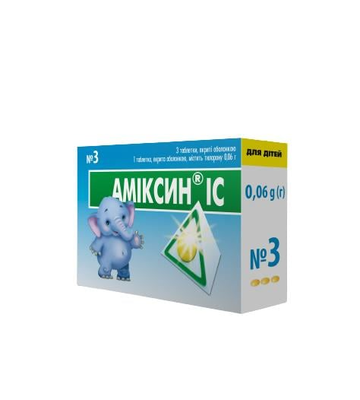
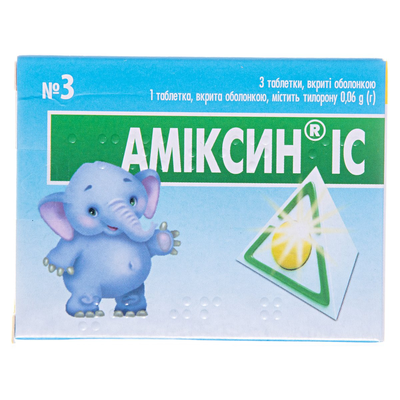
Active ingredient: tilorone;
1 tablet contains 0.06 g (60 mg) or 0.125 g (125 mg) of tilorone;
Inactive ingredients:
60 mg tablets: calcium hydrogen phosphate dihydrate, hypromellose (hydroxypropyl methylcellulose), microcrystalline cellulose, povidone, croscarmellose sodium, potato starch, polyethylene glycol (macrogol), talc, colloidal anhydrous silicon dioxide, calcium stearate, titanium dioxide (E 171), candurin (titanium dioxide (E 171), potassium aluminosilicate (E 555)), synthetic mixed red dye (hypromellose (hydroxypropyl methylcellulose), microcrystalline cellulose, titanium dioxide (E 171), Ponceau 4R lacquer dye (E 124), indigo carmine lacquer (E 132), sunset yellow FCF lacquer (E 110));
125 mg tablets: calcium hydrogen phosphate dihydrate, hypromellose (hydroxypropyl methylcellulose), microcrystalline cellulose, povidone, croscarmellose sodium, potato starch, polyethylene glycol (macrogol), talc, colloidal anhydrous silicon dioxide, calcium stearate, titanium dioxide (E 171), candurin (titanium dioxide (E 171), potassium aluminosilicate (E 555)), sunset yellow FCF (E 110).
Dosage Form
Film-coated tablets.
Main physical and chemical properties: round tablets with a biconvex surface, film-coated, dark pink (for 60 mg tablets) and orange (for 125 mg tablets) in color; with two layers visible on the break.
Pharmacotherapeutic group
Immunostimulants. ATX code L03A X.
Pharmacological properties
Pharmacodynamics.
AMIXIN® IS (tilorone) is an immunomodulatory and antiviral agent. It stimulates the production of α, β, and γ-interferons in the body. The main producers of interferon in response to administration of the drug are intestinal epithelial cells, hepatocytes, T-lymphocytes, neutrophils, and granulocytes. After oral administration, peak interferon production is observed in the “intestine-liver-blood” sequence within 4–24 hours. It stimulates bone marrow stem cells, increases antibody production in a dose-dependent manner, reduces the degree of immunosuppression, and restores the T-suppressor/T-helper ratio. It is effective against a wide range of viral infections, including influenza viruses, other acute respiratory viral infections, hepatitis A, B, and C, and herpes viruses. The mechanism of antiviral action involves the inhibition of the translation of virus-specific proteins in infected cells, which results in the suppression of viral replication.
In animal studies (using chicken and duck embryos), the drug demonstrated high antiviral activity against the H5N1 strain of highly pathogenic avian influenza (HPAI), as well as (in experiments on chicks) significant immunostimulatory and adjuvant activity against HPAI antigens.
Pharmacokinetics.
When taken orally, tilorone is rapidly absorbed from the gastrointestinal tract. Bioavailability is 60%. Approximately 80% of the drug binds to plasma proteins.
The drug is not biotransformed and does not accumulate in the body. It is excreted virtually unchanged in feces and urine in a 7:1 ratio. The half-life is 48 hours.
Indications
Adults: treatment of viral hepatitis A, B, and C; herpes infection; cytomegalovirus infection; as part of complex therapy for infectious-allergic and viral encephalomyelitis (multiple sclerosis, leukoencephalitis, uveoencephalitis, and meningoencephalitis), urogenital and respiratory chlamydiosis; for the treatment and prevention of influenza and acute respiratory viral infections (ARVI). To reduce the degree of immunosuppression as part of complex therapy for diseases accompanied by secondary immunodeficiencies (caused by exposure to X-rays, cytostatic drugs, surgical interventions, etc.) and requiring immunocorrection.
Children aged 7 years and older: treatment of influenza and acute respiratory viral infections.
Contraindications
Hypersensitivity to any of the drug’s components.
Interactions with other medications and other forms of interaction
It is compatible with antibiotics and conventional treatments for viral and bacterial diseases.
Special considerations
The drug contains dyes that may cause allergic reactions.
Pregnancy and lactation
There is no experience with the use of this medication during pregnancy and lactation; therefore, it should not be used during these periods.
Effect on the ability to operate vehicles and machinery
This has no effect.
Dosage and Administration
Take the medication by mouth after meals.
Adults
- Prevention of viral hepatitis A: 125 mg per week for 6 weeks.
- Treatment of viral hepatitis A: on the first day, 125 mg twice, then 125 mg every 48 hours. The total course dose is 1.25 g.
- Treatment of acute hepatitis B: 125 mg on each of the first 2 days of treatment, followed by 125 mg every 48 hours. The total course dose is 2 g. In cases of prolonged disease, the total course dose may be increased to 2.5 g.
- For chronic hepatitis B: 250 mg on the first 2 days of treatment, followed by 125 mg every 48 hours. The initial course dose is 2.5 g. Subsequently, the drug is taken at a dose of 125 mg per week. Overall, the course dose ranges from 3.75 g to 5 g.
- For acute hepatitis C: 125 mg on the first 2 days of treatment, followed by 125 mg every 48 hours. The total course dose is 2.5 g.
- For chronic hepatitis C: 250 mg on the first 2 days of treatment, followed by 125 mg every 48 hours. The course dose at the start of treatment is 2.5 g. Subsequently, the drug is taken at a dose of 125 mg per week. The total course dose is 5 g.
- For the treatment of influenza and acute respiratory viral infections (ARVI): 125 mg on the first 2 days of treatment, followed by 125 mg every 48 hours. The total course dose is 750 mg.
- For the prevention of influenza and acute respiratory viral infections (ARVI): 125 mg once a week for 6 weeks.
- For the treatment of herpes and cytomegalovirus infections: 125 mg on the first 2 days of treatment, followed by 125 mg every 48 hours. The total course dose is 2.5 g.
- To reduce the degree of immunosuppression as part of complex therapy for diseases accompanied by secondary-induced immunodeficiencies and requiring immunocorrection: 125–250 mg per week for 6 weeks. The maximum total dose is 1.5 g. Depending on immunological parameters and the course of the disease, the treatment course may be repeated with a 4-week interval between courses.
- For urogenital and respiratory chlamydiosis: 125 mg on the first 2 days of treatment, followed by 125 mg every 48 hours. The course dose is 1.25 g.
- In the complex therapy of neuroviral infections—including infectious-allergic and viral encephalomyelitis (multiple sclerosis, leukoencephalitis, uveoencephalitis, and meningoencephalitis): during the first 2 days of treatment—125 mg, followed by 125 mg every 48 hours. The total course dose ranges from 1.5 to 1.75 g.
Children 7 years of age and older
- For uncomplicated cases of influenza or acute respiratory viral infections (ARVI), take 60 mg once daily on the 1st, 2nd, and 4th days from the start of treatment. The total course dose is 180 mg.
- For complications of influenza or acute respiratory viral infections (ARVI), take 60 mg once daily on the 1st, 2nd, 4th, and 6th days from the start of treatment. The total course dose is 240 mg.
Children
This medication should not be used in children under 7 years of age.
Overdose
There are no known cases of AMIXIN® IS overdose.
Side Effects
Skin and subcutaneous tissue: allergic reactions, including itching and rash (including hives).
Gastrointestinal disorders: dyspeptic symptoms (in particular, nausea, heartburn).
Other: transient fever.
Shelf life
5 years.
Storage conditions
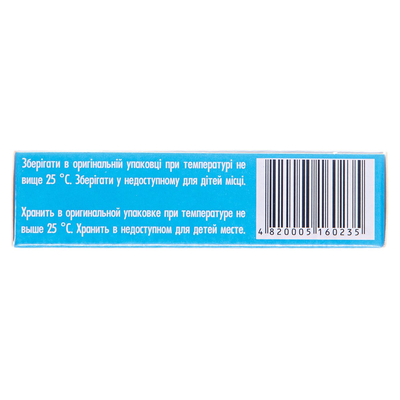
Store in the original packaging at a temperature not exceeding 25 °C.
Keep out of reach of children.
Packaging
3 tablets per blister; one, two, or three blisters per pack. 5 tablets per blister; two blisters per pack.
Sales Conditions
Available without a prescription.
Manufacturer
INTERCHIM Limited Liability Company.
Manufacturer
“Farmak” JSC.







