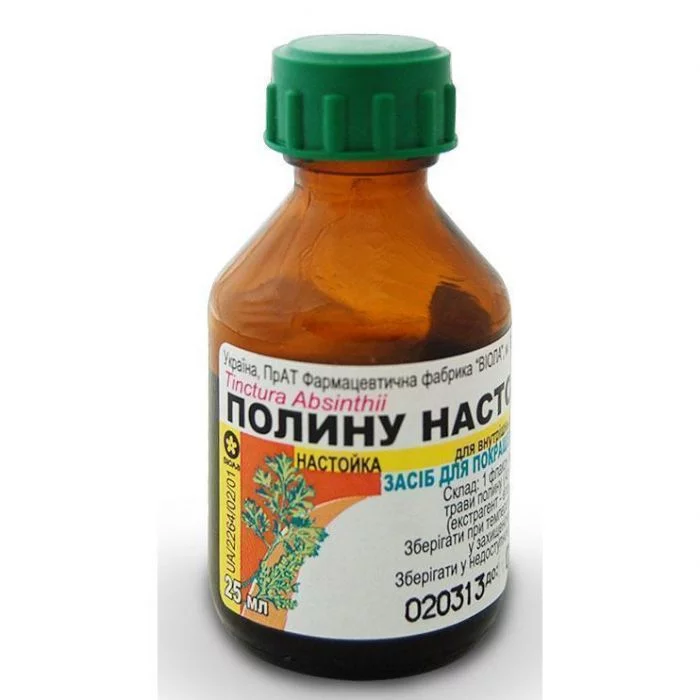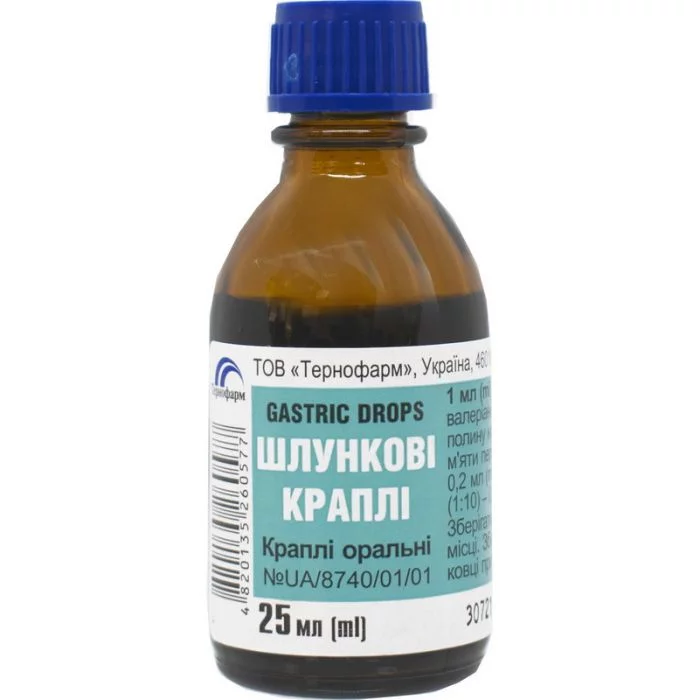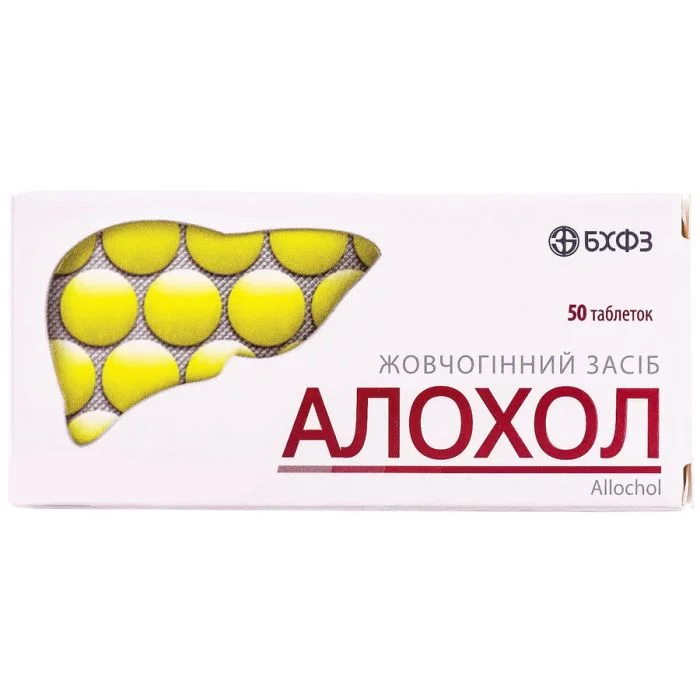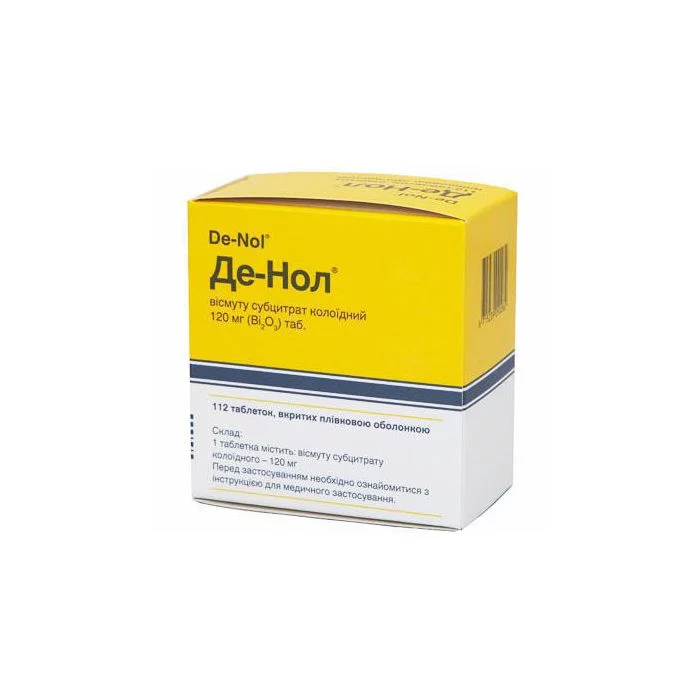
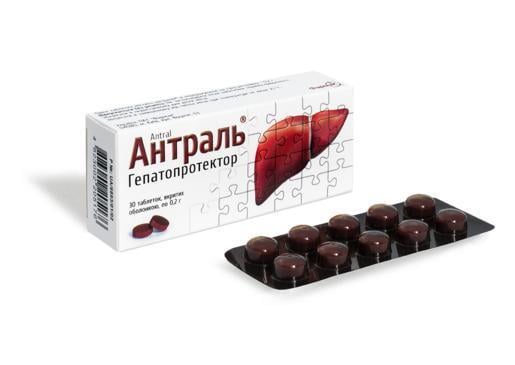
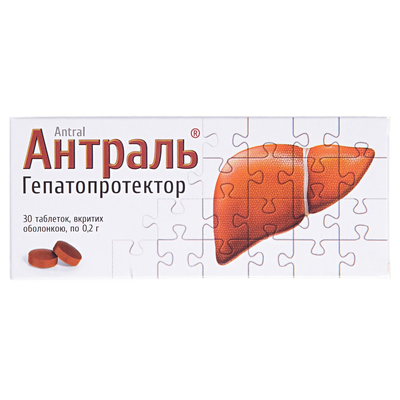
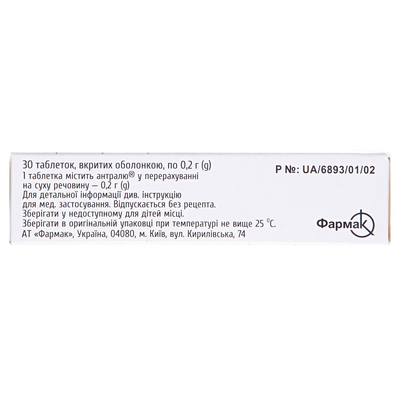
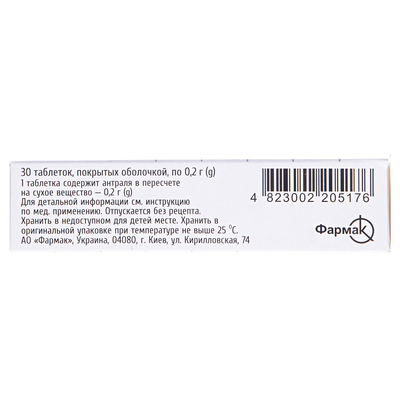
Antral tablets, enteric-coated, 0.2 g each, No. 30 (10 x 3)
Composition
Active ingredient: Each tablet contains Antral® equivalent to 100 mg (0.1 g) or 200 mg (0.2 g) of dry substance;
Excipients: heavy magnesium carbonate, potato starch, crospovidone, microcrystalline cellulose, povidone, polysorbate, anhydrous colloidal silicon dioxide, calcium stearate, Opadry II 85 G18490 white, Opadry II 85 G25557 red.
Dosage Form
Film-coated tablets.
Main physical and chemical properties: round tablets with a biconvex surface, coated with a dark red film.
Pharmacotherapeutic group
Hepatoprotective agents. ATC code A05B A.
Pharmacological properties
Pharmacodynamics.
Antral belongs to the group of hepatoprotective agents. It is effective in the treatment of acute and chronic hepatitis of various etiologies and liver cirrhosis; it helps reduce asthenovegetative disorders, improves appetite and sleep, and reduces dyspeptic symptoms. When taken as a course of treatment, the drug normalizes blood levels of bilirubin, γ-globulins, and cholesterol, as well as the prothrombin index, transaminase activity (ALT and AST), and alkaline phosphatase. Antral®® has a prolonged anti-inflammatory and analgesic effect. Based on the results of preclinical studies, it has been established that, in cases of acute, subacute, and chronic liver damage caused by various xenobiotics and their combinations, Antral helps to mitigate the effects of hepatotoxins, activates reparative processes in hepatocytes, and virtually normalizes indicators of the liver’s structural and functional state. The drug inhibits lipid peroxidation in the blood and tissues, supports the activity of the body’s antioxidant systems,® and stabilizes the structure of the liver and hepatocyte membranes. As a relatively harmless pharmacological agent, Antral® does not impair the functions of the body’s organs and systems and has no cumulative properties or immunotoxic, locally irritating, allergenic, ulcerogenic, embryotoxic, or teratogenic effects.
Pharmacokinetics.
Maximum blood levels of the drug are reached after 3–4 hours; the half-life is 4–5 hours. The drug is excreted in urine and feces.
Indications
Antral® is indicated for adults and children for the treatment of: acute and chronic hepatitis of various origins (viral, alcoholic, drug-induced, toxic); fatty degeneration and cirrhosis of the liver; inflammatory diseases of the gallbladder, spleen, and pancreas; and postcholecystectomy syndrome (following gallbladder removal). For the prevention of liver diseases resulting from the negative effects of toxins of various etiologies: dietary toxins, medications, chemotherapy, and radiation therapy.
Contraindications
Individual hypersensitivity to the components of the drug.
Impaired renal excretory function.
Interactions with other medications and other forms of interaction
Antral® is compatible with antibacterial, detoxifying, cholagogue, and vitamin preparations, allowing it to be included in complex drug therapy regimens. When used concomitantly in patients with liver cirrhosis, Antral® does not affect the activity of steroid and cytostatic drugs; a reduction (up to 50–70%) in the previously used dose of steroids is permissible without further reduction in treatment efficacy.
Special Instructions for Use
It is recommended to take Antral® 20–30 minutes after a meal, with a sufficient amount of water or milk.
Pregnancy and lactation.
Due to limited experience with its use, the drug is not recommended during pregnancy or lactation.
Effects on the ability to operate vehicles and machinery.
There are no data on its effects, but drivers and operators of complex machinery should be aware of the possibility of dizziness.
Dosage and Administration
Antral® should be taken orally after meals 3 times a day:
- adults and children over 10 years of age—200 mg per dose; for liver cirrhosis: 400 mg per dose during the first week of treatment, followed by 200 mg per dose for 2–3 weeks;
- children aged 4–10 years (including those with liver cirrhosis)—100 mg per dose.
The duration of treatment depends on the nature and severity of the disease. The average course of treatment is 3–4 weeks. The course of treatment should be repeated after 3–4 weeks.
Children. Do not use in children under 4 years of age.
Overdose
In case of overdose, side effects may occur or intensify.
If large doses of the drug are accidentally ingested, gastric lavage should be performed and (if necessary) symptomatic treatment administered.
Side Effects
The drug is generally well tolerated by patients. In rare cases, the use of Antral® may cause weakness, dizziness, dyspeptic symptoms, nausea, abdominal pain, or diarrhea, which resolve after discontinuation of the drug.
Allergic reactions, including skin rashes, hives, angioedema, redness, and itching.
Shelf life
3 years.
Do not use the medication after the expiration date printed on the package.
Storage conditions
Store in the original packaging at a temperature not exceeding 25 °C.
Keep out of reach of children.
Packaging
10 tablets per blister pack. 3 blister packs per package.
Sales Conditions
Available without a prescription.
Manufacturer
Farmak JSC.