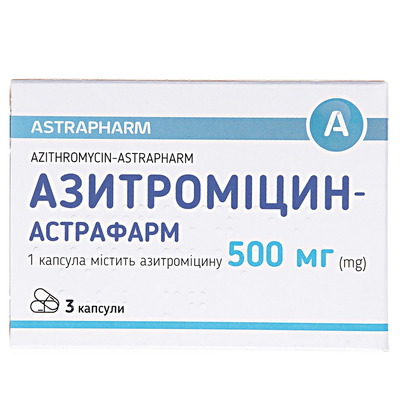
Azithromycin-Astrafarm 500 mg capsules, No. 3
Composition
Active ingredient: azithromycin;
1 capsule contains 250 mg or 500 mg of azithromycin (as azithromycin dihydrate, calculated as 100% active ingredient);
Excipients: microcrystalline cellulose, colloidal anhydrous silicon dioxide, magnesium stearate;
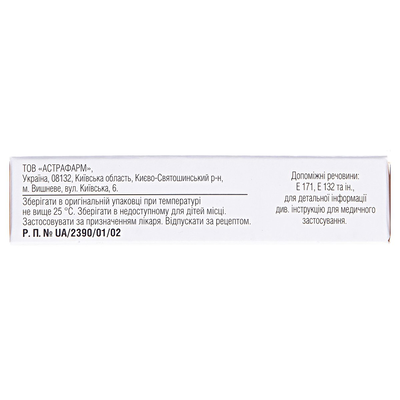
Capsule shell composition: gelatin, titanium dioxide (E 171), indigo carmine (E 132).
Dosage Form
Capsules.
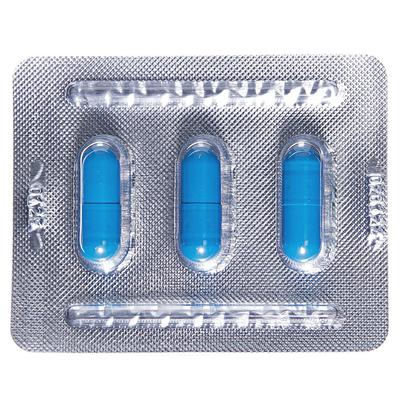
Main physical and chemical properties: hard gelatin capsules of cylindrical shape with hemispherical ends; the body and cap are blue. The contents of the capsules are a white or cream-white powder.
Pharmacotherapeutic group
Antibacterial agents for systemic use. Macrolides, lincosamides, and streptogramins. ATC code J01F A10.
Pharmacological Properties
Pharmacodynamics.
Azithromycin belongs to the group of macrolide azalide antibiotics with a broad spectrum of antimicrobial activity. The mechanism of action of azithromycin involves inhibiting bacterial protein synthesis by binding to the 50S subunit of the ribosome and preventing peptide translocation, without affecting polynucleotide synthesis.
The prevalence of acquired resistance among isolated species may vary by region; therefore, it is advisable to have local information on resistance, especially when treating severe infections. If necessary, consult a specialist if resistance in a given region is so widespread that the drug’s efficacy against even a few types of infections is questionable.
Azithromycin is active against aerobic Gram-positive bacteria: Streptococcus pneumoniae, Streptococcus pyogenes, Group C, F, and G streptococci, and Staphylococcus aureus; aerobic Gram-negative bacteria: Haemophilus influenzae, Haemophilus parainfluenzae, Moraxella catarrhalis, Legionella pneumophila, Pasteurella multocida; anaerobic bacteria: Clostridium perfringens. The drug is also active against Chlamydia trachomatis.
Resistance to azithromycin may be innate or acquired: in rare cases, Streptococcus pneumoniae, Streptococcus pyogenes, and Staphylococcus aureus may become resistant; Enterobacteriaceae, Pseudomonas spp. Azithromycin exhibits cross-resistance with erythromycin-resistant Gram-positive strains.
Pharmacokinetics.
Azithromycin is rapidly absorbed in the gastrointestinal tract. After oral administration of a 500 mg dose, the maximum concentration (Cmax) of azithromycin in plasma is reached in 2.5–2.96 hours and is 0.4 mg/L. Bioavailability is approximately 37%. The half-life (T1/2) ranges from 14 to 20 hours (between 8 and 24 hours after administration) and up to 41 hours (between 24 and 72 hours). Food intake significantly alters the pharmacokinetics.
When taken orally, azithromycin is distributed throughout the body. The apparent volume of distribution at steady state is 31.1 L/kg. It penetrates well into the respiratory tract, organs and tissues of the genitourinary system (particularly the prostate gland), the skin, and soft tissues. The concentration of the drug in tissues and cells is 10 to 100 times higher than in the blood. High tissue concentrations and a prolonged half-life (T1/2) are due to azithromycin’s low binding to plasma proteins (12% to 52%). The drug accumulates in large quantities in phagocytes, which transport it to sites of infection and inflammation, where it is gradually released during phagocytosis. Azithromycin remains at bactericidal concentrations at the site of inflammation for 5–7 days after the last dose.
It is metabolized in the liver (by nearly 35%), losing its activity through N- and O-demethylation, hydroxylation of the desazoamine and aglycone rings, and cleavage of the cladinose conjugate.
More than 50% is excreted unchanged in bile, and approximately 4.5% is excreted in urine within 72 hours.
In patients with mild/moderate renal or hepatic impairment, the pharmacokinetics of azithromycin remain unchanged; in patients with severe renal impairment, a significant change in the area under the concentration-time curve (AUC), Cmax, and plasma clearance. In patients with mild to moderate hepatic impairment, the urinary clearance of azithromycin may be increased to compensate for reduced hepatic clearance.
In elderly patients, the AUC is slightly higher than in the age group under 40 years, but this is not clinically significant; therefore, no dose adjustment is required.
Indications
Infections caused by organisms susceptible to azithromycin:
- upper respiratory tract infections (bacterial pharyngitis, tonsillitis, sinusitis, otitis);
- lower respiratory tract infections (bacterial bronchitis and exacerbations of chronic bronchitis, community-acquired pneumonia);
- skin and soft tissue infections: chronic migratory erythema (Stage I Lyme disease), erysipelas, impetigo, secondary pyoderma;
- genital infections: uncomplicated and complicated urethritis/cervicitis caused by Chlamydia trachomatis.
Contraindications
Hypersensitivity to the components of the drug or to other antibiotics of the macrolide/ketolide group; severe hepatic or renal insufficiency, hepatic insufficiency, marked bradycardia, arrhythmia, severe heart failure; concomitant use with ergot derivatives (risk of ergotism).
Drug Interactions and Other Interactions
Caution should be exercised when prescribing azithromycin to patients concurrently with other drugs that may prolong the QT interval.
Antacids. In studies examining the effect of concomitant antacid use on the pharmacokinetics of azithromycin, no overall changes in bioavailability were observed, although peak plasma concentrations of azithromycin were reduced by approximately 25%. Azithromycin should be taken at least 1 hour before or 2 hours after taking an antacid.
Cetirizine. In healthy volunteers, the concomitant administration of azithromycin for 5 days with 20 mg of cetirizine at steady state showed no pharmacokinetic interactions or significant changes in the QT interval.
Didanosine. Concomitant administration of daily doses of 1,200 mg of azithromycin with didanosine showed no effect on the pharmacokinetics of didanosine compared with placebo.
Digoxin and colchicine. It has been reported that the concomitant use of macrolide antibiotics, including azithromycin, and P-glycoprotein substrates, such as digoxin and colchicine, leads to increased serum levels of the P-glycoprotein substrate. Therefore, when azithromycin is used concomitantly with a P-glycoprotein substrate such as digoxin, the possibility of increased serum concentrations of the substrate should be considered.
Zidovudine. Single doses of 1,000 mg and 1,200 mg or multiple doses of 600 mg of azithromycin had no effect on the plasma pharmacokinetics or urinary excretion of zidovudine or its glucuronide metabolites. However, azithromycin increased the concentration of phosphorylated zidovudine, a clinically active metabolite, in peripheral blood mononuclear cells. The clinical significance of these findings is unclear, but may be of benefit to patients.
Ergot derivatives. Due to the theoretical possibility of ergotism, concomitant use of azithromycin with ergot derivatives is not recommended.
Azithromycin does not interact significantly with the hepatic cytochrome P450 system. The drug is not believed to have the pharmacokinetic drug interactions observed with erythromycin and other macrolides. Azithromycin does not induce or inactivate hepatic cytochrome P450 via the cytochrome metabolite pool.
Pharmacokinetic studies have been conducted on the use of azithromycin and subsequent drugs that are extensively metabolized by cytochrome P450.
Atorvastatin. Concomitant administration of atorvastatin (10 mg daily) and azithromycin (500 mg daily) did not result in changes in atorvastatin plasma concentrations (as determined by HMG-CoA reductase inhibition assays).
Carbamazepine. In a pharmacokinetic interaction study in healthy volunteers, azithromycin did not show a significant effect on plasma levels of carbamazepine or its active metabolites.
Cimetidine. In a pharmacokinetic study examining the effect of a single dose of cimetidine, administered 2 hours before azithromycin, on the pharmacokinetics of azithromycin, no changes in azithromycin pharmacokinetics were observed.
Oral anticoagulants, such as coumarin. In a pharmacokinetic interaction study, azithromycin did not alter the anticoagulant effect of a single 15-mg dose of warfarin administered to healthy volunteers. There have been reports of potentiation of the anticoagulant effect following concomitant use of azithromycin and oral anticoagulants, such as coumarin. Although a causal relationship has not been established, the need for frequent monitoring of prothrombin time should be considered when prescribing azithromycin to patients receiving oral coumarin-derived anticoagulants.
Cyclosporine. Some related macrolide antibiotics affect the metabolism of cyclosporine. Since no pharmacokinetic or clinical studies have been conducted on potential interactions between azithromycin and cyclosporine when taken concomitantly, the therapeutic situation should be carefully evaluated before prescribing these drugs together. If combination therapy is deemed appropriate, cyclosporine levels should be closely monitored and the dosage adjusted accordingly.
Efavirenz. Concomitant administration of a single 600-mg dose of azithromycin and 400 mg of efavirenz daily for 7 days did not result in any clinically significant pharmacokinetic interaction.
Fluconazole. Concomitant administration of a single 1,200-mg dose of azithromycin does not alter the pharmacokinetics of a single 800-mg dose of fluconazole. The total exposure and half-life of azithromycin were not altered by concomitant administration of fluconazole, but a clinically insignificant decrease in Cmax (18%) of azithromycin was observed.
Indinavir. Concomitant administration of a single 1,200 mg dose of azithromycin has no statistically significant effect on the pharmacokinetics of indinavir administered at a dose of 800 mg three times daily for 5 days.
Methylprednisolone. In a pharmacokinetic interaction study in healthy volunteers, azithromycin had no significant effect on the pharmacokinetics of methylprednisolone.
Midazolam. In healthy volunteers, concomitant administration of azithromycin 500 mg daily for 3 days did not cause clinically significant changes in the pharmacokinetics or pharmacodynamics of midazolam.
Nelfinavir. Concomitant administration of azithromycin (1,200 mg) and nelfinavir at steady-state concentrations (750 mg three times daily) results in increased azithromycin concentrations. No clinically significant adverse events were observed; therefore, no dose adjustment is necessary.
Rifabutin. Concomitant use of azithromycin and rifabutin did not affect the serum concentrations of these drugs. Neutropenia was observed in patients taking azithromycin and rifabutin concomitantly. Although neutropenia was associated with rifabutin use, a causal relationship with concomitant azithromycin administration was not established.
Sildenafil. In healthy male volunteers, there was no evidence that azithromycin (500 mg daily for 3 days) affected the AUC and Cmax values of sildenafil or its major circulating metabolite.
Terfenadine. Studies have not reported any interaction between azithromycin and terfenadine. In some cases, the possibility of such an interaction cannot be completely ruled out; however, there are no specific data indicating the presence of such an interaction.
Theophylline. There are no data on clinically significant pharmacokinetic interactions when azithromycin and theophylline are administered concomitantly.
Triazolam. Concomitant administration of azithromycin at a dose of 500 mg on the first day and 250 mg on the second day with 0.125 mg of triazolam had no significant effect on the overall pharmacokinetics of triazolam compared with triazolam and placebo.
Trimethoprim/sulfamethoxazole. Concomitant administration of trimethoprim/sulfamethoxazole at double the usual concentration (160 mg/800 mg) for 7 days with azithromycin at a dose of 1,200 mg daily for 7 days had no significant effect on the maximum concentrations, total exposure, or urinary excretion of trimethoprim or sulfamethoxazole. Serum azithromycin concentrations were consistent with those observed in other studies.
Special Considerations for Use
Allergic reactions. As with erythromycin and other macrolide antibiotics, isolated cases of serious allergic reactions have been reported, including angioedema and anaphylaxis (in rare cases, with fatal outcomes). Some of these azithromycin-induced reactions caused recurrent symptoms and required prolonged monitoring and treatment.
Hepatic dysfunction. Since the liver is the primary route of elimination for azithromycin, caution should be exercised when prescribing azithromycin to patients with severe liver disease. Cases of fulminant hepatitis leading to life-threatening liver failure have been reported with azithromycin use. Liver function should be monitored if signs and symptoms of liver dysfunction develop, such as rapidly progressing asthenia accompanied by jaundice, dark urine, a tendency to bleed, as well as hepatic encephalopathy.
If liver failure is detected, azithromycin should be discontinued.
Renal impairment. In patients with severe renal insufficiency (glomerular filtration rate < 10 mL/min), a 33% increase in systemic exposure to azithromycin has been observed.
Prolongation of cardiac repolarization and the QT interval, which increases the risk of arrhythmias and torsade de pointes, has been observed with treatment using other macrolide antibiotics. This effect of azithromycin cannot be completely ruled out in patients at increased risk of prolonged cardiac repolarization; therefore, caution should be exercised when prescribing treatment to patients with congenital or documented QT interval prolongation; patients currently being treated with other active substances known to prolong the QT interval, such as Class IA antiarrhythmics (quinidine and procainamide) and Class III (dofetilide, amiodarone, and sotalol), cisapride and terfenadine, as well as neuroleptic drugs (pimozide); antidepressants (citalopram), as well as fluoroquinolones (moxifloxacin and levofloxacin); patients with electrolyte imbalances, particularly hypokalemia and hypomagnesemia; patients with clinically significant bradycardia, cardiac arrhythmia, or severe heart failure.
Myasthenia gravis: In patients receiving azithromycin therapy, exacerbation of myasthenia gravis symptoms or the new onset of myasthenic syndrome has been reported.
Streptococcal infections. For the treatment of pharyngitis/tonsillitis caused by Streptococcus pyogenes, penicillin is usually the drug of choice; it is also used for prophylaxis in acute rheumatic fever. Azithromycin is generally effective in treating oropharyngeal streptococcal infections, and there are no data demonstrating the efficacy of azithromycin in preventing rheumatic fever.
The safety and efficacy of intravenous azithromycin for the treatment of infections in children have not been established.
Superinfections: As with other antibacterial drugs, there is a risk of superinfection (mycosis).
Patients taking ergot derivatives have occasionally experienced ergotism due to the concurrent use of certain macrolide antibiotics. There are no data on possible drug interactions between ergot and azithromycin; however, due to the theoretical possibility of ergotism, azithromycin should not be administered concurrently with ergot alkaloids.
The use of virtually all antibacterial agents, including azithromycin, may cause Clostridium difficile-associated diarrhea, ranging from mild to fatal colitis. Antibacterial drugs alter the normal flora of the large intestine, leading to overgrowth of C. difficile (which produces toxins A and B, contributing to the development of diarrhea). Strains of C. difficile that overproduce toxins are associated with an increased risk of reinfection and mortality, as these infections may be resistant to antimicrobial agents and require colectomy. C. difficile-associated diarrhea should be ruled out in all patients receiving antibiotics. A detailed medical history must be obtained, as C. difficile-associated diarrhea can occur within 2 months after the end of antibiotic treatment.
Pregnancy and lactation.
Given the lack of safety data on azithromycin, it is not recommended to prescribe this medication during pregnancy or lactation, except in cases where the expected benefit to the mother outweighs the potential risk to the fetus or infant.
Effects on the ability to drive and operate machinery.
There is no evidence that azithromycin impairs the ability to drive or operate machinery. However, the possibility of side effects such as delirium, hallucinations, dizziness, drowsiness, fainting, or seizures—which may affect the ability to drive or operate machinery—should be taken into account.
Dosage and Administration
Adults and children weighing more than 45 kg
Azithromycin should be taken once daily, at least 1 hour before a meal or 2 hours after a meal.
For respiratory tract infections and infections of the skin and soft tissues (except for chronic erythema migrans), the dose is 500 mg once daily for 3 days.
Chronic erythema migrans: 1 g on the first day (2 capsules of 500 mg each), followed by 500 mg daily (1 capsule of 500 mg) from the second through the fifth day.
Uncomplicated and complicated urethritis/cervicitis: a single dose of 1 g (2 capsules of 500 mg each). The total course dose is 1 g.
What to do if you miss a dose.
Take the missed dose as soon as possible, and take subsequent doses at 24-hour intervals.
Renal insufficiency.
Patients with mild renal insufficiency (creatinine clearance > 40 mL/min) do not need to adjust the dosage. No studies have been conducted in patients with creatinine clearance < 40 mL/min. Accordingly, caution should be exercised when administering azithromycin to these patients.
Hepatic impairment.
Since azithromycin is metabolized in the liver and excreted in bile, the drug should not be used in patients with severe liver disease.
No dose adjustment is required for elderly patients.
Elderly patients: No dosage adjustment is necessary.
Since elderly patients may be at risk for cardiac conduction disturbances, caution is recommended when using azithromycin due to the risk of developing cardiac arrhythmias and torsade de pointes.
Children.
This dosage form is not indicated for children weighing less than 45 kg.
For children under 6 years of age, azithromycin in other dosage forms is recommended. The drug is prescribed to children over 6 years of age who are able to swallow a capsule.
Overdose
Clinical experience with azithromycin indicates that adverse events occurring at doses exceeding the recommended ones are similar to those observed at usual therapeutic doses. These may include diarrhea/frequent loose stools, nausea, abdominal pain, or vomiting.
Treatment: Gastric lavage and activated charcoal should be administered, along with symptomatic therapy aimed at maintaining vital bodily functions. There is no specific antidote.
Side Effects
Listed below are adverse reactions identified in clinical trials and postmarketing surveillance with all dosage forms of azithromycin, categorized by organ system and frequency: very common (≥1/10), common (≥1/100, <1/10), uncommon (≥1/1,000, <1/100), rare (≥1/10,000, <1/1,000), very rare (<1/10,000), unknown (cannot be estimated from the available data).
Infections and infestations: uncommon—candidiasis, vaginal infections, pneumonia, fungal infection, bacterial infection, pharyngitis, gastroenteritis, respiratory distress, rhinitis, oral candidiasis; unknown – pseudomembranous colitis.
Blood disorders: uncommon—leukopenia, neutropenia, eosinophilia; unknown—thrombocytopenia, hemolytic anemia.
Immune system disorders: uncommon – angioedema, hypersensitivity reactions; frequency unknown – anaphylactic reaction.
Metabolic disorders: uncommon—anorexia.
Psychiatric disorders: uncommon—nervousness, insomnia; rare—agitation; frequency unknown—aggressiveness, anxiety, delirium, hallucinations.
Nervous system disorders: common—headache; rare—dizziness, drowsiness, dysgeusia, paresthesias; frequency unknown—fainting, seizures (also caused by other macrolide antibiotics), hypesthesia, psychomotor hyperactivity, distortion or loss of taste and smell, ageusia, parosmia, myasthenia, syncope, asthenia, neurosis, lethargy.
Eye disorders: uncommon—visual disturbances.
Hearing disorders: uncommon—hearing impairment, vertigo; frequency unknown—hearing impairment, including deafness and/or tinnitus. Most of these cases are associated with clinical trials in which azithromycin was administered in high doses over a prolonged period. According to available follow-up data, most of these problems were reversible.
Cardiovascular system: uncommon—palpitations, hot flashes; frequency unknown—ventricular fibrillation (torsade de pointes), QT interval prolongation; ventricular arrhythmias, including ventricular tachycardia (also caused by other macrolide antibiotics), chest pain.
Respiratory system: uncommon—shortness of breath, nosebleeds.
Gastrointestinal system: very common—diarrhea; common—vomiting, abdominal discomfort (pain/cramps), nausea; rarely—loose stools, constipation, flatulence, dyspepsia, gastritis, dysphagia, abdominal distension, dry mouth, belching, mouth ulcers, hypersalivation; unknown – pancreatitis, discoloration of the tongue, pseudomembranous colitis, anorexia.
Hepatobiliary disorders: rare – hepatic dysfunction; hepatitis and cholestatic jaundice, including changes in liver function tests; severe hepatitis and liver dysfunction; frequency unknown – liver failure (rarely fatal), fulminant hepatitis, liver necrosis.
Skin and subcutaneous tissue disorders: uncommon—rash, pruritus, urticaria, dermatitis, dry skin, hyperhidrosis; rare—photosensitivity, acute generalized eczematous pustulosis; unknown – Stevens-Johnson syndrome, toxic epidermal necrolysis, erythema multiforme, drug reaction with eosinophilia and systemic symptoms.
Musculoskeletal disorders: uncommon—osteoarthritis, myalgia, back and neck pain; frequency unknown—arthralgia, weakness.
Urinary system: uncommon—dysuria, renal pain; frequency unknown—acute renal failure, interstitial nephritis.
Reproductive system disorders: uncommon—uterine bleeding, testicular disorders, vaginitis.
General disorders and administration site conditions: uncommon—edema, asthenia, malaise, fatigue, facial edema, chest pain, hyperthermia, pain, peripheral edema.
Laboratory findings: common – decreased lymphocyte count, increased eosinophil count, decreased blood bicarbonate level, increased basophil count, increased monocyte count, increased neutrophil count; uncommon – elevated aspartate aminotransferase, elevated alanine aminotransferase, elevated serum bilirubin, elevated blood urea nitrogen, elevated serum creatinine, changes in serum potassium, elevated alkaline phosphatase, elevated chloride levels, elevated glucose levels, elevated platelet count, decreased hematocrit, elevated bicarbonate levels, abnormal sodium levels.
Injuries and Poisonings: Uncommon—complications following the procedure.
Information on adverse reactions possibly associated with the prevention and treatment of Mycobacterium avium complex is based on data from clinical trials and postmarketing surveillance. These adverse reactions differ in type or frequency from those reported with the use of fast-acting and extended-release medications.
Adverse reactions that may be associated with the prevention and treatment of Mycobacterium avium complex
Metabolic disorders: common—anorexia.
Nervous system disorders: common—dizziness, headache, paresthesia, dysgeusia; rare—hypoesthesia.
Eye disorders: common—visual disturbances.
Hearing disorders: common—deafness; rare—hearing impairment, tinnitus.
Cardiac disorders: uncommon—palpitations.
Gastrointestinal disorders: common—diarrhea, abdominal pain, nausea, flatulence, gastrointestinal discomfort, frequent loose stools.
Hepatobiliary disorders: rare—hepatitis.
Skin and subcutaneous tissue disorders: common—rash, itching; rare—Stevens-Johnson syndrome, photosensitivity.
Musculoskeletal disorders: common—arthralgia.
General disorders and administration site conditions: common—increased fatigue; rare—asthenia, malaise.
Shelf life
3 years.
Storage conditions
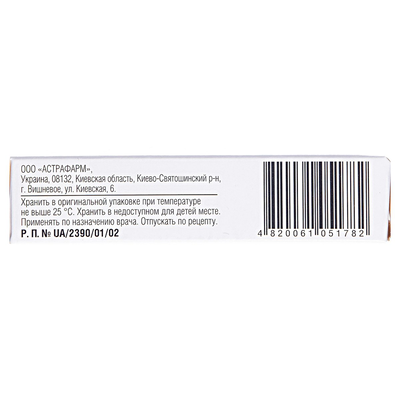
Store in the original packaging at a temperature not exceeding 25 °C.
Keep out of reach of children.
Packaging
250 mg capsules—6 capsules per blister pack; 1 blister pack per box.
500 mg capsules—3 capsules per blister pack; 1 blister pack per box.