
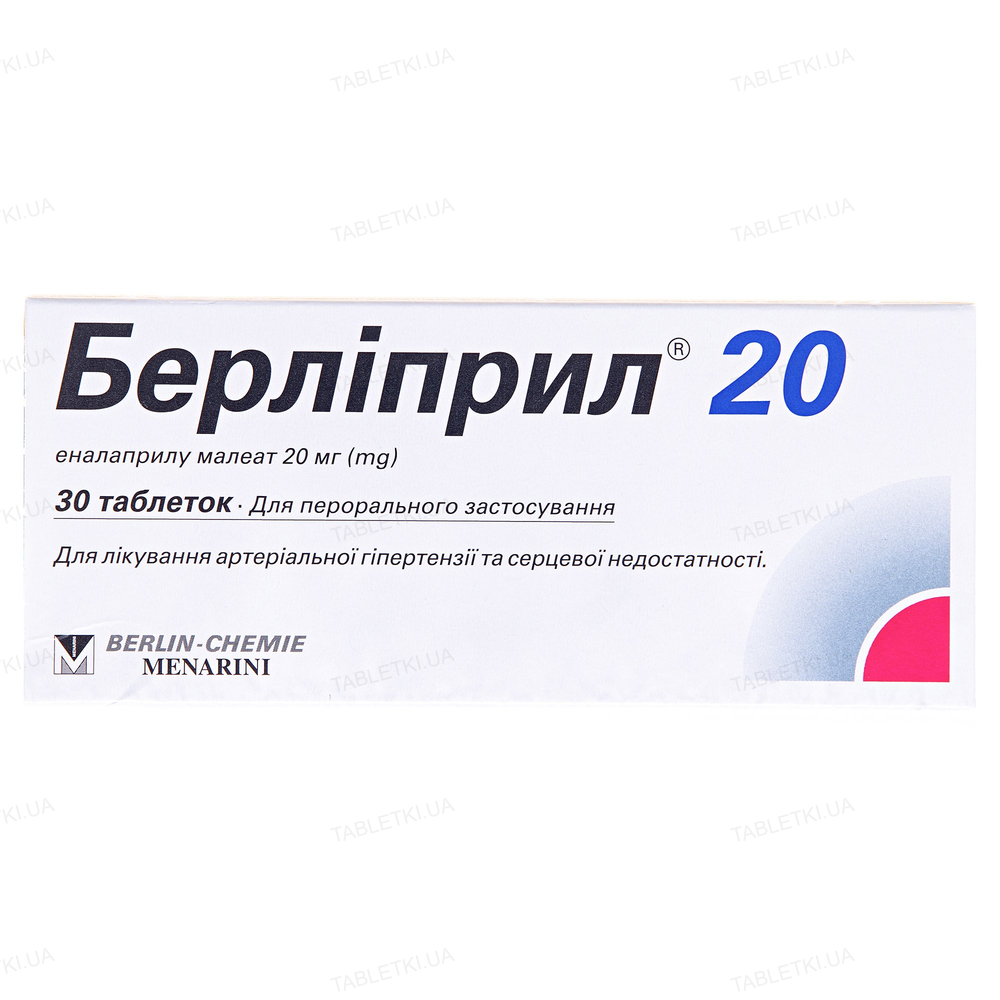
Berlipril 20 tablets, 20 mg each, No. 30
Ingredients
Active ingredient: enalapril;
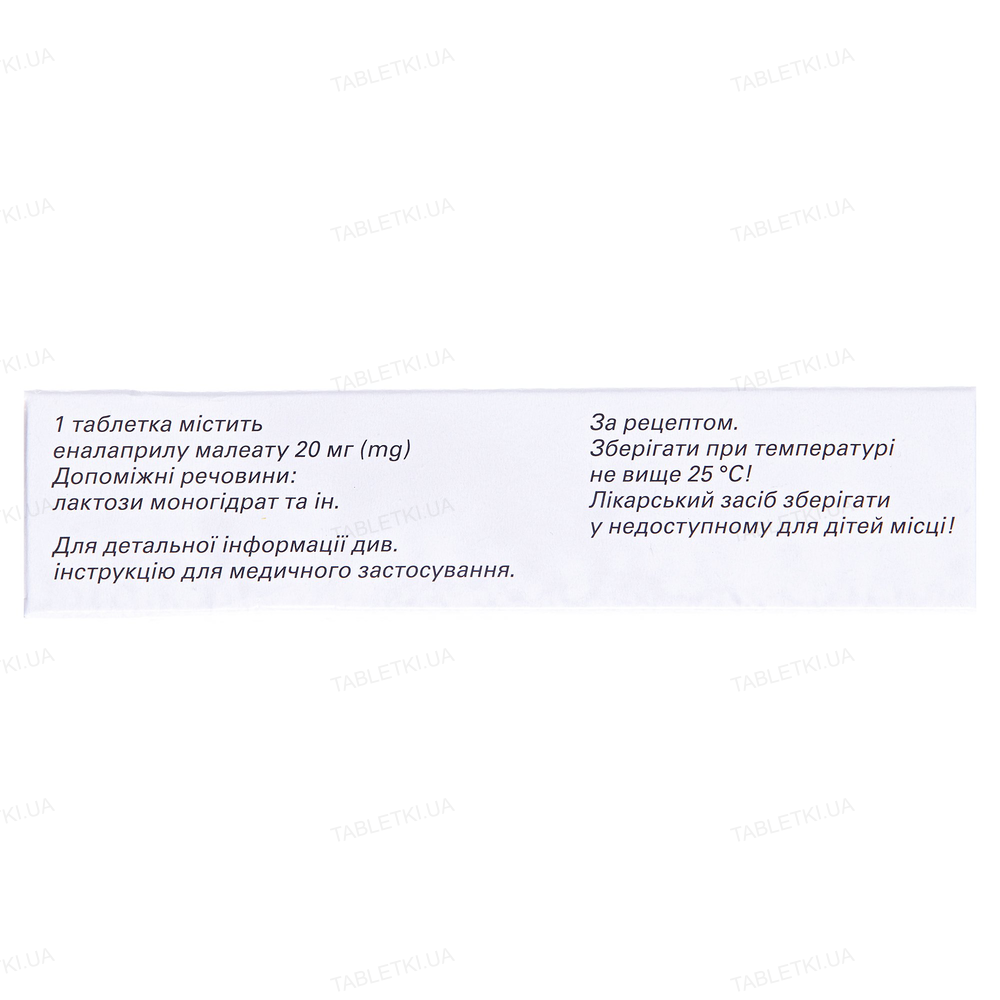
1 tablet contains 20 mg of enalapril maleate;
inactive ingredients: lactose monohydrate, light magnesium carbonate, sodium starch glycolate (type A), gelatin, colloidal anhydrous silicon dioxide, magnesium stearate, iron oxide (E 172): red.
Dosage Form
Tablets.
Main physical and chemical properties: slightly biconvex tablets with beveled edges and a score line on one side, pale reddish in color.
The tablets can be divided into equal halves.
Pharmacotherapeutic group
Angiotensin-converting enzyme inhibitors, single-component. ATC code C09A A02.
Pharmacological properties
Pharmacodynamics.
Berlipril® (enalapril maleate) is the maleic acid salt of enalapril, a derivative of two amino acids, L-alanine and L-proline.
Angiotensin-converting enzyme (ACE) is a peptidyl dipeptidase that catalyzes the conversion of angiotensin I into the pressor substance angiotensin II. After absorption, enalapril maleate undergoes hydrolysis to form enalaprilat, which inhibits ACE. As a result of this ACE inhibition, the concentration of angiotensin II in plasma decreases, which in turn leads to an increase in plasma renin activity (due to the blocking of the negative feedback mechanism of renin release), and to a decrease in aldosterone secretion.
ACE is identical to kinase II. Thus, Berlipril® may also block the breakdown of bradykinin, a potent vasodilatory peptide. However, the role this effect plays in the drug’s therapeutic action remains unclear.
Mechanism of Action.
The mechanism of the antihypertensive action of Berlipril® is primarily associated with inhibition of the renin-angiotensin-aldosterone system; enalapril can lower blood pressure even in patients with low-renin hypertension.
Pharmacodynamic effects.
The use of Berlipril® in patients with hypertension results in a reduction in blood pressure in both the supine and standing positions, without a significant increase in heart rate.
Symptomatic orthostatic hypotension rarely occurs. In some patients, optimal blood pressure reduction occurs only after several weeks of therapy. Abrupt discontinuation of Berlipril® therapy is not associated with a sharp increase in blood pressure.
Effective inhibition of ACE activity usually occurs 2–4 hours after oral administration of an individual dose of enalapril maleate. The antihypertensive effect is generally observed as early as 1 hour after administration, and the maximum reduction in blood pressure is achieved 4–6 hours after taking the medication. The duration of action depends on the dose. However, at the recommended doses, the antihypertensive and hemodynamic effects last for at least 24 hours.
Hemodynamic studies in patients with essential hypertension have shown that the reduction in blood pressure was accompanied by a decrease in peripheral arterial resistance and an increase in cardiac output, but the heart rate remained virtually unchanged. Following administration of Berlipril®, renal blood flow increased; the glomerular filtration rate remained unchanged. No signs of sodium or water retention were observed. However, in patients whose glomerular filtration rate was low prior to the start of therapy, this parameter generally increased.
In short-term clinical studies in patients with and without diabetes who had kidney disease, administration of enalapril maleate was associated with a reduction in albuminuria, as well as a decrease in urinary excretion of IgG and total protein.
When used concomitantly with thiazide diuretics, the antihypertensive effect of Berlipril® is additive. Berlipril® may reduce or prevent the onset of thiazide-induced hypokalemia.
In patients with heart failure who are taking digitalis preparations and diuretics, a reduction in peripheral resistance and a decrease in blood pressure were observed following oral or intravenous administration of enalapril maleate. Cardiac output increased, while heart rate (which is typically elevated in patients with heart failure) decreased. Similarly, pulmonary capillary wedge pressure decreased. Exercise tolerance and the severity of heart failure, as defined by the New York Heart Association criteria, improved. These effects are maintained with long-term treatment.
In patients with mild to moderate heart failure, enalapril slowed the progression of cardiac dilation and heart failure, as determined by a reduction in left ventricular end-diastolic and end-systolic volumes and an improvement in ejection fraction.
Clinical Efficacy and Safety.
A multicenter, randomized, double-blind, placebo-controlled trial (SOLVD, the Prevention Study) evaluated a population of patients with asymptomatic left ventricular dysfunction (ejection fraction < 35%). A total of 4,228 patients were randomized to receive either placebo (n = 2,117) or enalapril maleate (n = 2,111). In the placebo group, 818 patients developed heart failure or died (38.6%), compared with 630 patients in the enalapril maleate group (29.8%) (risk reduction: 29%; 95% CI: 21–36%; p<0.001).
518 patients in the placebo group (24.5%) and 434 in the enalapril maleate group (20.6%) died or were hospitalized due to the development of heart failure or complications of an existing condition (risk reduction: 20%; 95% CI: 9–30%; p < 0.001).
In a multicenter, randomized, double-blind, placebo-controlled trial (SOLVD, the Treatment Study), a population of patients with clinical manifestations of congestive heart failure due to systolic dysfunction (ejection fraction <35%) was studied. 2,569 patients receiving conventional treatment for heart failure were randomized to receive either placebo (n = 1,284) or enalapril maleate (n = 1,285). In the placebo group, 510 deaths (39.7%) were recorded, compared with 452 deaths in the enalapril group (35.2%) (risk reduction: 16%; 95% CI: 5–26%; p=0.0036). In the placebo group, 461 deaths due to cardiovascular disease were recorded, compared with
399 cases in the enalapril group (risk reduction: 18%, 95% CI: 6–28%, p<0.002), primarily due to a reduction in mortality from progressive heart failure (251 cases in the placebo group compared with 209 cases in the enalapril group (risk reduction: 22%, 95% CI: 6–35%). Several patients died or were hospitalized due to progression of heart failure (736 patients in the placebo group and 613 in the enalapril group (risk reduction: 26%; 95% CI, 18–34%; p < 0.0001). Overall, in patients with left ventricular dysfunction in the SOLVD trial, enalapril reduced the risk of myocardial infarction by 23% (95% CI: 11–34%; p < 0.001), as well as the risk of hospitalization for unstable angina by 20% (95% CI: 9–29%; p < 0.001).
In two large-scale randomized controlled trials (ONTARGET (ONgoing Telmisartan Alone and in combination with Ramipril Global Endpoint Trial) and VA NEPHRON-D (The Veterans Affairs Nephropathy in Diabetes)), the use of an ACE inhibitor in combination with an angiotensin II receptor blocker was investigated.
The ONTARGET study was conducted among patients with a history of cardiovascular or cerebrovascular disease, or type 2 diabetes mellitus accompanied by signs of target organ damage. The VA NEPHRON-D study included patients with type 2 diabetes and diabetic nephropathy. These studies demonstrated a modest beneficial effect on renal and/or cardiovascular outcomes and a reduction in mortality, while an increased risk of hyperkalemia, acute kidney injury, and/or hypotension was observed compared with monotherapy. Given their similar pharmacodynamic properties, these findings also apply to other ACE inhibitors and angiotensin II receptor blockers.
For this reason, patients with diabetic nephropathy should not receive ACE inhibitors and angiotensin II receptor blockers concomitantly.
The ALTITUDE study (Aliskiren Trial in Type 2 Diabetes Using Cardiovascular and Renal Disease Endpoints, Using Cardiovascular and Renal Endpoints) was designed to determine the benefits of adding aliskiren to standard therapy with ACE inhibitors or angiotensin II receptor blockers in patients with type 2and chronic kidney disease or cardiovascular disease, or both. The study was terminated early due to an increased risk of adverse events. Deaths due to cardiovascular disease or stroke occurred more frequently in the aliskiren group than in the placebo group, as did serious adverse events of interest in the study (hyperkalemia, hypotension, and renal dysfunction).
Children
There is limited experience with the use of this drug in children with hypertension aged > 6 years. In clinical studies involving 110 children with hypertension aged 6 to 16 years who weighed ≥ 20 kg and a glomerular filtration rate > 30 mL/min/1.73 m², patients weighing < 50 kg received 0.625 mg; 2.5 mg, or 20 mg of enalapril maleate daily, while patients weighing ≥ 50 kg received 1.25 mg; 5 mg, or 40 mg of enalapril maleate daily. When taken once daily, enalapril maleate reduced blood pressure in a dose-dependent manner. A dose-dependent antihypertensive effect was observed in all subgroups (by age, Tanner stage, sex, and race). However, when the lowest doses studied—0.625 mg and 1.25 mg, corresponding to an average of 0.02 mg/kg once daily—were administered, no corresponding antihypertensive efficacy was observed. The maximum dose of the drug studied in the trial was 0.58 mg/kg (up to 40 mg) once daily. The adverse event profile in children was similar to that observed in adult patients.
Pharmacokinetics.
Absorption: Following oral administration, enalapril maleate is rapidly absorbed, and its maximum plasma concentration is observed after 1 hour. Following oral administration of enalapril maleate tablets, absorption, as determined by the extent of recovery in urine, is approximately 60%. The presence of food in the gastrointestinal tract does not affect the absorption of Berlipril® when administered orally. After absorption, orally administered enalapril maleate undergoes rapid and complete hydrolysis to enalaprilat, a potent inhibitor of the angiotensin-converting
enzyme. Peak plasma concentrations of enalaprilat are reached 4 hours after administration of an oral dose of enalapril tablets.
The effective half-life (T½) of enalaprilat after repeated oral administration is 11 hours. In individuals with normal renal function, steady-state serum concentrations of enalaprilat were achieved after four days of treatment.
Distribution: Within the range of therapeutically significant concentrations in humans, plasma protein binding does not exceed 60%.
Biotransformation: Apart from conversion to enalaprilat, there are no data on further significant metabolism of enalapril maleate.
Excretion: Enalaprilat is excreted primarily by the kidneys. The main components in urine are enalaprilat, accounting for 40% of the administered dose, and unchanged enalapril maleate (approximately 20%).
Renal Impairment: In patients with renal insufficiency, the systemic exposure to enalapril maleate and enalaprilat is increased. In patients with mild or moderate renal insufficiency (creatinine clearance 40–60 mL/min), the AUC (area under the curve) of enalaprilat during continuous administration of 5 mg/day was approximately 2 times higher than in patients with normal renal function. In severe renal insufficiency (creatinine clearance
≤ 30 mL/min), this AUC value increased approximately 8-fold. At this stage of renal insufficiency, the effective half-life of enalaprilat following repeated administration of enalapril maleate is prolonged, and the time to reach steady state is delayed (see the “Dosage and Administration” section).
Enalaprilat can be removed from the blood by hemodialysis. Its dialysis clearance is 62 mL/min.
Children
Pharmacokinetic studies involving multiple doses were conducted in 40 children, boys and girls, with hypertension aged 2 months to 16 years who received enalapril maleate orally at a dose of 0.07 to 0.14 mg/kg per day. No major differences in the pharmacokinetics of enalaprilat were observed between children and adults. The results indicate an increase in AUC (when doses were normalized based on body weight) with age; however, this increase in AUC was not observed when doses were normalized based on body surface area. At steady state, the mean effective half-life of enalaprilat was
14 hours.
Breastfeeding
Four to six hours after administration of a single 20-mg oral dose, the mean peak concentration of enalapril in breast milk in five postpartum women was 1.7 μg/L (range 0.54–5.9 μg/L).
The mean maximum concentration of enalaprilat in breast milk was 1.7 μg/L (range 1.2–2.3 μg/L); concentration peaks were observed at various times over a 24-hour period. Based on the maximum concentration values in breast milk, the maximum amount ingested by an exclusively breastfed infant is 0.16% of the maternal dose.
The maximum concentration of enalapril in the breast milk of a woman who took 10 mg of enalapril orally daily for 11 months was 2 μg/L 4 hours after dosing, and the maximum concentration of enalaprilat—0.75 μg/L—was reached approximately 9 hours after dosing. The total amounts of enalapril and enalaprilat in breast milk, measured over a 24-hour period, were 1.44 μg/L and 0.63 μg/L, respectively.
It was not possible to determine the concentration of enalaprilat in breast milk (<0.2 μg/L) 4 hours after administration of a single 5-mg dose of enalapril in one mother and a 10-mg dose in two mothers; enalapril concentrations were not determined.
Indications
- Treatment of hypertension.
- Treatment of symptomatic heart failure.
- Prevention of symptomatic heart failure in patients with asymptomatic left ventricular dysfunction (ejection fraction ≤35%).
Contraindications
- Hypersensitivity to enalapril maleate, to any of the excipients, or to other angiotensin-converting enzyme (ACE) inhibitors.
- A history of angioedema that developed as a result of therapy with ACE inhibitors.
- Hereditary or idiopathic angioedema.
- Contraindicated in pregnant women and women planning to become pregnant (see the section “Use During Pregnancy or Breastfeeding”).
- Berlipril® is contraindicated for use concomitantly with aliskiren-containing medications, in patients with diabetes mellitus and impaired renal function (glomerular filtration rate (GFR) < 60 mL/min/1.73 m²) (see sections “Pharmacological Properties,” “Interactions with Other Medications and Other Types of Interactions”).
- Concomitant use with sacubitril/valsartan: Treatment with Berlipril® should not be initiated until at least 36 hours after the last dose of sacubitril/valsartan (see the sections “Interactions with Other Medications and Other Types of Interactions” and “Special Considerations for Use”).
Interactions with Other Medications and Other Types of Interactions
Medications that increase the risk of angioedema
Concomitant use of ACE inhibitors with sacubitril/valsartan is contraindicated because it increases the risk of angioedema (see the “Contraindications” and “Special Considerations for Use” sections).
Concomitant use of ACE inhibitors with racecadotril, mTOR inhibitors (e.g., sirolimus, everolimus, temsirolimus), and vildagliptin also increases the risk of angioedema (see the “Special Considerations for Use” section).
Potassium-sparing diuretics, dietary supplements containing potassium, or potassium-containing salt substitutes
Although serum potassium levels usually remain within the normal range, hyperkalemia may occur in some patients taking enalapril. Potassium-sparing diuretics (e.g., spironolactone, eplerenone, triamterene, or amiloride), dietary supplements containing potassium, or potassium-containing salt substitutes may lead to a significant increase in serum potassium levels. Berlipril® should be used with caution in combination with other medications that increase serum potassium levels, such as trimethoprim and co-trimoxazole (trimethoprim/sulfamethoxazole), since trimethoprim is known to act as a potassium-sparing diuretic, similar to amiloride. Therefore, the combination of Berlipril® with the medications listed above is not recommended. If concomitant use of these medications is indicated, they should be used with extreme caution and with regular monitoring of serum potassium levels (see the “Special Precautions for Use” section).
Cyclosporine
Hyperkalemia may occur with the concomitant use of ACE inhibitors and cyclosporine. Serum potassium levels should be monitored (see the “Special Considerations for Use” section).
Heparin
Hyperkalemia may occur when ACE inhibitors are used concomitantly with heparin. Serum potassium levels should be monitored (see the “Special Precautions for Use” section).
Dual blockade of the renin-angiotensin-aldosterone system (RAAS)
Data from clinical studies indicate that, compared with the use of single-component agents that affect the RAAS, dual blockade of the renin-angiotensin-aldosterone system (RAAS) when used concomitantly with ACE inhibitors, angiotensin II receptor blockers, or aliskiren is associated with an increased incidence of adverse events, such as hypotension, hyperkalemia, and impaired renal function (including acute renal failure) (see the sections “Contraindications,” “Adverse Reactions,” and “Special Precautions for Use”).
Diuretics (thiazides or loop diuretics)
Prior treatment with high-dose diuretics may lead to hypovolemia at the start of enalapril maleate therapy and thus increase the risk of hypotension (see the “Special Considerations for Use” section). The hypotensive effect can be reduced by discontinuing the diuretic, correcting fluid or electrolyte deficiencies, or by initiating enalapril therapy at a low dose.
Thrombolytics
An increased risk of angioedema has been reported in patients receiving alteplase concomitantly with ACE inhibitors, including enalapril (see “Special Precautions for Use”).
Other Antihypertensive Agents
Concomitant use of these agents may potentiate the hypotensive effect of enalapril. Concomitant use with nitroglycerin and other nitrates or other vasodilators may also lead to a further decrease in blood pressure.
Lithium
There have been reports of transient increases in serum lithium concentrations and associated toxic effects when used concomitantly with ACE inhibitors. Concomitant use of thiazide diuretics and ACE inhibitors may increase serum lithium concentrations and, consequently, the risk of lithium toxicity. Therefore, the concomitant use of enalapril maleate and lithium is not recommended; if this combination is nevertheless necessary, careful monitoring of serum lithium levels is recommended (see the “Special Considerations for Use” section).
Tricyclic Antidepressants/Antipsychotics/Anesthetics
Concomitant use of ACE inhibitors with certain anesthetics, tricyclic antidepressants, and neuroleptics may lead to a further decrease in blood pressure (see the “Special Considerations for Use” section).
Nonsteroidal anti-inflammatory drugs (NSAIDs), including selective COX-2 inhibitors
Long-term use of nonsteroidal anti-inflammatory drugs (NSAIDs) may attenuate the antihypertensive effect of ACE inhibitors.
The effects of NSAIDs, including cyclooxygenase-2 (COX-2) inhibitors and ACE inhibitors, on increased serum potassium levels are additive and may lead to impaired renal function. These effects are usually reversible. In rare cases, acute renal failure may occur, particularly in patients with impaired renal function (e.g., elderly patients or those with reduced body fluid volume, including as a result of diuretic therapy). The patient must be provided with adequate fluid intake, and renal function should be carefully monitored at regular intervals after initiation of combination therapy.
Gold-containing preparations
In rare cases, nitrite-like reactions have been reported (symptoms including flushing, nausea, vomiting, and hypotension) in patients receiving injectable gold preparations (sodium aurothiomalate) and concomitant therapy with ACE inhibitors, including enalapril.
Sympathomimetic agents
Sympathomimetic agents may attenuate the antihypertensive effect of ACE inhibitors.
Antidiabetic drugs
Results of epidemiological studies indicate that when ACE inhibitors are used concomitantly with antidiabetic agents (insulin, oral hypoglycemic agents), the hypoglycemic effect may be potentiated, increasing the risk of hypoglycemia. Such cases appear to occur, particularly during the first weeks of combination therapy, as well as in patients with impaired renal function (see the “Special Considerations for Use” section).
Alcohol
Alcohol potentiates the hypotensive effect of ACE inhibitors.
Acetylsalicylic acid, β-blockers
Enalapril can be safely used concomitantly with acetylsalicylic acid (at doses used in cardiology) and β-blockers.
Special Considerations for Use
Symptomatic hypotension.
In patients with uncomplicated hypertension, hypotension is rarely observed. In cases of fluid depletion, such as due to diuretic therapy, a low-salt diet, hemodialysis, diarrhea, or vomiting in patients with hypertension treated with Berlipril® symptomatic hypotension may occur more frequently (see sections “Interactions with Other Medications and Other Interactions” and “Adverse Reactions”). Hypotension may also occur in patients with heart failure, with or without renal insufficiency. This most commonly occurs in patients with severe heart failure who are taking high doses of loop diuretics, have hyponatremia, or have functional renal impairment. In such patients, treatment with Berlipril® should be initiated under the supervision of a physician who monitors the dosage of Berlipril® and/or the diuretic. The same approach may be taken with patients with ischemic heart disease or cerebrovascular disease, in whom an excessive decrease in blood pressure may lead to a myocardial infarction or stroke. If hypotension develops, the patient should be placed in a supine position and, if necessary, given an intravenous infusion of sodium chloride solution. Transient hypotension during treatment with Berlipril® is not a contraindication for continued therapy, which may be resumed after blood pressure normalizes, following restoration of circulating blood volume. In some patients with heart failure who have normal or low blood pressure, an additional decrease in blood pressure may occur when taking Berlipril®. This effect is entirely expected and usually does not warrant discontinuation of the medication. If hypotension becomes symptomatic, it may be necessary to reduce the dose and/or discontinue the diuretic and/or Berlipril®.
Aortic or mitral stenosis/hypertrophic cardiomyopathy.
As with all vasodilators, ACE inhibitors should be used with caution in patients with left ventricular outflow tract obstruction and outflow tract obstruction; their use should be avoided in cases of cardiogenic shock and hemodynamically significant obstruction.
Renal impairment.
In patients with impaired renal function (creatinine clearance < 80 mL/min), the initial dose of enalapril maleate should be selected based on the patient’s creatinine clearance (see the “Dosage and Administration” section), and the maintenance dose should then be adjusted based on the patient’s response to treatment. In such patients, monitoring of serum potassium and creatinine levels is routine as part of standard medical care.
In particular, there have been reports of renal failure developing during treatment with enalapril maleate, predominantly in patients with severe heart failure or with underlying renal disease, including renal artery stenosis. Such renal failure associated with enalapril maleate therapy is reversible provided it is diagnosed in a timely manner and treated appropriately.
In some patients with hypertension who have not previously had overt kidney disease, the combination of enalapril maleate with a diuretic may lead to an increase in serum urea and creatinine levels. In such cases, it may be necessary to reduce the dose of enalapril maleate and/or discontinue the diuretic. In such situations, renal artery stenosis should be considered as a possible cause of these findings (see the “Special Considerations for Use” section: Renovascular Hypertension).
Renovascular hypertension.
In patients with bilateral renal artery stenosis or stenosis of the renal artery of a single functioning kidney, treatment with ACE inhibitors carries a high risk of a decrease in blood pressure or the development of renal failure. This may result in loss of renal function, which may be manifested only by minor changes in serum creatinine levels. Treatment of these patients should be initiated at low doses and under close medical supervision, with careful dose titration and monitoring of renal function.
Kidney Transplantation.
There is no experience with the use of Berlipril® in patients who have recently undergone a kidney transplant; therefore, treatment of such patients with this drug is not recommended.
Liver dysfunction.
During treatment with ACE inhibitors, a syndrome has occasionally been observed that begins with cholestatic jaundice and progresses to fulminant hepatic necrosis (in some cases), sometimes with a fatal outcome. The pathogenesis of this syndrome is unclear. In patients who develop jaundice or a marked elevation in liver enzyme levels during treatment with ACE inhibitors, therapy with ACE inhibitors should be discontinued and appropriate treatment initiated.
Neutropenia/agranulocytosis.
There have been reports of neutropenia/agranulocytosis, thrombocytopenia, and anemia in patients receiving ACE inhibitor therapy. In patients with normal renal function and no specific risk factors, neutropenia occurs rarely. Enalapril should be prescribed with extreme caution to patients with vascular collagenosis who are undergoing immunosuppressive therapy, are being treated with allopurinol or procainamide, or in the presence of a combination of these complicating factors, especially if renal impairment is already present. Some of these patients have developed severe infectious diseases that were sometimes unresponsive to intensive antibiotic therapy. If enalapril maleate is used in such patients, regular monitoring of white blood cell counts is recommended, and patients must inform their doctor of any signs of infection.
Hypersensitivity/Angioedema.
There have been reports of angioedema of the face, extremities, lips, tongue, vocal cords, and/or larynx in patients receiving treatment with angiotensin-converting enzyme (ACE) inhibitors, including Berlipril®. These events may occur at any time during treatment. In such cases, Berlipril® must be discontinued immediately, and the patient must be closely monitored until discharge from the hospital to ensure complete resolution of symptoms. Even when swelling is limited to the tongue without respiratory distress, patients may require prolonged observation, as treatment with antihistamines and corticosteroids may be insufficient.
There have also been reports of isolated fatal cases associated with laryngeal and tongue edema. Swelling of the tongue, epiglottis, or larynx carries an increased risk of airway obstruction, particularly in patients who have undergone airway surgery. If the tongue, vocal cords, or larynx are affected and there is a threat of airway obstruction, appropriate treatment must be initiated immediately, such as subcutaneous administration of a 1:1000 adrenaline solution (0.3–0.5 mL), and/or take measures to ensure airway patency.
A higher incidence of angioedema has been reported in Black patients compared with other racial groups during therapy with ACE inhibitors.
Patients with a history of angioedema not caused by ACE inhibitors are at increased risk of developing it when taking ACE inhibitors (see also the “Contraindications” section).
Concomitant use of ACE inhibitors with sacubitril/valsartan is contraindicated due to an increased risk of angioedema. Treatment with sacubitril/valsartan should not be initiated until at least 36 hours after the last dose of Berlipril®. Treatment with Berlipril® should not be initiated until at least 36 hours after the last dose of sacubitril/valsartan (see the “Contraindications” section, “Interactions with Other Medications and Other Interactions”).
Concomitant therapy with ACE inhibitors and racecadotril, mTOR inhibitors (e.g., sirolimus, everolimus, temsirolimus), and vildagliptin increases the risk of angioedema (e.g., swelling of the airways or tongue, with or without respiratory distress) (see the “Interactions with Other Medications and Other Types of Interactions” section). Patients taking ACE inhibitors should exercise particular caution during the initial phase of treatment with racecadotril, mTOR inhibitors (e.g., sirolimus, everolimus, temsirolimus), and vildagliptin.
An increased risk of angioedema has been observed with the concomitant use of ACE inhibitors and alteplase (used in thrombolytic therapy).
Anaphylactoid reactions have been reported during desensitization therapy against hymenoptera venom.
Rarely, life-threatening anaphylactoid reactions have been observed during desensitization therapy against hymenoptera venom and concomitant use of ACE inhibitors. These reactions can be avoided by temporarily discontinuing ACE inhibitors before starting desensitization therapy.
Anaphylactoid reactions during low-density lipoprotein plasmapheresis.
When ACE inhibitors were used concomitantly during low-density lipoprotein plasmapheresis (LDL apheresis) using dextran sulfate, life-threatening anaphylactoid reactions have occasionally occurred. If LDL-apheresis is indicated, ACE inhibitors should also be temporarily replaced with other medications for the treatment of hypertension and heart failure.
Patients undergoing hemodialysis.
Anaphylactoid reactions have been reported in patients undergoing dialysis with high-flux membranes (e.g., “AN 69®”) who are concurrently taking ACE inhibitors. In such patients, consideration should be given to using a different type of dialysis membrane or an antihypertensive agent from a different class.
Patients with diabetes mellitus.
Patients with diabetes mellitus who are being treated with oral antidiabetic medications or insulin and who have additionally been prescribed ACE inhibitors should have their blood glucose levels carefully monitored, especially during the first month of combined therapy (see the section “Interactions with Other Medications and Other Types of Interactions”).
Cough.
Cough has been reported during treatment with ACE inhibitors. The cough is usually nonproductive and persistent and resolves after discontinuation of the drug. Cough resulting from treatment with an ACE inhibitor should be considered in the differential diagnosis of cough.
Surgical Procedures/Anesthesia.
During major surgical procedures or under anesthesia involving agents that cause arterial hypotension, enalapril maleate blocks the formation of angiotensin II secondary to compensatory renin release. If hypotension occurs in this context and can be explained by these mechanisms of interaction, it can be corrected by increasing fluid volume.
Serum potassium levels.
ACE inhibitors may cause hyperkalemia because they inhibit the release of aldosterone. In patients with normal renal function, this effect is usually minor. However, in patients with impaired renal function and in patients taking potassium-containing dietary supplements (including salt substitutes), potassium-sparing diuretics, trimethoprim, or co-trimoxazole (known as trimethoprim/sulfamethoxazole), heparin, cyclosporine, and, especially, aldosterone antagonists or angiotensin receptor blockers, hyperkalemia may occur. Potassium-sparing diuretics, trimethoprim, co-trimoxazole, and potassium-containing dietary supplements should be used with caution in patients taking ACE inhibitors (regarding angiotensin receptor blockers, see “Dual Blockade of the Renin-Angiotensin-Aldosterone System (RAAS)” earlier in this section).
Serum potassium levels and renal function should be monitored (see “Renal Impairment” earlier in this section).
Risk factors for hyperkalemia include: age over 70 years, diabetes mellitus, hypoaldosteronism, and concomitant conditions, particularly dehydration, acute cardiac decompensation, and metabolic acidosis.
Hyperkalemia can lead to the development of severe arrhythmias, sometimes with fatal consequences.
Lithium.
In general, lithium preparations are not recommended for use in combination with enalapril (see the section “Interactions with Other Medications and Other Types of Interactions”).
Dual blockade of the renin-angiotensin-aldosterone system (RAAS).
There is evidence that the concomitant use of ACE inhibitors, angiotensin II receptor blockers, or aliskiren increases the risk of hypotension and hyperkalemia and impairs renal function (including acute renal failure). Therefore, dual blockade of the RAAS through combination therapy with ACE inhibitors, angiotensin II receptor blockers, or aliskiren is not recommended (see the sections “Interactions with Other Medications and Other Types of Interactions” and “Pharmacodynamics”).
If dual blockade is considered absolutely necessary, therapy should be conducted under close medical supervision, with periodic monitoring of renal function, electrolyte levels, and blood pressure.
In patients with diabetic nephropathy, ACE inhibitors and angiotensin II receptor blockers should not be used concomitantly.
Lactose.
This medication contains lactose. Patients with rare hereditary disorders—galactose intolerance, total lactase deficiency, or glucose-galactose malabsorption—should not take this medication.
Sodium.
This medication contains less than 1 mmol of sodium (23 mg) per tablet; that is, it is essentially sodium-free.
Use in Children.
Data on the efficacy and safety of enalapril maleate in children aged 6 years and older with hypertension are limited, and there is no experience with its use for other indications. Pharmacokinetic data on the use of the drug in children aged 2 months and older are limited. Berlipril® is indicated only for children with hypertension, but it is not recommended for use in other indications.
Due to the lack of relevant information, enalapril is not recommended for use in children with a glomerular filtration rate < 30 mL/min/1.73 m² (see the “Dosage and Administration” section).
Pregnancy.
Treatment with ACE inhibitors should not be initiated during pregnancy.
If long-term therapy with ACE inhibitors is necessary for women planning a pregnancy, alternative treatment with antihypertensive agents whose safety profile during pregnancy has been established is indicated (see the “Contraindications” and “Use During Pregnancy or Breastfeeding” sections).
If pregnancy is diagnosed, treatment with ACE inhibitors should be discontinued immediately and replaced with another medication approved for use in pregnant women (see the sections “Contraindications” and “Use During Pregnancy or Breastfeeding”).
Ethnic differences.
Like other ACE inhibitors, enalapril is less effective at lowering blood pressure in Black patients than in non-Black patients, possibly due to the high prevalence of low renin levels among Black patients with hypertension.
Use During Pregnancy or Breastfeeding.
Pregnancy.
This medication is contraindicated in pregnant women and women planning to become pregnant.
If pregnancy is confirmed during therapy with this medication, its use must be discontinued immediately and treatment with alternative medications initiated, if necessary.
Epidemiological data regarding the risk of teratogenesis due to the use of ACE inhibitors during the first trimester of pregnancy have not been conclusive; however, a slight increase in risk cannot be ruled out. If long-term therapy with ACE inhibitors is necessary for women planning a pregnancy, alternative treatment with antihypertensive agents whose safety during pregnancy has been established is indicated.
Treatment with ACE inhibitors during the second and third trimesters of pregnancy causes fetal toxicity (renal dysfunction, oligohydramnios, delayed ossification of the skull bones) and neonatal toxicity (renal failure, hypotension, hyperkalemia).
The mother is at risk of developing oligohydramnios, which may lead to impaired fetal renal function, limb contractures, skull and facial bone deformities, and pulmonary hypoplasia.
If ACE inhibitors were taken during the second trimester of pregnancy, an ultrasound examination of the kidneys and skull is recommended.
Infants whose mothers took ACE inhibitors during pregnancy should be closely monitored for hypotension (see the “Contraindications” and “Special Precautions for Use” sections).
Breastfeeding.
Limited pharmacokinetic data confirm the presence of ACE inhibitors in breast milk at low concentrations (see the “Pharmacokinetics” section). Although these concentrations are considered clinically insignificant, the use of Berlipril® is not recommended during breastfeeding of preterm infants and newborns in the first few weeks after birth, as there is a hypothetical risk of cardiovascular and renal effects, as well as due to insufficient experience in this regard. If the newborn is older, then in such cases, treatment with Berlipril® in breastfeeding women may be considered only if the treatment is necessary for the mother, and the infant will be monitored for any adverse effects.
Fertility.
No studies have been conducted on the effects of Berlipril® on human fertility.
The results of reproductive toxicity studies indicate that enalapril has no effect on fertility or reproductive performance in rats.
Ability to affect reaction time when driving or operating machinery.
When driving or operating machinery, the possibility of dizziness or weakness should be taken into account.
Dosage and Administration
The dose should be individualized based on the patient’s condition (see the “Special Considerations for Use” section) and the drug’s effect on blood pressure.
Food intake does not affect the absorption of Berlipril®.
Hypertension
The initial dose of Berlipril® ranges from 5 mg to 20 mg, depending on the severity of hypertension and the patient’s condition (see below). Berlipril® should be taken once daily.
For mild hypertension, the recommended starting dose is 5–10 mg.
In patients with marked activation of the renin-angiotensin-aldosterone system (e.g., in cases of renovascular hypertension, disturbances in salt and/or fluid balance, decompensated heart failure, or severe hypertension), a significant decrease in blood pressure may occur after taking the initial dose. In such patients, treatment should be initiated with a dose of 5 mg or lower and under close medical supervision.
If patients have previously received high-dose diuretic therapy, fluid depletion may develop, and there is a risk of hypotension at the start of enalapril treatment. For such patients, an initial dose of 5 mg or lower is recommended. If possible, diuretic therapy should be discontinued 2–3 days before starting treatment with Berlipril®. Renal function and serum potassium levels should be monitored.
The usual maintenance dose is 20 mg once daily. The maximum maintenance dose is 40 mg per day.
Heart Failure/Asymptomatic Left Ventricular Dysfunction
When treating symptomatic heart failure (HF), Berlipril® should be prescribed in addition to diuretics and, if necessary, to digitalis preparations or beta-blockers. The initial dose of Berlipril® for patients with symptomatic heart failure or asymptomatic left ventricular dysfunction (ALVD) is 2.5 mg; and to assess the drug’s initial effect on blood pressure, treatment should be initiated under close medical supervision. If, after starting treatment with Berlipril® for heart failure, symptomatic hypotension does not occur or resolves, the dose should be gradually increased to the standard maintenance dose of 20 mg, which should be taken as a single dose or, depending on the patient’s tolerance, divided into two doses. Such dose titration is recommended over the course of 2–4 weeks of therapy. The maximum dose is 40 mg of enalapril per day, which should be divided into two doses.
Recommended dose titration of Berlipril® in patients with heart failure/asymptomatic left ventricular dysfunction.
|
Week
|
Dosage, mg/day
|
|
Week 1
|
Days 1–3: 2.5 mg/day* as a single dose
Days 4–7: 5 mg/day in 2 divided doses
|
|
Week 2
|
10 mg/day as a single dose or in 2 divided doses
|
|
Weeks 3 and 4
|
20 mg/day as a single dose or in two divided doses
|
* Special caution should be exercised in patients with impaired renal function and in patients taking diuretics (see the “Special Considerations” section).
Before and after initiating therapy with Berlipril®, blood pressure and renal function should be carefully monitored (see the “Special Precautions for Use” section), as there have been reports of hypotension and (more rarely) renal failure as a result. Before starting treatment with Berlipril®, reduce the dose of diuretics the patient is taking, if possible. The occurrence of hypotension at the start of treatment with Berlipril® does not indicate its development during long-term treatment and does not preclude continued use of the drug. Serum potassium levels and renal function should also be monitored.
Dosage in Renal Insufficiency
As a rule, the intervals between doses should be increased and/or the dose reduced.
|
Creatinine clearance (CC), mL/min
|
Initial dose, mg/day
|
|
30 < CrCl < 80 mL/min
|
5–10 mg
|
|
10 < CrCl ≤ 30 mL/min
|
2.5 mg
|
|
CrCl ≤ 10 mL/min
|
2.5 mg on dialysis days*
|
*See the “Special Considerations” section. Patients undergoing hemodialysis.
Enalaprilat is dialysable. On days when dialysis is not performed, adjust the dose depending on the degree of blood pressure reduction.
Elderly patients
The dose should be adjusted according to the patient’s renal function (see the “Special Considerations for Use” section).
Children with hypertension aged > 6 years
Clinical data on the use of Berlipril® in pediatric patients with hypertension are limited (see the sections “Special Considerations for Use” and “Pharmacological Properties”).
If the patient is able to swallow tablets, the dose should be titrated individually based on the patient’s condition, the degree of blood pressure reduction, and body weight. For children weighing 20 to <50 kg, the recommended starting dose is 2.5 mg; for patients weighing ≥50 kg, it is 5 mg. Berlipril® should be administered once daily. The dose should be adjusted according to the patient’s needs. The maximum daily dose of 20 mg should not be exceeded for patients weighing 20 kg to <50 kg, and 40 mg for patients weighing more than 50 kg (see the “Special Considerations for Use” section).
Berlipril® is not recommended for children with a glomerular filtration rate < 30 mL/min/1.73 m² due to a lack of relevant information.
Method of Administration: For oral use.
Children.
Berlipril® is contraindicated in children under 6 years of age. Data on the efficacy and safety of enalapril maleate in children over 6 years of age with hypertension are limited, and there is no experience with its use for other indications. Pharmacokinetic data on the use of the drug in children older than 2 months are limited. Berlipril® is indicated only for children with hypertension, but it is not recommended for use in other indications.
Due to the lack of relevant information, it is not recommended to use Berlipril® in children with a glomerular filtration rate < 30 mL/min/1.73 m².
Overdose
Data on overdose in humans are limited. The most likely signs of overdose to date are considered to be severe hypotension, which begins approximately 6 hours after administration of the drug and is consistent with renin-angiotensin system blockade, and stupor. Symptoms associated with an overdose of ACE inhibitors may include circulatory shock, electrolyte imbalances, renal failure, hyperventilation, tachycardia, palpitations, bradycardia, dizziness, anxiety, and cough. Following administration of 300 mg and 440 mg of enalapril maleate, serum concentrations of enalaprilat were found to be 100 and 200 times higher, respectively, than those observed with therapeutic doses of the drug.
For the treatment of overdose, an intravenous infusion of sodium chloride solution is recommended. If hypotension occurs, the patient should be placed in a supine position.
Intravenous infusion of angiotensin II and/or intravenous administration of catecholamines may also be considered. If the drug was taken recently, measures should be taken to eliminate enalapril maleate (e.g., inducing vomiting, gastric lavage, administration of adsorbents and sodium sulfate). Enalaprilat is removed from the systemic circulation by hemodialysis (see the “Special Considerations for Use” section: Patients Undergoing Hemodialysis). A pacemaker is indicated in cases of refractory bradycardia. Vital signs, electrolyte levels, and serum creatinine levels must be monitored continuously.
Side Effects
The following classification is used to assess the frequency of adverse events resulting from the use of enalapril: very common: ≥ 1/10; common: ≥ 1/100 to < 1/10; uncommon: ≥ 1/1,000 − < 1/100; rare: ≥ 1/10,000 − < 1/1,000; very rare: < 1/10,000; and frequency unknown: cannot be estimated from the available data.
Blood and lymphatic system disorders: uncommon—anemia (including aplastic and hemolytic); rare – neutropenia, decreased hemoglobin and hematocrit, thrombocytopenia, agranulocytosis, bone marrow suppression, pancytopenia, lymphadenopathy, autoimmune diseases.
Endocrine system: unknown – syndrome of inappropriate antidiuretic hormone secretion (SIADH).
Metabolism and nutrition disorders: uncommon—hypoglycemia (see the “Special Considerations for Use” section).
Nervous system and psychiatric disorders: very common—dizziness; common – headache, depression, syncope, altered sense of taste; uncommon – confusion, drowsiness, insomnia, nervousness, paresthesia, dizziness; rare – sleep disturbances, abnormal dreams.
Eye disorders: very common—blurred vision.
Ear disorders: uncommon—tinnitus.
Cardiovascular system: common—hypotension (including orthostatic hypotension), chest pain, arrhythmia, angina, tachycardia; uncommon—orthostatic hypotension, hot flashes, palpitations, myocardial infarction, or cardiovascular events (incidence comparable to that in the placebo group, as well as in active-control groups in clinical trials), likely due to a secondary decrease in blood pressure in patients with risk factors (see the “Special Considerations for Use” section); rarely—Raynaud’s syndrome.
Respiratory, thoracic, and mediastinal disorders: very common—cough; common—dyspnea; uncommon—rhinorrhea, sore throat, and hoarseness, bronchospasm/asthma; Rarely: pulmonary infiltrates, rhinitis, allergic alveolitis/eosinophilic pneumonia.
Gastrointestinal system: very common—nausea; common – diarrhea, abdominal pain; uncommon – intestinal obstruction, pancreatitis, vomiting, dyspepsia, constipation, anorexia, gastric irritation, dry mouth, peptic ulcer; rarely – stomatitis / aphthous ulcers, glossitis; very rarely – angioedema of the intestine.
Liver and biliary system: rarely—liver failure, hepatocellular or cholestatic hepatitis (including hepatic necrosis), cholestasis (including jaundice).
Skin and subcutaneous tissue disorders: common – rash, hypersensitivity reactions / angioedema of the face, extremities, lips, tongue, vocal cords, and/or larynx (see the “Special Precautions for Use” section); uncommon – sweating, pruritus, urticaria, alopecia; Rare: erythema multiforme, Stevens-Johnson syndrome, exfoliative dermatitis, toxic epidermal necrolysis, pemphigus, erythroderma.
Frequency unknown: there have been reports of a syndrome with the following manifestations: fever, serositis, vasculitis, myalgia/myositis, arthralgia/arthritis, a positive antinuclear antibody (ANA) test, elevated erythrocyte sedimentation rate (ESR), eosinophilia, and leukocytosis. A rash, photosensitivity, or other dermatological manifestations may occur.
Musculoskeletal system: uncommon—muscle cramps.
Renal and urinary tract disorders: uncommon—renal failure, impaired renal function, proteinuria; rare—oliguria.
Reproductive system and mammary glands: uncommon—impotence; rare—gynecomastia.
General disorders and administration site conditions: very common—asthenia; common—increased fatigue; uncommon—malaise, fever.
Laboratory test results: common—hyperkalemia, elevated serum creatinine; uncommon—elevated serum urea, hyponatremia; Rarely—elevated liver enzymes, elevated serum bilirubin levels.
Reporting suspected adverse reactions that occur during the postmarketing period is extremely important. This allows for continued monitoring of the benefit-risk profile of the drug. Healthcare professionals should report any suspected adverse reactions.
Shelf life
3 years.
Do not use this medication after the expiration date printed on the package!
Storage Conditions
Store at a temperature not exceeding 25 °C. Keep out of reach of children.
Packaging
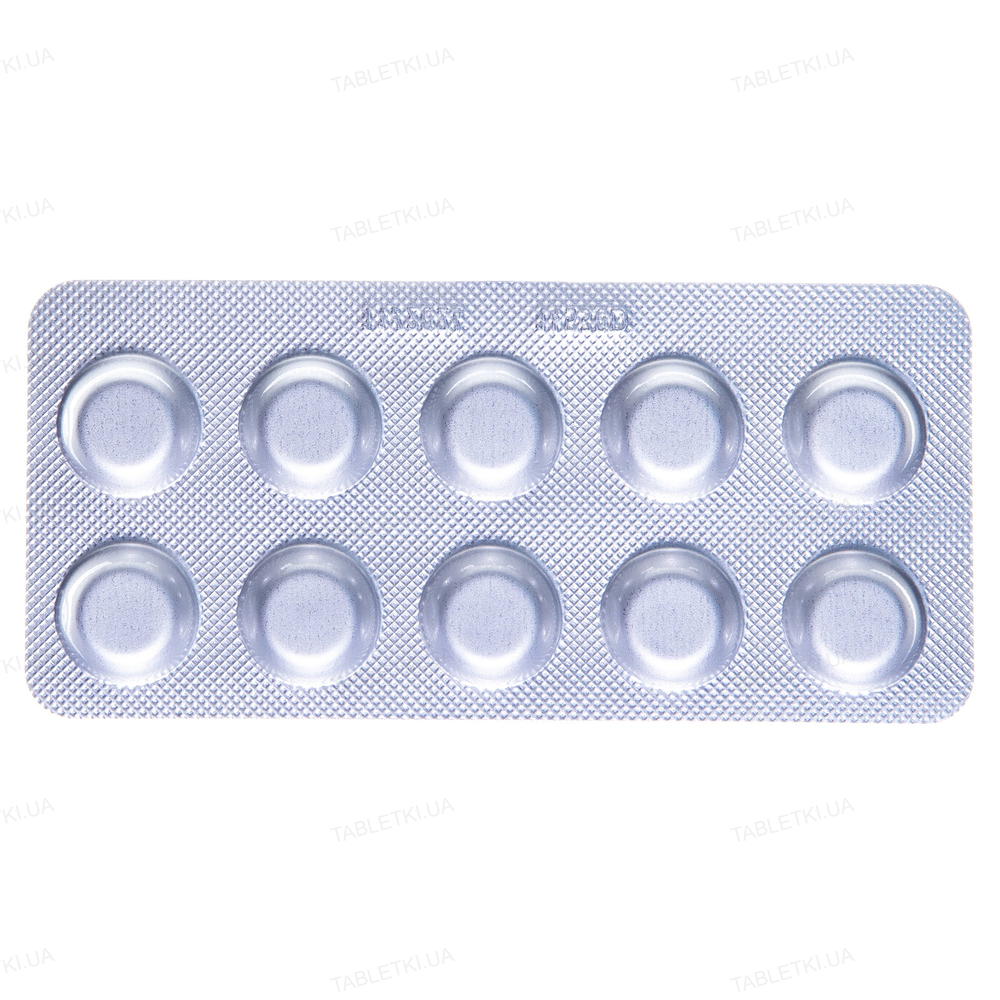
Blister pack containing 10 tablets; 3 blister packs per cardboard box.
Dispensing Category
By prescription only.
Manufacturer
Berlin-Chemie AG.
Address
Glinicker Weg 125, 12489 Berlin, Germany.
Applicant
Berlin-Chemi AG
Location of the applicant and its business address.
Glinicker Weg 125, 12489 Berlin, Germany.







