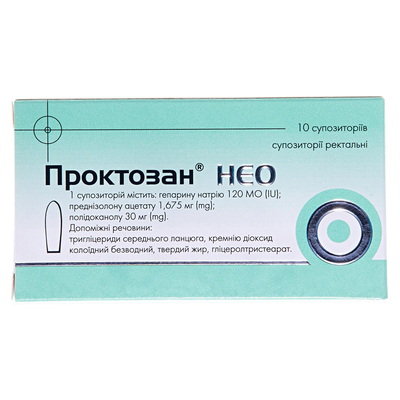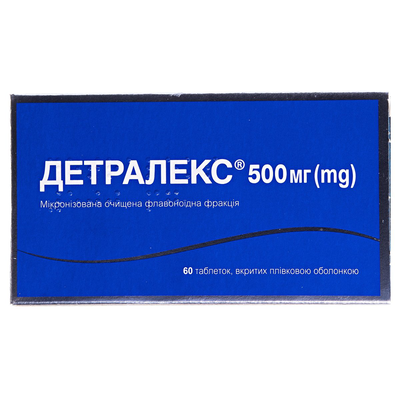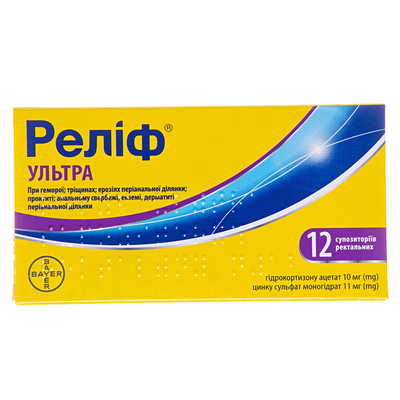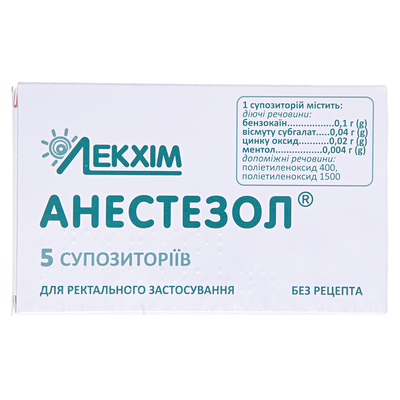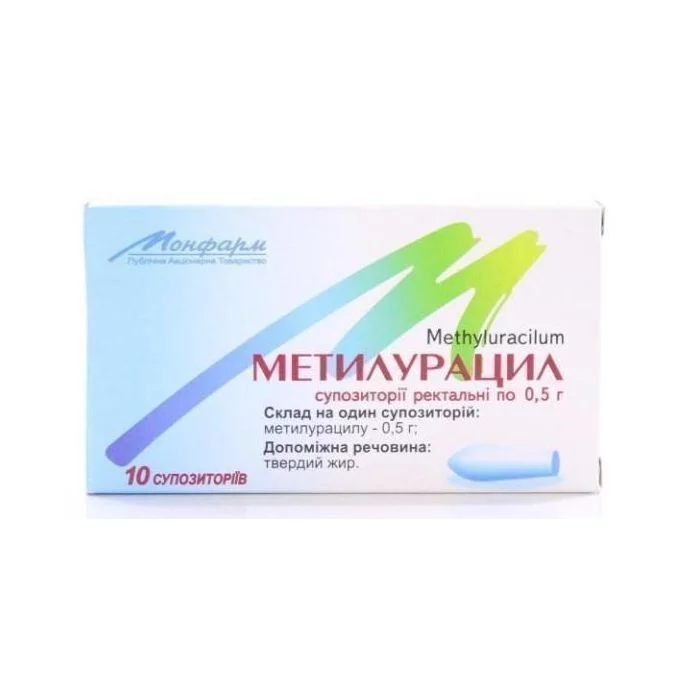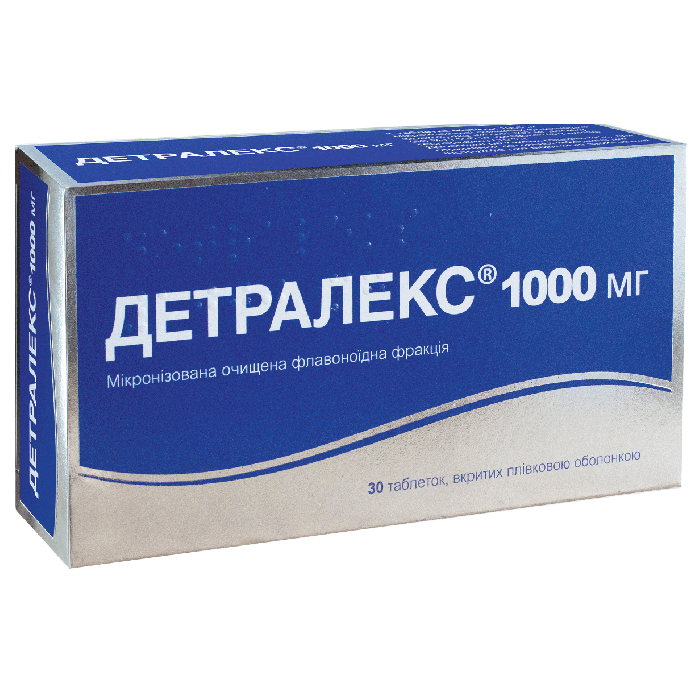
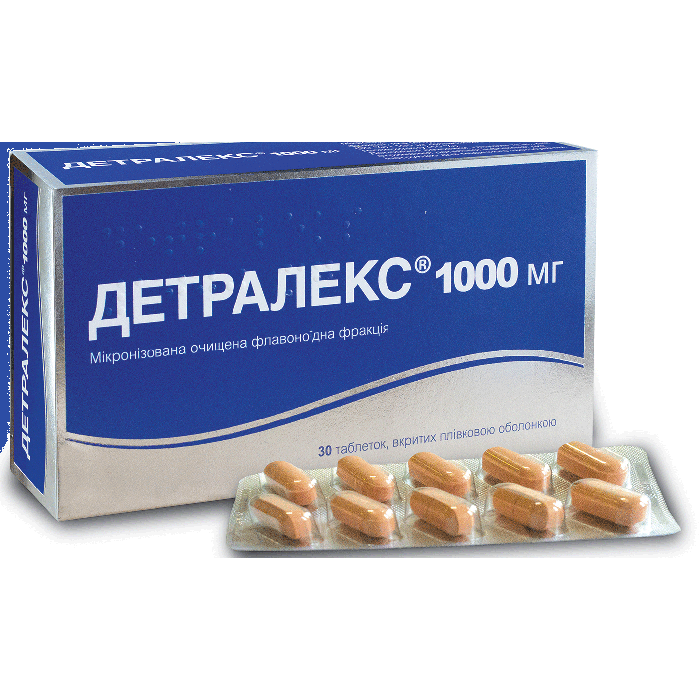
Detralex 1000 mg tablets, No. 30
Detralex 1000 (detralex 1000) Instructions for Use
Composition
Active ingredient: micronized purified flavonoid fraction (diosmin + flavonoids in the form of hesperidin);
- 1 tablet contains 1000 mg of micronized purified flavonoid fraction, which contains 900 mg of diosmin (90%) and 100 mg of flavonoids in the form of hesperidin (10%);
excipients: microcrystalline cellulose, gelatin, magnesium stearate, sodium starch glycolate (type A), talc, purified water;
film coating: glycerin, hypromellose, polyethylene glycol 6000, magnesium stearate, red iron oxide (E 172), sodium lauryl sulfate, titanium dioxide (E 171), yellow iron oxide (E 172).
Dosage Form
Film-coated tablets.
Main physical and chemical properties:
The tablet is oblong in shape, coated with an orange-pink film, and scored on both sides.
Pharmacotherapeutic group
Angioprotectants. Capillary stabilizers. Bioflavonoids. Diosmin, combinations. ATX code C05C A53.
Pharmacological properties
Pharmacodynamics.
Pharmacology
Detralex 1000 mg has venotonic and angioprotective effects, reduces venous distension and venous stasis, improves microcirculation, reduces capillary permeability and increases their resistance, and enhances lymphatic drainage.
Preclinical Pharmacology
An experimental animal study using an ischemia/reperfusion model showed that the use of a micronized, purified flavonoid fraction is more effective in reducing vascular wall permeability and plasma leakage compared to plain diosmin. This result is due to the protective effect on microcirculation exerted by flavonoids such as hesperidin, diosmetin, linarin, and isoroifolin, which are present in the fraction in the form of hesperidin. The reduction in vascular wall permeability and plasma leakage observed with the micronized purified flavonoid fraction is more significant than that observed with plain diosmin or with any individual component of the flavonoid fraction alone.
Clinical Pharmacology
The above-mentioned pharmacological properties were confirmed in double-blind, placebo-controlled studies using methods designed to assess the drug’s effect on venous hemodynamics.
Dose-Response Relationship
A statistically significant dose-dependent effect of the drug was established based on the following venous plethysmographic parameters: venous volume, venous compliance, and venous drainage time. The optimal dose-response relationship was achieved at a dose of 1,000 mg per day.
Venotonic activity
Detralex 1000 mg increases venous tone: a reduction in venous outflow time was demonstrated using venous occlusion plethysmography.
Microcirculatory activity
In double-blind, placebo-controlled studies, a statistically significant difference was demonstrated between treatment with the drug and placebo. In patients with symptoms of capillary fragility, treatment increased capillary resistance, as determined by angiostereometry.
The drug also reduces leukocyte-endothelial interactions and leukocyte adhesion in postcapillary venules. This reduces the damaging effects of inflammatory mediators on vein walls and venous valve leaflets.
In clinical practice
In double-blind, placebo-controlled studies, the drug’s therapeutic efficacy was demonstrated in phlebology for the treatment of functional and organic chronic venous insufficiency of the lower extremities, as well as in proctology for the treatment of hemorrhoids.
Pharmacokinetics.
The active ingredient is excreted primarily in the feces. On average, 14% of the dose is excreted in the urine.
The half-life is 11 hours.
The drug is actively metabolized, as evidenced by the presence of various phenolic acids in the urine.
Clinical Characteristics.
Indications
- Symptomatic treatment of venolymphatic insufficiency (heaviness in the legs, pain, nighttime cramps, edema, trophic disorders, including varicose ulcers).
- Symptomatic treatment of hemorrhoids.
Contraindications for Detralex
- Hypersensitivity to the active ingredient or any excipient.
Interactions with other medications and other forms of interaction.
No interaction studies have been conducted. To date, no clinically significant drug interactions have been reported during postmarketing use of the drug.
Special Considerations for Use
The use of this medication for acute hemorrhoids does not replace specific therapy and does not interfere with the treatment of other proctological conditions. If symptoms do not resolve quickly during a short course of treatment, a proctological examination should be performed and the therapy reconsidered.
In cases of venous circulation disorders, combination therapy is more effective when the following lifestyle recommendations are followed:
- avoid prolonged exposure to the sun, prolonged standing, and being overweight;
- walk and, in some cases, wear special stockings to improve blood circulation.
Excipients.
Sodium content.
Detralex 1000 mg contains less than 1 mmol of sodium (23 mg) per tablet, i.e., it is essentially sodium-free.
Pregnancy and lactation.
Pregnancy
There are no or limited data on the use of the micronized purified flavonoid fraction in pregnant women.
Animal studies have not demonstrated any teratogenic effects.
As a precaution, it is advisable to avoid using this medication during pregnancy.
Breastfeeding
It is unknown whether the active ingredient or its metabolites are excreted into breast milk.
A risk to newborns/infants cannot be ruled out.
The decision to discontinue breastfeeding or to discontinue or refrain from therapy with this drug should be made by weighing the benefits of breastfeeding for the infant against the benefits of treatment for the mother.
Fertility
Reproductive toxicity studies in animals have not shown any effect on fertility.
Affects the ability to drive and operate machinery.
No studies have been conducted on the effect of the flavonoid fraction on the ability to drive or operate machinery. However, based on the overall safety profile of the flavonoid fraction, Detralex 1000 mg has no or only a minor effect on this ability. If side effects of the drug occur (see the “Side Effects” section), caution should be exercised.
Dosage and Administration of Detralex
For oral use.
The score line on the tablet is intended to split the tablet solely to facilitate swallowing, not to divide it into equal doses.
It is prescribed for adults.
The duration of therapy is determined by the doctor based on the indications for use and the course of the disease.
Venolymphatic insufficiency
The recommended dose is 1 tablet daily in the morning with food.
Hemorrhoidal diseases
Treatment of acute hemorrhoid episodes: 3 tablets daily for 4 days, followed by 2 tablets daily for the next 3 days. Take with food. Divide the daily dose into 2–3 doses. Maintenance therapy: 1 tablet per day.
Children.
There are no data on the use of Detralex 1000 mg in children.
Overdose
Symptoms
There are limited data on cases of overdose with this medication. The most common adverse reactions reported with overdose were gastrointestinal reactions (such as diarrhea, nausea, and abdominal pain) and skin reactions (such as itching and rash).
Treatment
Treatment of overdose should include management of clinical symptoms.
Side Effects of Detralex
During clinical trials, mild side effects were observed with the use of the micronized purified flavonoid fraction, primarily involving the gastrointestinal tract (diarrhea, dyspepsia, nausea, vomiting).
The following adverse reactions have been reported, classified by frequency as follows: very common (≥ 1/10); common (≥ 1/100, < 1/10); uncommon (≥ 1/1,000, < 1/100); rare (≥ 1/10,000, < 1/1,000); very rare (< 1/10,000); frequency unknown (cannot be estimated from the available data).
- Nervous system: rare: dizziness, headache, malaise.
- Gastrointestinal disorders: common: diarrhea, dyspepsia, nausea, vomiting; uncommon: colitis; Unknown*: abdominal pain.
- Skin and subcutaneous tissue disorders: rare: itching, rash, hives; unknown*: isolated swelling of the face, lips, eyelids, and, in exceptional cases, angioedema.
*Postmarketing observations.
Reporting of Suspected Adverse Reactions. Reporting suspected adverse reactions during the postmarketing period of a drug is of great importance. This allows for continuous monitoring of the drug’s benefit-risk ratio. Healthcare professionals are required to report any cases of suspected adverse reactions through the national reporting system.
Shelf life
4 years.
Storage conditions
No special storage conditions required. Keep out of reach of children.
Packaging
9 tablets in a blister pack made of aluminum foil and PVC film; 2 blister packs in a cardboard box.
10 tablets per blister pack made of aluminum foil and PVC film; 3 or 6 blister packs per cardboard box.
Conditions of Sale
Available without a prescription.