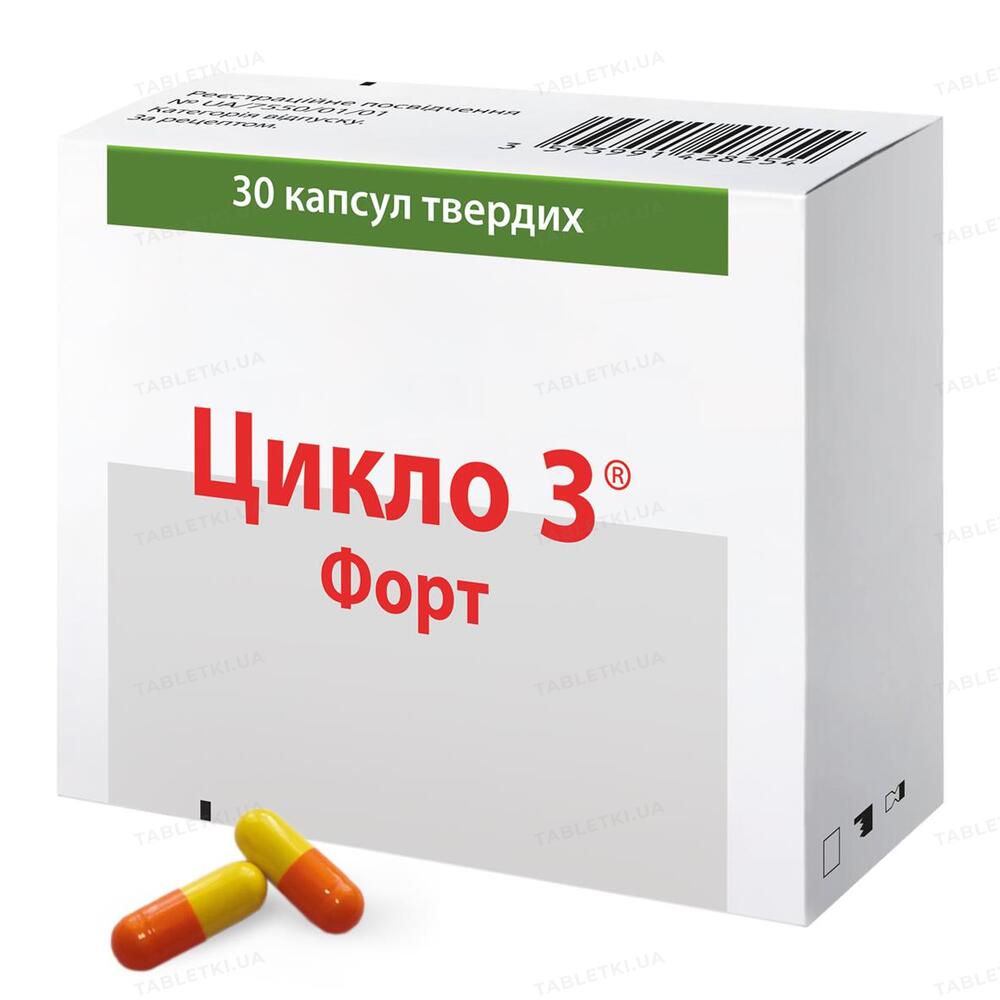
Cyclo 3 Fort Hard Capsules, No. 30 (10 x 3)
Ingredients
Active ingredients: Ruscus aculeatus, hesperidin methyl chalcone, ascorbic acid;
1 capsule contains dry extract of butcher’s broom (Ruscus aculeatus) with a titrated content of sterol glycosides (150 mg), hesperidin methyl chalcone (150 mg), and ascorbic acid (100 mg);
excipients (capsule contents): talc, polyethylene glycol 6000, hydrophobic colloidal silicon dioxide, magnesium stearate;
excipients (capsule shell): gelatin, sunset yellow (E 110), quinoline yellow (E 104), titanium dioxide (E 171).
Dosage Form
Hard capsules.
Main physical and chemical properties: Size No. 1 capsule with an opaque yellow body and an opaque orange cap, containing a more or less compacted yellowish powder.
Pharmacotherapeutic group
Angioprotectants. Capillary-stabilizing agents.
ATC code C05C X.
Pharmacological properties
Pharmacodynamics.
The drug has venotonic, lymphotonic, and angioprotective properties.
Venotonic effect
It has been demonstrated that:
- in in vitro studies on an isolated perfused vein, the hawthorn extract rapidly (within 5–8 minutes) caused a pronounced, gradual, and prolonged contraction of the vessel;
- in in vivo animal studies, the hawthorn extract induced an increase in venous perfusion pressure.
The intensity of these effects was comparable in healthy and pathologically altered veins.
Mechanism of the venotonic effect
The venotonic effect of the hawthorn extract is mediated by adrenergic mechanisms at two levels, namely:
- direct stimulation of postsynaptic alpha-1 and alpha-2 adrenergic receptors on the smooth muscle cells of the vascular wall;
- indirect action through the release of norepinephrine from the granules of presynaptic nerve endings.
The intensity of the hawthorn extract’s effect is proportional to temperature.
The venotonic effect of the drug on human blood vessels was confirmed using the Aelig method (stereomicroscopic assessment of the tone of the dorsal veins of the hand).
A dose-response relationship was also established following a single dose of the drug, and the respective role of each component of the drug on venous tone was demonstrated.
Effect on Lymphatic Circulation
Adrenergic activity was detected in the smooth muscle cells of lymphatic vessels:
- Iglytsia caused contraction of an isolated canine thoracic duct via adrenergic stimulation of the lymphatic collector through mechanisms analogous to those of its venotonic action;
- Iglitsa enhanced lymph flow in a small lymphatic vessel of a dog’s hind paw, indicating an increase in the contractile capacity of this lymphatic vessel. The duration and intensity of the enhanced lymph flow were dose-dependent.
A combination of iglica, hesperidin methylchalcone, and vitamin C caused contraction ofmuscle cells of human lymphatic vessels (HLMCs) due to a significant increase in cytosolic Ca2+ concentration, which was measured in native human HLMCs isolated from lymphatic vessel tissue, as confirmed by videomicroscopic analysis of fluorescence emitted by a specific, Ca2+-sensitive dye.
Angioprotective effect:
- A reduction in human capillary permeability was demonstrated using the Landis test.
- In healthy individuals, increased capillary resistance was confirmed using the Kramar method (induction of petechiae on the skin under reduced pressure): a significant increase in capillary resistance was observed as early as the first hour after administration of the drug. This effect is primarily associated with the action of vitamin C.
- Hawthorn and hesperidin methylchalcone inhibit the activation of endothelial cells caused by hypoxia: hawthorn extract is capable of preventing hypoxia-induced activation of endothelial cells by inhibiting the decrease in adenosine triphosphate (ATP) levels, as demonstrated in human umbilical vein endothelial cells.
- In vitro, the hawthorn extract binds to and activates various types of muscarinic receptors. In vivo, its anti-inflammatory effects are, at least in part, mediated through muscarinic receptors: following ischemia/reperfusion (I/R), the hawthorn extract reduces I/R-associated leukocyte-endothelial interactions in a dose-dependent manner by decreasing leukocyte rolling and adhesion, indicating an anti-inflammatory effect.
Pharmacokinetics.
Pharmacokinetic studies in animals have demonstrated that the heterosides of the butcher’s broom extract (labeled with tritium) and hesperidin methylchalcone (labeled with the carbon isotope 14C) are rapidly absorbed, and peak plasma concentrations are reached in approximately 2 hours. The components of the drug are excreted in the urine and feces (the latter is associated with the enterohepatic cycle).
It is not possible to conduct relevant pharmacokinetic studies of the drug in humans; however, pharmacodynamic tests allow for an indirect assessment of the kinetics of Cyclo 3® Fort.
Venous tone was measured using the Aelig method in healthy individuals after taking 1 capsule of Cyclo 3® Fort. The maximum venotonic effect was observed 2 hours after administration of the drug; a return to baseline occurred approximately 6 hours later.
Indications
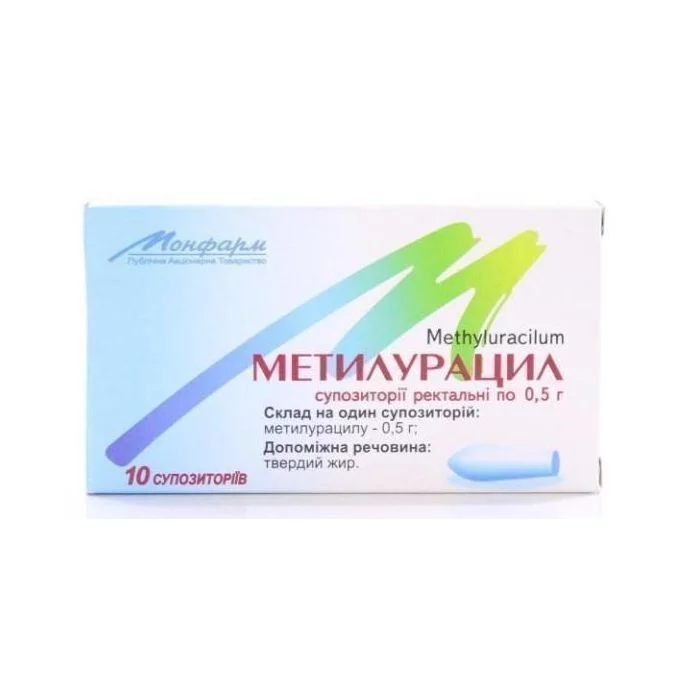
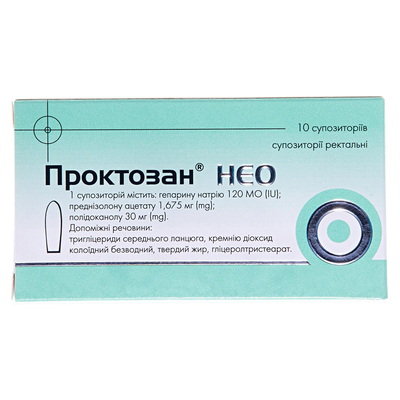
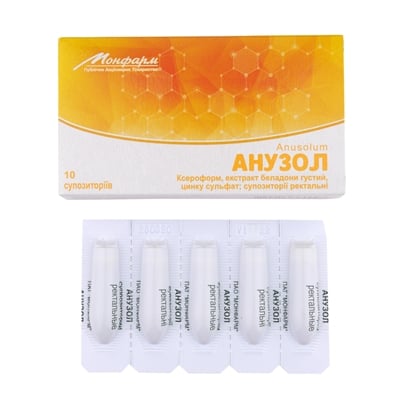
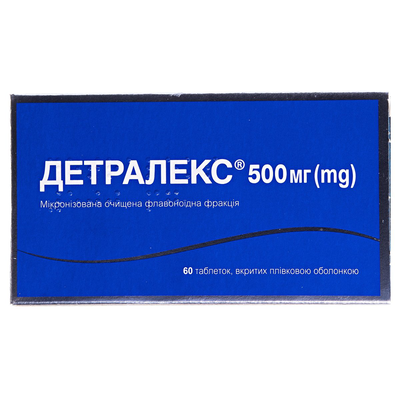
- Symptomatic treatment of venous-lymphatic insufficiency (with symptoms such as heaviness in the extremities, pain, and tired legs syndrome).
- Exacerbation of hemorrhoids (treatment of functional symptoms).
Contraindications
Hypersensitivity to any component of the drug; severe kidney disease.
Iron storage disorders (thalassemia, hemochromatosis, sideroblastic anemia) due to the presence of ascorbic acid in the medication.
Interactions with Other Medications and Other Types of Interactions
No specific studies have been conducted on the interaction of Cyclo 3® Fort with other medications or food products.
Deferoxamine
With intravenous administration of high doses of ascorbic acid, there is a risk of cardiac dysfunction or the development of acute heart failure (which usually resolves after discontinuation of vitamin C).
In patients with hemochromatosis, vitamin C should be taken only some time after the administration of deferoxamine. Cardiac function should be monitored during concomitant use.
Deferiprone
Based on extrapolation of data on interactions with deferoxamine: during deferiprone therapy, caution should be exercised when administering high doses of ascorbic acid intravenously, as there is a risk of cardiac dysfunction or the development of acute heart failure (which usually resolves after discontinuation of vitamin C).
Special Considerations for Use
- If diarrhea develops, the drug should be discontinued.
- Use for hemorrhoids: Treatment should be short-term. Treatment with this medication cannot replace specific therapy for proctological conditions. If symptoms do not resolve quickly, a thorough proctological examination of the patient should be conducted and the treatment plan revised.
Effect on Laboratory Test Results
As a reducing agent, ascorbic acid may affect the results of laboratory tests, such as those measuring blood glucose, bilirubin, transaminase activity, lactate, and other parameters.
This medication contains a dye (E110) and may cause allergic reactions.
Use During Pregnancy or Breastfeeding
Pregnancy
There are limited data on the use of this medication in pregnant women. Animal studies have not shown any direct or indirect harmful effects on reproductive function. Preclinical data obtained from conventional studies of pharmacological safety, repeated-dose toxicity, genotoxicity, and reproductive function did not reveal any particular risk to humans. No carcinogenicity studies have been conducted (however, in mice administered only hesperidin methylchalcone, no carcinogenic effect was observed after 96 weeks of oral administration (5% of the diet, i.e., 20 g/kg body weight)). As a precaution, it is advisable to avoid using this medication during pregnancy.
Breastfeeding
It is unknown whether metabolites of the drug are excreted into breast milk. A risk to newborns/infants cannot be ruled out. As a precaution, the drug should not be used during breastfeeding.
Fertility
No data are available on the effects on fertility.
Effect on reaction time when driving or operating machinery
No specific studies have been conducted.
Dosage and Administration
For venous-lymphatic insufficiency: 2–3 capsules daily. The course of treatment usually lasts 1 month. If no positive results are observed after 2 weeks of regular use, consult a doctor.
For proctological conditions: 4–5 capsules per day. The course of treatment usually lasts 1 week. If no positive results are observed after this period, consult a doctor.
Take the capsules orally with a glass of water.
Children
Due to a lack of data, do not use in children.
Overdose
There have been a small number of reports of overdose with this medication. Excessive doses of ascorbic acid may lead to hemolytic anemia in patients with glucose-6-phosphate dehydrogenase (G6PD) deficiency. Daily use of ascorbic acid at a dose exceeding 1 g per day may lead to the development of oxalate lithiasis.
In case of overdose, symptomatic treatment is prescribed.
Side Effects
Adverse reactions are classified as follows: very common (≥ 1/10), common (≥ 1/100 to < 1/10), uncommon (≥ 1/1,000 to < 1/100), rare (≥ 1/10,000 to < 1/1,000), very rare (< 1/10,000), and of unknown frequency (cannot be estimated from the available data).
Nervous system disorders:
- uncommon: insomnia;
- rare: nervousness.
Ear and labyrinth disorders:
- Rare: vertigo.
Vascular system:
- rarely: peripheral coldness, venous pain.
Gastrointestinal disorders:
- common: diarrhea, sometimes severe (associated with a risk of weight loss and disturbances in water and electrolyte balance with continued treatment), which resolves quickly after discontinuation of the drug (see the “Special Considerations for Use” section); abdominal pain;
- uncommon: dyspepsia, nausea;
- Rare: gastrointestinal disorders, aphthous stomatitis;
Hepatobiliary system:
- rarely: elevated alanine aminotransferase levels.
Skin and subcutaneous tissue disorders:
- Uncommon: erythema, pruritus.
Musculoskeletal and connective tissue disorders:
- uncommon: muscle spasms, pain in the extremities.
Adverse reactions of unknown frequency.
Gastrointestinal disorders:
- in some cases (or in some patients), reversible, predominantly lymphocytic, microscopic colitis has been identified;
- stomach pain.
Skin and subcutaneous tissue disorders:
- maculopapular erythema, urticaria.
Laboratory and diagnostic tests
Frequency unknown: effects on laboratory test results.
Reporting of Suspected Adverse Reactions
Reporting suspected adverse reactions after the drug’s approval is of great importance. This allows for monitoring the benefit-risk ratio when using this drug. Healthcare and pharmaceutical professionals, as well as patients or their legal representatives, should report all cases of suspected adverse reactions and lack of efficacy of the drug through the Automated Pharmacovigilance Information System at the following link: https://aisf.dec.gov.ua.
Shelf life
2 years.
Storage conditions
Store in the original packaging, out of the reach of children, at a temperature not exceeding 25 °C.
Packaging
10 capsules per blister pack. 3 blister packs per cardboard box.
Manufacturer
Pierre Fabre Medicament Production.
Pierre Fabre Medicament Production.
Address
Progipharm production site, Rue du Lycée, 45500 Gien, France /
Progipharm site, Rue du Lycée, 45500 Gien, France.