
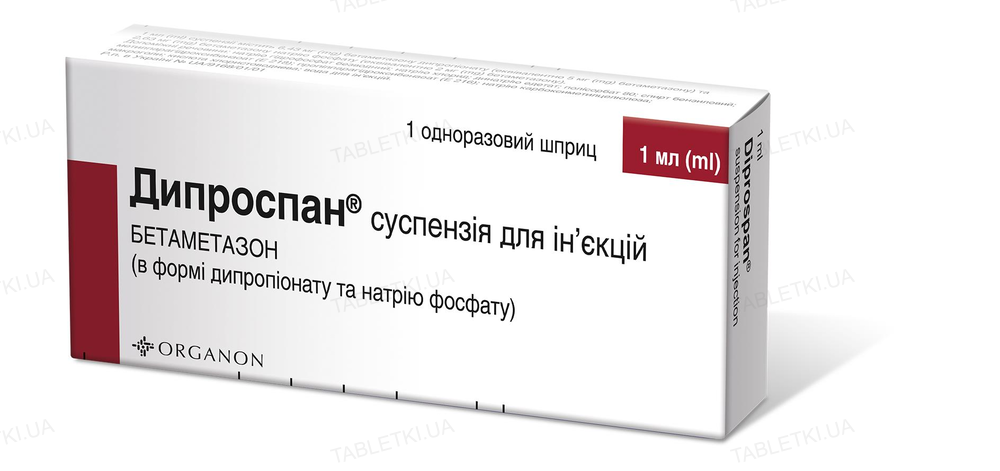
Diprospan suspension for injection, 1 mL, No. 1, in a pre-filled syringe with a needle
Ingredients
Active ingredient: betamethasone;
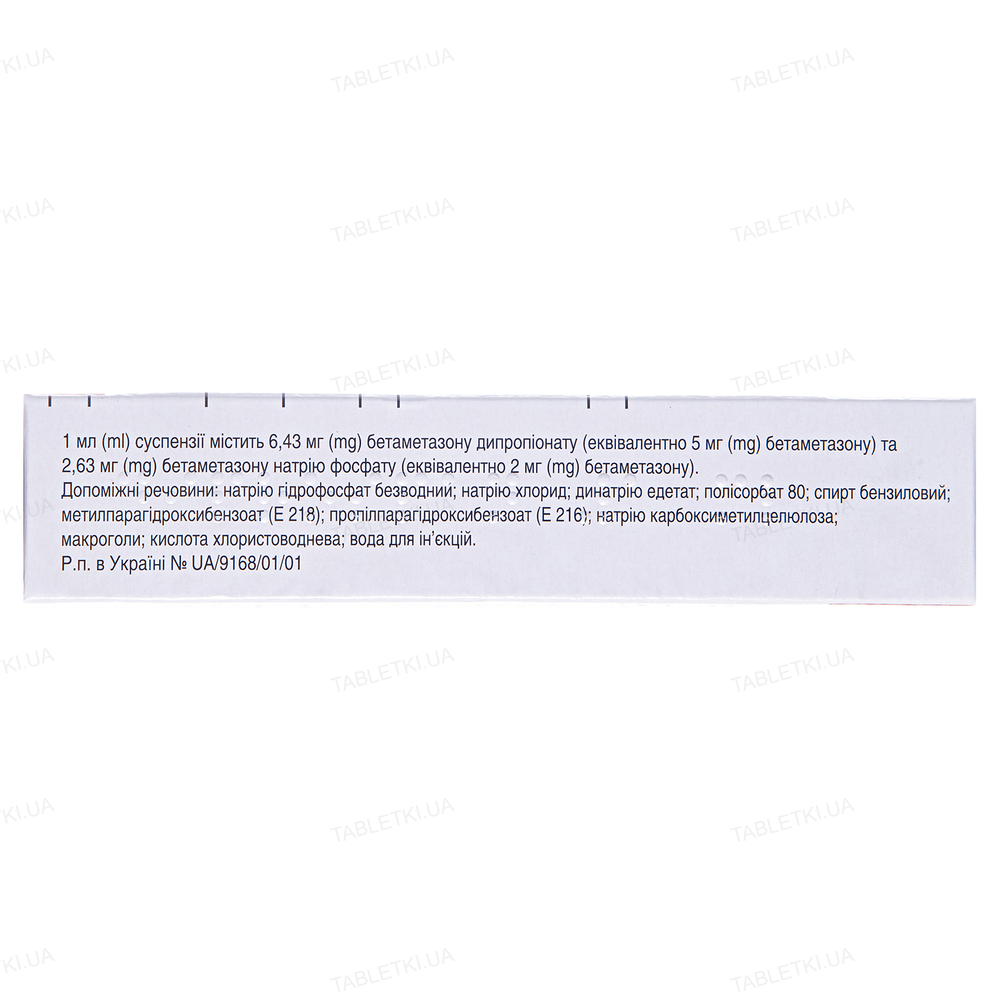
1 mL of suspension contains 6.43 mg of betamethasone dipropionate (equivalent to 5 mg of betamethasone) and 2.63 mg of betamethasone sodium phosphate (equivalent to 2 mg of betamethasone);
excipients:
for ampoules:
sodium hydrophosphate, dihydrate; sodium chloride; disodium edetate; polysorbate 80; benzyl alcohol; methyl parahydroxybenzoate (E 218); propyl parahydroxybenzoate (E 216); sodium carboxymethylcellulose; macrogols; hydrochloric acid; water for injection;
for pre-filled syringes:
anhydrous sodium hydrophosphate; sodium chloride; disodium edetate; polysorbate 80; benzyl alcohol; methyl parahydroxybenzoate (E 218); propyl parahydroxybenzoate (E 216); sodium carboxymethylcellulose; macrogols; hydrochloric acid; water for injection.
Dosage Form
Suspension for injection.
Main physical and chemical properties: a clear, colorless, slightly viscous liquid containing easily dispersible white or nearly white particles, free from foreign impurities.
Pharmacotherapeutic group
Corticosteroids for systemic use. Glucocorticoids. ATC code H02A B01.
Pharmacological Properties
Pharmacodynamics.
Betamethasone is a synthetic glucocorticoid (9-alpha-fluoro-16-beta-methylprednisolone). Betamethasone exerts potent anti-inflammatory, antiallergic, and immunosuppressive effects.
Betamethasone has no clinically significant mineralocorticoid effect. Glucocorticosteroids diffuse through cell membranes and form complexes with specific cytoplasmic receptors. These complexes then enter the cell nucleus, bind to DNA (chromatin), and stimulate the transcription of messenger RNA and the subsequent synthesis of various enzyme proteins. These proteins are ultimately responsible for the effects observed with the systematic use of glucocorticoids. In addition to their significant effects on inflammatory and immune processes, glucocorticoids also influence the metabolism of carbohydrates, proteins, and lipids. They also affect the cardiovascular system, skeletal muscles, and the central nervous system.
Effects on Inflammatory and Immune Processes
It is precisely the anti-inflammatory, immunosuppressive, and antiallergic properties of glucocorticoids that form the basis for their use in therapeutic practice. The main aspects of these properties include: a reduction in the number of immunocompetent cells at the site of inflammation, reducing vasodilation, stabilizing lysosomal membranes, inhibiting phagocytosis, and reducing the production of prostaglandins and related compounds.
The anti-inflammatory effect is approximately 25 times greater than that of hydrocortisone and 8–10 times greater than that of prednisolone (on a weight-for-weight basis).
Effects on Carbohydrate and Protein Metabolism
Glucocorticoids stimulate protein catabolism. In the liver, released amino acids are converted to glucose and glycogen through the process of gluconeogenesis. Glucose absorption into peripheral tissues is reduced, leading to hyperglycemia and glucosuria, particularly in patients predisposed to diabetes.
Effects on Lipid Metabolism
Glucocorticoids have a lipolytic effect. This lipolysis is more pronounced in the extremities. In addition, the lipolytic effect is particularly evident in the trunk, neck, and head. This complex of effects manifests as a redistribution of fat deposits.
The maximum pharmacological effect of corticosteroids occurs later than the serum peaks, indicating that the efficacy of these drugs lies primarily not in their direct pharmacological action but in the modification of enzyme activity.
Pharmacokinetics.
Betamethasone sodium phosphate and betamethasone dipropionate are absorbed at the site of administration and exert therapeutic and other pharmacological effects, both local and systemic.
Betamethasone sodium phosphate is highly soluble in water and is metabolized in the body to form betamethasone, a biologically active steroid. 2.63 mg of betamethasone sodium phosphate is equivalent to 2 mg of betamethasone.
The presence of betamethasone dipropionate ensures the drug’s prolonged activity. This component is a practically insoluble compound and forms a depot at the injection site, so it is absorbed more slowly and provides symptom relief for a longer period.
|
Blood Concentration |
Intramuscular injection | |
| of betamethasone | ||
| sodium phosphate | dipropionate | |
| Maximum plasma concentration
Plasma half-life after a single dose
Excretion
Biological half-life |
1 hour after administration
3 to 5 hours
24 hours
36–54 hours |
Slow absorption
Progressive metabolism
More than 10 days |
Betamethasone is metabolized in the liver. Betamethasone is predominantly bound to albumin. In patients with impaired liver function, the clearance of betamethasone is slower or delayed.
Indications
Corticosteroid therapy is adjunctive, not an alternative, to conventional treatment.
Dermatological conditions
Atopic dermatitis (numular eczema), neurodermatitis, contact dermatitis, severe solar dermatitis, urticaria, lichen planus, insulin-induced lipodystrophy, alopecia areata, discoid lupus erythematosus, psoriasis, keloid scars, pemphigus vulgaris, herpetic dermatitis, cystic acne.
Rheumatic Diseases
Rheumatoid arthritis, osteoarthritis, bursitis, tenosynovitis, tendinitis, peritendinitis, ankylosing spondylitis, epicondylitis, radiculitis, coccydynia, sciatica, lumbago, torticollis, ganglion cyst, exostosis, fasciitis, acute gouty arthritis, synovial cysts, Morton’s disease, inflammation of the cuboid bone, foot disorders, bursitis associated with a hard callus, bone spurs, stiffness of the big toe.
Allergic Conditions
Bronchial asthma, status asthmaticus, hay fever, severe allergic bronchitis, seasonal and non-seasonal allergic rhinitis, angioedema, contact dermatitis, atopic dermatitis, serum sickness, hypersensitivity reactions to medications or insect bites.
Collagen diseases
Systemic lupus erythematosus, scleroderma, dermatomyositis, nodular periarteritis.
Oncological diseases
Palliative treatment of leukemia and lymphomas in adults; acute leukemia in children.
Other conditions
Adrenogenital syndrome, ulcerative colitis, Crohn’s disease, sprue, pathological blood changes requiring corticosteroid therapy, nephritis, nephrotic syndrome.
Primary and secondary adrenal insufficiency (with mandatory concomitant administration of mineralocorticoids).
Contraindications
- Hypersensitivity to the active ingredients or to any of the excipients listed in the “Composition” section.
- Hypersensitivity to corticosteroids.
- Systemic fungal infections.
- Intramuscular administration to patients with idiopathic thrombocytopenic purpura.
Drug Interactions and Other Interactions
Interactions with other medications
Concomitant administration of phenobarbital, rifampicin, phenytoin, or ephedrine may increase the metabolism of corticosteroids, thereby reducing their therapeutic activity.
Patients receiving corticosteroid therapy should not undergo the following treatments:
- smallpox vaccination;
- other immunizations (especially when high doses are used) due to the risk of neurological complications and an inadequate antibody response.
However, patients receiving corticosteroids as replacement therapy may be immunized (for example, in Addison’s disease).
Combination with diuretics, such as thiazides, may increase the risk of glucose intolerance.
Patients receiving both corticosteroids and estrogens should be monitored for possible excessive effects of the corticosteroids.
Concomitant use of corticosteroids and cardiac glycosides may increase the risk of arrhythmias or signs of digitalis intoxication associated with hypokalemia. Patients taking cardiac glycosides often also take diuretics, which promote potassium excretion; in such cases, it is important to monitor potassium levels. Corticosteroids may enhance the potassium loss caused by amphotericin B. In all patients receiving one of these drug combinations, serum electrolyte levels—particularly serum potassium levels—should be closely monitored.
Concomitant use of corticosteroids and coumarin-type anticoagulants may result in an increase or decrease in anticoagulant activity, which may require dose adjustment. In patients taking anticoagulants in combination with glucocorticoids, the possibility of corticosteroid-induced gastrointestinal ulcers or an increased risk of internal bleeding should be considered.
When used concomitantly, corticosteroids may reduce the plasma concentration of salicylates. Acetylsalicylic acid should be used with caution in combination with corticosteroids in patients with hypoprothrombinemia. When the dosage of corticosteroids is reduced or treatment is discontinued, patients should be monitored for signs of possible salicylic acid toxicity. The combination of corticosteroids with salicylates may increase the frequency and severity of gastrointestinal ulcers.
When glucocorticosteroids are used in combination with nonsteroidal anti-inflammatory drugs or alcohol, there may be an increased risk of developing gastrointestinal ulcers or worsening of existing ulcers.
For patients with diabetes, it is sometimes necessary to adjust the dosage of oral antidiabetic medications or insulin, given that corticosteroids can cause hyperglycemia.
Concomitant administration of glucocorticosteroids and somatotropin may slow the absorption of the latter. Doses of betamethasone exceeding 300–450 μg (0.3–0.45 mg) per 1 m² of body surface area per day should be avoided during somatropin therapy.
Concomitant therapy with CYP3A inhibitors, including medications containing cobicistat, is expected to increase the risk of systemic side effects. Concomitant use should be avoided unless the benefit outweighs the increased risk of systemic corticosteroid side effects; if used, patients should be monitored for systemic corticosteroid side effects.
Other Types of Interactions
Effects on Laboratory Tests
Corticosteroids may interfere with the nitroblue tetrazolium reduction test and produce false-negative results.
Corticosteroid therapy should also be taken into account when interpreting biological parameters and test results in patients (skin tests, thyroid hormone levels, etc.).
Special Considerations for Use
Diprospan® suspension is not intended for intravenous or subcutaneous administration.
Serious neurological disorders, including fatal ones, have been reported following epidural injection of corticosteroids. Other reported disorders include spinal cord infarction, paraplegia, quadriplegia, cortical blindness, and stroke. These serious neurological disorders have been observed with and without the use of fluoroscopy. Since the safety and efficacy of epidural administration have not been established, corticosteroids are not recommended for epidural use.
Rare cases of anaphylactoid/anaphylactic reactions, potentially leading to shock, have been observed in patients receiving corticosteroids for parenteral administration. Appropriate precautions should be taken in patients with a history of allergic reactions to corticosteroids.
Cases of pheochromocytoma crisis, which can be fatal, have been reported following the use of systemic corticosteroids. Corticosteroids should be administered to patients with suspected or confirmed pheochromocytoma only after a risk-benefit assessment.
Strict adherence to aseptic techniques is mandatory when administering the drug.
Diprospan® contains two betamethasone esters, one of which—betamethasone sodium phosphate—is rapidly absorbed from the injection site. Therefore, it should be noted that this soluble component of Diprospan® may have systemic effects.
Abrupt discontinuation or dose reduction during long-term use (in the case of very high doses, after a short period of use) or an increased need for corticosteroids (due to stress: infection, trauma, surgery) may exacerbate adrenal insufficiency. In such cases, the dosage must be tapered off gradually. In cases of stress, it may sometimes be necessary to resume corticosteroid therapy or increase the dosage.
The dosage should be reduced under strict medical supervision; it is sometimes necessary to monitor the patient’s condition for up to one year after discontinuing long-term treatment or high-dose therapy.
Symptoms of adrenal insufficiency include malaise, muscle weakness, mental disturbances, drowsiness, muscle and bone pain, skin peeling, shortness of breath, anorexia, nausea, vomiting, fever, hypoglycemia, hypotension, dehydration, and even death following abrupt discontinuation of treatment. Treatment of adrenal insufficiency involves the administration of corticosteroids, mineralocorticoids, water, sodium chloride, and glucose.
Rapid intravenous administration of high-dose corticosteroids can lead to cardiovascular failure; therefore, the injection should be administered over a 10-minute period.
During long-term corticosteroid therapy, a transition from parenteral to oral administration should be planned after evaluating the potential benefits and risks.
When administering intra-articular injections, it is important to note that:
- such administration may have both local and systemic effects;
- to rule out the possibility of a septic process, it is very important to examine any fluid that may be present in the joint;
- a local injection should not be administered into a joint that has previously been infected;
- a noticeable increase in pain and local swelling, subsequent limitation of joint mobility, fever, and discomfort may indicate septic arthritis. If this infection is confirmed, appropriate antibiotic treatment should be initiated;
- Corticosteroids must not be injected into unstable joints, infected areas, or the intervertebral space;
- Repeated injections into joints affected by osteoarthritis may lead to further joint destruction;
- After successful intra-articular therapy, the patient should avoid overloading the joint;
- Corticosteroids must not be injected directly into tendons, as this may lead to tendon rupture in the future.
Intramuscular corticosteroid injections must be administered deep into the muscle to prevent local tissue atrophy.
Injection of a corticosteroid into soft tissue, the site of the lesion, or a joint may cause systemic and local effects.
Special Patient Populations at Risk
In patients with diabetes, betamethasone may be used only for a short period and only under strict medical supervision, given its glucocorticoid properties (conversion of proteins to glucose).
An increased glucocorticoid effect has been observed in patients with hypothyroidism or liver cirrhosis.
The use of Diprospan® should be avoided in patients with herpetic eye lesions (due to the risk of corneal perforation).
Psychiatric disturbances may occur during corticosteroid therapy. Treatment with corticosteroids may increase susceptibility to emotional instability or psychosis.
Precautions are necessary in the following cases: nonspecific ulcerative colitis, risk of perforation, abscess, or other pyogenic infections; diverticulitis; intestinal anastomoses; gastric and duodenal ulcers; renal insufficiency; hypertension; osteoporosis; severe myasthenia gravis; glaucoma; acute psychoses; viral and bacterial infections; growth retardation; tuberculosis; Cushing’s syndrome; diabetes; heart failure; in cases of refractory epilepsy; predisposition to thromboembolism or thrombophlebitis; during pregnancy.
Since complications associated with corticosteroid therapy depend on the dose and duration of treatment, the risk-benefit ratio must be considered for each patient when selecting the dose and duration of treatment.
The use of corticosteroids may mask certain signs of infection or make it more difficult to detect an infection. New infections may develop during such treatment due to a decrease in resistance.
Long-term treatment may lead to the development of posterior subcapsular cataracts (especially in children) or glaucoma, which can cause damage to the optic nerves and exacerbate secondary ocular infections caused by fungi or viruses. In cases of long-term treatment (more than 6 weeks), regular ophthalmological examinations are necessary.
Moderate to high doses of corticosteroids may cause an increase in blood pressure, fluid and sodium retention in tissues, and increased potassium excretion. These effects are less likely with synthetic derivatives, provided they are not used in high doses. A low-salt diet and potassium supplements may be considered. All corticosteroids accelerate the excretion of calcium from the body.
Patients receiving corticosteroid therapy should not receive the following treatments:
- smallpox vaccination;
- other immunizations (especially when high doses are used) due to the risk of neurological complications and an inadequate antibody response.
However, patients receiving corticosteroids as replacement therapy may be immunized (for example, in Addison’s disease).
Patients, particularly children, receiving immunosuppressive doses of corticosteroids should avoid contact with individuals with chickenpox or measles.
Prescribing this medication for active tuberculosis is permissible only in cases of transient or disseminated tuberculosis, in combination with adequate antituberculosis therapy. If corticosteroids are prescribed to patients with latent tuberculosis or those who test positive for tuberculin, strict monitoring is necessary, as the disease may reactivate. During long-term corticosteroid therapy, patients should also receive chemoprophylaxis. If rifampin is used in a chemoprophylaxis regimen, monitor for corticosteroid-induced increases in hepatic metabolic clearance; corticosteroid dosage adjustments may be necessary.
Since corticosteroids may delay growth in children, including infants, and may also suppress endogenous corticosteroid production, it is important to carefully monitor the growth and development of children during long-term treatment.
The use of glucocorticosteroids may alter sperm motility and count in some patients.
Diprospan® contains benzyl alcohol.
Benzyl alcohol may cause allergic reactions. Benzyl alcohol is associated with a risk of serious adverse reactions, including breathing difficulties (“gasping syndrome”) in children. The minimum amount of benzyl alcohol that can cause a toxic effect is unknown. This medication should not be used in premature infants or full-term newborns (up to 4 weeks of age). Do not use for more than one week in young children (under 3 years of age). Large amounts of benzyl alcohol may cause metabolic acidosis. Special safety precautions should be observed when prescribing Diprospan® to newborns, pregnant women, or breastfeeding women, as well as to patients with liver or kidney disease.
Diprospan® contains sodium.
This medication contains less than 1 mmol (23 mg) of sodium per dose, meaning it is essentially sodium-free.
Diprospan® contains methyl parahydroxybenzoate (E 218) and propyl parahydroxybenzoate (E 216), which may cause allergic reactions (possibly delayed), and, in rare cases, difficulty breathing.
Visual disturbances
Visual disturbances may occur with the use of systemic and topical corticosteroids (including intranasal, inhaled, and intraocular administration). If symptoms such as blurred vision or other visual disturbances occur, the patient should be examined by an ophthalmologist to assess possible causes of the visual disturbances, which may include cataracts, glaucoma, or rare conditions such as central serous chorioretinopathy, which have been reported following the use of systemic and topical corticosteroids.
Use During Pregnancy or Breastfeeding
Due to the lack of controlled studies on the safety of this medication in humans, glucocorticoids should be prescribed to pregnant women, breastfeeding women, and women of childbearing age only after a careful assessment of the benefit to the woman versus the potential risk to the embryo/fetus.
Pregnancy
When prescribing corticosteroids during the prenatal period, the benefits and drawbacks of such treatment and the clinical effect must be weighed against the side effects (including growth retardation and an increased risk of infections).
In some cases, it is necessary to continue corticosteroid therapy during pregnancy or even increase the dosage (for example, in the case of corticosteroid replacement therapy).
Intramuscular administration of betamethasone leads to a significant reduction in the incidence of fetal dyspnea if the drug is administered more than 24 hours before delivery (up to the 32nd week of pregnancy).
Published data indicate that the issue of prophylactic use of corticosteroids after the 32nd week of pregnancy remains controversial. Therefore, when prescribing corticosteroids after the 32nd week of pregnancy, the physician must weigh all the benefits of such treatment against the potential risks to the woman and the fetus.
Corticosteroids are not prescribed for the treatment of hyaline membrane disease in newborns.
In the case of prophylactic treatment for hyaline membrane disease in preterm infants, corticosteroids should not be administered to pregnant women with preeclampsia and eclampsia or to those with placental abnormalities.
Infants whose mothers received significant doses of corticosteroids during pregnancy should be monitored by a physician (to detect signs of adrenal insufficiency).
When betamethasone was administered to pregnant women before delivery, transient suppression of embryonic growth hormone activity was observed in infants, and, possibly, pituitary hormones that regulate steroid production, in both the definitive and fetal zones of the fetal adrenal glands. However, the suppression of hydrocortisone production in the fetus did not affect the pituitary-adrenal stress response after delivery.
Since corticosteroids cross the placenta, newborns and infants whose mothers received corticosteroids during most of their pregnancy or during a specific part of their pregnancy should be carefully examined for the rare possibility of congenital cataracts.
Women who received corticosteroids during pregnancy should be monitored during and after labor, as well as during delivery, to promptly detect adrenal insufficiency caused by the stress of childbirth.
Studies have shown an increased risk of neonatal hypoglycemia following a short course of antenatal betamethasone in women at risk for late preterm delivery.
Breastfeeding
Corticosteroids cross the placental barrier and are excreted in breast milk.
Since Diprospan® may cause undesirable side effects in breastfed infants, a decision should be made regarding whether to discontinue breastfeeding or discontinue therapy, taking into account the importance of the therapy for the mother.
Effect on reaction time when driving or operating machinery
Caution should be exercised due to central nervous system effects associated with high doses (euphoria, insomnia) and visual disturbances that may occur with long-term treatment (see the “Adverse Reactions” section for detailed information).
Directions for Use and Dosage
Shake well before use.
The dosing regimen is determined individually, depending on the indications, the severity of the disease, and the patient’s clinical response to treatment.
Dosage
The dose should be as low as possible, and the duration of treatment should be as short as possible.
The initial dose should be selected to achieve a satisfactory clinical effect. If a satisfactory clinical effect is not observed within a certain period of time, treatment with the drug should be discontinued by gradually reducing the dose, and other appropriate therapy should be initiated.
In the event of a favorable response, the appropriate dose should be determined and maintained by gradually reducing the initial dose at acceptable intervals until the lowest dose producing an adequate clinical response is reached.
Directions for Use
Diprospan® suspension is not intended for intravenous or subcutaneous administration.
Systemic Use
For systemic use, treatment is usually initiated with an injection of 1–2 mL of the drug and repeated as needed. The dosage and frequency of administration depend on the severity of the patient’s condition and response to treatment. The drug is administered deep intramuscularly into the buttock:
- in severe conditions (systemic lupus erythematosus and status asthmaticus) requiring emergency measures, the initial dose may be 2 mL;
- for various dermatological conditions, 1 mL of the drug administered intramuscularly is usually sufficient; the administration may be repeated depending on the response to treatment;
- For respiratory system disorders, symptom relief is achieved within a few hours after an intramuscular injection of Diprospan®. For bronchial asthma, hay fever, allergic bronchitis, and allergic rhinitis, significant improvement is achieved after administration of 1–2 mL of the drug;
- for acute and chronic bursitis, the dose for intramuscular injection is 1–2 mL of the drug. If necessary, several repeat injections may be administered.
Topical Use
Concurrent use of a local anesthetic is necessary only in rare cases (the injection is virtually painless). If concurrent administration of an anesthetic is desired, Diprospan® can be mixed (in a syringe, not in the vial) with a 1% or 2% solution of lidocaine hydrochloride or procaine hydrochloride, or similar local anesthetics, using formulations that do not contain parabens. Anesthetics containing methylparaben, propylparaben, phenol, or other similar substances must not be used. When using a local anesthetic in combination with Diprospan®, first draw the required dose of the drug from the vial into a syringe, then draw the required amount of local anesthetic into the same syringe and shake the syringe briefly.
In cases of acute bursitis (subdeltoid, subscapular, olecranon, and prepatellar), the injection of 1–2 mL of Diprospan® into the synovial bursa relieves pain and fully restores mobility within a few hours.
Treatment of chronic bursitis is carried out with lower doses of the drug after the acute symptoms of the disease have been relieved.
In cases of acute tenosynovitis, tendinitis, and peritendinitis, a single injection of Diprospan® can relieve the patient’s condition; in chronic cases, repeat administration may be necessary, depending on the patient’s condition.
In rheumatoid arthritis and osteoarthritis, intra-articular administration of the drug at a dose of 0.5–2 mL can reduce pain, tenderness, and joint stiffness within 2–4 hours after administration. The duration of the drug’s therapeutic effect varies significantly and may last 4 weeks or longer. Intra-articular administration of Diprospan® is well tolerated by the joint and surrounding tissues.
Recommended doses for injection into large joints (e.g., knee, hip) are 1–2 mL; into medium-sized joints (e.g., elbow) – 0.5–1 mL; into small joints (e.g., wrist) – 0.25–0.5 mL.
For dermatological conditions, intradermal administration of the drug directly into the lesion is effective. The response observed in some lesions that are not being treated directly may be due to a slight systemic effect of the drug. Administer 0.2 mL/cm² of Diprospan® into the skin (not under the skin) using a tuberculin syringe and a 26 G needle. The total volume of the drug injected at the injection site should not exceed 1 mL.
Foot conditions responsive to corticosteroids. Bursitis under a callus can be treated with two consecutive injections of 0.25 mL each. For conditions such as stiffness of the big toe (flexor contracture of the big toe), varus deformity of the little toe (inward deviation of the fifth toe), and acute gouty arthritis, relief may occur very quickly. A tuberculin syringe with a 25 G needle 1.9 cm long is suitable for most injections into the foot.
Recommended doses of Diprospan® (with approximately 1-week intervals between injections): for bursitis under a callus—0.25–0.5 mL; for heel spurs—0.5 mL; for stiffness of the big toe—0.5 mL; for a varus deformity of the little toe—0.5 mL; for a synovial cyst—0.25–0.5 mL; for Morton’s metatarsalgia—0.25–0.5 mL; for tendosynovitis—0.5 mL; for inflammation of the cuboid bone—0.5 mL; for acute gouty arthritis—0.5–1 mL.
Children
There is insufficient clinical data on the use of this medication in children; therefore, its use in this age group is not recommended (possible growth retardation and development of secondary adrenal insufficiency).
Overdose
Symptoms. Acute overdose of glucocorticoids, including betamethasone, does not result in life-threatening situations. Administration of high doses of glucocorticosteroids over several days does not lead to adverse effects (except in cases of very high doses or when used in patients with diabetes mellitus, glaucoma, exacerbation of erosive-ulcerative lesions of the gastrointestinal tract, or in patients concurrently receiving therapy with cardiac glycosides, coumarin-type anticoagulants, or potassium-wasting diuretics).
Treatment. Appropriate treatment should be administered for complications arising from the metabolic effects of corticosteroids or the adverse consequences of the underlying or concomitant diseases, as well as for complications resulting from interactions with other medications. It is necessary to maintain optimal fluid intake and monitor electrolyte levels in plasma and urine (particularly the sodium-potassium balance in the body). If an imbalance of these ions is detected, appropriate therapy must be administered.
Side Effects
Adverse events observed during treatment with Diprospan®, as with other corticosteroids, are dose- and duration-dependent.
Among the side effects of corticosteroids in general, the following effects deserve special mention.
Disturbances in water and electrolyte balance: sodium retention, increased potassium excretion, hypokalemic alkalosis, tissue fluid retention, congestive heart failure in susceptible patients, hypertension, increased calcium excretion.
Musculoskeletal system: muscle weakness, loss of muscle mass, worsening of myasthenic symptoms in severe pseudoparalytic myasthenia gravis, osteoporosis, sometimes accompanied by severe bone pain and spontaneous fractures (compression fractures of the spine), aseptic necrosis of the femoral or humeral heads, tendon ruptures, steroid myopathy, pathological fractures, joint instability.
Skin: skin atrophy, impaired wound healing, thinning and weakening of the skin, petechiae, bruises, skin reactions such as allergic dermatitis, angioedema, facial erythema, increased sweating, and hives.
Gastrointestinal system: gastric ulcers with possible perforation and bleeding, pancreatitis, abdominal distension, intestinal perforation, esophageal ulcers, nausea, vomiting, hiccups.
Neurological disorders: convulsions, dizziness, headache, migraine, increased intracranial pressure (pseudotumor cerebri).
Psychiatric disorders: euphoria, mood swings, personality changes, and severe depression; increased irritability; insomnia; psychotic reactions, particularly in patients with a history of psychiatric disorders; depression.
Ophthalmological disorders: increased intraocular pressure (pseudotumor eye: see Neurological disorders), glaucoma, posterior subcapsular cataract, exophthalmos, blurred vision (see also the “Special Considerations for Use” section).
Endocrine disorders: clinical symptoms of Cushing’s syndrome, menstrual cycle disturbances, increased need for insulin injections or oral antidiabetic agents in patients with diabetes, fetal growth restriction or delayed childhood growth, impaired glucose tolerance, manifestations of latent diabetes mellitus, secondary suppression of the pituitary gland and adrenal cortex is particularly harmful in cases of stress (trauma, surgery, or illness).
Metabolic disorders: negative nitrogen balance due to protein catabolism, lipomatosis, and weight gain.
Immune system effects: corticosteroids may suppress skin test responses, mask symptoms of infection, and activate latent infections, as well as reduce resistance to infections, particularly against mycobacteria, tuberculosis, Candida albicans, and viruses.
Other disorders: anaphylactic or allergic reactions, hypotensive reactions, or shock-related reactions.
The following adverse reactions may occur with parenteral administration of corticosteroids.
Isolated cases of blindness associated with administration into the lesion site in the head region, particularly the face; hyper- or hypopigmentation; subcutaneous and cutaneous atrophy; aseptic abscesses, post-injection exacerbation (intra-articular administration), and Charcot arthropathy.
Joint damage may occur following repeated intra-articular administration. There is a risk of infection.
Reporting Suspected Adverse Reactions
It is important to report suspected adverse reactions after the drug has been approved. This allows for continued monitoring of the benefit-risk profile of the drug. Qualified healthcare professionals are asked to report all suspected adverse reactions.
Shelf life
2 years.
Storage Conditions
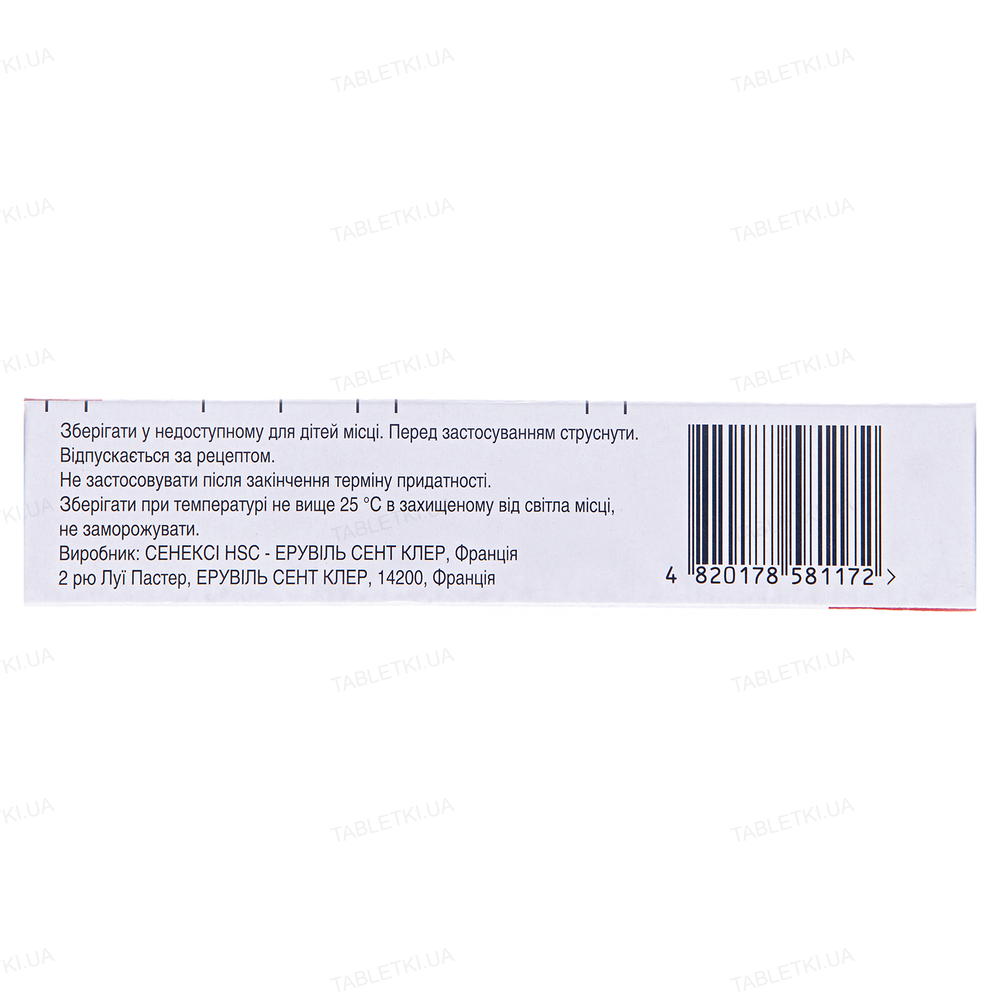
Keep out of reach of children. Store at a temperature not exceeding 25 °C in a place protected from light; do not freeze. Shake well before use.
Incompatibility
There is rarely a need for simultaneous administration of a local anesthetic. If Diprospan® is administered simultaneously with a local anesthetic, Diprospan® may be mixed (in a syringe, not in the vial) with a 1% or 2% solution of lidocaine hydrochloride or procaine hydrochloride, using products that do not contain parabens. Similar local anesthetics may also be used. However, anesthetics containing methylparaben, propylparaben, phenol, etc., should be avoided.
Packaging
For ampoules: 1 mL in glass ampoules, 5 ampoules per cardboard box.
For pre-filled syringes: 1 mL of suspension in a single-use, colorless glass syringe with a graduated scale and a capacity of 2 mL. The syringe is sealed on one end with a removable rubber cap and on the other end with a plastic plunger fitted with a screw-on stopper. One syringe per package, accompanied by 1 or 2 sterile needles, in individual sterile packaging inside a transparent plastic container sealed with a paper membrane. One container per cardboard box.
Manufacturer
For ampoules:
Organon Heist bv, Belgium.
Organon Heist bv, Belgium.
For pre-filled syringes:
CENEXI HSC, France.
CENEXI HSC, France.
Organon Heist bv, Belgium.
Organon Heist bv, Belgium.
Location of the manufacturer and address of its place of business.
For ampoules:
Industriepark 30, 2220, Heist-op-den-Berg, Belgium.
Industriepark 30, 2220, Heist-op-den-Berg, Belgium.
For pre-filled syringes:
2 rue Louis Pasteur, Herouville Saint-Clair, 14200, France.
2 rue Louis Pasteur, Herouville-Saint-Clair, 14200, France.
Industriepark 30, 2220, Heist-op-den-Berg, Belgium.
Industriepark 30, 2220, Heist-op-den-Berg, Belgium.







