
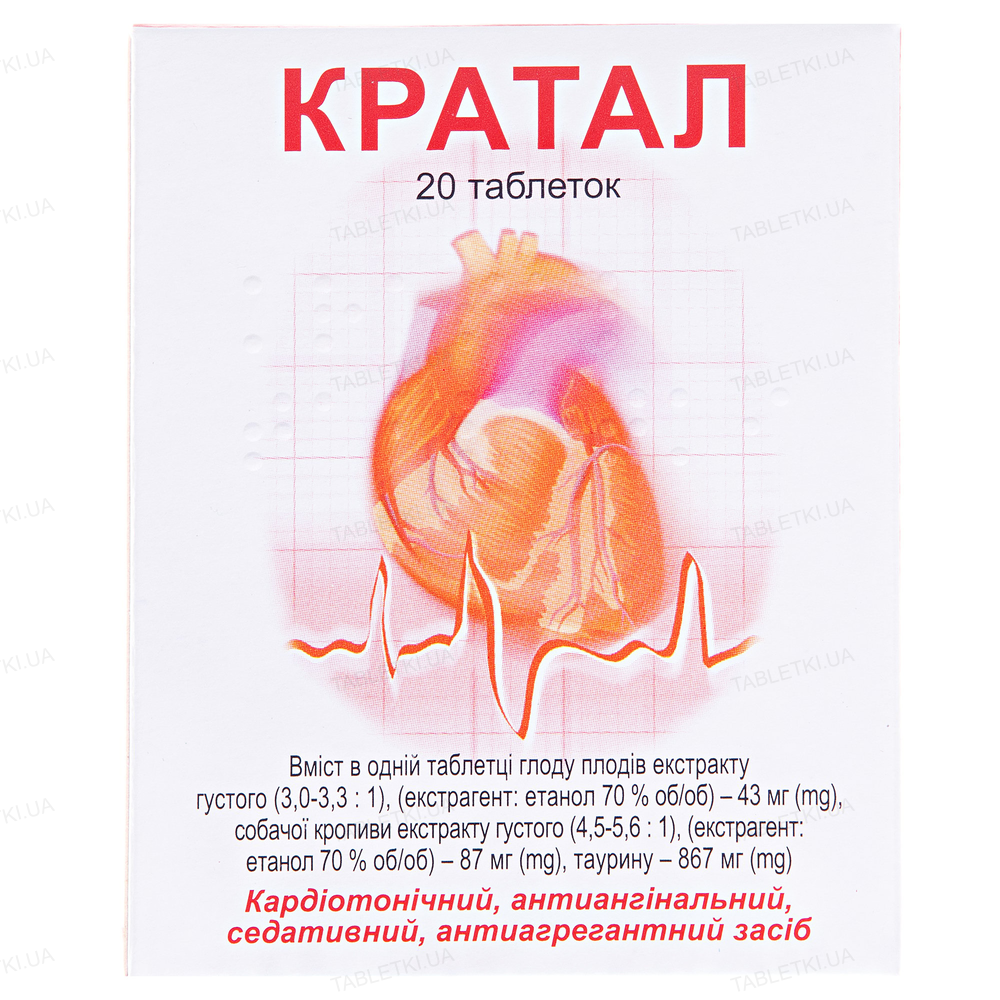
Kratal Tablets No. 20 (10 x 2)
Composition
Active ingredients: 1 tablet contains concentrated hawthorn fruit extract (Crataegiae fructus extractum spissum) (3.0–3.3:1), (solvent: 70% v/v ethanol), equivalent to 43 mg of dry matter, concentrated motherwort herb extract (Leonuriae herba extractum spissum) (4.5–5.6:1), (extractant: 70% ethanol by volume), calculated on a dry weight basis – 87 mg, taurine, calculated on a 100% dry weight basis – 867 mg;
excipients: microcrystalline cellulose, croscarmellose sodium, magnesium stearate, colloidal anhydrous silicon dioxide.
Dosage Form
Tablets.
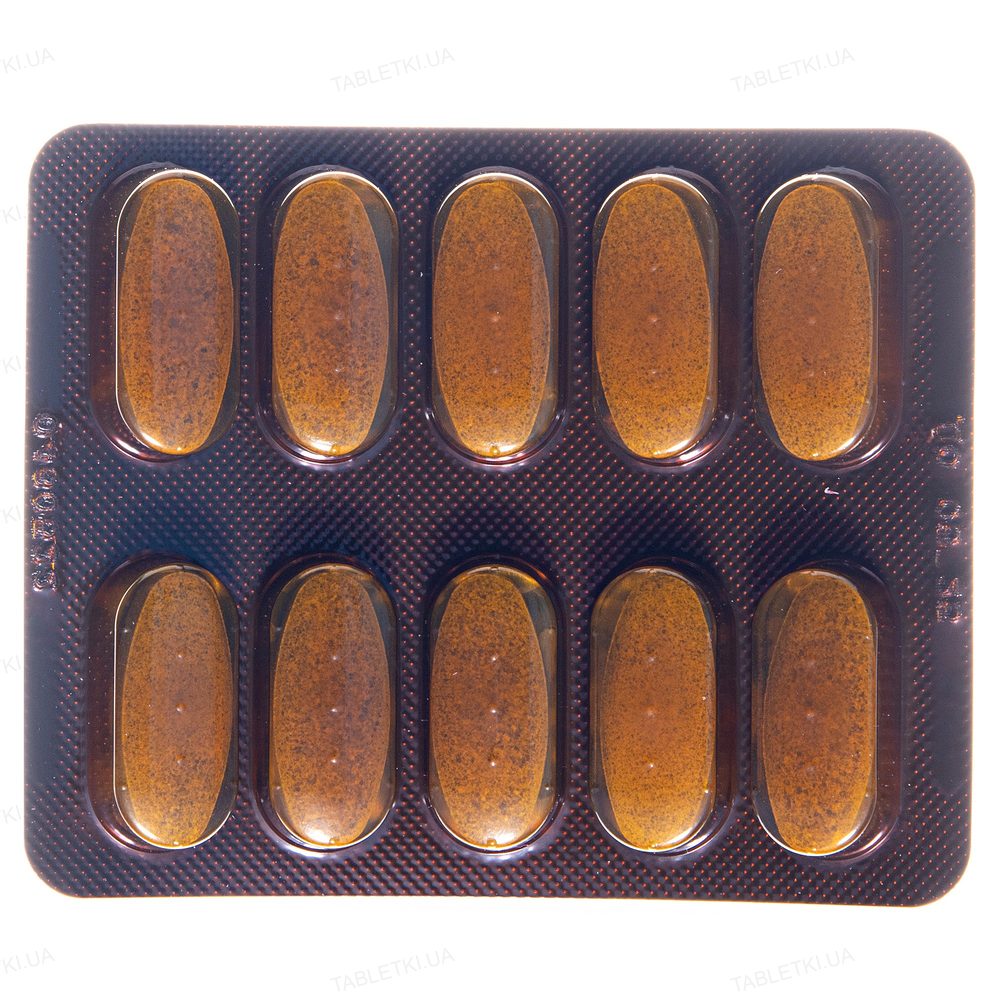
Main physical and chemical properties: oval tablets ranging in color from light gray or light brown to dark brown, with speckles, and a biconvex surface.
Pharmacotherapeutic group
Combination cardiovascular agents. ATC code C01E X.
Pharmacological properties
Pharmacodynamics.
Kratal exerts mild cardiotonic, antianginal, antioxidant, antiarrhythmic, antihypoxic, antiplatelet, and antiatherogenic effects; it inhibits the renin-angiotensin and kallikrein-kinin systems, as well as lipid peroxidation processes, and has a positive effect on the production of cyclic adenosine monophosphate (cAMP). It improves blood supply and the functional state of the myocardium, increases “coronary reserve,” improves the contractile and pumping functions of the heart muscle, lowers blood pressure, and normalizes heart rate.
Kratal reduces the symptoms of digitalis intoxication. It increases work capacity, improves mood, and has a calming and neuroprotective effect (eliminates somatic-negative disorders—irritability, mood swings).
Pharmacokinetics.
The drug’s components are almost completely absorbed from the gastrointestinal tract. The time to reach peak blood concentrations of taurine and other drug components is 2 hours. Kratal is evenly distributed throughout the body’s tissues and fluids. Most of it is excreted in the urine; the half-life is 6–8 hours.
Indications
- Neurocirculatory dystonia;
- As part of combination therapy for:
- chronic ischemic heart disease;
- post-radiation syndrome.
Contraindications
- Hypersensitivity to any component of the drug;
- severe bradycardia and arterial hypotension.
Interactions with Other Medications and Other Types of Interactions
Potentiates the antianginal effects of nitrates, β-blockers, calcium channel blockers, antihypoxants, neuroprotectants, and cardiac glycosides. Reduces the symptoms of digitalis intoxication. This medication should not be used in combination with Class III antiarrhythmics or cisapride.
Special Considerations for Use
Do not exceed the recommended doses of this medication.
If symptoms do not resolve or worsen during treatment, consult a doctor.
If swelling of the ankles or feet occurs, if pain develops in the heart area (which may radiate to the left arm, upper abdomen, or neck), or if shortness of breath occurs, IMMEDIATE medical consultation is required.
Use During Pregnancy or Breastfeeding.
To date, there are no data on the use of this medication during pregnancy or breastfeeding.
This medication is contraindicated during pregnancy.
If use of the drug is necessary in breastfeeding women, breastfeeding should be discontinued for the duration of treatment.
Effect on reaction time when operating motor vehicles or other machinery.
During treatment, patients taking Kratal should refrain from operating vehicles and potentially hazardous machinery.
Dosage and Administration
The duration of treatment and dosage are determined by the physician on an individual basis. Take the medication orally, 1–2 tablets 3 times daily before meals. The course of treatment is 3–4 weeks.
Children.
There is no experience with the use of this medication for the treatment of children.
Overdose
Symptoms: hypersensitivity reactions, allergic reactions, dyspeptic reactions, general weakness, fatigue, dizziness, drowsiness, hypotension, bradycardia.
Treatment: Discontinuation of the drug and symptomatic therapy.
Side Effects
Possible manifestations of hypersensitivity, allergic reactions (including flushing, rashes, itching, skin swelling, hives), dyspeptic symptoms, general weakness, increased fatigue, dizziness, drowsiness, hypotension, and bradycardia.
If any adverse effects occur, the patient should consult a doctor.
Shelf life
3 years.
Do not use after the expiration date printed on the package.
Storage Conditions
Store in the original packaging at a temperature not exceeding 25 °C.
Keep out of reach of children.
Packaging
10 tablets per blister, 2 blisters per pack; 60 tablets per container and pack; 90 tablets per container and pack.
Dispensing Category
Over-the-counter.
Manufacturer
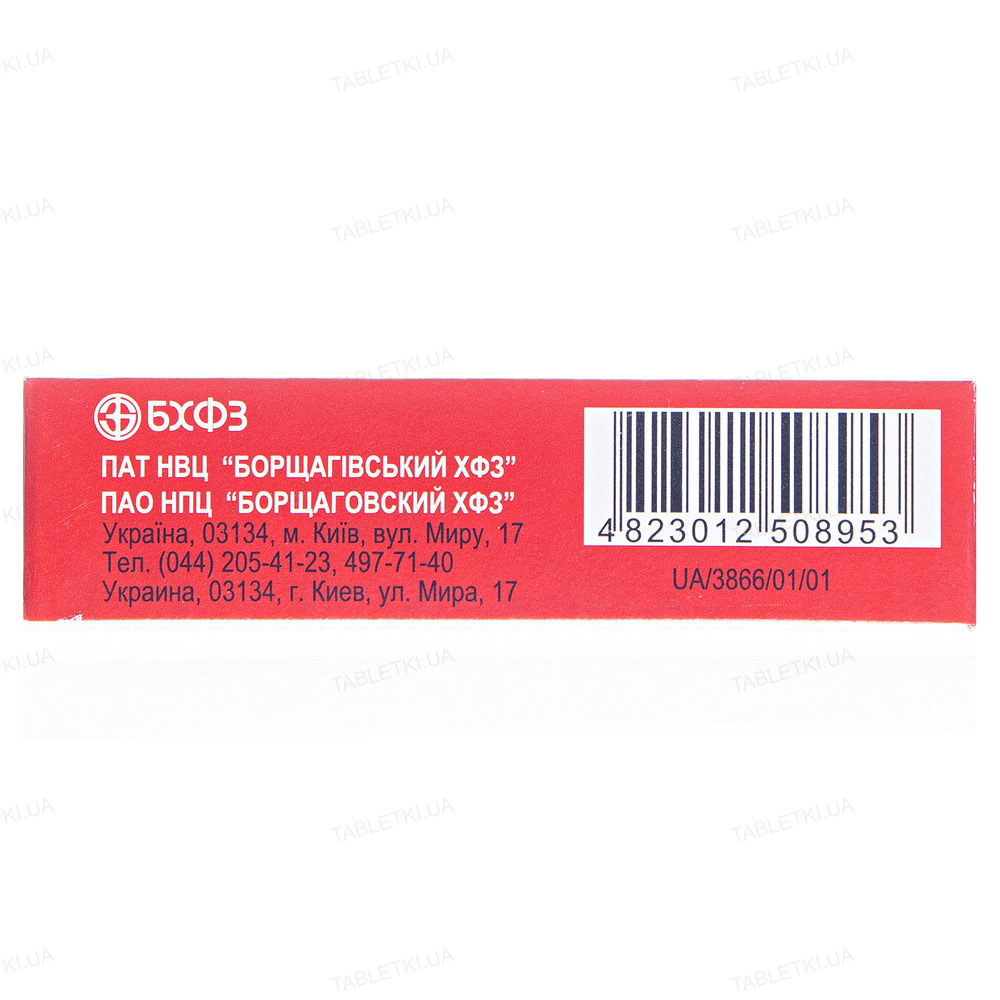
Public Joint-Stock Company “Scientific and Production Center ‘Borshchahivsky Chemical and Pharmaceutical Plant’.”
Address
Ukraine, 03134, Kyiv, 17 Myru St.







