
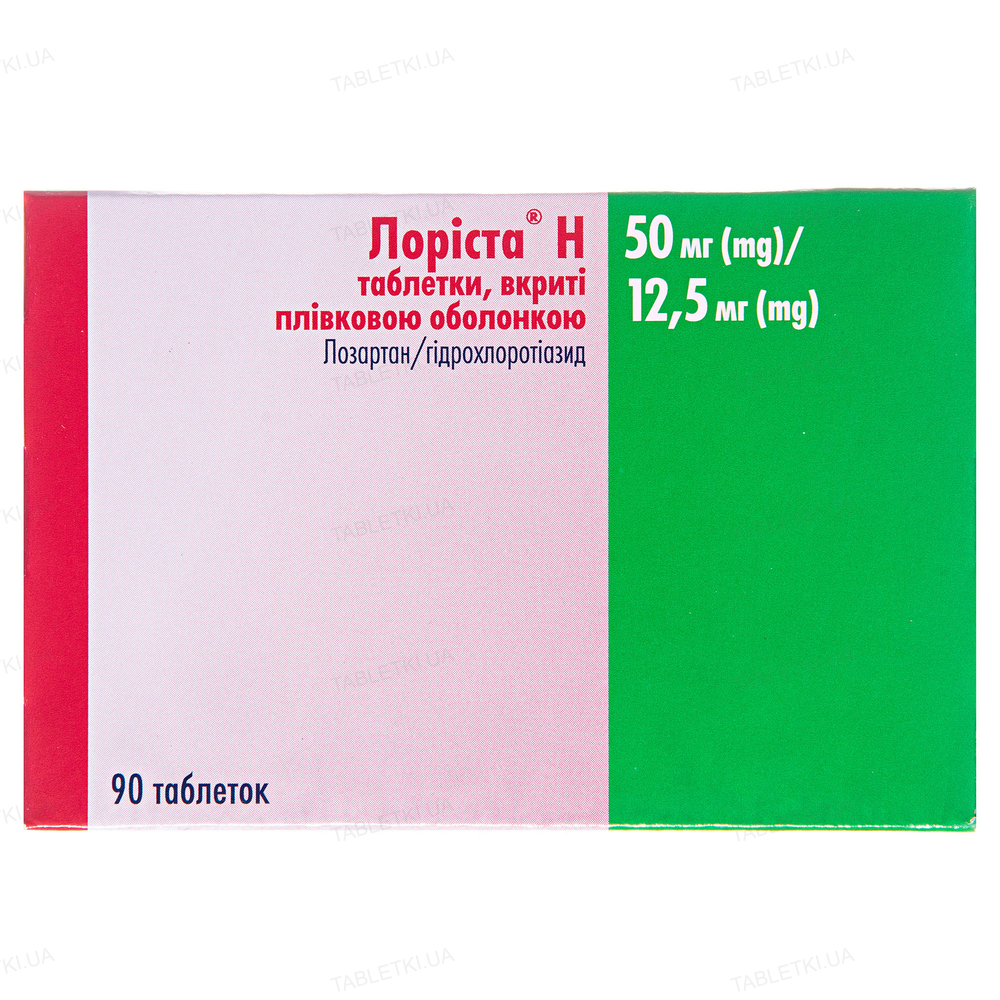
Lorista N tablets, film-coated, 50 mg/12.5 mg, No. 90 (10×9)
Composition
Active ingredients: losartan, hydrochlorothiazide;
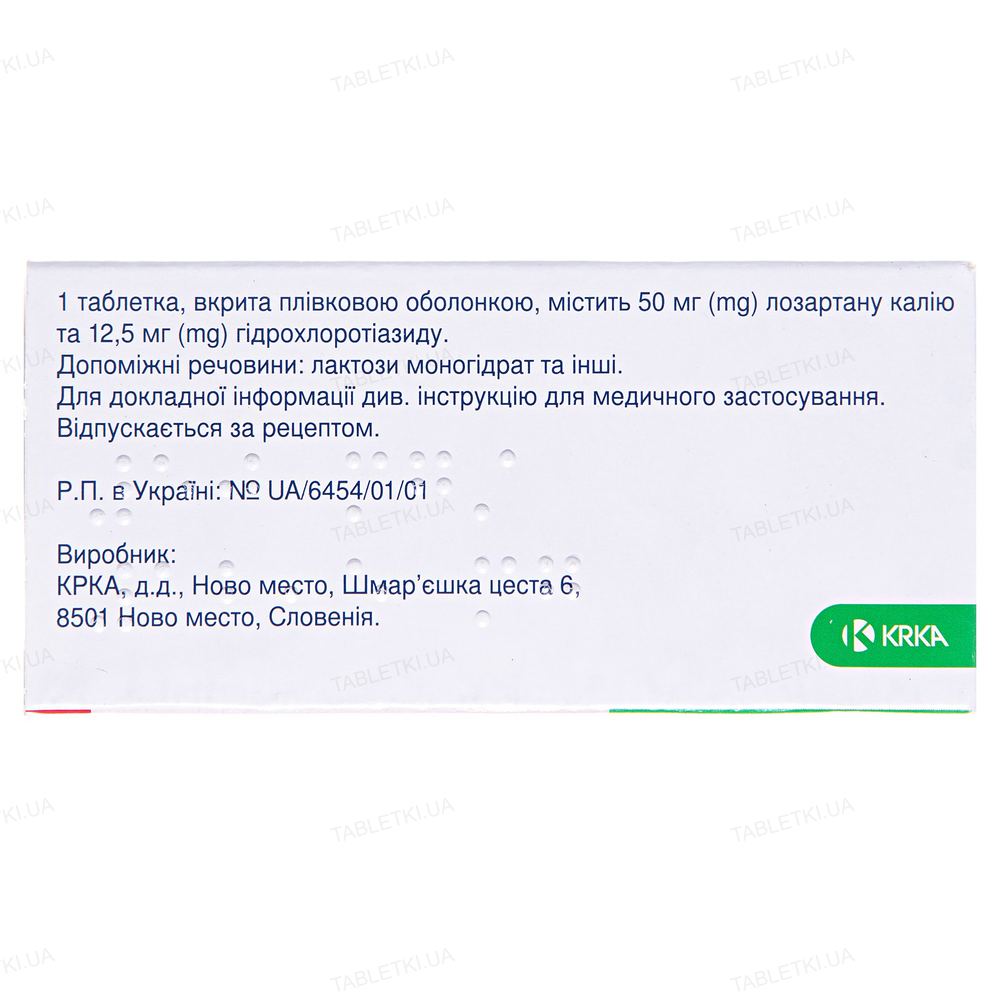
1 film-coated tablet contains 50 mg of losartan potassium and 12.5 mg of hydrochlorothiazide;
inactive ingredients: pregelatinized starch, microcrystalline cellulose, lactose monohydrate, magnesium stearate, hypromellose, polyethylene glycol 4000, talc, quinoline yellow (E 104), titanium dioxide (E 171).
Dosage Form
Film-coated tablets.
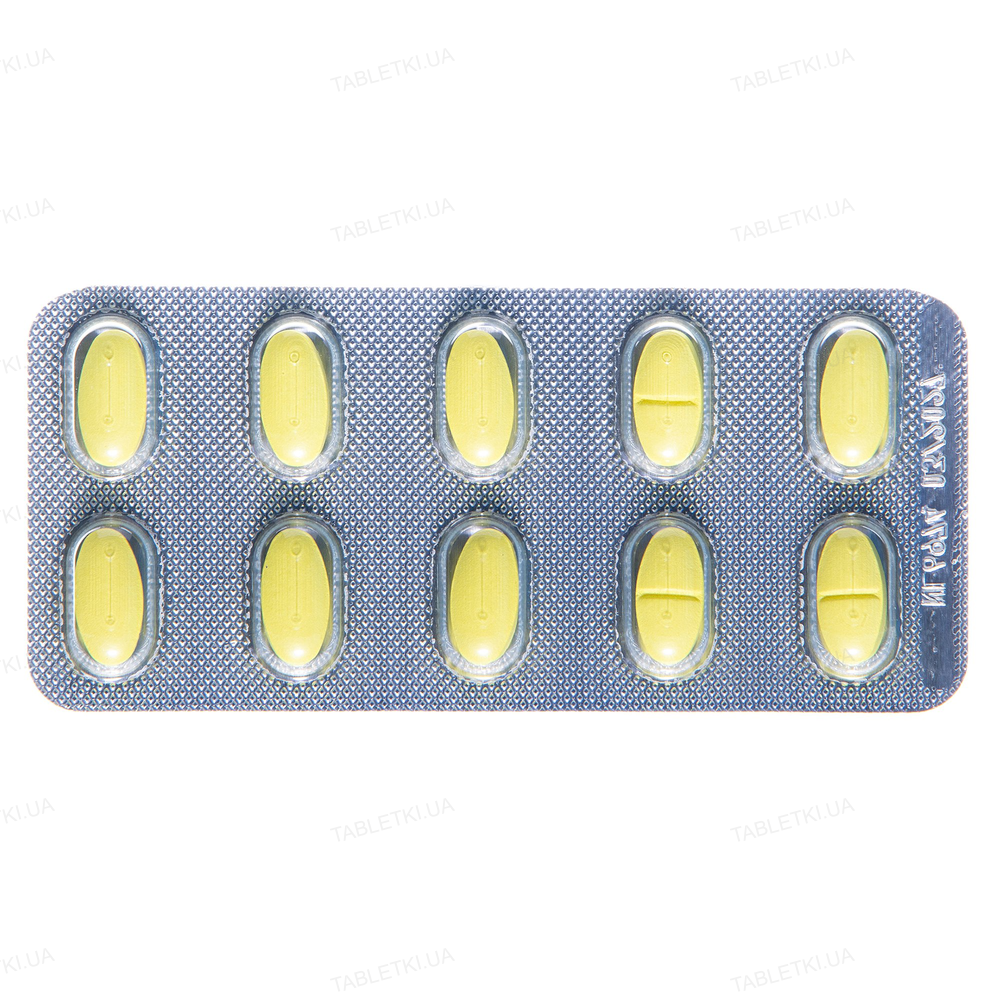
Main physical and chemical properties: yellow, oval, slightly biconvex tablets, film-coated with a score line on one side.
Pharmacotherapeutic group
Angiotensin II antagonists and diuretics. Losartan and diuretics.
ATC code C09D A01.
Pharmacological properties
Pharmacodynamics.
Losartan and hydrochlorothiazide
It has been demonstrated that the antihypertensive effects of the drug’s components are additive; thus, the combined use of the drug’s components reduces blood pressure to a greater extent than when taken separately. It is believed that this effect results from the synergistic action of both components. In addition, due to its diuretic effect, hydrochlorothiazide increases plasma renin activity and aldosterone secretion, lowers potassium concentration, and increases plasma angiotensin II levels. Lozartan blocks all physiological effects of angiotensin II and, by inhibiting the effects of aldosterone, may reduce the potassium loss associated with diuretic use.
Losartan has a moderate and transient uricosuric effect. Hydrochlorothiazide slightly increases blood uric acid levels; the combination of losartan and hydrochlorothiazide attenuates diuretic-induced hyperuricemia.
The drug’s antihypertensive effect lasts for 24 hours and is maintained with long-term use. In addition to a significant reduction in blood pressure, treatment with this drug had no clinically significant effect on heart rate.
The combination of losartan and hydrochlorothiazide is effective in lowering blood pressure in men and women, patients of African and Caucasian descent, middle-aged (< 65 years) and elderly (≥ 65 years) patients, and is effective at all stages of hypertension.
Losartan
Losartan is a synthetic angiotensin II receptor antagonist (AT1 type) for oral administration. Angiotensin II, a potent vasoconstrictor, is the primary active hormone of the renin-angiotensin system and an important determinant of the pathophysiology of hypertension. Angiotensin II binds to AT1 receptors, which are found in many tissues (such as vascular smooth muscle, the adrenal glands, the kidneys, and the heart), and exerts several important biological effects, including vasoconstriction and the release of aldosterone. Angiotensin II also stimulates the proliferation of smooth muscle cells.
Losartan selectively blocks the AT1 receptor. In vitro and in vivo, losartan and its pharmacologically active metabolite—carboxylic acid (E 3174)—block all physiologically significant effects of angiotensin II, regardless of its source or route of synthesis.
Losartan does not bind to or block the receptors of other hormones or ion channels important for the regulation of the cardiovascular system. In addition, losartan does not affect the action of angiotensin-converting enzyme (kinase II), which is responsible for the breakdown of bradykinin. Therefore, no adverse reactions associated with elevated bradykinin levels are observed. Administration of losartan inhibits the negative effect of angiotensin II on renin formation, leading to an increase in plasma renin activity. Increased renin activity leads to elevated plasma angiotensin II levels. Despite this, the antihypertensive effect and the reduction in plasma aldosterone levels are maintained, indicating effective blockade of the angiotensin II receptor. After discontinuation of losartan therapy, plasma renin activity and angiotensin II concentration return to normal within three days.
Losartan and its primary active metabolite have a higher affinity for the AT1 receptor than for the AT2 receptor. The active metabolite is 10–40 times more potent than losartan, based on volume percentage calculations.
Losartan does not affect autonomic reflexes and has no sustained effect on plasma norepinephrine levels.
Hydrochlorothiazide
Hydrochlorothiazide is a thiazide diuretic. The mechanism of the antihypertensive action of thiazide diuretics has not been fully elucidated. Thiazides affect the renal tubular mechanism of electrolyte reabsorption, thereby directly increasing the excretion of sodium and chloride in approximately equal amounts. The diuretic effect of hydrochlorothiazide reduces plasma volume, increases plasma renin activity, increases aldosterone secretion, leading to elevated urinary potassium levels, bicarbonate loss, and decreased serum potassium levels. Possibly due to blockade of the renin-aldosterone system, concomitant administration of angiotensin II receptor antagonists contributes to the reversible potassium loss associated with thiazide-type diuretics.
After oral administration, increased diuresis begins within two hours, peaks after 4 hours, and lasts for 6–12 hours. The antihypertensive effect lasts no longer than 24 hours.
Non-melanoma skin cancer
Based on available data from epidemiological studies, there is a cumulative, dose-dependent association between the use of thiazide diuretics and the development of non-melanoma skin cancer. In the study population, there were 71,533 cases of basal cell carcinoma (BCC) and 8,629 cases of squamous cell carcinoma (SCC), compared with 1,430,833 and 172,462 cases, respectively, in the control group. High-dose HRT use (>50,000 mg cumulatively) was associated with an adjusted OR of 1.29 (95% CI: 1.23–1.35) for basal cell carcinoma (BCC) and 3.98 (95% CI: 3.68–4.31) for squamous cell carcinoma (SCC). A clear relationship between cumulative dose and response was observed for both BCC and SCC. Another study demonstrated a possible association between lip cancer (squamous cell carcinoma [SCC]) and the use of GHTZ: 633 cases of lip cancer were matched with 63,067 cases in the control group (a risk-stratified sampling strategy was used). The relationship between cumulative dose and response was demonstrated using an adjusted odds ratio (OR) of 2.1 (95% CI: 1.7–2.6), increasing to an OR of 3.9 (3.0–4.9) when high doses (~25,000 mg) were administered and an OR of 7.7 (5.7–10.5) at the highest cumulative dose (~100,000 mg) (see also the “Special Considerations for Use” section).
Pharmacokinetics.
Absorption.
Losartan
Following oral administration, losartan is well absorbed and undergoes first-pass metabolism to form a single active carboxylic acid metabolite and other pharmacologically inactive metabolites. The systemic bioavailability of losartan is approximately 33%. Peak concentrations of losartan and its active metabolite are reached approximately one hour and 3–4 hours after administration, respectively. Food intake does not cause clinically significant changes in the pharmacokinetic profile.
Distribution
Losartan
More than 99% of losartan and its active metabolite are bound to plasma proteins, primarily albumin. The volume of distribution of losartan is 34 L. In animal studies, losartan crossed the blood-brain barrier only to a small extent, if at all.
Hydrochlorothiazide
Hydrochlorothiazide crosses the placental barrier, does not cross the blood-brain barrier, and is excreted into breast milk.
Biotransformation
Losartan
Approximately 14% of an orally or intravenously administered dose of losartan is metabolized to its active metabolite. Following oral or intravenous administration of radioactively labeled (14C) losartan potassium, the radioactivity in plasma is primarily attributable to losartan and its active metabolite. In 1% of study subjects, losartan is converted only to a minor extent into the active metabolite.
In addition to the active metabolite, inactive metabolites are formed, including two major metabolites formed by hydroxylation of the butyl chain and a minor metabolite, N-2-tetrazole glucuronide.
Elimination
Losartan
The plasma clearance of losartan and its active metabolite is approximately 600 mL/min and 50 mL/min, respectively. Renal clearance of losartan and its active metabolite is approximately 74 mL/min and 26 mL/min, respectively. Following oral administration, 4% of the administered dose of losartan is excreted in the urine unchanged, and 6% is excreted as the active metabolite.
The pharmacokinetic properties of losartan and its active metabolite change linearly with oral doses of losartan potassium up to 200 mg.
Following oral administration, plasma concentrations of losartan and its active metabolite decline polyexponentially; the half-life is approximately 2 hours and 6–9 hours, respectively. With a single daily dose of 100 mg, neither losartan nor its active metabolite accumulates significantly in plasma.
Both biliary and renal excretion play a role in the elimination of losartan and its active metabolites. Following administration of an oral dose of radioactively labeled (14C) losartan, approximately 35% of the radioactivity is recovered in the urine and 58% in the feces.
Hydrochlorothiazide
Hydrochlorothiazide is not metabolized but is rapidly excreted by the kidneys. Based on observations lasting at least 24 hours, the plasma half-life of hydrochlorothiazide ranged from 5.6 to 14.8 hours. At least 61% of an oral dose is excreted unchanged within 24 hours.
Patient Characteristics
Losartan and Hydrochlorothiazide
Plasma concentrations of losartan and its active metabolite, as well as the absorption of hydrochlorothiazide, in elderly patients with hypertension do not differ significantly from those in younger patients with hypertension.
Losartan
Following oral administration to patients with mild to moderate alcoholic cirrhosis of the liver, plasma concentrations of losartan and its active metabolites were 5- and 1.7-fold higher, respectively, than in young volunteers.
Neither losartan nor its active metabolite can be removed by hemodialysis.
Indications
Treatment of hypertension when monotherapy with losartan or monotherapy with hydrochlorothiazide is insufficient.
Contraindications
- Hypersensitivity to losartan, sulfonamide derivatives (such as hydrochlorothiazide), or any of the excipients.
- Pregnant women or women planning to become pregnant (see the section “Use During Pregnancy or Breastfeeding”).
- Severe renal insufficiency (creatinine clearance < 30 mL/min).
- Anuria.
- Severe hepatic insufficiency, cholestasis, or obstructive biliary tract disease.
- Therapeutically resistant hypokalemia or hypercalcemia.
- Persistent hyponatremia.
- Symptomatic hyperuricemia/gout.
- Concomitant use with aliskiren in patients with diabetes mellitus or impaired renal function (GFR <60 mL/min/1.73 m²) (see sections “Special Considerations for Use” and “Interactions with Other Medications and Other Types of Interactions”).
Interactions with Other Medications and Other Types of Interactions
Losartan
There have been reports that rifampicin and fluconazole reduce the levels of the active metabolite. The clinical consequences of these interactions have not been evaluated.
As with other drugs that block angiotensin II receptors or their effects, concomitant use of potassium-sparing diuretics (e.g., spironolactone, triamterene, amiloride), potassium supplements, potassium-containing salt substitutes, or other medications that may increase serum potassium levels (e.g., medications containing trimethoprim) may lead to an increase in serum potassium levels. Concomitant use is not recommended.
As with other medications that affect sodium excretion, lithium excretion may be reduced. Therefore, serum lithium levels should be carefully monitored when lithium salts are used in combination with angiotensin II receptor antagonists.
Nonsteroidal anti-inflammatory drugs (acetylsalicylic acid at anti-inflammatory doses, selective COX-2 inhibitors) and nonselective nonsteroidal anti-inflammatory drugs may reduce the antihypertensive effect of angiotensin II receptor antagonists. Concomitant use of angiotensin II receptor antagonists or diuretics with nonsteroidal anti-inflammatory drugs may lead to impaired renal function, including possible acute renal failure, and to an increase in serum potassium levels, especially in patients with impaired renal function. This combination should be used with caution, particularly in elderly patients. Adequate hydration and careful monitoring of renal function are necessary at the start of concomitant therapy and periodically thereafter.
In some patients with impaired renal function, concomitant use of angiotensin II receptor antagonists and cyclooxygenase-2 inhibitors may lead to further deterioration of renal function. These effects are generally reversible.
Hypotension, whether as a primary effect or an adverse reaction, is characteristic of tricyclic antidepressants, neuroleptics, baclofen, and amifostine. Concomitant use of these drugs may increase the risk of hypotension.
Studies have shown that due to dual RAAS blockade when ACE inhibitors, angiotensin II receptor antagonists, or aliskiren, the risk of adverse reactions—such as hypotension, hyperkalemia, and renal impairment, including acute renal failure, compared with the use of a single renin-angiotensin-aldosterone system agent (see the “Contraindications” and “Special Precautions for Use” sections).
Hydrochlorothiazide
When used concomitantly, the drugs listed below may interact with thiazide diuretics.
Alcohol, barbiturates, narcotics, or antidepressants
Orthostatic hypotension may be exacerbated.
Antidiabetic agents (oral medications and insulin)
The use of thiazides may affect glucose tolerance. It may be necessary to adjust the dose of antidiabetic agents. Metformin should be used with caution due to the risk of lactic acidosis caused by possible renal impairment associated with the use of hydrochlorothiazide.
Other antihypertensive agents
Additive effect.
Cholestyramine and colestipol resins
The absorption of hydrochlorothiazide is impaired in the presence of anion-exchange resins. Single doses of cholestyramine or colestipol bind hydrochlorothiazide and reduce its absorption from the gastrointestinal tract by 85% and 43%, respectively.
Corticosteroids, ACTH
Electrolyte loss increases, and the risk of hypokalemia is particularly elevated.
Pressor amines (e.g., epinephrine)
A reduced response to pressor amines is possible. The degree of this reduction is insignificant; therefore, the use of these agents is not contraindicated.
Non-depolarizing skeletal muscle relaxants (e.g., tubocurarine)
The response to muscle relaxants may be enhanced.
Lithium preparations
Diuretics reduce renal clearance of lithium and increase the risk of lithium toxicity; concomitant use is not recommended.
Drugs used to treat gout (probenecid, sulfinpyrazone, and allopurinol)
It may be necessary to adjust the dose of uric acid-lowering drugs, as hydrochlorothiazide may increase plasma uric acid concentrations. It may be necessary to increase the dose of probenecid or sulfinpyrazone. Concomitant use of thiazides may increase the likelihood of hypersensitivity reactions to allopurinol.
Anticholinergic drugs (e.g., atropine, biperiden)
Increased bioavailability of thiazide diuretics is associated with reduced gastrointestinal motility and delayed gastric emptying.
Cytotoxic agents (e.g., cyclophosphamide, methotrexate)
Thiazides may reduce the renal excretion of cytotoxic agents and may enhance their myelosuppressive effects.
Salicylates
When high doses of salicylates are administered, hydrochlorothiazide may enhance the toxic effects of salicylates on the central nervous system.
Methyldopa
In isolated cases, hemolytic anemia has been reported with the concomitant use of hydrochlorothiazide and methyldopa.
Cyclosporine
Concomitant use with cyclosporines increases the risk of hyperuricemia and complications such as gout.
Cardiac glycosides
Thiazide-induced hypokalemia or hypomagnesemia contributes to the development of arrhythmias caused by cardiac glycosides.
Medications Affected by Abnormal Serum Potassium Levels
Serum potassium levels should be monitored periodically, and ECG monitoring should be performed when the lozartan/hydrochlorothiazide combination is used with medications whose effects depend on plasma potassium levels (such as cardiac glycosides and antiarrhythmic agents), as well as with drugs that cause ventricular tachycardia (torsades de pointes), including certain antiarrhythmic agents, since hypokalemia promotes the development of ventricular tachycardia:
- Class Ia antiarrhythmic drugs (e.g., quinidine, hydroquinidine, disopyramide);
- Class III antiarrhythmic drugs (e.g., amiodarone, sotalol, dofetilide, ibutilide);
- certain antipsychotics (e.g., thioridazine, chlorpromazine, levomepromazine, trifluoperazine, cyamemazine, sulpiride, sultopride, amisulpride, tiapride, pimozide, haloperidol, droperidol);
- other medications (e.g., bepridil, cisapride, difemanil, intravenously administered erythromycin, halofantrine, mizolastine, pentamidine, terfenadine, intravenously administered vincamine).
Calcium salts
Thiazide diuretics may increase serum calcium levels due to reduced excretion. If it is necessary to use medications that increase calcium levels, serum calcium levels should be monitored regularly, and the dose of these medications should be adjusted based on the results.
Effects on Laboratory Parameters
Due to their effect on calcium metabolism, thiazides may alter the results of parathyroid function tests.
Carbamazepine
Risk of symptomatic hyponatremia. Clinical monitoring of the patient and laboratory blood tests are required.
Iodine-containing contrast agents
In cases of diuretic-induced dehydration, there is an increased risk of acute renal failure, especially when high doses of iodine-containing agents are administered. Patients should be rehydrated prior to administration.
Amphotericin B (parenteral), corticosteroids, adrenocorticotropic hormone, laxatives, and glycyrrhizin (found in licorice).
Hydrochlorothiazide may exacerbate electrolyte imbalances, particularly hypokalemia.
Special Considerations for Use
Losartan
Angioedema
Patients with a history of angioedema (swelling of the face, lips, throat, and/or tongue) should be closely monitored.
Hypotension and circulating fluid volume depletion
In patients with a deficiency of circulating fluid volume and/or sodium due to intensive diuretic therapy, salt restriction, diarrhea, or vomiting, symptomatic hypotension may occur, especially after the first dose and following a dose increase. Such conditions require correction prior to administration of the drug or a reduction in the initial dose.
Electrolyte and Water Imbalances
In patients with renal insufficiency, whether or not they have diabetes, electrolyte imbalances often occur and require correction. In clinical trials conducted among patients with type 2 diabetes and nephropathy, the incidence of hyperkalemia was higher in the losartan group compared with the placebo group. Therefore, plasma potassium levels and creatinine clearance should be monitored regularly. Patients with heart failure and creatinine clearance between 30 and 50 mL/min require particularly close monitoring. It is not recommended to use potassium-sparing diuretics, potassium-containing supplements, potassium-containing salt substitutes, or other medications that may increase serum potassium levels (e.g., medications containing trimethoprim).
Hepatic impairment
Based on pharmacokinetic data indicating a significant increase in losartan plasma concentrations in patients with liver cirrhosis, patients with a history of mild or moderate hepatic impairment should have their dose reduced. There is no experience with the therapeutic use of losartan in patients with severe hepatic insufficiency; therefore, the drug is contraindicated in such patients.
Renal Impairment
Due to inhibition of the renin-angiotensin-aldosterone system, changes in renal function, including renal failure, have been reported (particularly in patients whose renal function depends on the renin-angiotensin-aldosterone system, such as in severe heart failure or pre-existing renal impairment).
As with other drugs that affect the renin-angiotensin-aldosterone system, elevated blood urea and serum creatinine have also been reported in patients with bilateral renal artery stenosis or stenosis of the artery to a solitary kidney; these changes in renal function may be reversible upon discontinuation of therapy. Losartan should be used with caution in patients with bilateral renal artery stenosis or stenosis of the artery to a single kidney. Kidney Transplantation
There is no experience with the use of this drug in patients who have recently undergone kidney transplantation.
Primary hyperaldosteronism
Patients with primary hyperaldosteronism generally do not respond to treatment with antihypertensive drugs that act by inhibiting the renin-angiotensin system. Therefore, losartan tablets are not recommended for these patients.
Ischemic heart disease and cerebrovascular disease
As with any other antihypertensive medication, a rapid decrease in blood pressure in patients with ischemic heart disease and cerebrovascular disease may lead to a myocardial infarction or stroke.
Heart Failure
In patients with heart failure, with or without impaired renal function, there is a risk of severe hypotension and (very often, acute) renal failure when using losartan, as with any other drug that acts on the renin-angiotensin system.
Aortic and mitral valve stenosis, obstructive hypertrophic cardiomyopathy
As with other vasodilators, special caution should be exercised in patients with aortic or mitral valve stenosis or obstructive hypertrophic cardiomyopathy.
Ethnic considerations
Similar to angiotensin-converting enzyme inhibitors, losartan and other angiotensin antagonists are less effective at lowering blood pressure in African American patients compared to patients of other races, most likely due to a higher prevalence of low renin levels in the African American population with hypertension.
Pregnancy
Angiotensin II receptor antagonists should not be initiated during pregnancy. Unless continued therapy with angiotensin II receptor antagonists is considered absolutely necessary, patients planning a pregnancy should be switched to an alternative antihypertensive treatment with an established safety profile for use during pregnancy. If pregnancy is confirmed, treatment with losartan should be discontinued immediately and, if possible, alternative therapy should be initiated.
Dual blockade of the renin-angiotensin-aldosterone system (RAAS)
Concomitant use of aliskiren with angiotensin II receptor antagonists or ACE inhibitors increases the risk of hypotension, hyperkalemia, and renal impairment, including acute renal failure. Due to dual blockade of the renin-angiotensin-aldosterone system (RAAS), the concomitant use of aliskiren with angiotensin II receptor antagonists or ACE inhibitors is not recommended (see the section “Interactions with Other Medications and Other Types of Interactions”). If dual RAAS blockade is absolutely necessary, renal function, serum electrolyte levels, and blood pressure should be closely monitored. Angiotensin II receptor antagonists and ACE inhibitors should not be used concomitantly in patients with diabetes mellitus.
Hydrochlorothiazide
Hypotension and Water-Electrolyte Imbalance
As with other antihypertensive agents, symptomatic hypotension may occur in some patients while taking this medication. Patients should be monitored for clinical signs of fluid or electrolyte imbalance (e.g., decreased fluid volume, hyponatremia, hypochloremic alkalosis, hypomagnesemia, or hypokalemia), which may result from concomitant diarrhea or vomiting. In such patients, serum electrolyte levels should be measured periodically at regular intervals. During hot weather, patients prone to edema may develop dilutional hyponatremia.
Metabolic and Endocrine Effects
Thiazides may alter glucose tolerance. Dosage adjustments of antidiabetic medications, including insulin, may be necessary. Latent diabetes mellitus may become apparent during thiazide therapy.
Thiazides may reduce urinary calcium excretion and may cause a slight and transient increase in serum calcium levels. Marked hypercalcemia may be a sign of latent hyperparathyroidism. Thiazide therapy should be discontinued prior to testing parathyroid function.
Elevated cholesterol and triglyceride levels may also be associated with therapy with thiazide diuretics.
Thiazide therapy may lead to hyperuricemia and/or gout in some patients. Since losartan reduces urinary uric acid excretion, losartan in combination with hydrochlorothiazide reduces diuretic-induced hyperuricemia.
Liver dysfunction
Thiazides should be used with caution in patients with impaired liver function or progressive liver disease, as they may cause intrahepatic cholestasis, and even minor changes in water and electrolyte balance may lead to hepatic coma. The drug is contraindicated in patients with severe hepatic insufficiency.
Non-melanoma skin cancer
Two epidemiological studies based on data from the Danish National Cancer Registry found an increased risk of developing non-melanoma skin cancer (NMSC) [basal cell carcinoma (BCC) and squamous cell carcinoma (SCC)] with increasing cumulative doses of hydrochlorothiazide (HCTZ). A possible mechanism for the development of NMSC is the photosensitizing effect of HCTZ.
Patients taking HCTZ should be informed of the risk of developing NMSC, advised to regularly check their skin for new growths, and instructed to report any suspicious skin lesions immediately. To reduce the risk of skin cancer, patients should be made aware of possible preventive measures, such as limiting exposure to sunlight and ultraviolet rays and ensuring adequate skin protection when such exposure occurs. Suspected skin lesions should be evaluated as soon as possible, including a biopsy with histological examination of the tissue. The use of GHTZ may also require reevaluation in patients with a history of non-melanoma skin cancer (see also the “Adverse Reactions” section).
Choroidal effusion, acute myopia, and secondary angle-closure glaucoma
Sulfonamide drugs or sulfonamide derivatives may cause an idiosyncratic reaction leading to choroidal effusion with visual field defects, transient myopia, and acute angle-closure glaucoma. Symptoms include an acute onset of decreased visual acuity or eye pain and typically occur within a few hours or weeks after starting the medication. Untreated acute angle-closure glaucoma can lead to irreversible vision loss. Initial treatment involves discontinuing the medication as soon as possible. If intraocular pressure remains uncontrolled, prompt medical or surgical treatment may be necessary. Risk factors for developing acute angle-closure glaucoma include a history of allergy to sulfonamides or penicillin.
Acute Respiratory Toxicity
Very rare cases of acute respiratory toxicity, including acute respiratory distress syndrome (ARDS), have been reported following administration of hydrochlorothiazide. Pulmonary edema usually develops within a few minutes or hours after taking hydrochlorothiazide. Initial symptoms include shortness of breath, fever, worsening pulmonary function, and hypotension. If ARDS is suspected, administration of Lorista® H should be discontinued and appropriate treatment initiated. Hydrochlorothiazide should not be administered to patients who have previously experienced ARDS following hydrochlorothiazide administration.
Other Conditions
In patients receiving thiazides, allergic reactions may occur regardless of a history of allergic conditions or bronchial asthma. Recurrences or exacerbations of systemic lupus erythematosus have been reported in patients receiving thiazides.
Special information about certain excipients
This medication contains lactose. Patients with rare hereditary forms of galactose intolerance, lactase deficiency, or glucose-galactose malabsorption should not take this medication.
Use during pregnancy or breastfeeding.
Pregnancy
This medication is contraindicated in pregnant women or women planning to become pregnant. If pregnancy is confirmed during treatment with this medication, its use must be discontinued immediately and replaced with another medication approved for use in pregnant women.
Epidemiological findings regarding the risk of teratogenicity due to the effects of ACE inhibitors during the first trimester of pregnancy are inconclusive; however, a slight increase in risk cannot be ruled out. To date, there are no controlled epidemiological data on the risk associated with the use of angiotensin II inhibitors; a similar risk is possible for this class of drugs. Unless continued therapy with an angiotensin II inhibitor is considered absolutely necessary, patients planning a pregnancy should be switched to an alternative antihypertensive treatment with an established safety profile for use during pregnancy. If pregnancy is confirmed, treatment with an angiotensin II inhibitor should be discontinued immediately and, if possible, alternative therapy should be initiated.
It is known that the use of angiotensin II inhibitors during the second and third trimesters of pregnancy may cause fetal toxicity (decreased renal function, oligohydramnios with pulmonary hypoplasia, delayed cranial ossification) and neonatal toxicity (renal failure, arterial hypotension, hyperkalemia).
If angiotensin II inhibitors were used during the second trimester of pregnancy, an ultrasound examination of renal and cranial function is recommended.
Infants whose mothers took angiotensin II inhibitors should be closely monitored for the development of hypotension, oliguria, and hyperkalemia (see the “Contraindications” and “Special Precautions for Use” sections).
Hydrochlorothiazide
There is limited experience with the use of hydrochlorothiazide during pregnancy, especially during the first trimester. Animal studies are limited.
Hydrochlorothiazide crosses the placental barrier. Given the pharmacological mechanism of action of hydrochlorothiazide, its use during the second and third trimesters may impair blood flow between the placenta and the fetus and cause jaundice, electrolyte imbalance, and thrombocytopenia in the fetus and newborn.
Hydrochlorothiazide should not be used to treat gestational edema, nor for gestational hypertension or preeclampsia, due to the risk of reduced plasma volume and uteroplacental hypoperfusion without any beneficial effect on the course of the disease.
Hydrochlorothiazide should not be used to treat hypertension in pregnant women, except in cases where alternative treatments are not available.
Breastfeeding
Use of this medication is not recommended due to a lack of sufficient data on its use during breastfeeding. The patient should be switched to an alternative antihypertensive treatment with an established safety profile for use during breastfeeding, especially in the case of newborns or premature infants.
Effect on the ability to drive or operate machinery.
No studies have been conducted on the effect of this medication on the ability to drive or operate machinery.
However, dizziness or fatigue may occur while driving or operating machinery when taking antihypertensive medications, especially at the start of treatment or when the dose is increased.
Dosage and Administration
Lorista® N may be used in combination with other antihypertensive agents.
The tablets should be swallowed whole with a glass of water.
Administration of the drug is not affected by food intake.
The combination of losartan and hydrochlorothiazide should not be used as initial therapy. Whenever possible, it is advisable to titrate the doses of the drug’s components (losartan and hydrochlorothiazide) individually.
If monotherapy with the individual components is insufficiently effective, the combination drug may be used directly.
Hypertension
The usual starting and maintenance dose for most patients is 1 Lorista® H tablet (50 mg/12.5 mg) once daily. For patients in whom 1 tablet of Lorista® H does not provide sufficient effect, the dose may be increased to 2 tablets once daily (in the morning).
The maximum antihypertensive effect is achieved within 3–4 weeks of treatment. The maximum recommended dose is 2 Lorista® H tablets once daily.
Use in patients with renal impairment and patients on hemodialysis
No adjustment of the initial dose is required for patients with moderate renal insufficiency (creatinine clearance 30–50 mL/min).
Losartan and hydrochlorothiazide tablets are not recommended for patients undergoing hemodialysis. Losartan/hydrochlorothiazide tablets are contraindicated in patients with severe renal impairment (creatinine clearance < 30 mL/min).
Use in patients with reduced intravascular volume
Fluid and/or sodium depletion should be corrected before initiating treatment with losartan/hydrochlorothiazide tablets.
Use in patients with hepatic impairment
Losartan/hydrochlorothiazide is contraindicated in patients with severe hepatic impairment.
Use in Elderly Patients
Dose adjustment is generally not required in elderly patients.
Children.
There is no experience with the use of this medication in children; therefore, losartan/hydrochlorothiazide should not be used in this patient population.
Overdose
There are no specific data regarding the treatment of overdose with this drug. Treatment of overdose is symptomatic and supportive. Treatment with the drug should be discontinued, and the patient’s condition should be closely monitored. If the drug was taken recently, vomiting should be induced, and measures should be taken to correct dehydration, electrolyte imbalances, hepatic coma, and hypotension.
Losartan
Data on overdose in humans are limited. The most likely manifestations of overdose are hypotension and tachycardia; bradycardia may result from parasympathetic (vagal) stimulation. In cases of symptomatic hypotension, supportive therapy is indicated.
Losartan and its active metabolite are not removed by hemodialysis.
Hydrochlorothiazide
The most common symptoms of overdose result from electrolyte deficiencies (hypokalemia, hypochloremia, hyponatremia) and dehydration due to excessive urine output. When taken concomitantly with cardiac glycosides, hypokalemia may exacerbate arrhythmias.
Hydrochlorothiazide is removed by hemodialysis; however, the extent of removal has not been established.
Side Effects
Adverse reactions that may occur during treatment are classified into groups based on frequency of occurrence: very common: ≥1/10; common: ≥1/100 to <1/10; uncommon: ≥1/1,000 to <1/100; rare: ³1/10,000 - <1/1,000; very rare: <1/10,000; unknown (cannot be estimated from the available data).
In studies of losartan potassium and hydrochlorothiazide, no adverse reactions were observed that were unusual for this combination of substances. Adverse reactions were limited to those previously observed with losartan potassium and/or hydrochlorothiazide.
In studies of patients with hypertension, dizziness was the only adverse reaction associated with the active ingredient that occurred in more than 1% of patients (significantly more than in the placebo group).
In addition to these reactions, the following adverse reactions have been reported:
Hepatic and biliary tract disorders
Rare: hepatitis.
Laboratory parameters
Rare: hyperkalemia, elevated alanine aminotransferase (ALT) levels.
Additional adverse reactions observed with the use of one of the individual components of the drug and which may be potential adverse effects of the drug when using the losartan potassium/hydrochlorothiazide combination are as follows:
Losartan
Blood and lymphatic system
Uncommon: anemia, Henoch–Schönlein purpura, ecchymosis, hemolysis.
Frequency unknown: thrombocytopenia.
Immune system
Rare: hypersensitivity reactions (anaphylactic reactions, angioedema, including laryngeal and glottal edema leading to airway obstruction and/or edema of the face, lips, pharynx, and/or tongue; a history of angioedema associated with the use of medications, including ACE inhibitors; urticaria.
Metabolism and Nutrition
Uncommon: anorexia, gout.
Psychiatric disorders
Common: insomnia.
Uncommon: anxiety, agitation, confusion, depression, nightmares, sleep disturbances, drowsiness, memory impairment.
Nervous system
Common: headache, dizziness
Uncommon: nervousness, paresthesia, peripheral neuropathy, tremor, migraine, syncope.
Frequency unknown: taste disturbance.
Eye disorders
Uncommon: blurred vision, burning/itching sensation in the eyes, conjunctivitis, visual disturbances.
Ear and vestibular system
Uncommon: vertigo, tinnitus.
Cardiac
Uncommon: hypotension, orthostatic hypotension, sternalgia, angina pectoris, second-degree atrioventricular block, cerebrovascular disorders, myocardial infarction, palpitations, arrhythmias (atrial fibrillation, sinus bradycardia, tachycardia, ventricular tachycardia, ventricular fibrillation.
Vascular
Uncommon: vasculitis.
Frequency unknown: dose-dependent orthostatic effects;
Respiratory, thoracic, and mediastinal disorders
Common: cough, upper respiratory tract infections, nasal congestion, sinusitis, changes in the paranasal sinuses.
Uncommon: pharyngeal discomfort, pharyngitis, laryngitis, shortness of breath, bronchitis, nosebleeds, rhinitis, airway obstruction.
Gastrointestinal system
Common: abdominal pain, nausea, diarrhea, dyspepsia.
Uncommon: constipation, toothache, dry mouth, flatulence, gastritis, vomiting, intestinal obstruction.
Frequency unknown: pancreatitis.
Hepatic and biliary tract disorders
Frequency unknown: changes in liver function tests.
Skin and subcutaneous tissue disorders
Uncommon: alopecia, dermatitis, dry skin, erythema, redness, photosensitivity, itching, rash, hives, increased sweating.
Musculoskeletal and connective tissue disorders
Common: muscle cramps, back pain, leg pain, myalgia.
Uncommon: pain in the arms, joint swelling, knee pain, bone and muscle pain, shoulder pain, stiffness in the joints, arthralgia, arthritis, coxalgia, fibromyalgia, muscle weakness.
Frequency unknown: rhabdomyolysis.
Renal and urinary tract disorders
Common: impaired renal function, renal failure.
Uncommon: nocturia, frequent urination, urinary tract infections.
Genitourinary system
Uncommon: decreased libido, erectile dysfunction/impotence.
General disorders
Common: asthenia, increased fatigue, chest pain.
Uncommon: facial swelling, fever.
Frequency unknown – flu-like symptoms, malaise.
Laboratory parameters
Common: hyperkalemia, slight decrease in hematocrit and hemoglobin levels.
Uncommon: slight decrease in serum urea and creatinine levels.
Very rare: elevated liver enzymes and bilirubin.
Hydrochlorothiazide
Benign, malignant, and unspecified neoplasms (including cysts and polyps)
Frequency unknown: non-melanoma skin cancer (basal cell carcinoma and squamous cell carcinoma)1.
Blood and lymphatic system disorders
Uncommon: agranulocytosis, aplastic anemia, hemolytic anemia, leukopenia, purpura, thrombocytopenia.
Immune system disorders
Rare: anaphylactic reaction.
Metabolism and nutrition
Uncommon: anorexia, hyperglycemia, hyperuricemia, hypokalemia, hyponatremia.
Psychiatric disorders
Uncommon: insomnia, mood changes.
Nervous system
Common: headache.
Eye disorders
Uncommon: temporary blurred vision, xanthopsia.
Frequency unknown: choroidal effusion.
Vascular system
Uncommon: necrotizing angiitis (vasculitis, cutaneous vasculitis).
Respiratory, thoracic, and mediastinal disorders
Uncommon: respiratory distress, including pneumonitis and pulmonary edema.
Very rare: acute respiratory distress syndrome (ARDS).
Gastrointestinal system
Uncommon: inflammation of the salivary glands, cramps, stomach irritation, nausea, vomiting, diarrhea, constipation.
Hepatic and biliary tract disorders
Uncommon: jaundice (intrahepatic cholestasis), pancreatitis.
Skin and subcutaneous tissue disorders
Uncommon: photosensitivity, hives, toxic epidermal necrolysis.
Rare: Stevens–Johnson syndrome; skin reactions resembling the cutaneous form of systemic lupus erythematosus; reactivation of the cutaneous form of lupus erythematosus.
Musculoskeletal and connective tissue disorders
Uncommon: muscle cramps.
Renal and urinary tract disorders
Uncommon: glucosuria, interstitial nephritis, renal dysfunction, renal failure.
General disorders
Uncommon: fever, dizziness.
1 Non-melanoma skin cancer: Based on available epidemiological data, a cumulative dose-dependent relationship has been observed between the use of hydrochlorothiazide and the development of non-melanoma skin cancer (see “Special Considerations for Use” and “Pharmacological Properties”).
Shelf life
5 years.
Storage conditions
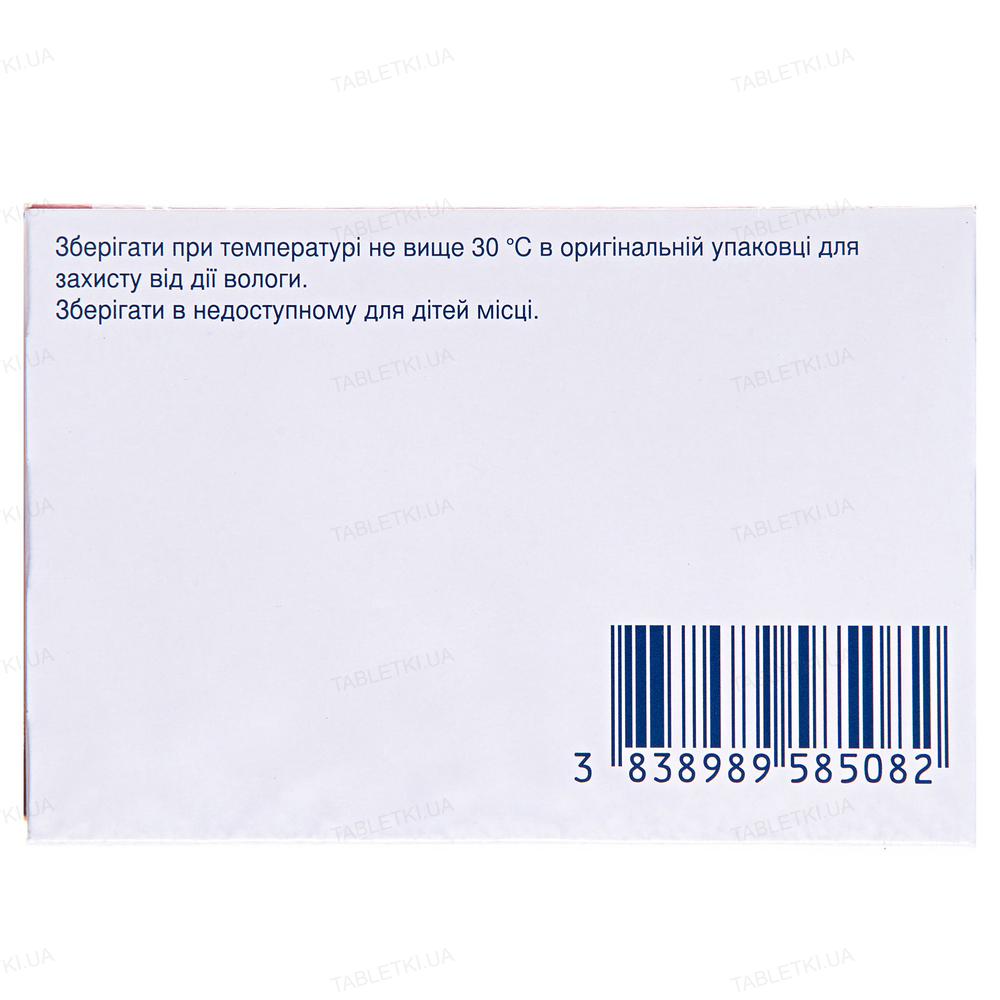
Store at a temperature not exceeding 30 °C in the original packaging to protect from moisture. Keep out of the reach of children.
Packaging
10 tablets per blister pack; 3, 6, or 9 blister packs per cardboard box.
14 tablets per blister pack; 1, 2, 4, 6, or 7 blister packs per cardboard box.
Manufacturer
KRKA, d.d., Novo mesto.
Manufacturer’s location and business address.
Smarjeska cesta 6, 8501 Novo mesto, Slovenia.







