
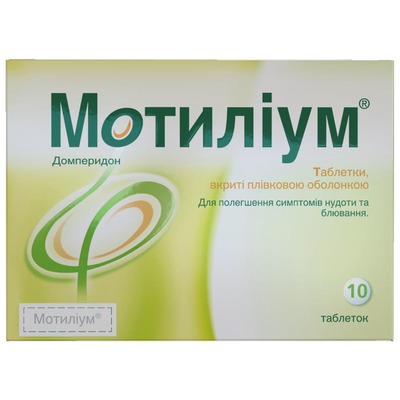
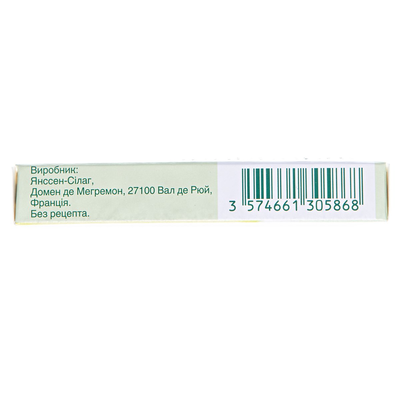
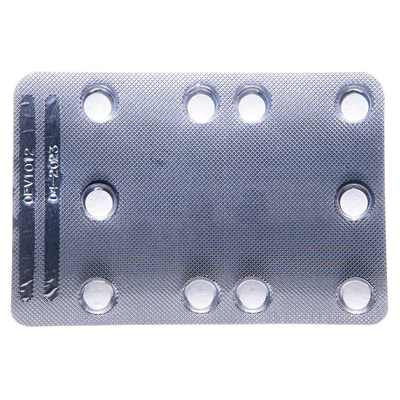
Motilium tablets, film-coated, 10 mg, No. 10
Ingredients
Active ingredient: domperidone;
1 tablet contains 10 mg of domperidone;
Inactive ingredients: tablet core: lactose monohydrate; corn starch; microcrystalline cellulose; pregelatinized potato starch; povidone; magnesium stearate; hydrogenated cottonseed oil; sodium lauryl sulfate;
film coating: hypromellose, sodium lauryl sulfate.
Dosage Form
Film-coated tablets.
Main physical and chemical properties: round, biconvex tablets, film-coated, white or slightly cream-colored, with “JANSSEN” on one side and “M 10” on the other
Pharmacotherapeutic group
Agents used in functional disorders of the gastrointestinal tract. Peristalsis stimulants. ATC code A03F A03.
Pharmacological Properties
Pharmacodynamics.
Domperidone is a dopamine antagonist with antiemetic properties. Domperidone crosses the blood-brain barrier to a negligible extent. The use of domperidone is very rarely associated with extrapyramidal side effects, especially in adults; however, domperidone stimulates the release of prolactin from the pituitary gland. Its antiemetic effect is likely due to a combination of peripheral (gastrokinetic) action and antagonism of dopamine receptors in the chemoreceptor trigger zone, which is located outside the blood-brain barrier in the posterior region (area postrema). Animal studies, as well as the low concentrations detected in the brain, indicate that domperidone acts primarily peripherally on dopamine receptors.
Studies have shown that, in humans, oral administration of domperidone increases pressure in the lower esophagus, improves antrum-duodenal motility, and accelerates gastric emptying. Domperidone does not affect gastric secretion.
Effects on the QT/QTc Interval and Cardiac Electrophysiology
In accordance with the ICH-E14 international guidelines, a thorough study of the QT interval was conducted in healthy subjects. This was a double-blind, placebo-controlled study conducted using recommended and supratherapeutic doses (10 and 20 mg four times daily). With concomitant administration of 20 mg of domperidone four times daily, a prolongation of the QT interval by 3.4–5.9 ms was observed throughout the entire observation period, and this value did not exceed 10 ms. The QT prolongation observed in this study with domperidone administered at the recommended dosage is not clinically significant.
This lack of clinical significance is supported by pharmacokinetic parameters and QTc interval data obtained in two earlier studies that included 5 days of treatment with 20 mg and 40 mg of domperidone four times daily. ECGs were recorded before the study, on day 5 one hour (approximately at tmax) after the morning dose, and 3 days later. In both studies, no difference was observed between the QTc following active treatment and placebo administration. Thus, it was concluded that domperidone administration at doses of 80 and 160 mg per day had no clinically significant effect on QTc in healthy volunteers.
Pharmacokinetics.
Absorption.
Domperidone is rapidly absorbed following oral administration on an empty stomach, with peak plasma concentrations reached approximately 60 minutes after dosing. The Cmax and AUC values of domperidone increased proportionally to the dose within the 10–20 mg dose range. A 2- to 3-fold accumulation of domperidone (AUC) was observed with repeated administration four times daily (every 5 hours) for 4 days. The low absolute bioavailability of oral domperidone (approximately 15%) is due to extensive first-pass metabolism in the intestinal wall and in the liver. Although bioavailability of domperidone increases when taken after meals in healthy individuals, patients with gastrointestinal symptoms should take domperidone 15–30 minutes before meals. Reduced gastric acidity decreases the absorption of domperidone. Oral bioavailability is reduced when cimetidine and sodium bicarbonate are taken concomitantly. When the drug is taken orally after a meal, peak absorption is slightly delayed, and the AUC is slightly increased.
Distribution.
When taken orally, domperidone does not accumulate and does not induce its own metabolism; the maximum plasma concentration 90 minutes (21 ng/mL) after two weeks of oral administration at 30 mg per day was nearly the same as after the first dose (18 ng/mL). Domperidone is 91–93% bound to plasma proteins. Distribution studies of domperidone conducted in animals using a radioactively labeled compound showed significant distribution in tissues but low concentrations in the brain. In animals, small amounts of the drug cross the placenta.
Metabolism.
Domperidone is rapidly and extensively metabolized in the liver by hydroxylation and N-dealkylation. In vitro metabolism studies using diagnostic inhibitors have shown that CYP3A4 is the primary cytochrome P450 enzyme involved in the N-dealkylation of domperidone, while CYP3A4, CYP1A2, and CYP2E1 are involved in the aromatic hydroxylation of domperidone.
Elimination.
Excretion in urine and feces accounts for 31% and 66% of the oral dose, respectively. A small percentage of the drug is excreted unchanged (10% in feces and approximately
1% in urine). The plasma half-life following a single dose is 7–9 hours in healthy volunteers, but is prolonged in patients with severe renal impairment.
Special Patient Populations
Hepatic impairment
In patients with moderate hepatic impairment (7–9 points on the Pugh scale, Class B according to the Child – Pugh scale), the AUC and Cmax of domperidone were 2.9 and 1.5 times higher, respectively, than in healthy volunteers. The free fraction increased by 25%, and the terminal half-life was prolonged from 15 to 23 hours. In patients with mild hepatic impairment, slightly lower exposure was observed compared to healthy volunteers, as indicated by Cmax and AUC, with no changes in protein binding or terminal half-life. The use of this drug in patients with severe hepatic impairment has not been studied. Motilium® is contraindicated in patients with moderate or severe hepatic impairment (see the “Contraindications” section).
Renal Impairment
In patients with severe renal impairment (serum creatinine < 30 mL/min/1.73 m²), the half-life of domperidone is prolonged from 7.4 to 20.8 hours, but plasma concentrations of the drug are lower than in patients with normal renal function. Since a very small amount of the drug (approximately 1%) is excreted by the kidneys in an unchanged form, it is unlikely that a single dose will require dose adjustment in patients with renal insufficiency. However, with repeated administration, the dosing frequency should be reduced to 1–2 times daily depending on the severity of the impairment; a dose reduction may also be necessary.
Indications
For the relief of symptoms of nausea and vomiting.
Contraindications
Motilium® is contraindicated:
- patients with known hypersensitivity to the active ingredient or excipients of the drug;
- patients with a prolactin-secreting pituitary tumor (prolactinoma);
- patients with severe or moderate hepatic and/or renal impairment (see sections “Special Considerations for Use” and “Pharmacological Properties”);
- patients with known prolongation of cardiac conduction intervals, particularly the QTc interval; patients with significant electrolyte imbalances or underlying heart conditions, such as congestive heart failure (see the “Special Considerations for Use” section);
- patients with hepatic insufficiency;
- if stimulation of gastric motility may be dangerous, for example, in cases of gastrointestinal bleeding, mechanical obstruction, or perforation;
- when used concomitantly with ketoconazole, erythromycin, or other potent CYP3A4 inhibitors;
- when used concomitantly with medications that prolong the QT interval (except for apomorphine), such as fluconazole, erythromycin, itraconazole, oral ketoconazole, posaconazole, ritonavir, saquinavir, telaprevir, voriconazole, clarithromycin, amiodarone, and telithromycin (see the sections “Special Considerations for Use” and “Drug Interactions and Other Interactions”).
Interactions with Other Medications and Other Types of Interactions
Anticholinergic drugs may neutralize the antidispeptic effect of Motilium®. Due to pharmacodynamic and/or pharmacokinetic interactions, the risk of QT interval prolongation is increased.
Antacids and antisecretory agents should not be taken concurrently with Motilium®, as they reduce its bioavailability following oral administration (see the “Special Considerations for Use” section).
Domperidone is metabolized primarily by CYP3A4. According to in vitro studies, concomitant use of drugs that significantly inhibit this enzyme may lead to increased plasma levels of domperidone.
Clinically significant changes in the QT interval have been observed when domperidone was used concomitantly with potent CYP3A4 inhibitors capable of prolonging the QT interval. Therefore, the concomitant use of domperidone with certain medications is contraindicated (see the “Contraindications” section).
Concomitant use with levodopa. Although adjustment of the levodopa dose is not considered necessary, increased plasma concentrations of domperidone (by up to 30–40%) have been observed when taken concomitantly with levodopa.
Concomitant use of the following medications with domperidone is contraindicated.
All medications that prolong the QT interval (risk of “torsade de pointes”):
- Class IA antiarrhythmic drugs (e.g., disopyramide, quinidine, hydroquinidine);
- Class III antiarrhythmic drugs (e.g., amiodarone, dofetilide, dronedarone, ibutilide, sotalol);
- certain antipsychotics (e.g., haloperidol, pimozide, sertindole);
- certain antidepressants (e.g., citalopram, escitalopram);
- certain antibiotics (e.g., levofloxacin, moxifloxacin, erythromycin, spiramycin);
- certain antifungal drugs (e.g., fluconazole, pentamidine);
- certain antimalarial drugs (e.g., halofantrine, lumefantrine);
- certain gastrointestinal medications (e.g., cisapride, dolasetron, prucalopride);
- certain antihistamines (e.g., mequitazine, mizolastine);
- certain drugs used to treat cancer (e.g., toremifene, vandetanib, vincamine);
- certain other medications (e.g., bepridil, methadone, difemanil);
- apomorphine, except in cases where the benefits of concomitant use outweigh the risks, and provided that the precautions recommended for concomitant use are strictly followed (see the prescribing information for apomorphine, section “Contraindications”).
Examples of potent CYP3A4 inhibitors with which Motilium® is contraindicated:
- azole antifungal agents, such as fluconazole*, itraconazole, ketoconazole*, posaconazole, and voriconazole*;
- macrolide antibiotics, such as clarithromycin* and erythromycin*;
- protease inhibitors* (e.g., ritonavir, saquinavir, telaprevir);
- HIV protease inhibitors, such as amprenavir, atazanavir, fosamprenavir, indinavir, nelfinavir, ritonavir, and saquinavir;
- calcium channel blockers, such as diltiazem and verapamil;
- amiodarone*;
- amrepitant;
- nefazodone;
- telithromycin*.
*prolong the QTc interval.
Caution is advised when using the following substances concomitantly.
Use with caution with medications that cause bradycardia and hypokalemia, as well as with macrolides that may cause QT interval prolongation, such as azithromycin and roxithromycin (clarithromycin is contraindicated, as it is a potent CYP3A4 inhibitor).
Domperidone should be used with caution in combination with potent CYP3A4 inhibitors that do not cause QT interval prolongation, such as indinavir, and patients should be closely monitored for signs or symptoms of adverse reactions.
The above list is representative but not exhaustive.
Motilium® may be combined with:
- antipsychotics, whose effects it potentiates;
- dopaminergic agonists (bromocriptine, L-dopa), whose undesirable peripheral effects—such as digestive disturbances, nausea, and vomiting—it suppresses without neutralizing their primary effects.
In separate in vivo pharmacokinetic/pharmacodynamic interaction studies involving the concomitant oral administration of ketoconazole or erythromycin in healthy volunteers, it was confirmed that these drugs significantly inhibit the presystemic metabolism of domperidone, which is mediated by CYP3A4. When 10 mg of domperidone was administered orally 4 times daily and 200 mg of ketoconazole was administered orally 2 times daily, a prolongation of the QTc interval by an average of 9.8 msec; individual values ranged from 1.2 to 17.5 msec. When 10 mg of domperidone was administered orally 4 times daily in combination with 500 mg of erythromycin orally 3 times daily, the QTc interval was prolonged by an average of 9.9 msec during the observation period; with individual values ranging from 1.6 to 14.3 msec. Steady-state Cmax and AUC values for domperidone increased approximately threefold in each of these interaction studies. The effect of elevated plasma concentrations of domperidone on QTc prolongation is unknown. In these studies, with domperidone monotherapy (10 mg orally 4 times daily), the QTc interval was prolonged by an average of 1.6 msec (ketoconazole study) and 2.5 msec (erythromycin study), whereas administration of ketoconazole alone (200 mg twice daily) or erythromycin alone (500 mg three times daily) resulted in an increase in the QTc interval during the observation period of 3.8 and 4.9 msec, respectively.
Theoretically, since Motilium® has a prokinetic effect on the stomach, it may affect the absorption of concomitantly administered oral medications, particularly extended-release or enteric-coated formulations. However, in patients whose condition had already stabilized while taking digoxin or acetaminophen, concomitant use of domperidone did not affect the blood levels of these drugs.
Special Considerations for Use
Motilium® is not recommended for motion sickness.
Motilium® should be used with caution in elderly patients and in patients with current or past heart disease.
Cardiovascular effects. Domperidone has been associated with QT interval prolongation on the ECG. During postmarketing surveillance, very rare cases of QT prolongation and ventricular flutter/fibrillation have been reported in patients taking domperidone. These reports included information on patients with other risk factors, electrolyte imbalances, and concomitant therapies that may be contributing factors (see the “Adverse Reactions” section).
In accordance with ICH-E14 guidelines, a study was conducted to carefully evaluate the QT interval in healthy subjects. The QT interval prolongation observed in the study with domperidone administered according to the recommended dosing regimen at usual therapeutic doses (10 or 20 mg four times daily) is not clinically significant.
Due to the increased risk of ventricular arrhythmia, Motilium® is contraindicated in patients with prolonged cardiac conduction intervals, particularly the QTc interval, in patients with significant electrolyte imbalances (hypokalemia, hyperkalemia, hypomagnesemia) or bradycardia, and in patients with underlying heart conditions, such as congestive heart failure (see the “Contraindications” section). Electrolyte imbalances (hypokalemia, hyperkalemia, hypomagnesemia) and bradycardia are known to increase the risk of arrhythmias.
If signs or symptoms that may be associated with cardiac arrhythmia occur, Motilium® should be discontinued, and the patient should consult a physician immediately.
Patients should report any cardiac symptoms immediately.
Warnings. Domperidone should be used with caution in patients with mild hepatic and/or renal impairment.
Renal impairment. The half-life of domperidone is prolonged in patients with severe renal impairment. During long-term use, the dosing frequency of domperidone should be reduced to once or twice daily, depending on the severity of the impairment. It may also be necessary to reduce the dose.
Antacids or antisecretory agents should not be taken concurrently with oral forms of Motilium®, as they reduce the oral bioavailability of domperidone (see the section “Interactions with Other Medications and Other Types of Interactions”). When used concomitantly, Motilium® should be taken before meals, and antacids or antisecretory agents should be taken after meals.
Use with apomorphine. Domperidone is contraindicated for concomitant use with medications that prolong the QT interval, including apomorphine, except in cases where the benefit of concomitant use with apomorphine outweighs the risk, and only if the precautions listed in the apomorphine prescribing information are strictly followed.
Use with ketoconazole. In interaction studies with the oral form of ketoconazole, QT interval prolongation was observed. Although the significance of this finding has not been clearly established, an alternative treatment should be selected if antifungal therapy with ketoconazole is indicated (see the section “Interactions with Other Medications and Other Types of Interactions”).
Excipients. Motilium® tablets contain lactose; therefore, the drug should not be used in patients with lactose intolerance, galactosemia, or glucose-galactose malabsorption.
The following information regarding the risk of drug-induced cardiovascular complications associated with domperidone-containing medications should be taken into account:
- Some epidemiological studies have shown that domperidone may be associated with an increased risk of serious ventricular arrhythmias or sudden cardiac death (see the “Adverse Reactions” section).
- The risk of serious ventricular arrhythmias or sudden cardiac death may be higher in patients aged 60 years or older, when oral doses exceed 30 mg per day, and in patients who are concurrently taking medications that prolong the QT interval or CYP3A4 inhibitors. Therefore, Motilium® should be used with caution in elderly patients. Patients aged 60 years or older should consult a doctor before taking Motilium®.
- Domperidone should be prescribed to adults and children at the lowest effective dose.
The risk-benefit ratio of domperidone remains favorable.
Use during pregnancy or breastfeeding.
Pregnancy
Data on the postmarketing use of domperidone in pregnant women are limited. Therefore, Motilium® should be prescribed during pregnancy only when, in the physician’s opinion, the expected benefit to the woman outweighs the potential risk to the fetus.
Breastfeeding
The amount of domperidone that may pass into the infant’s body through breast milk is extremely low. The maximum relative dose for infants (%) is estimated to be approximately 0.1% of the mother’s dose, adjusted for body weight. It is unknown whether it is harmful to the infant; therefore, mothers taking Motilium® should refrain from breastfeeding. The decision to discontinue breastfeeding or to discontinue domperidone therapy should be made by weighing the benefits of breastfeeding for the infant against the benefits of therapy for the mother. Caution should be exercised in the presence of risk factors for QTc prolongation in breastfed infants. Following exposure resulting from the drug’s transfer into breast milk, the occurrence of adverse reactions, particularly cardiac effects, cannot be ruled out.
Effect on the ability to react while driving or operating machinery.
Dizziness and drowsiness have been observed following the use of domperidone. Therefore, patients should be advised to refrain from driving, operating machinery, or engaging in other activities that require concentration and coordination until they know how Motilium® affects them.
Dosage and Administration
Motilium® should be used at the lowest effective dose for the shortest duration necessary to relieve symptoms of nausea and vomiting.
Adults and children 12 years of age and older weighing at least 35 kg: 1 tablet (10 mg) 3 times daily.
The maximum daily dose is 3 tablets (30 mg per day).
It is recommended to take Motilium® before meals. Absorption of the medication is slightly delayed if taken after a meal. The patient should take the medication according to the recommended dosing regimen. If a dose is missed, the next dose should be taken according to the prescribed regimen. Do not double the dose to make up for a missed dose. The duration of treatment should not exceed 1 week.
Adults over 60 years of age
Patients aged 60 years and older should consult a doctor before taking this medication.
Renal impairment
Since the half-life of domperidone is prolonged in patients with severe renal impairment, the frequency of Motilium® administration should be reduced to once or twice daily, depending on the severity of the impairment; it may also be necessary to reduce the dose. Patients with severe renal impairment should be monitored regularly (see the “Pharmacological Properties” section).
Hepatic impairment
Motilium® is contraindicated in patients with moderate (7–9 points on the Child–Pugh scale) or severe (> 9 points on the Child–Pugh scale) (see the “Contraindications” section). No dose adjustment is required for patients with mild hepatic impairment (5–6 points on the Child–Pugh scale) (see the “Pharmacological Properties” section).
Children.
The drug should be used to treat children aged 12 years and older weighing at least 35 kg.
Domperidone should be administered to children at the lowest effective dose for the shortest possible duration.
Overdose
Symptoms: Overdose has been reported primarily in infants and children. Symptoms of overdose may include agitation, altered consciousness, seizures, disorientation, drowsiness, and extrapyramidal reactions.
Treatment: There is no specific antidote for domperidone, but in cases of significant overdose, symptomatic treatment should be provided immediately. Gastric lavage is recommended within 1 hour of drug ingestion, along with the administration of activated charcoal, as well as close monitoring of the patient’s condition and supportive care. ECG monitoring should be performed due to the possibility of QT interval prolongation. Anticholinergic drugs and medications used to treat Parkinson’s disease may be effective in controlling extrapyramidal reactions.
Side Effects
The safety of Motilium® was evaluated during clinical trials and postmarketing use. A total of 1,275 patients with dyspepsia, gastroesophageal reflux disease, irritable bowel syndrome, nausea and vomiting, or other related conditions. All patients were at least 15 years of age and received at least one dose of the drug. The mean total daily dose was 30 mg (range 10 to 80 mg), and the median duration of exposure was 28 days (range 1 to 28 days). Patients with diabetic gastroparesis or symptoms caused by chemotherapy or Parkinsonism were excluded from the studies.
Frequency of adverse reactions: very common (≥ 1/10); common (≥ 1/100 to <1/10); uncommon (≥ 1/1,000 to <1/100); rare (≥ 1/10,000 to <1/1,000); very rare (<1/10,000). If the frequency cannot be determined based on clinical trial data, it is listed as unknown.
When the recommendations regarding dosage and duration of treatment are followed, domperidone is generally well tolerated, and adverse events occur infrequently.
Immune system: frequency unknown—allergic reactions, including anaphylaxis, anaphylactic shock, and hypersensitivity.
Endocrine system: rare—increased prolactin levels.
Psychiatric disorders: uncommon—decreased or absent libido, irritability, agitation, nervousness; very rare—depression, anxiety.
Nervous system disorders: uncommon—headache, drowsiness, dizziness, extrapyramidal disorders; very rare—insomnia, thirst, lethargy, akathisia; frequency unknown—seizures, restless legs syndrome (exacerbation of restless legs syndrome in patients with Parkinson’s disease).
Cardiovascular system: very rare—edema, palpitations, abnormalities in heart rate and rhythm, serious ventricular arrhythmias; frequency unknown – QT prolongation, ventricular arrhythmias such as “torsade de pointes,” sudden cardiac death.
Gastrointestinal system: common – dry mouth; uncommon – diarrhea; rare – gastrointestinal disorders, including abdominal pain, regurgitation, changes in appetite, nausea, heartburn, constipation; very rare – transient intestinal spasms.
Skin and subcutaneous tissue disorders: uncommon—rash, itching, hives; frequency unknown—angioedema.
Reproductive system and breast disorders: rarely—breast enlargement, breast discharge, breast swelling, lactation disorders, irregular menstrual cycle; Uncommon: galactorrhea, breast pain, breast tenderness; frequency unknown: gynecomastia, amenorrhea.
Musculoskeletal and connective tissue disorders: rare—leg pain.
Urinary system: very rare—dysuria, frequent urination; frequency unknown—urinary retention.
General disorders: uncommon – asthenia.
Eye disorders: frequency unknown—ocular crises.
Other: conjunctivitis, stomatitis.
Changes in laboratory test results: very rare—elevated ALT, AST, and cholesterol levels; frequency unknown—abnormal liver function test results, elevated blood prolactin levels.
In 45 studies in which domperidone was administered at higher doses, for longer periods, and for additional indications, including diabetic gastroparesis, the incidence of adverse reactions (except for dry mouth) was significantly higher. This was particularly evident in pharmacologically predictable cases associated with elevated prolactin levels.
Since the pituitary gland is located outside the blood-brain barrier, domperidone may cause an increase in prolactin levels. In rare cases, such hyperprolactinemia may lead to neuroendocrine side effects, such as galactorrhea, gynecomastia, and amenorrhea.
During postmarketing use of the drug, no differences in the safety profile between adults and children were observed, with the exception of extrapyramidal disorders and other central nervous system-related phenomena, such as seizures and agitation, which were observed predominantly in children.
Reporting of Suspected Adverse Reactions
Reporting suspected adverse reactions after a drug’s approval is important. This allows for continued monitoring of the drug’s benefit-risk profile. Healthcare professionals are asked to report any suspected adverse reactions through the national reporting system.
Shelf Life
3 years.
Storage Conditions
No special storage conditions are required.
Keep out of reach of children.
Packaging
10 tablets per blister pack; 1 or 3 blister packs per cardboard box.
30 tablets per blister pack, 1 blister pack per cardboard box.
Dispensing Category
Available without a prescription.







