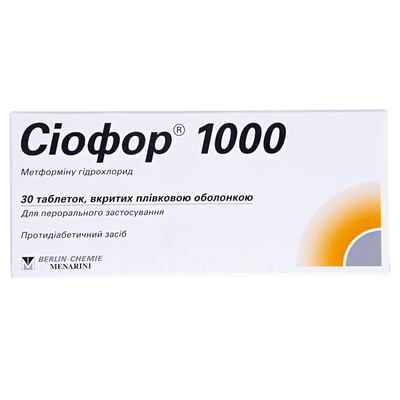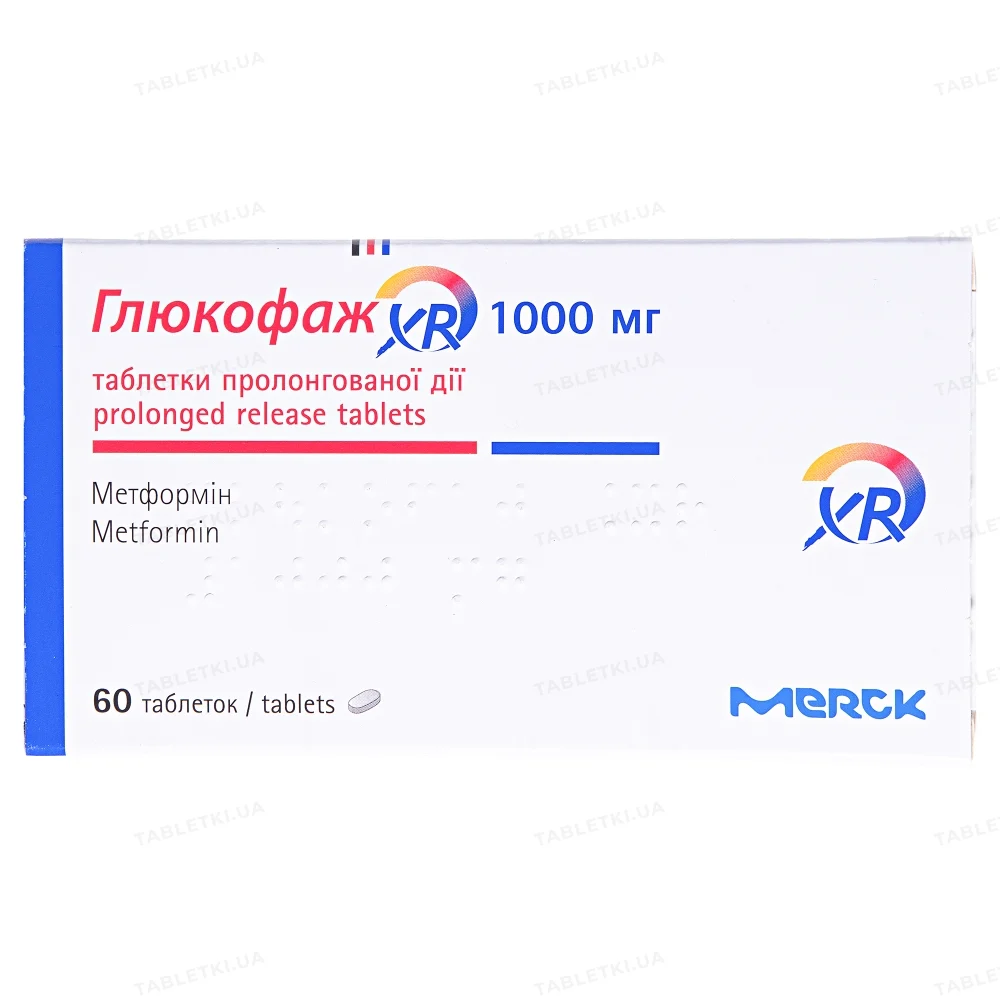
Glucophage XR Extended-Release Tablets, 1000 mg, No. 60 (10 x 6)
Composition
Active ingredient: metformin;
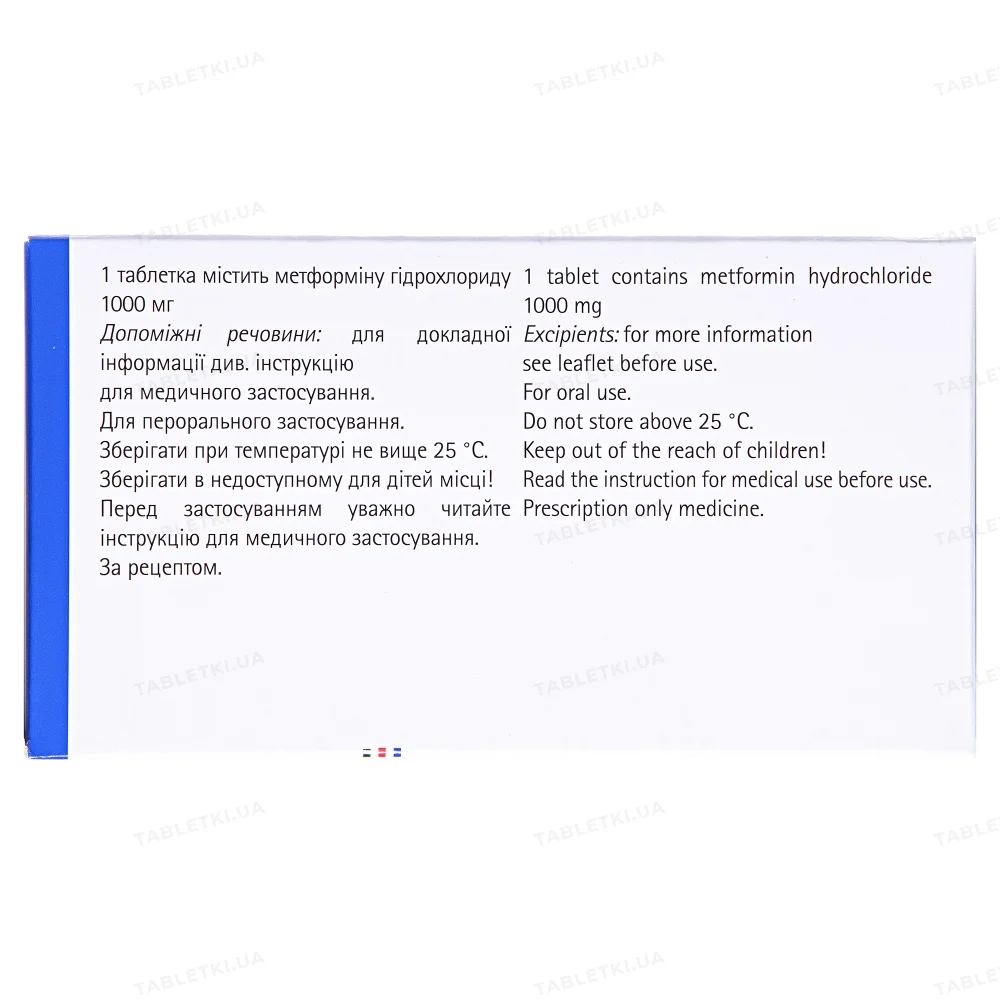
1 film-coated tablet contains 1000 mg of metformin hydrochloride;
Excipients: sodium carmellose, hypromellose 100,000 cPs, magnesium stearate.
Dosage Form
Extended-release tablets.
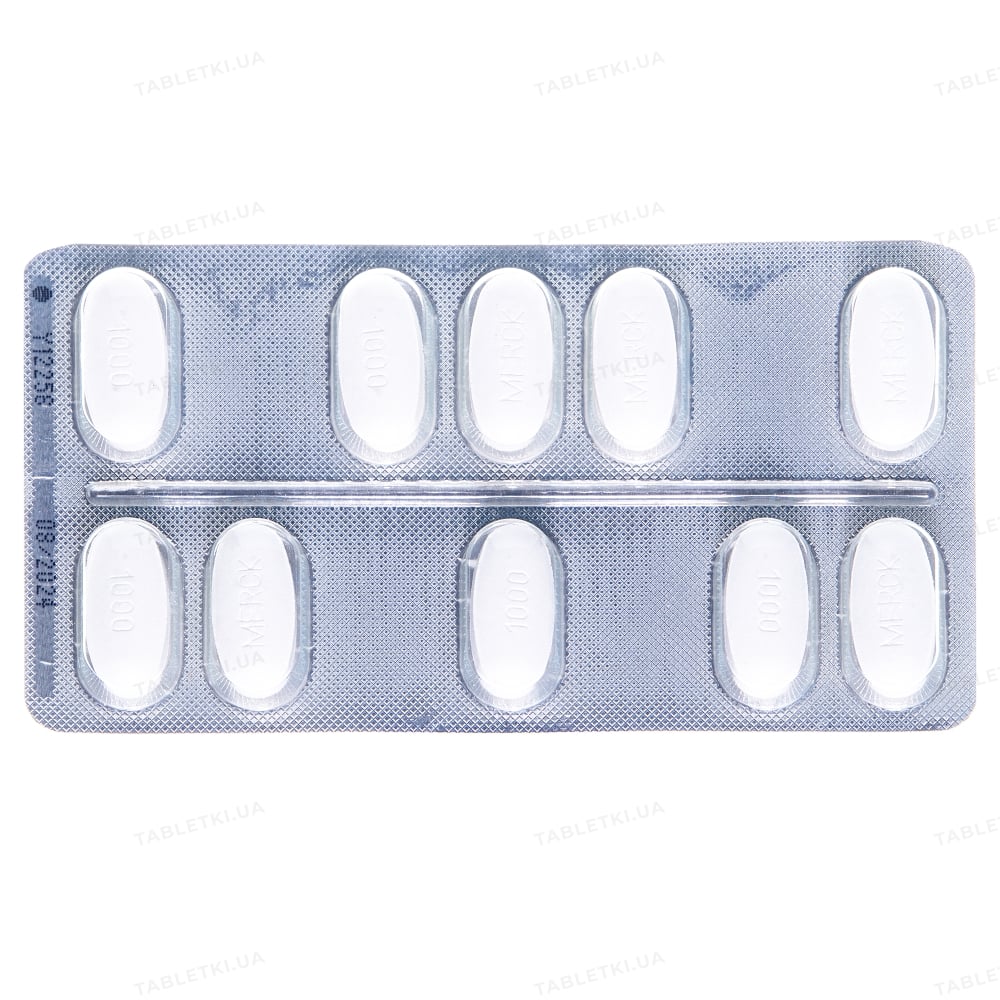
Main physical and chemical properties: white or nearly white, capsule-shaped, biconvex tablets engraved with “1000” on one side and “MERSK” on the other.
Pharmacological group
Oral hypoglycemic agents, excluding insulins.
ATC code A10B A02.
Pharmacological Properties
Pharmacodynamics.
Metformin hydrochloride is a biguanide with an antihyperglycemic effect: it lowers glucose levels both when fasting and after meals. It does not stimulate insulin secretion and does not have a hypoglycemic effect. Metformin reduces fasting hyperinsulinemia, and when combined with insulin, it reduces the need for insulin.
Metformin exerts its antihyperglycemic effect through several mechanisms:
- it reduces glucose production in the liver;
- facilitates peripheral glucose uptake and utilization, partly by enhancing the action of insulin;
- it alters glucose metabolism in the intestine: glucose uptake into the bloodstream increases, while absorption from food decreases. Additional mechanisms related to the intestine include increased release of glucagon-like peptide-1 (GLP-1) and reduced reabsorption of bile acids. Metformin alters the gut microbiome;
- it may improve the lipid profile in patients with hyperlipidemia.
In clinical trials, patients’ body weight remained stable or decreased moderately during metformin treatment.
Metformin is an activator of adenosine monophosphate-activated protein kinase (AMPK) and increases the transport capacity of all types of membrane glucose transporters (GLUT).
Pharmacodynamic effects.
Clinical studies have shown that the primary effect of metformin, aside from its hypoglycemic effect, is the stabilization or slight reduction of body weight.
Regardless of its effect on glycemia, immediate-release metformin tablets have a positive effect on lipid metabolism. This effect has been demonstrated with therapeutic doses in controlled medium- or long-term clinical studies: immediate-release metformin tablets reduce levels of total cholesterol, low-density lipoproteins, and triglycerides. A similar effect was not observed with extended-release tablets, likely due to the medication being taken in the evening. Therefore, an increase in triglyceride levels may also occur.
Clinical efficacy.
Reducing the risk or delaying the onset of type 2 diabetes.
The Diabetes Prevention Program (DPP) in adults was a multicenter, randomized, controlled clinical trial that evaluated the effectiveness of adopting a physically active lifestyle or taking metformin to prevent or delay the development of type 2 diabetes. Inclusion criteria were age ≥25 years, a BMI ≥24 kg/m² (≥22 kg/m² for Asian Americans), and impaired glucose tolerance plus a fasting glucose level of 95–125 mg/dL (or ≤125 mg/dL for American Indians). Patients were assigned to either an active lifestyle program, 2×850 mg of metformin plus standard lifestyle modifications, or a placebo plus standard lifestyle modifications.
The mean baseline values for DPP participants (n = 3,234 over 2.8 years) were as follows: age 50.6 ± 10.7 years, fasting plasma glucose level 106.5 ± 8.3 mg/dL, plasma glucose level 2 hours after an oral glucose load of 164.6 ± 17.0 mg/dL, and a BMI of 34.0 ± 6.7 kg/m². Adopting an active lifestyle in combination with metformin can significantly reduce the risk of developing diabetes compared to a placebo, 58% (95% CI 48–66%) and 31% (95% CI 17–43%), respectively.
The benefit of lifestyle changes over metformin use was greater in older patients.
Patients who benefited most from metformin treatment were those aged 45 years or older with a BMI ≥ 35 kg/m², whose baseline 2-hour glucose level was 9.6–11.0 mmol/L, a baseline HbA1C of ≥ 6.0%, or patients with gestational diabetes.
To prevent a single case of diabetes from developing over three years in the DPP patient cohort, 6.9 patients were in the active lifestyle group and 13.9 were in the metformin group. The point at which the cumulative incidence of diabetes reached 50% was delayed by approximately three years in the metformin group compared with the placebo group.
The Diabetes Prevention Program Outcomes Study (DPPOS) is a long-term follow-up of the DPP, enrolling more than 87% of the original DPP patients for further long-term follow-up.
Among DPPOS participants (n = 2,776), the cumulative incidence of diabetes at year 15 was 62% in the placebo group, 56% in the metformin group, and 55% in the active lifestyle intervention group. The overall rates were 7.0, 5.7, and 5.2 cases of diabetes per 100 patient-years in the placebo, metformin, and active lifestyle groups, respectively. Compared with the placebo group, the risk of diabetes was reduced by 18% in the metformin group (risk ratio (RR) 0.82, 95% CI 0.72–0.93; p = 0.001) and by 27% (RC 0.73, 95% CI 0.65–0.83; p < 0.0001) in the active lifestyle group. With regard to the composite microcirculatory endpoint of nephropathy, retinopathy, and neuropathy, the results did not differ significantly between the groups; however, for participants who did not develop diabetes during the DPP/DPPOS, the prevalence of microvascular complications was 28% lower than in those who developed diabetes (hazard ratio 0.72, 95% CI 0.63–0.83; p < 0.0001). There are no comparative data on the effect of metformin on macrovascular complications in patients with impaired glucose tolerance (IGT) and/or impaired fasting glucose (IFG) and/or elevated HbA1c.
Published risk factors for type 2 diabetes include: Mongoloid or Negroid ancestry, age over 40 years, dyslipidemia, hypertension, obesity or being overweight, age, family history (first-degree relative with diabetes, history of gestational diabetes, polycystic ovary syndrome (PCOS)
Treatment of type 2 diabetes.
A prospective randomized (UKPDS) study demonstrated the benefit of intensive blood glucose control in patients with type 2 diabetes who are overweight, who received immediate-release metformin hydrochloride as first-line therapy after diet therapy proved ineffective. An analysis of the results for overweight patients who received metformin hydrochloride after diet therapy proved ineffective showed:
- a significant reduction in the absolute risk of any diabetes-related complication, in the metformin hydrochloride group (29.8 cases per 1,000 patient-years) compared with the diet-only group (43.3 cases per 1,000 patient-years), p = 0.0023, and compared with the groups receiving combination therapy with sulfonylurea and insulin monotherapy (40.1 cases per 1,000 patient-years), p = 0.0034.
- a significant reduction in the absolute risk of diabetes-related mortality: metformin hydrochloride, 7.5 cases per 1,000 patient-years; diet alone, 12.7 cases per 1,000 patient-years, p = 0.017;
- a significant reduction in the absolute risk of all-cause mortality: 13.5 cases per 1,000 patient-years in the metformin hydrochloride group compared with 20.6 cases per 1,000 patient-years (p=0.011), in the diet-only group and, by comparison, in the group receiving combination therapy with sulfonylurea and insulin monotherapy; 18.9 cases per 1,000 patient-years (p=0.021);
- a significant reduction in the absolute risk of myocardial infarction: metformin hydrochloride, 11 cases per 1,000 patient-years; diet alone, 18 cases per 1,000 patient-years (p=0.01)
For metformin hydrochloride used as second-line therapy in combination with sulfonylurea, no clinical benefit was demonstrated.
In type 1 diabetes, the combination of metformin hydrochloride and insulin was used in some patients, but the clinical benefit of this combination has not been officially established.
Pharmacokinetics.
Absorption.
After oral administration of 1 Glucophage XR 1000 mg tablet by patients after a meal and on an empty stomach, the maximum plasma concentration is 1,214 ng/mL and is reached on average in 5 hours (ranging from 4 to 10 hours).
The maximum concentration (Cmax) and the area under the curve (AUC) of Glucophage XR 1000 mg are bioequivalent to a 1000 mg dose of Glucophage XR 500 mg in healthy volunteers, both after a meal and on an empty stomach.
A bioequivalent drug has the following properties.
At steady state, as with immediate-release tablets, the maximum concentration (Cmax) and area under the curve (AUC) increase disproportionately to the orally administered dose. The AUC following a single oral dose of 2,000 mg of metformin hydrochloride in the form of extended-release tablets is similar to the AUC that observed after taking 1,000 mg of metformin hydrochloride as immediate-release tablets twice daily.
The variability in Cmax and AUC among individual subjects when taking extended-release metformin hydrochloride tablets, compared to the variability observed with immediate-release metformin hydrochloride tablets.
Following administration of 1000 mg extended-release tablets after a meal, a 77% increase in AUC was observed (Cmax increased by 26% and Tmax was prolonged to 1 hour).
The absorption of metformin hydrochloride from extended-release tablets is not affected by the composition of the meal. No accumulation is observed with repeated doses of up to 2,000 mg of metformin hydrochloride in the form of extended-release tablets.
Distribution.
Plasma protein binding is negligible. Metformin penetrates red blood cells. The maximum concentration in blood is lower than the maximum concentration in plasma and is reached at approximately the same time. Red blood cells likely represent a second distribution compartment. The mean volume of distribution (Vd) ranges from 63 to 276 L.
Metabolism.
Metformin is excreted unchanged in the urine. No metabolites have been detected in humans.
Excretion.
The renal clearance of metformin is >400 mL/min. This indicates that metformin is eliminated via glomerular filtration and tubular secretion. Following oral administration, the half-life is approximately 6.5 hours. In patients with impaired renal function, renal clearance decreases in proportion to creatinine clearance; therefore, the half-life increases, leading to elevated plasma metformin levels.
Special Patient Populations.
Renal insufficiency.
There are limited data regarding patients with moderate renal insufficiency; therefore, it is not possible to accurately assess systemic metformin exposure in this patient group compared to patients with normal renal function. Therefore, dose adjustment is necessary based on clinical efficacy and tolerability (see the “Dosage and Administration” section).
Indications
- Reducing the risk or delaying the onset of type 2 diabetes in overweight adult patients with impaired glucose tolerance (IGT)* and/or impaired fasting glucose (IFG)* and/or elevated HbA1c levels who have:
- a high risk of developing overt (manifest) type 2 diabetes (see the “Pharmacodynamics” section);
- progressive carbohydrate metabolism disorders, despite lifestyle modifications over a period of 3 to 6 months.
Treatment with Glucofaz XR should be based on a risk assessment that includes appropriate measures for glycemic control and evidence of high cardiovascular risk.
Lifestyle modifications should continue in parallel with the initiation of metformin therapy, except in cases where the patient is unable to make such changes for medical reasons.
*IMG: Impaired glucose tolerance; IFG: Impaired fasting glucose.
- Treatment of type 2 diabetes in adults, especially in patients who are overweight, when diet and exercise alone do not provide adequate glycemic control.
Glucophage XR can be used as monotherapy, in combination with other oral antidiabetic agents, or in combination with insulin.
Contraindications
- Hypersensitivity to metformin or any other component of the drug;
- any type of acute metabolic acidosis (e.g., lactic acidosis, diabetic ketoacidosis);
- diabetic precoma;
- severe renal insufficiency (glomerular filtration rate (GFR) < 30 mL/min);
- acute conditions associated with a risk of renal dysfunction, such as: dehydration, severe infectious diseases, shock;
- conditions that may lead to tissue hypoxia (particularly acute conditions or exacerbations of chronic diseases): decompensated heart failure; respiratory failure; recent myocardial infarction; shock;
- liver failure, acute alcohol intoxication, alcoholism.
Drug Interactions and Other Interactions
Combinations that are not recommended.
Alcohol. Alcohol intoxication is associated with an increased risk of lactic acidosis, especially during fasting or while on a low-calorie diet, as well as in cases of hepatic failure.
Iodine-containing radiocontrast agents. Patients should discontinue metformin before or during the examination and resume no earlier than 48 hours after the examination and only after reevaluation and confirmation of normal renal function (see the sections “Dosage and Administration” and “Special Considerations”).
Combinations that should be used with caution. Certain medications, such as nonsteroidal anti-inflammatory drugs (NSAIDs), including selective cyclooxygenase (COX) II, angiotensin-converting enzyme (ACE) inhibitors, angiotensin II receptor antagonists, and diuretics, especially loop diuretics. Risk of lactic acidosis: At the start of treatment with the aforementioned medications or when they are used in combination with metformin, careful monitoring of renal function is necessary.
Drugs with hyperglycemic effects (systemic and topical glucocorticosteroids, sympathomimetics).
Blood glucose levels should be monitored more frequently, especially at the start of treatment. During and after discontinuation of concomitant therapy, the dose of Glucophage XR should be adjusted.
Organic cation transporters (OCT)
Metformin is a substrate for both OCT1 and OCT2 transporters.
Concomitant use of metformin with:
- OCT1 inhibitors (such as verapamil) may reduce the effectiveness of metformin;
- OCT1 inducers (such as rifampicin) may increase the gastrointestinal absorption and efficacy of metformin;
- OCT2 inhibitors (such as cimetidine, dolutegravir, ranolazine, trimethoprim, vandetanib, isovuconazole) may reduce the renal excretion of metformin, leading to an increase in metformin plasma concentrations;
- Inhibitors of both OCT1 and OCT2 (such as crizotinib, olaparib) may affect the efficacy and renal excretion of metformin.
Therefore, it is recommended to exercise particular caution when these drugs are used concomitantly with metformin, especially in patients with impaired renal function, as plasma metformin concentrations may increase. If necessary, consider adjusting the metformin dose, as OCT inhibitors/inducers may affect the efficacy of metformin.
Special Considerations for Use
Lactic acidosis.
Lactic acidosis is a very rare but serious metabolic complication that most often occurs during acute renal impairment, cardiopulmonary disease, or sepsis. In cases of acute renal impairment, metformin accumulates, increasing the risk of lactic acidosis.
In cases of dehydration (severe diarrhea or vomiting, fever, or reduced fluid intake), it is recommended to temporarily discontinue metformin and seek medical attention.
If a patient is taking metformin, caution should be exercised when initiating treatment with agents that may acutely impair kidney function (e.g., antihypertensive drugs, diuretics, and NSAIDs). Other risk factors for lactic acidosis include excessive alcohol consumption, hepatic insufficiency, poorly controlled diabetes mellitus, ketosis, prolonged fasting, and any conditions associated with hypoxia, as well as concomitant use of medications that may lead to lactic acidosis (see the sections “Contraindications” and “Drug Interactions and Other Interactions”).
Patients and/or their caregivers should be informed of the risk of developing lactic acidosis. Characteristic signs of lactic acidosis include acidotic dyspnea, abdominal pain, muscle cramps, asthenia, and hypothermia; coma may subsequently develop. If any symptoms of lactic acidosis appear, the patient should stop taking metformin and seek medical attention immediately.
Laboratory test results indicative of lactic acidosis include a decreased blood pH (< 7.35), elevated serum lactate concentration (> 5 mmol/L), and an increased anion gap and lactate-to-pyruvate ratio.
Renal insufficiency.
GFR should be assessed before starting treatment and regularly thereafter (see “Dosage and Administration”). Metformin is contraindicated in patients with an eGFR < 30 mL/min and should be temporarily discontinued in the presence of conditions that alter renal function (see “Contraindications”).
Cardiac function.
Patients with heart failure are at higher risk of developing hypoxia and renal failure. Metformin may be used in patients with stable chronic heart failure provided that cardiac and renal function are monitored regularly. Metformin is contraindicated in patients with acute or unstable heart failure (see the “Contraindications” section).
Elderly patients.
Due to limited data regarding the therapeutic efficacy of reducing the risk of developing type 2 diabetes or delaying its onset in patients aged 75 years or older, the use of metformin is not recommended for such patients.
Iodine-containing radiographic contrast media.
Intravascular administration of iodine-containing contrast media may cause contrast-induced nephropathy, leading to metformin accumulation and an increased risk of lactic acidosis. Patients should discontinue metformin before or during the examination and resume treatment no earlier than 48 hours after the examination and only after reevaluation and confirmation of normal renal function (see the sections “Dosage and Administration” and “Drug Interactions and Other Interactions”).
Surgical procedures.
Metformin should be discontinued during surgical procedures performed under general, spinal, or epidural anesthesia, and resume no earlier than 48 hours after surgery or the resumption of oral intake, and only after renal function has been assessed and found to be normal.
Other Precautions.
Patients should follow a diet that ensures a uniform intake of carbohydrates throughout the day. Overweight patients should continue to follow a low-calorie diet. Blood glucose levels should be monitored regularly.
Metformin may lower serum vitamin B12 levels. The risk of low vitamin B12 levels increases with higher metformin doses, longer duration of treatment, and/or the presence of risk factors known to cause vitamin B12 deficiency. If vitamin B12 deficiency is suspected (e.g., anemia or neuropathy), serum vitamin B12 levels should be monitored. Patients with risk factors for vitamin B12 deficiency may require monitoring of vitamin B12 levels. Metformin therapy should be continued as long as it is well tolerated and not contraindicated, and appropriate corrective treatment for vitamin B12 deficiency should be provided in accordance with current clinical guidelines.
Metformin monotherapy does not cause hypoglycemia; however, caution should be exercised when metformin is used concomitantly with insulin or other oral hypoglycemic agents (e.g., sulfonylureas or meglitinides). Fragments of the tablet coating may be present in the stool. This is normal and has no clinical significance.
This medication contains less than 1 mmol of sodium.
Use during pregnancy or breastfeeding.
Pregnancy.
Uncontrolled hyperglycemia during the preconception period and pregnancy is associated with an increased risk of congenital anomalies, pregnancy loss, pregnancy-induced hypertension, preeclampsia, and perinatal mortality. It is important to maintain blood glucose levels as close to normal as possible throughout pregnancy to reduce the risk of adverse effects of hyperglycemia on the mother and her baby.
Metformin crosses the placenta in amounts that may be as high as the concentrations in the mother.
A large body of data on pregnant women (more than 1,000 outcomes) from a registry-based cohort study and published results of meta-analyses and clinical trials indicates no increased risk of congenital anomalies or toxicity to the fetus/newborn due to metformin exposure during the periconceptional period and/or during pregnancy.
There are some unconfirmed data on the long-term effects of metformin on the weight of children exposed to it in utero. It appears that metformin does not affect the motor and social development of children under 4 years of age who were exposed to it in utero, although data on long-term effects are limited.
If clinically necessary, metformin may be used during pregnancy and in the preconception period as an adjunct to or alternative to insulin.
Breastfeeding.
Metformin is excreted into breast milk, but no adverse effects have been observed in breastfed newborns or infants. However, since there is insufficient data on the safety of the drug, breastfeeding is not recommended during metformin therapy. The decision to discontinue breastfeeding should be made by weighing the benefits of breastfeeding against the potential risk of side effects to the infant.
Fertility.
Metformin did not affect fertility in animals when administered at doses of 600 mg/kg/day, which were nearly three times the maximum recommended daily dose for humans based on body surface area.
Effect on reaction time when operating motor vehicles or other machinery.
Glucophage XR does not affect reaction time when driving or operating machinery, as monotherapy with this drug does not cause hypoglycemia.
However, metformin should be used with caution in combination with other hypoglycemic agents (sulfonylureas, insulin, meglitinides) due to the risk of hypoglycemia.
Dosage and Administration
Adult patients with normal renal function (eGFR ≥ 90 mL/min).
Reducing the risk of or delaying the onset of type 2 diabetes.
Metformin should be prescribed only when lifestyle changes over a period of 3–6 months do not provide adequate glycemic control.
- Treatment should begin with one 500-mg Glucophage XR tablet once daily with an evening meal.
- After 10–15 days of treatment, the dose should be adjusted based on blood glucose measurements (OGTT [oral glucose tolerance test] values and/or fasting plasma glucose levels and/or HbA1c should be within the normal range). A gradual increase in the dose may improve gastrointestinal tolerance. The maximum recommended dose of Glucophage XR 1000 mg is 2 tablets (2000 mg) taken with a meal in the evening.
- It is recommended to regularly monitor (every 3–6 months) glycemic status (OGTT [oral glucose tolerance test] results and/or fasting plasma glucose levels, and/or HbA1c), as well as risk factors, to determine whether treatment should be continued, modified, or discontinued.
- Treatment should also be reevaluated if the patient subsequently implements dietary improvements and/or physical activity, or if changes in the patient’s health status allow for lifestyle modifications.
Monotherapy or combination therapy with other oral hypoglycemic agents.
Take Glucophage XR 1000 mg once daily with an evening meal. The maximum recommended dose is 2 tablets per day.
Glucophage XR 1000 mg should be used as maintenance therapy for patients who have already been treated with metformin hydrochloride at a dose of 1000 mg or 2000 mg. When switching, the daily dose of Glucophage XR should be equivalent to the current daily dose of metformin hydrochloride.
Patients who are being treated with metformin hydrochloride at a dose exceeding 2,000 mg per day are not recommended to switch to Glucophage XR therapy.
Patients being treated with Glucophage XR should not exceed a dose of 2,000 mg per day.
For patients starting treatment, the usual initial dose of Glucophage XR is 500 mg once daily with an evening meal. After 10–15 days of treatment, the dose should be adjusted based on blood glucose levels. A gradual increase in the dose helps minimize gastrointestinal side effects.
If the desired blood glucose level cannot be achieved with Glucophage XR at the maximum dose of 2,000 mg taken once daily, this dose may be divided into two daily doses (once in the morning and once in the evening, with meals).
If the desired blood glucose level is still not achieved, Glucophage film-coated tablets may be used at the maximum recommended dose of 3,000 mg per day.
When switching from treatment with another antidiabetic medication to Glucophage XR 1000 mg, it is necessary to titrate the dose and start with Glucophage XR 500 mg.
Combination therapy with insulin.
To achieve better control of blood glucose levels, metformin and insulin may be used in combination therapy. The usual starting dose of Glucophage XR is 500 mg once daily with an evening meal; the insulin dose should then be adjusted based on blood glucose measurements.
Glucophage XR, extended-release tablets, 1000 mg, may be used after dose titration.
In elderly patients.
Renal function may be impaired; therefore, the metformin dose must be adjusted based on an assessment of renal function, which should be performed regularly (see the “Special Considerations” section).
No benefit in reducing the risk of developing type 2 diabetes or delaying its onset has been established in patients aged 75 years and older (see the “Pharmacodynamics” section), therefore, metformin is not recommended for such patients (see “Special Considerations for Use”).
Renal insufficiency.
GFR should be assessed before starting treatment with metformin-containing medications and at least annually after treatment begins. In patients at increased risk of further progression of renal insufficiency and in elderly patients, renal function should be monitored closely as frequently as possible, for example, every 3–6 months.
| eGFR
(mL/min) |
Total maximum daily dose | Additional recommendations |
| 60–89 | 2,000 mg | In cases of reduced renal function, it is recommended to consider reducing the dose. |
| 45–59 | 2,000 mg | Factors that may increase the risk of lactic acidosis (see the “Special Considerations” section) should be evaluated before starting treatment with metformin.
The starting dose should not exceed half the maximum dose. |
| 30–44 | 1,000 mg | |
| <30 | - | The use of metformin is contraindicated. |
Children. Do not administer this medication to children, as there are no clinical data available for this age group.
Overdose
No hypoglycemia was observed when the drug was administered at a dose of 85 g. However, lactic acidosis did develop in this case. A significant excess of the metformin dose or concomitant risk factors may cause lactic acidosis. Lactic acidosis is a medical emergency. If lactic acidosis develops, treatment with Glucophage XR must be discontinued, and the patient must be hospitalized immediately. Hemodialysis is the most effective method for removing lactate and metformin from the body.
Side Effects
According to data from postmarketing and controlled clinical studies, adverse reactions in patients taking Glucophage XR were similar in nature and severity to those in patients taking Glucophage (with immediate release of the active ingredient).
The most common adverse reactions at the start of treatment are nausea, vomiting, diarrhea, abdominal pain, and loss of appetite. In most cases, these symptoms resolve on their own.
Adverse effects are classified by frequency of occurrence into the following categories:
very common (>1/10), common (>1/100 and <1/10), uncommon (>1/1,000 and <1/100), rare (>1/10,000 and <1/1,000), very rare (<1/10,000).
Metabolic disorders.
Common: decreased levels/deficiency of vitamin B12 (see the “Special Precautions for Use” section).
Very rare: lactic acidosis (see the “Special Precautions for Use” section).
Nervous system disorders.
Common: taste disturbance.
Gastrointestinal disorders.
Very common: gastrointestinal disorders such as nausea, vomiting, diarrhea, abdominal pain, and loss of appetite. These side effects most often occur at the start of treatment and, in most cases, resolve spontaneously. To prevent gastrointestinal side effects, a gradual increase in the dose is recommended.
Hepatobiliary system.
Very rare: isolated reports of abnormal liver function tests or hepatitis resolve completely after discontinuation of metformin.
Skin and subcutaneous tissue disorders.
Very rare: allergic skin reactions, including erythema, pruritus, and urticaria.
Reports of Adverse Reactions.
Reporting adverse reactions after a drug’s approval is crucial. This allows for monitoring the benefit-risk ratio when using this drug. Healthcare and pharmaceutical professionals, as well as patients or their legal representatives, should report all cases of suspected adverse reactions and lack of efficacy of the drug through the Automated Pharmacovigilance Information System at: https://aisf. dec.gov.ua/.
Shelf life
4 years.
Storage conditions
Store at a temperature not exceeding 25 °C. Keep out of reach of children!
Packaging
10 tablets per blister pack; 3 or 6 blister packs per cardboard box.
Manufacturer
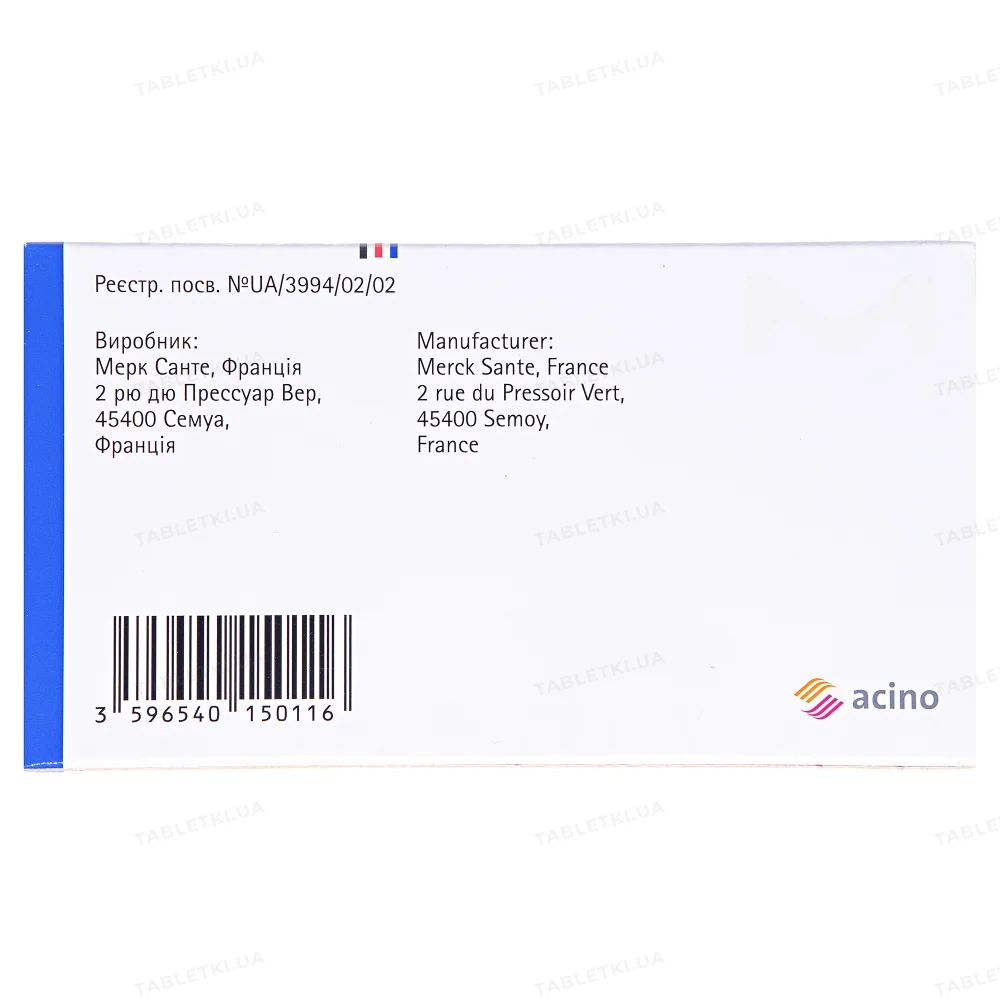
Merck Sante, France.
Merck Healthcare KGaA, Germany.
Address
2 rue du Pressoir Vert, 45400 Semoy, France.
Frankfurter Strasse 250, 64293 Darmstadt, Germany.