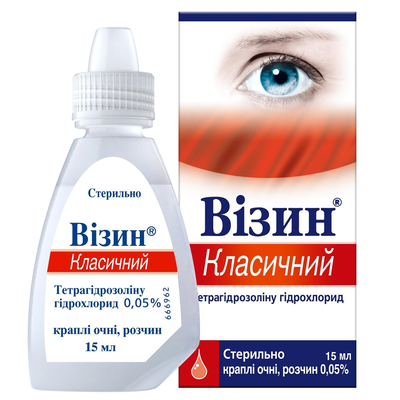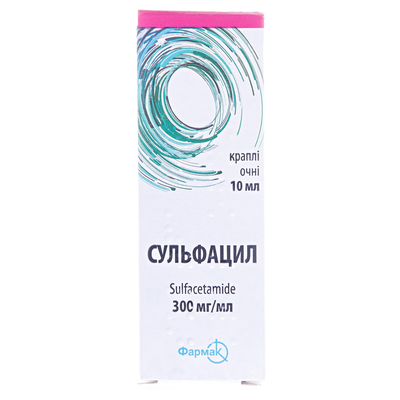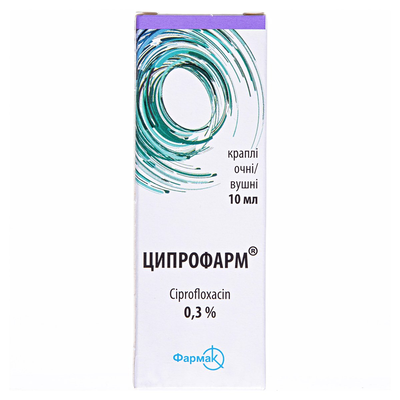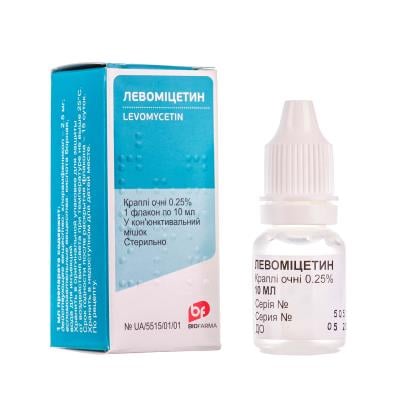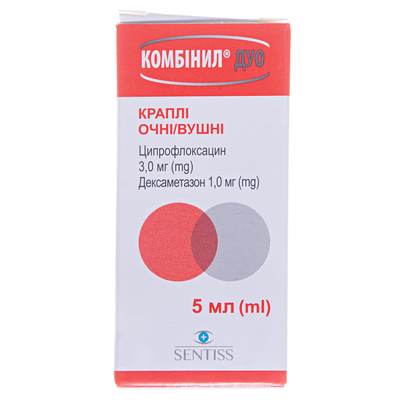
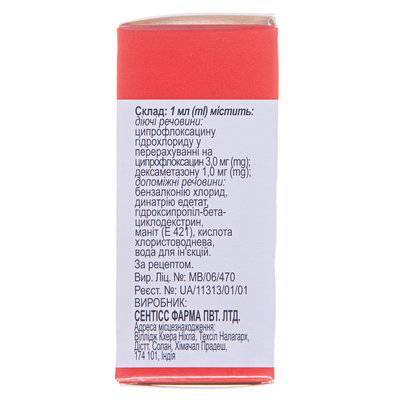

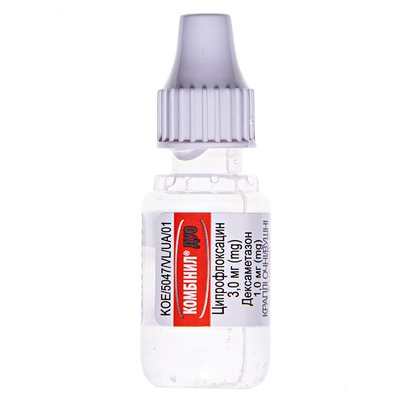
Combinil Duo Eye/Ear Drops, 5 mL each in a dropper bottle with a screw cap.
Composition
Active ingredients: ciprofloxacin hydrochloride, dexamethasone;
1 mL contains 3.0 mg of ciprofloxacin hydrochloride (equivalent to 3.0 mg of ciprofloxacin) and 1.0 mg of dexamethasone;
Excipients: disodium edetate, benzalkonium chloride, mannitol (E 421), hydroxypropyl-beta-cyclodextrin, hydrochloric acid, water for injection.
Dosage Form
Eye/ear drops.
Main physical and chemical properties: a clear, colorless or pale yellow liquid.
Pharmacotherapeutic group
Combination products containing corticosteroids and antimicrobials. Dexamethasone and antimicrobials. ATC code S0ZC A01.
Pharmacological properties
Pharmacodynamics.
Ciprofloxacin. The active ingredient—ciprofloxacin hydrochloride—belongs to the quinolone class. The bactericidal action of quinolones, which primarily affects bacterial DNA synthesis, is directed at inhibiting DNA gyrase.
Ciprofloxacin exhibits high in vitro activity against most Gram-negative organisms, including Pseudomonas aeruginosa. It is also effective against aerobic Gram-positive microorganisms, such as staphylococci and streptococci.
Ciprofloxacin is active against:
aerobic Gram-positive microorganisms: Staphylococcus aureus (including methicillin-sensitive or -resistant strains), Staphylococcus epidermidis, Staphylococcus spp., other coagulase-negative species of Staphylococcus spp., including S. haemolyticus and S. hominis, Corynebacterium spp., Streptococcus pneumoniae, and Viridans group streptococci;
aerobic Gram-negative microorganisms: Acinetobacter spp., Haemophilus influenzae, Pseudomonas aeruginosa, Moraxella spp. (including M. catarrhalis).
Ciprofloxacin is active against pathogens isolated from patients with acute otitis media via tympanostomy tubes.
Due to its specific mechanism of action, there is no cross-resistance between ciprofloxacin and other antibacterial agents with different chemical structures, such as beta-lactam antibiotics, aminoglycosides, tetracyclines, macrolides, and peptides, as well as sulfonamides, trimethoprim derivatives, and nitrofurans. Thus, microorganisms resistant to these drugs may be susceptible to ciprofloxacin.
Dexamethasone. The general mechanism of the anti-inflammatory action of corticosteroids involves the inhibition of vascular adhesion molecules on endothelial cells, cyclooxygenase I or II, and the release of cytokines. As a result, the production of inflammatory mediators is reduced, and leukocyte adhesion to the vascular endothelium is inhibited, thereby preventing their penetration into the inflamed tissues of the eye.
Pharmacokinetics.
Ciprofloxacin. After topical application to the eye(s), ciprofloxacin is well absorbed. Systemic absorption of ciprofloxacin following instillation into the eye is low.
Ciprofloxacin is rapidly distributed throughout the body’s tissues, with tissue levels generally higher than plasma levels. The volume of distribution at steady state ranges from 1.7 to 2.71 L/kg. Serum protein binding ranges from 16% to 43%. The half-life of ciprofloxacin in serum is 3 to 5 hours. 15–50% of the dose is excreted unchanged in the urine, and 10–15% as metabolites within 24 hours. Approximately 20% to 40% of the dose is excreted unchanged in the feces and as metabolites over the course of 5 days.
Dexamethasone. After instillation into the eye, the drug penetrates well into the corneal epithelium and conjunctival cells. After instillation into the conjunctival sac, therapeutic concentrations are achieved in the aqueous humor. The maximum level of dexamethasone in the intraocular fluid was approximately 30 ng/mL and was reached within 2 hours. This was followed by a decline in concentration with a half-life of 3 hours. Dexamethasone is eliminated from the body through metabolism. Approximately 60% of the dose is excreted in the urine as 6-β-hydroxydexamethasone. No unchanged dexamethasone was detected in the urine. The plasma half-life is relatively short—3–4 hours. Dexamethasone is approximately 77–84% bound to serum albumin. Clearance ranges from 0.111 to 0.225 L/h/kg, and the volume of distribution ranges from 0.576 to 1.15 L/kg.
Indications
Acute otitis media of the external ear, as well as acute otitis media with drainage via a tympanostomy tube, caused by bacterial strains susceptible to ciprofloxacin.
Inflammatory eye diseases in patients for whom corticosteroids are indicated and who have a superficial bacterial infection caused by bacterial strains susceptible to ciprofloxacin.
Contraindications
- Hypersensitivity to dexamethasone, ciprofloxacin, other fluoroquinolones, or any other component of the drug;
- viral keratitis;
- herpetic infection (herpetic keratitis, herpes simplex);
- purulent infections of the ocular mucosa and eyelids;
- tuberculous lesions of the eyes or ears;
- smallpox, chickenpox, and other viral infections of the conjunctiva and cornea;
- Vaccinations;
- viral infections of the ears;
- fungal infections of the eyes;
- acute, untreated bacterial infections;
- mycobacterial eye infections.
Interactions with Other Medications and Other Forms of Interaction
Since the drug is applied topically, interactions with systemically administered drugs are unlikely.
However, interactions between ciprofloxacin and the following systemic medications cannot be ruled out:
- Drugs that prolong the QT interval: Ciprofloxacin, like other fluoroquinolones, should be prescribed with caution to patients receiving drugs that prolong the QT interval (e.g., Class IA and III antiarrhythmics, tricyclic antidepressants, macrolides, neuroleptics) (see Section 4.4).
- Chelation: Concomitant use of ciprofloxacin (oral) with medications containing polyvalent cations and mineral supplements (e.g., calcium, magnesium, aluminum, iron), phosphate-binding polymers (e.g., sevelamer or lanthanum carbonate), sucralfate or antacids, as well as drugs with high buffering capacity (e.g., didanosine tablets) containing magnesium, aluminum, or calcium, reduces the absorption of ciprofloxacin. Therefore, ciprofloxacin should be taken either 1–2 hours before or at least 4 hours after taking these medications. This restriction does not apply to antacids belonging to the class of H2-receptor blockers.
- Food and dairy products: Calcium found in food has little effect on absorption. However, the simultaneous use of ciprofloxacin with dairy or mineral-fortified products (such as milk, yogurt, or orange juice with a high calcium content) should be avoided, as the absorption of ciprofloxacin may be reduced.
- Probenecid: Probenecid affects the renal excretion of ciprofloxacin. Concomitant use of probenecid and ciprofloxacin leads to increased serum concentrations of ciprofloxacin.
- Omeprazole: Concomitant use of ciprofloxacin and omeprazole-containing medications results in a slight decrease in the Cmax and AUC of ciprofloxacin.
- Theophylline: When used concomitantly with this drug, the concentration of theophylline in serum may increase and its half-life may be prolonged, which, in turn, increases the risk of theophylline-related adverse effects. In rare cases, such adverse reactions may be life-threatening or fatal. Therefore, when ciprofloxacin and theophylline are used concomitantly, theophylline serum concentrations should be monitored, and the dose should be reduced if necessary.
- Caffeine and other xanthine derivatives: Like all quinolones, ciprofloxacin has the ability to reduce the rate of caffeine metabolism, which, in turn, increases caffeine clearance and prolongs its half-life. Following concomitant use of ciprofloxacin and caffeine or pentoxifylline (oxpentifylline), increased serum concentrations of these xanthine derivatives have been reported.
- Drugs containing polyvalent cations (magnesium, aluminum): magnesium- and aluminum-containing antacids, bismuth subsalicylate, sucralfate, Products containing calcium, iron, or zinc significantly reduce their absorption, resulting in lower levels in blood serum and urine;
- Pirenepine: delays but does not reduce the absorption of ciprofloxacin;
- phenytoin: generally does not interact with ciprofloxacin, but there are isolated reports of decreased levels in patients receiving ciprofloxacin;
- sulfonylureas: may occasionally cause hypoglycemia when used concomitantly;
- methotrexate: Concomitant use may reduce the rate of renal elimination of methotrexate, increasing the risk of elevated methotrexate levels;
- Nonsteroidal anti-inflammatory drugs (NSAIDs): Concomitant use of high doses of NSAIDs (except for acetylsalicylic acid) with quinolones may trigger seizures.
- Tizanidine. This drug should not be used concomitantly with ciprofloxacin (see the “Contraindications” section). In a clinical study involving healthy volunteers, the concomitant use of ciprofloxacin and tizanidine resulted in increased plasma concentrations of tizanidine (a 7-fold increase in the Cmax range, ranging from 4 to 21 times; a 10-fold increase in AUC, range 6–24-fold). Elevated tizanidine concentrations in serum may lead to hypotensive and sedative adverse reactions.
- Cyclosporine: A transient increase in serum creatinine has been observed with the concomitant use of ciprofloxacin and cyclosporine-containing medications. Therefore, frequent (twice weekly) monitoring of serum creatinine levels is necessary in these patients.
- Vitamin K antagonists: Concomitant use of ciprofloxacin and vitamin K antagonists may enhance their anticoagulant effect. The degree of risk may vary depending on the underlying type of infection, age, and the patient’s general condition; therefore, it is difficult to accurately assess the effect of ciprofloxacin on increases in the international normalized ratio (INR). Frequent monitoring of the INR should be performed during and immediately after the concurrent use of ciprofloxacin and vitamin K antagonists (e.g., warfarin, acenocoumarol, phenprocoumon, fluindione).
- Duloxetine: Clinical studies have shown that the concomitant use of duloxetine with potent CYP450 1A2 inhibitors, such as fluvoxamine, may lead to an increase in the AUC and Cmax of duloxetine. Although there are no clinical data on a possible interaction with ciprofloxacin, similar effects can be expected with concomitant use of these drugs.
- Ropinirole: Clinical studies have shown that the concomitant use of ropinirole with ciprofloxacin, a moderate inhibitor of the CYP450 1A2 isoenzyme, increases the Cmax and AUC of ropinirole by 60% and 84%, respectively. Monitoring for ropinirole side effects and appropriate dose adjustment are recommended during and immediately after concomitant use with ciprofloxacin.
- Lidocaine: It has been shown that concomitant use of ciprofloxacin, a moderate inhibitor of cytochrome P450 1A2 isoenzymes, and lidocaine-containing medications reduces the intravenous clearance of lidocaine by 22% in healthy individuals. Although lidocaine therapy is generally well tolerated, interactions with ciprofloxacin are possible, which may result in adverse reactions when these drugs are used concomitantly.
- Clozapine. Following 7 days of concomitant administration of 250 mg of ciprofloxacin with clozapine, serum concentrations of clozapine and N-desmethylclozapine increased by 29% and 31%, respectively. Clinical monitoring and appropriate adjustment of the clozapine dose are recommended during and immediately after concomitant use with ciprofloxacin.
- Sildenafil. The Cmax and AUC of sildenafil were approximately doubled in healthy volunteers following concomitant oral administration of 50 mg of sildenafil and 500 mg of ciprofloxacin. Therefore, caution should be exercised when ciprofloxacin is used concomitantly with sildenafil, and the risk-benefit ratio should be considered.
- H2-receptor antagonists: do not affect the pharmacokinetics of ciprofloxacin.
- Metoclopramide: no interaction occurs when used concomitantly.
Interactions between dexamethasone and the following systemic medications cannot be ruled out:
- aminoglutethamide: as an enzyme-inducing agent, it increases the metabolism and clearance of steroids in the liver, thereby enhancing their effects;
- amphotericin B and other potassium-depleting drugs: concurrent use may cause hypokalemia, nasal congestion, and heart failure;
- Macrolide antibiotics: cause a significant decrease in corticosteroid clearance.
- Anticholinesterase drugs: Concomitant use of anticholinesterase drugs and corticosteroids may cause severe weakness in patients with myasthenia gravis. If possible, anticholinesterase drugs should be discontinued at least 24 hours before starting corticosteroid therapy.
- Anticoagulants: Concomitant use of corticosteroids with warfarin may reduce the activity of warfarin; therefore, the anticoagulant effect should be monitored;
- Hypoglycemic agents: Since corticosteroids may increase blood glucose levels, the dose of antidiabetic medications may need to be adjusted.
- Cholestyramine: May increase the clearance of corticosteroids;
- Cyclosporine: Drug interactions may cause seizures;
- Digitalis glycosides: Concomitant use may exacerbate arrhythmias and seizures;
- Ephedrine: when used in combination with corticosteroids, the metabolism of the latter may increase, leading to a decrease in blood levels and, consequently, in the activity of corticosteroids;
- estrogens (including oral contraceptives): Concomitant use reduces the rate of hepatic metabolism of corticosteroids, thereby enhancing their effects;
- inducers, inhibitors, and substrates of liver enzymes: barbiturates, phenytoin, carbamazepine, rifampicin, and other substances that enhance the action of liver enzymes, thereby reducing corticosteroid levels in the body;
ketoconazole and macrolides (erythromycin) enhance the effects of corticosteroids;
Dexamethasone reduces the activity of cytochrome CYP3A4; therefore, concomitant use of drugs metabolized by this cytochrome (indinavir, erythromycin) reduces the serum concentrations of these drugs; CYP3A4 inhibitors (including ritonavir and cobicistat) may reduce the clearance of dexamethasone and/or increase the risk of adrenal suppression or Cushing’s syndrome. Such combinations should be avoided unless the benefit outweighs the risk of increased systemic side effects of corticosteroids; in such cases, the systemic effects of corticosteroids must be carefully monitored.
Nonsteroidal anti-inflammatory drugs (NSAIDs): Concomitant use increases the risk of gastrointestinal complications and hypoprothrombinemia; Glucocorticoids may increase the requirement for salicylates as plasma salicylate clearance increases. Concomitant use of topical steroids and topical nonsteroidal anti-inflammatory drugs (NSAIDs) increases the risk of complications in corneal wound healing.
- Ketoconazole: Ketoconazole is known to reduce the metabolism of certain corticosteroids by 60%, leading to an increased risk of corticosteroid effects. In addition, ketoconazole may inhibit the synthesis of adrenal corticosteroids and cause adrenal insufficiency during corticosteroid withdrawal.
- Phenytoin: Postmarketing studies show fluctuations in phenytoin levels when used concomitantly with dexamethasone, which reduces the effectiveness of seizure control.
- Antituberculosis drugs: Serum concentrations of isoniazid may be reduced; rifampin reduces corticosteroid levels in the body;
- skin tests: corticosteroids may suppress the reaction to skin tests;
- thalidomide: caution is advised, as toxic epidermal necrolysis has been reported with concomitant use of thalidomide;
- Vaccines: Patients receiving corticosteroid therapy may exhibit a reduced response to toxoid and live or inactivated vaccines due to suppression of the antibody response. Corticosteroids may also enhance the replication of certain microorganisms contained in live attenuated vaccines. Particular caution should be exercised when administering a live viral vaccine to any patient receiving steroid therapy.
- Anticholinergic agents: Long-term use of dexamethasone with anticholinergic agents (especially atropine and chemically related compounds) causes an increase in intraocular pressure.
- Antiglaucoma medications: Dexamethasone should not be combined with medications used to treat glaucoma; moreover, such a combination should not be used for prolonged periods or in high doses, as this may lead to increased intraocular pressure.
- Drugs that affect accommodation: Concomitant use of dexamethasone with agents that affect ocular accommodation or dilate the pupil increases the risk of elevated intraocular pressure (especially in patients prone to angle-closure glaucoma).
- Contact lenses: The use of contact lenses increases the risk of infections.
- Phosphates: When used concomitantly with ophthalmic preparations containing phosphates, there is an increased risk of corneal deposits or opacities, especially in patients with corneal damage.
If it is necessary to use several topical eye medications simultaneously, wait at least 5 minutes between applications. Eye ointments should be applied last.
Special Considerations
In cases of acute purulent eye infections, corticosteroids may mask or exacerbate the infection.
Special warnings and precautions for use related to ciprofloxacin.
Hypersensitivity to the drug.
Since a portion of the drug may enter the systemic circulation during treatment, severe hypersensitivity reactions (anaphylactic reactions) may occur in patients receiving quinolone therapy, and in some patients after the first dose.
Some reactions have been accompanied by cardiovascular collapse, loss of consciousness, tingling, swelling of the throat or face, shortness of breath, hives, and itching. Severe anaphylactic reactions require immediate emergency treatment with epinephrine and other resuscitative measures, including oxygen therapy, intravenous fluid administration, intravenous antihistamines, corticosteroids, vasopressor amines, and mechanical ventilation as clinically indicated.
Photosensitivity
Moderate to severe photosensitizing and phototoxic effects have been reported with the use of quinoline drugs, manifesting as severe sunburn in patients exposed to direct sunlight. Since a portion of the drug may enter the systemic circulation and cause such reactions, excessive exposure to sunlight should be avoided. In the event of phototoxicity, the drug should be discontinued.
Superinfections.
Prolonged use of ciprofloxacin, as with any other antibacterial drug, may lead to the development of superinfection. When using the drug, the risk of it entering the nasopharynx should be considered, as this may contribute to the emergence and spread of bacterial resistance.
If the medication is instilled into the ear, medical monitoring should be conducted to allow for the timely implementation of other therapeutic measures.
When using other eye medications concurrently, allow at least a 5-minute interval between applications. After instillation, it is recommended to close the eyelids tightly or perform nasolacrimal occlusion to reduce systemic absorption of the medication administered to the eye, thereby lowering the risk of systemic side effects.
Alcohol.
Concomitant use of this medication with alcohol leads to an increase in the severity of adverse reactions.
Treatment with ciprofloxacin should be discontinued at the first signs of a skin rash or any other sign of a hypersensitivity reaction.
Musculoskeletal system.
As a general rule, ciprofloxacin should not be used in patients with a history of tendon disorders or quinolone-associated tendon disorders. Tendon inflammation and rupture may occur with systemic therapy with fluoroquinolones, including ciprofloxacin, especially in elderly patients and in patients concurrently receiving corticosteroid therapy. If any signs of tendinitis (such as painful swelling or inflammation) appear, treatment with eye or ear drops should be discontinued.
Ciprofloxacin should be used with caution in patients with myasthenia gravis due to the potential for exacerbation of symptoms of this condition (see the “Side Effects” section).
Central Nervous System.
Ciprofloxacin, like other quinolones, is known to cause seizures or lower the seizure threshold. Cases of status epilepticus have been reported. Ciprofloxacin should be used with caution in patients with CNS disorders who may be predisposed to seizures. If seizures occur, ciprofloxacin should be discontinued (see the “Side Effects” section). Psychotic reactions may occur even after the first dose of ciprofloxacin. In rare cases, depression or psychosis may progress to suicidal thoughts and actions, such as suicide or attempted suicide. In such cases, ciprofloxacin should be discontinued.
Cases of polyneuropathy (based on neurological symptoms such as pain, burning, sensory disturbances, or muscle weakness, either alone or in combination) have been reported in patients receiving ciprofloxacin. Ciprofloxacin should be discontinued in patients with symptoms of neuropathy, including pain, burning, tingling, numbness, and/or weakness, to prevent the development of irreversible conditions (see the “Side Effects” section).
Cardiac disorders.
Fluoroquinolones, including ciprofloxacin, should be used with caution in patients with known risk factors for QT interval prolongation, including:
- those with a hereditary QT prolongation syndrome;
- concomitant use of drugs capable of prolonging the QT interval (e.g., Class IA and III antiarrhythmics, tricyclic antidepressants, macrolides, neuroleptics);
- uncorrected electrolyte imbalances (e.g., hypokalemia, hypomagnesemia);
- in the presence of heart disease (e.g., heart failure, myocardial infarction, bradycardia).
Elderly patients and women may be more sensitive to drugs that prolong the QTc interval. Therefore, fluoroquinolones, including ciprofloxacin, should be used with caution in these patient groups (see the sections “Dosage and Administration,” “Interactions with Other Medications and Other Forms of Interaction,” “Side Effects,” and “Overdose”).
Hypoglycemia.
As with other quinolones, hypoglycemia was most common among patients with diabetes mellitus, primarily in elderly patients. It is recommended to closely monitor blood glucose levels in all patients with diabetes (see the “Side Effects” section).
Gastrointestinal tract.
The onset of severe and persistent diarrhea during or after treatment (even several weeks after treatment) may indicate the development of antibiotic-associated colitis (a life-threatening condition with a potentially fatal outcome) and may require urgent treatment (see the “Side Effects” section). In such cases, ciprofloxacin should be discontinued and appropriate therapy initiated. Drugs that inhibit peristalsis are contraindicated in this clinical situation.
Kidneys and Urinary System.
Crystalluria associated with the use of ciprofloxacin has been reported (see the “Side Effects” section). Patients taking ciprofloxacin should receive adequate fluid intake. Excessive urine alkalinity should be avoided.
Renal impairment.
Since ciprofloxacin is excreted by the kidneys primarily in an unchanged form, in patients with impaired renal function, the dose should be adjusted in accordance with the “Dosage and Administration” section to avoid an increased incidence of adverse reactions caused by ciprofloxacin accumulation.
Hepatobiliary system.
Cases of hepatic necrosis and life-threatening hepatic failure have been reported with the use of ciprofloxacin (see the “Side Effects” section). If any signs or symptoms of liver disease appear (such as anorexia, jaundice, dark urine, itching, or tenderness of the anterior abdominal wall), treatment should be discontinued.
Glucose-6-phosphate dehydrogenase deficiency.
Hemolytic reactions have been reported with the use of ciprofloxacin in patients with glucose-6-phosphate dehydrogenase deficiency. Ciprofloxacin should be avoided in such patients unless the potential benefit outweighs the potential risk. In such cases, patients should be monitored for the possible onset of hemolysis.
Resistance.
During or after treatment with ciprofloxacin, resistant bacteria may be isolated, with or without clinically evident superinfection. There is a certain risk of isolating ciprofloxacin-resistant bacteria during prolonged courses of treatment and when treating nosocomial infections and/or infections caused by Staphylococcus and Pseudomonas species.
Cytochrome P450.
Ciprofloxacin inhibits CYP1A2 and, consequently, may cause an increase in serum concentrations of concomitantly administered substances that are also metabolized by this enzyme (e.g., theophylline, clozapine, olanzapine, ropinirole, tizanidine, duloxetine). Therefore, patients taking these substances concomitantly with ciprofloxacin should be closely monitored for possible clinical signs of overdose. It may also be necessary to measure serum concentrations (e.g., of theophylline) (see the section “Interactions with Other Medications and Other Interactions”).
Effects on Laboratory Test Results.
In vitro, ciprofloxacin may affect the results of bacteriological testing for Mycobacterium tuberculosis by inhibiting the growth of mycobacterial cultures, which may lead to false-negative bacteriological test results in patients taking ciprofloxacin.
Special warnings and precautions for use related to dexamethasone.
- To prevent possible systemic absorption after instillation of the medication, the tear ducts should be held closed with a finger for 2–3 minutes.
- Prolonged treatment with topical ophthalmic corticosteroids may lead to ocular hypertension and/or glaucoma, with subsequent damage to the optic nerve, decreased visual acuity, and subcapsular cataracts of the posterior chamber of the eye. With prolonged use of corticosteroids in the eye for 10 days or more, intraocular pressure should be monitored regularly and frequently (especially in patients who have previously experienced elevated intraocular pressure due to steroid use, in patients with high intraocular pressure prior to starting steroid therapy, and in patients with glaucoma). This is particularly important in children, as the risk of developing corticosteroid-induced ocular hypertension is higher in children. The risk of corticosteroid-induced increased intraocular pressure and/or corticosteroid-induced cataracts is increased in predisposed patients (e.g., patients with diabetes mellitus).
- Topical corticosteroids should not be used for more than one week, except under close medical supervision and with regular monitoring of intraocular pressure.
- Given the potential for systemic absorption of dexamethasone, Cushing’s syndrome and/or adrenal suppression may occur, especially following prolonged, continuous use of dexamethasone eye drops in susceptible patients, including children and patients taking CYP3A4 inhibitors (such as ritonavir and cobicistat). In such cases, treatment should be discontinued gradually.
- Corticosteroids may reduce resistance to bacterial, viral, or fungal infections and mask the clinical signs of infection, preventing the detection of antibiotic ineffectiveness. Fungal infections of the cornea are particularly common with long-term steroid use. If corneal ulcers are persistent, a fungal infection should be ruled out in patients receiving corticosteroid therapy. Treatment should be discontinued if a fungal infection is suspected.
- Topical corticosteroids applied to the eye may delay the healing of corneal wounds. Concomitant use of topical NSAIDs and corticosteroids may contribute to healing problems. (See the “Interactions with Other Medications and Other Interactions” section.)
- It is known that in the presence of conditions that lead to thinning of the cornea or sclera, topical corticosteroids may cause perforation.
- Visual disturbances may occur due to systemic and topical corticosteroids. If blurred vision or other visual disturbances occur, consult an ophthalmologist to determine possible causes, which may include cataracts, glaucoma, or other rare conditions, such as central serous chorioretinopathy, which have been reported following systemic corticosteroid use.
- This medication should be used with extreme caution and only in combination with antiviral therapy when treating stromal keratitis or uveitis caused by herpes simplex. Herpes simplex of the eye has occurred in patients receiving systemic or topical corticosteroid therapy used to treat other conditions. The use of corticosteroids in the treatment of herpes simplex, with the exception of epithelial keratitis caused by herpes simplex—for which corticosteroids are contraindicated—requires special caution; periodic slit-lamp biomicroscopy is necessary.
- In addition, the product contains benzalkonium chloride as a preservative, which may cause irritation and discoloration of soft contact lenses.
- Benzalkonium chloride may cause eye irritation, especially in patients with symptoms of dry eyes or diseases of the cornea (the transparent front layer of the eye).
- Treatment should not be discontinued prematurely, as abrupt discontinuation of topical treatment with high doses of steroids may cause recurrent eye inflammation.
- In acute purulent eye conditions, corticosteroids may mask infections or spread an existing infection. If treatment lasts longer than 10 days, intraocular pressure should be monitored.
- During long-term treatment with dexamethasone, the cornea should be examined using a fluorescein test, and intraocular pressure should be monitored. If the fluorescein test is positive or intraocular pressure increases, treatment with the drug should be discontinued.
- Cases of corneal calcification requiring corneal transplantation to restore vision have been reported in patients receiving phosphate-containing ophthalmic medications. At the first signs of corneal calcification, use of the product must be discontinued, and the patient must be treated with phosphate-free medications.
In patients with hypersensitivity, intraocular pressure may rise even after administration of normal doses. The recommended duration of treatment should not be exceeded, except in cases where the expected therapeutic benefit outweighs the risk; intraocular pressure should be monitored continuously.
Corticosteroids should not be used following uncomplicated removal of a foreign body from the eye or in the presence of an infection or injury limited to the superficial corneal epithelium.
Patients with kidney or liver disease.
The use of this medication in ophthalmology/otolaryngology in patients with impaired liver or kidney function has not been studied; however, since dexamethasone has low systemic absorption, no dose adjustment is necessary when using eye/ear drops.
To prevent contamination of the dropper tip and the medication, take care not to touch the eyelids, surrounding areas, or other surfaces with the tip of the dropper bottle.
Children.
Due to a lack of safety data, this medication should not be used in children.
Pregnancy and lactation.
Do not use during pregnancy or lactation.
It is unknown whether ciprofloxacin and dexamethasone are excreted in breast milk following topical application; therefore, breastfeeding should be discontinued if necessary.
Fertility.
Reproductive studies conducted in rats and mice with ciprofloxacin at doses 6 times higher than the usual daily oral dose in humans found no evidence of impaired fertility or harm to the fetus. In rabbits, ciprofloxacin, like most antimicrobial agents, when administered orally at doses of 30 and 100 mg/kg/day, caused gastrointestinal disturbances that led to weight loss in the mother and increased the incidence of abortions. Animal studies have shown effects on the reproductive system of males. No adequate and well-controlled studies have been conducted in pregnant women.
There are no data on the effects of topical application of ciprofloxacin and dexamethasone on reproductive function in women.
There are no data on the effects of topical application of the ciprofloxacin/dexamethasone combination on contraception in men and women.
Affects the ability to drive and operate machinery.
Short-term visual disturbances (loss of visual acuity, blurred vision) may occur while using this medication; therefore, driving and operating machinery should only be resumed after visual acuity has returned to normal.
Dosage and Administration
The drug is administered as eye drops in adult patients.
In ophthalmology: 1–2 drops into the conjunctival sac of one or both eyes every 6 hours. After 1–2 days of use, the dose may be increased to 1–2 drops every 2 hours if necessary. Once the therapeutic effect is achieved, the dose and frequency of administration should be reduced. The course of treatment is usually 7 days.
In otolaryngology: 4 drops in the affected ear twice daily. The daily dose is 8 drops in one ear canal, which corresponds to 8 mg of dexamethasone and 24 mg of ciprofloxacin, respectively. The course of treatment is usually 7 days.
The external auditory canal must be thoroughly cleaned. To prevent vestibular stimulation, it is recommended to instill the solution at room temperature or body temperature.
The patient should lie on their back on the side opposite the affected ear. It is recommended to remain in this position for 5–10 minutes. Additionally, after local cleaning, a moistened gauze or absorbent cotton swab may be inserted into the ear canal for 1–2 days, but it must be re-moistened with the medication twice daily to ensure saturation.
Children.
Due to a lack of safety data, this medication should not be used in children.
Overdose
Symptoms. Worsening of side effects (keratitis, erythema, eyelid swelling, tearing).
Treatment. Discontinue use of the medication. Symptomatic treatment: if the medication comes into contact with the eyes, rinse thoroughly with plenty of warm water; if the medication comes into contact with the ear, the patient should tilt their head to one side and wait for the excess medication to drain out of the ear.
Side Effects
Since this medication is a two-component formulation, side effects characteristic of both active ingredients may occur.
Side effects caused by ciprofloxacin.
Infections and infestations: stye, rhinitis, exacerbation of infectious diseases of the cornea, reactivation or exacerbation of herpes simplex infection, oral candidiasis, candidiasis, fungal superinfections.
Disorders of the hematopoietic and lymphatic systems: eosinophilia, leukopenia, anemia,
neutropenia, leukocytosis, thrombocytopenia, thrombocythemia, hemolytic anemia, agranulocytosis, pancytopenia (life-threatening), bone marrow suppression (which may be life-threatening).
Immune system disorders: hypersensitivity, allergic reactions, allergic/angioedema, anaphylactic reactions, anaphylactic shock (life-threatening) (see the section “Special Instructions and Precautions for Use”), serum sickness-like reactions.
Metabolic and nutritional disorders: loss of appetite, hyperglycemia, hypoglycemia (see the “Special Instructions and Precautions for Use” section).
Psychiatric disorders: psychomotor agitation/anxiety, confusion and disorientation, anxiety, abnormal dreams, depression (with possible suicidal thoughts or suicidal attempts) (see the section “Special Warnings and Precautions for Use”), hallucinations, psychotic reactions (with possible suicidal thoughts or suicide attempts) (see the “Special Warnings and Precautions for Use” section).
Nervous system disorders: dysgeusia, headache, tearfulness, dizziness, paresthesia (tingling) and dysesthesia, hypoesthesia, tremor, seizures (including status epilepticus; see the “Special Instructions and Precautions for Use” section), dizziness, sleep disturbances, migraine, impaired coordination, gait disturbances, olfactory disturbances, intracranial hypertension, and pseudotumors of the brain, peripheral neuropathy and polyneuropathy (see the section “Special Instructions and Precautions for Use”).
Eye disorders: temporary burning sensation in the eye, corneal deposits, eye discomfort, eye redness, keratopathy, corneal infiltrates, corneal discoloration, photophobia, decreased visual acuity, eyelid swelling, blurred vision, eye pain, dry eyes, eye swelling, itchy eyes, foreign body sensation in the eye, increased tearing, eye discharge, scaling along the eyelid margins, eyelid flaking, conjunctival swelling, eyelid erythema, ocular toxicity, punctate keratitis, keratitis, conjunctivitis, corneal dysfunction, corneal epithelial defect, diplopia, ocular hypoesthesia, asthenopia, eye irritation, eye inflammation, conjunctival hyperemia, color vision disturbances.
Hearing disorders: ear pain, ear fullness, otorrhea, itchy ear, tinnitus, tympanostomy tube obstruction, decreased hearing acuity, hearing loss/hearing impairment.
Cardiac disorders: tachycardia, ventricular arrhythmia, and torsades de pointes (observed primarily in patients with risk factors for QT prolongation), QT prolongation (see sections “Special Instructions and Precautions for Use” and “Overdose”).
Vascular disorders: vasodilation, hypotension, syncope, vasculitis.
Respiratory, thoracic, and mediastinal disorders: sinus hypersecretion, dyspnea (including asthmatic episodes).
Gastrointestinal disorders: nausea, diarrhea, abdominal pain; in rare cases, antibiotic-associated colitis (very rarely—with a potentially fatal outcome) (see the section “Special Instructions and Precautions for Use”), stomach and intestinal pain, dyspepsia, flatulence (bloating), pancreatitis.
Hepatobiliary disorders: elevated transaminase and bilirubin levels, impaired liver function, cholestatic jaundice, hepatitis, liver necrosis (which in rare cases progresses to life-threatening liver failure) (see the section “Special Instructions and Precautions for Use”).
Skin and subcutaneous tissue disorders: rash, pruritus, urticaria, dermatitis, photosensitivity reactions (see the “Special Instructions and Precautions for Use” section), petechiae, erythema multiforme, erythema nodosum, Stevens-Johnson syndrome (potentially life-threatening), toxic epidermal necrolysis (potentially life-threatening), acute generalized exanthematous pustulosis (AGEP).
Musculoskeletal and connective tissue disorders: musculoskeletal pain (e.g., pain in the extremities, lumbar region, or chest), myalgia, arthritis, increased muscle tone and muscle spasms, muscle weakness, tendinitis, tendon ruptures (mainly Achilles tendons) (see the “Special Instructions and Precautions for Use” section), exacerbation of myasthenia gravis symptoms (see the “Special Instructions and Precautions for Use” section), and arthralgia.
Renal and urinary tract disorders: impaired renal function, renal failure, hematuria, crystalluria (see the “Special Instructions and Precautions for Use” section), tubulointerstitial nephritis.
General disorders and administration site conditions: hyperthermia, asthenia, fever, drug intolerance, edema, increased sweating (hyperhidrosis).
Laboratory tests: abnormal laboratory test results, elevated serum alkaline phosphatase and amylase levels, increased INR (in patients concurrently taking vitamin K antagonists).
Reactions such as (generalized) rash, toxic epidermal necrolysis, exfoliative dermatitis, Stevens-Johnson syndrome, and urticaria have very rarely occurred with topical application of fluoroquinolones.
In some cases, residual traces of the drug have been observed following the application of ciprofloxacin to the eye.
Serious and, in some cases, fatal (anaphylactic) hypersensitivity reactions have been reported, sometimes after the first dose, in patients receiving systemic quinolones. Some reactions were accompanied by cardiovascular collapse, loss of consciousness, tingling, swelling of the throat or face, shortness of breath, hives, and itching.
Patients receiving systemic fluoroquinolones have experienced ruptures of the shoulder, wrist, Achilles, or other tendons, which required surgical intervention or resulted in prolonged disability. Clinical studies and postmarketing experience with systemic fluoroquinolones indicate that the risk of such ruptures is increased in patients receiving corticosteroids, especially in elderly patients, as well as under conditions of heavy strain on the tendons, including the Achilles tendon. To date, clinical and postmarketing data have not demonstrated a clear association between the use of the drug and adverse reactions involving the musculoskeletal system and connective tissue.
In patients with corneal ulcers, frequent use of the drug resulted in a white deposit in the eye (drug residue), which disappeared with continued use.
The presence of this deposit does not require discontinuation of the drug and does not adversely affect the clinical course of the healing process.
Adverse reactions caused by dexamethasone.
The following treatment-related side effects may occur: ocular hypertension, glaucoma with optic nerve damage, impaired visual acuity and narrowing of the visual field, formation of a subcapsular cataract in the posterior chamber of the eye, secondary eye infection associated with suppression of the body’s immune response to infection, eyeball perforation, corneal thinning and/or perforation, delayed wound healing, local irritation and allergic reactions, eye discomfort (especially with prolonged use) (see the section “Special Warnings and Precautions for Use”).
The most common side effect observed during clinical trials was eye discomfort.
Infections and infestations: opportunistic infections, eye infection (exacerbation or onset of a secondary infection).
Immune system disorders: hypersensitivity, allergic reactions.
Nervous system disorders: dysgeusia, dizziness, headache.
Endocrine system: Cushing’s syndrome, adrenal suppression (see the “Special Instructions and Precautions for Use” section)
Eye disorders: eye discomfort, burning, tingling, keratitis, conjunctivitis, dry keratoconjunctivitis, corneal staining, photophobia, blurred vision, itchy eyes, foreign body sensation in the eyes, increased tearing, unusual sensations in the eyes, scaling along the eyelid margins, eye irritation, eye redness, delayed healing of corneal wounds, increased intraocular pressure, decreased visual acuity, corneal erosion, ptosis, eye pain, mydriasis, corneal thinning, corneal perforation, changes in the optic nerve, posterior subcapsular cataract, visual acuity disturbances and narrowing of the visual field (blurred vision, vision loss), corticosteroid-induced uveitis; corneal calcification, crystalline keratopathy.
Description of some adverse reactions.
Increased intraocular pressure, glaucoma, and cataracts may occur. Long-term use of corticosteroids may lead to ocular hypertension/glaucoma (especially in patients who have previously had elevated intraocular pressure after taking steroids, in patients with high intraocular pressure prior to steroid use, and in patients with glaucoma), as well as the development of cataracts. Children and the elderly are particularly susceptible to steroid-induced increased intraocular pressure.
An increase in intraocular pressure following topical corticosteroid treatment is usually observed within 2 weeks of treatment.
Patients with diabetes mellitus are prone to developing subcapsular cataracts with topical steroid use.
Immediately after application, discomfort, irritation, burning, stinging, itching, and blurred vision may occur. These symptoms are usually mild and short-lived and have no long-term consequences.
In conditions that cause a reduction in corneal thickness, topical steroids may in some cases lead to perforation.
Frequent instillation may result in systemic absorption and associated adrenal suppression. Isolated cases of corneal calcification have been reported with the use of phosphate-containing eye drops in some patients with significant corneal lesions.
Shelf life
3 years.
The shelf life after opening the vial is 45 days.
Storage conditions
Store at a temperature between 15 °C and 25 °C in a dark place.
Keep out of reach of children. Do not freeze!
Packaging
5 mL in a polyethylene dropper bottle with a scariator cap; 1 dropper bottle in a cardboard box.
5 mL in a polyethylene vial with a dropper stopper and cap; 1 vial in a cardboard box.