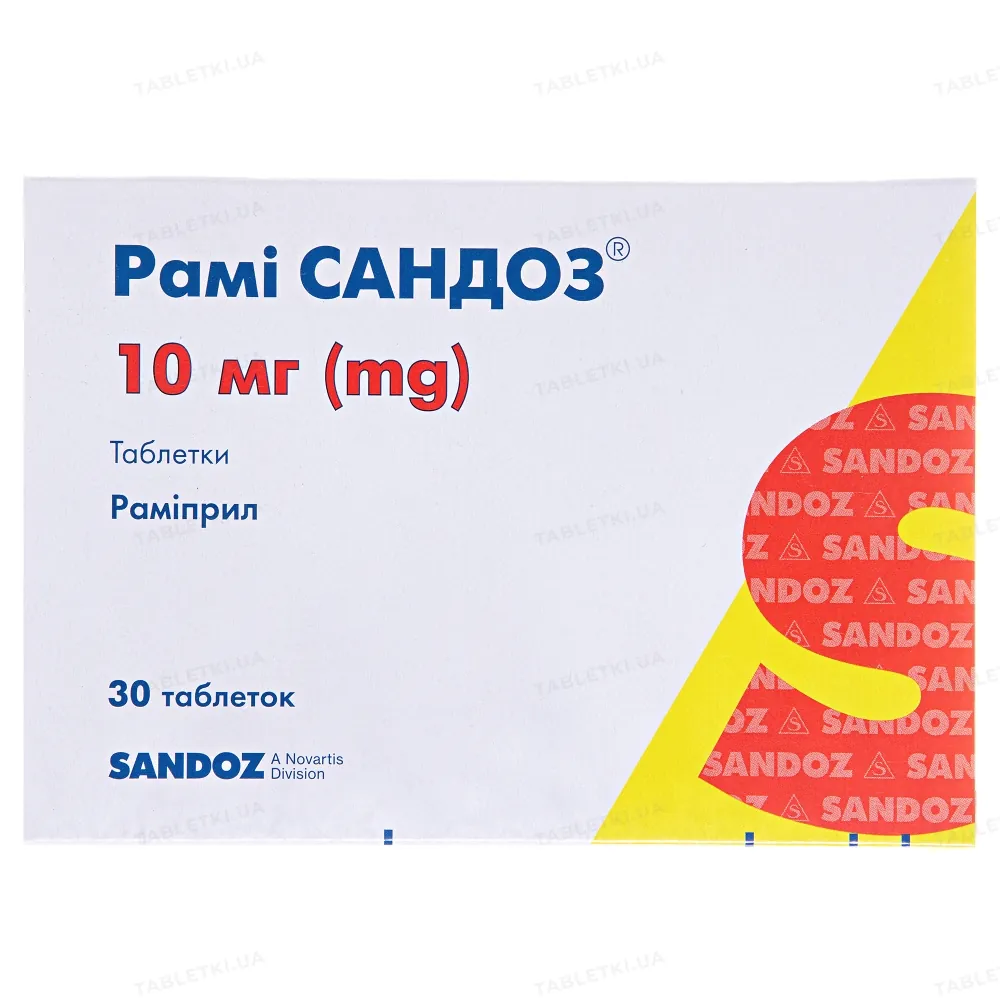
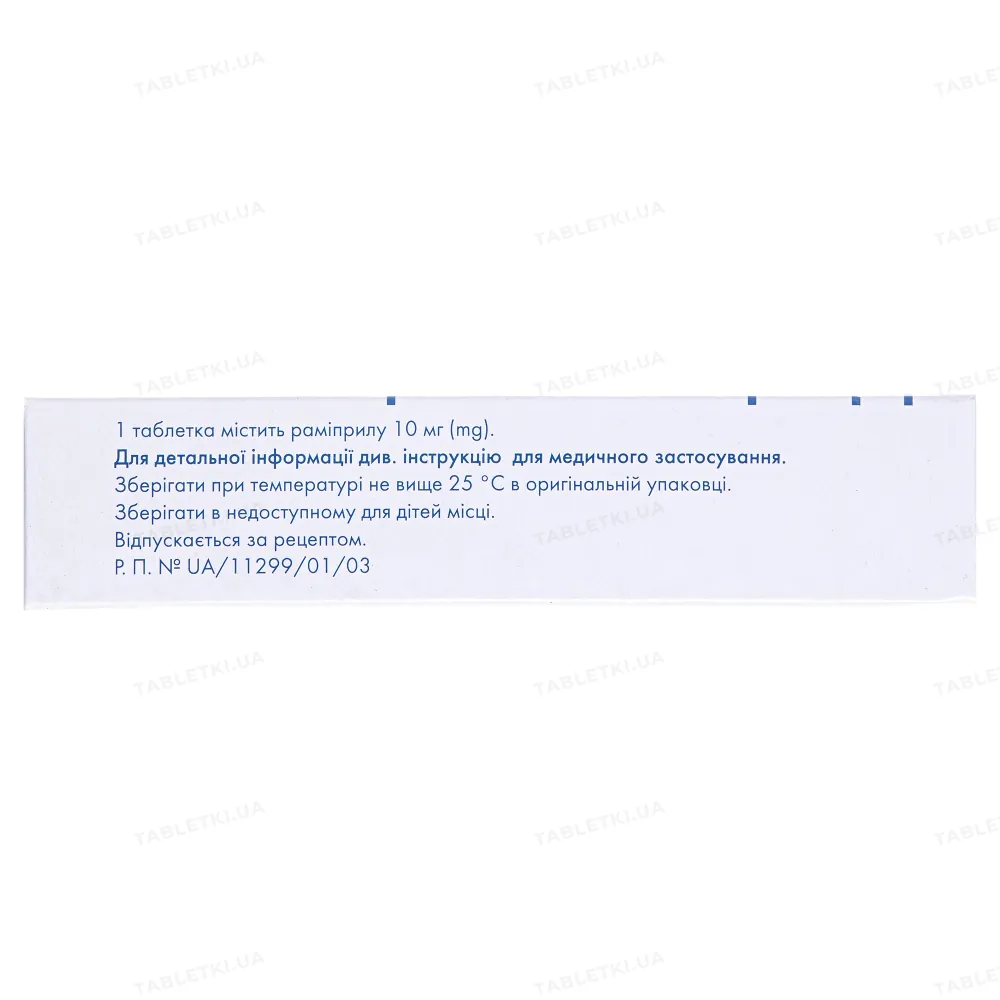
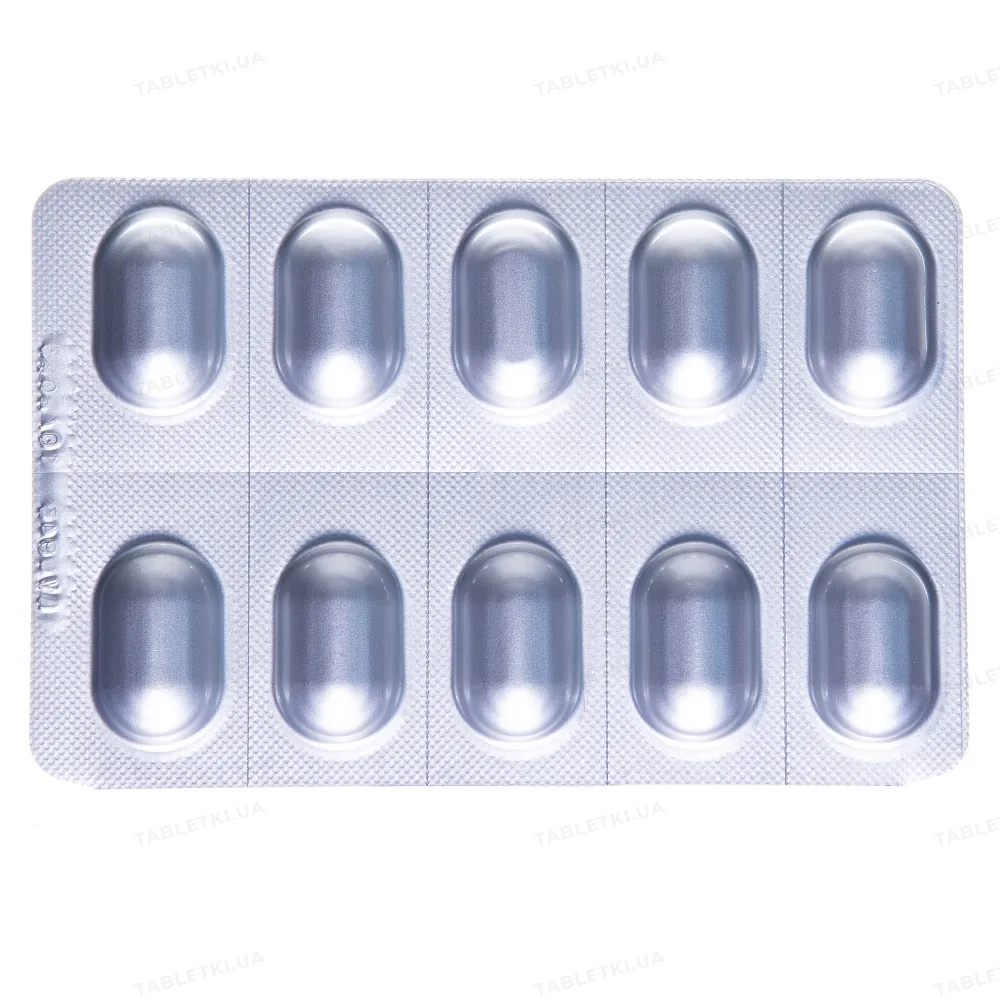
Rami Sandoz 10 mg tablets, No. 30 (10 x 3)
Ingredients
Active ingredient: ramipril;
1 tablet contains 2.5 mg, 5 mg, or 10 mg of ramipril;
inactive ingredients: microcrystalline cellulose, pregelatinized starch, precipitated silicon dioxide, glycine hydrochloride, glycerol dibehenate, yellow iron oxide (E 172) (for 2.5 mg tablets), red iron oxide (E 172) (for 5 mg tablets).
Dosage Form
Tablets.
Main physical and chemical properties:
2.5 mg tablets: light yellow, slightly mottled, capsule-shaped, with a score line on one side;
5 mg tablets: light pink, slightly mottled, capsule-shaped, with a score line on one side;
10 mg tablets: white or almost white, capsule-shaped, with a score line on one side.
Pharmacotherapeutic group
Angiotensin-converting enzyme (ACE) inhibitors. Single-component ACE inhibitors. Ramipril. ATC code C09A A05.
Pharmacological properties
Mechanism of action. Ramiprilat, the active metabolite of ramipril, inhibits the enzyme dipeptidylcarboxypeptidase I (synonyms: ACE; kininase II). In blood plasma and tissues, this enzyme catalyzes the conversion of angiotensin I into the active vasoconstrictor angiotensin II, as well as the breakdown of the active vasodilator bradykinin. Reduced formation of angiotensin II and inhibition of bradykinin breakdown lead to vasodilation.
Since angiotensin II also stimulates the release of aldosterone, ramiprilate helps reduce aldosterone secretion. The response to monotherapy with ACE inhibitors was, on average, less pronounced in Black patients (of Afro-Caribbean descent) with hypertension (a population characterized by low renin levels in the presence of hypertension) than in patients of other races.
Pharmacodynamics.
Administration of ramipril results in a significant reduction in peripheral vascular resistance. Generally, there are no significant changes in renal plasma flow or glomerular filtration rate (GFR). Administration of ramipril to patients with hypertension results in a reduction in blood pressure in both the supine and standing positions, without a compensatory increase in heart rate.
In most patients, the antihypertensive effect occurs 1–2 hours after administration of a single dose of the drug. The maximum effect of a single dose is usually reached after 3–6 hours. The antihypertensive effect following a single dose usually persists for 24 hours.
The maximum antihypertensive effect with long-term treatment with ramipril is generally observed after 3–4 weeks. It has been demonstrated that during long-term therapy, the antihypertensive effect persists for 2 years.
Sudden discontinuation of ramipril does not cause a rapid and excessive increase in blood pressure (rebound phenomenon).
Heart failure. It has been demonstrated that ramipril, when used as an adjunct to conventional therapy with diuretics and, if necessary, cardiac glycosides, is effective in patients with NYHA functional class II–IV heart failure. The drug has a beneficial effect on cardiac hemodynamics (decreased left and right ventricular filling pressures, decreased total peripheral vascular resistance, increased cardiac output, and improved cardiac index). It also reduces neuroendocrine activation.
Clinical efficacy and safety.
Prevention of cardiovascular disease / nephroprotection.
A preventive, placebo-controlled trial (the HOPE trial) was conducted involving more than 9,200 patients who received ramipril in addition to standard therapy. This study included patients at high risk of developing cardiovascular disease following a history of atherothrombotic cardiovascular disease (history of ischemic heart disease, stroke, or peripheral vascular disease) or patients with diabetes who had at least one additional risk factor (documented microalbuminuria, hypertension, elevated total cholesterol, low-density lipoprotein cholesterol, or smoking).
This study demonstrated that ramipril statistically significantly reduces the incidence of myocardial infarction, cardiovascular death, and stroke, both individually and in combination (primary composite endpoint).
The HOPE Study: Key Results
| Endpoint | Ramipril | Placebo | Relative risk
(95% confidence interval) |
Value
p |
| % | % | |||
| All patients | n=4,645 | N=4,652 | ||
| Primary composite endpoint | 14 | 17.8 | 0.78 (0.7–0.86) | <0.001 |
| Myocardial infarction | 9.9 | 12.3 | 0.80 (0.7–0.9) | <0.001 |
| Cardiovascular death | 6.1 | 8.1 | 0.74 (0.64–0.87) | <0.001 |
| Stroke | 3.4 | 4.9 | 0.68 (0.56–0.84) | <0.001 |
| Secondary endpoints | ||||
| All-cause mortality | 10.4 | 12.2 | 0.84 (0.75–0.95) | 0.005 |
| Need for revascularization | 16.0 | 18.3 | 0.85 (0.77–0.94) | 0.002 |
| Hospitalization for unstable angina | 12.1 | 12.3 | 0.98 (0.87–1.1) | not statistically significant |
| Hospitalization for heart failure | 3.2 | 3.5 | 0.88 (0.7–1.1) | 0.25 |
| Complications associated with diabetes mellitus | 6.4 | 7.6 | 0.84 (0.72–0.98) | 0.03 |
In the MICRO-HOPE study, which was originally planned as part of the HOPE study, the effect of adding 10 mg of ramipril to the existing treatment regimen was evaluated compared with placebo in 3,577 patients aged 55 years and older (with no upper age limit) with normal or elevated blood pressure, most of whom had type 2 diabetes (and at least one cardiovascular risk factor).
The results of the primary analysis showed that among the 117 (6.5%) study participants who received ramipril, and 149 (8.4%) who received placebo developed severe nephropathy, corresponding to a 24% relative risk reduction; 95% CI [3–40], p = 0.027.
The REIN study, a multicenter, randomized, double-blind, placebo-controlled, parallel-group trial, was conducted to evaluate the effect of ramipril treatment on the rate of decline in GFR in 352 patients with normal or elevated blood pressure (aged 18–70 years) who had mild (mean urinary protein excretion > 1 and < 3 g/day) or severe (mean urinary protein excretion ≥ 3 g/day) proteinuria due to chronic non-diabetic nephropathy. Both subgroups were prospectively stratified.
The results of the primary analysis of patients with the most severe proteinuria (the subgroup that withdrew from the study early, since the benefit of treatment in the ramipril group had been demonstrated) showed that the mean rate of decline in GFR per month was lower with ramipril than with placebo: −0.54 (0.66) compared with −0.88 (1.03) mL/min/month, p = 0.038. Thus, the between-group difference was 0.34 [0.03–0.65] mL/min/month and approximately 4 mL/min/year; 23.1% of patients in the ramipril group reached the composite secondary endpoint—a doubling of plasma creatinine concentration and/or end-stage kidney disease (requiring hemodialysis or kidney transplantation)—compared with 45.5% in the placebo group (p = 0.02).
Dual blockade of the renin-angiotensin-aldosterone system (RAAS). In two large-scale randomized controlled trials [ONTARGET (a study of the effect of telmisartan as monotherapy and in combination with ramipril on the composite endpoint) and VA NEPHRON-D (Veterans’ Diabetic Nephropathy Study)] investigated the use of a combination of an ACE inhibitor and an angiotensin II receptor antagonist.
The ONTARGET study was conducted in patients with a history of cardiovascular or cerebrovascular disease or with type 2 diabetes mellitus and concomitant signs of target organ damage. The VA NEPHRON-D study included patients with type 2 diabetes and diabetic nephropathy.
These studies did not demonstrate any significant benefits of combination therapy with regard to renal and/or cardiovascular outcomes and mortality, while an increased risk of hyperkalemia, acute renal failure, and/or hypotension was observed compared with monotherapy. Given the similar pharmacodynamic characteristics of these drugs, these results also apply to other ACE inhibitors and angiotensin II receptor antagonists.
Therefore, ACE inhibitors and angiotensin II receptor antagonists should not be used concomitantly in patients with diabetic nephropathy.
The ALTITUDE study (a study of the effect of aliskiren on patients with type 2 diabetes using cardiovascular and renal endpoints) evaluated the benefits of adding aliskiren to standard therapy with an ACE inhibitor or an angiotensin II receptor antagonist in patients with type 2 diabetes and chronic kidney disease, cardiovascular disease, or both conditions. This study was terminated early due to an increased risk of adverse clinical outcomes. In the aliskiren group, compared with the placebo group, a higher incidence of deaths due to cardiovascular disease and stroke was observed, as well as an increased incidence of serious adverse events of particular concern (hyperkalemia, hypotension, and renal dysfunction).
Secondary prevention following acute myocardial infarction. The AIRE study included more than 2,000 patients with transient or persistent symptoms of heart failure following a myocardial infarction. Treatment with ramipril was initiated 3–10 days after the onset of acute myocardial infarction. This study demonstrated that at the end of the follow-up period, which averaged 15 months, the mortality rate in the group of patients receiving ramipril was 16.9%, while in the placebo group it was 22.6%. This represents an absolute reduction in mortality of 5.7% and a relative risk reduction of 27% (95% CI [11–40%]).
Pediatric Population: In a randomized, double-blind, placebo-controlled clinical trial involving 244 pediatric patients with hypertension (73% of whom had primary hypertension) aged 6–16 years, participants received low, medium, or high doses of ramipril to achieve plasma concentrations of ramiprilat corresponding to the adult dose ranges of 1.25 mg, 5 mg, and 20 mg, calculated based on body weight. At the end of the 4-week period, ramipril was found to be ineffective with respect to the endpoint—reduction in systolic blood pressure—but it did lower diastolic blood pressure when administered at the highest dose within the study range. It was demonstrated that both moderate and high doses of ramipril reduce systolic and diastolic blood pressure by a statistically significant amount in children with confirmed hypertension.
No such effect was observed in a 4-week randomized, double-blind, dose-escalation study that evaluated the withdrawal effect of the drug and included 218 pediatric patients aged 6–16 years (75% of whom had primary hypertension). In this study, a moderate rebound increase in both diastolic and systolic blood pressure was observed after discontinuation of the drug; however, it was not statistically significant in terms of blood pressure returning to baseline levels in all dose groups within the studied ramipril range [low doses (0.625–2.5 mg), medium doses (2.5–10 mg), or high doses (5–20 mg)] based on body weight. In the pediatric population studied, ramipril did not exhibit a linear dose-dependent effect.
Pharmacokinetics.
Absorption. After oral administration, ramipril is rapidly absorbed from the gastrointestinal tract. Peak plasma concentrations are reached within 1 hour. Based on the amount of the substance detected in urine, the extent of absorption is at least 56% and is not significantly affected by the presence of food in the gastrointestinal tract. The bioavailability of the active metabolite ramiprilat following oral administration of ramipril at doses of 2.5 mg and 5 mg is 45%.
Maximum plasma concentrations of ramiprilat, the sole active metabolite of ramipril, are reached 2–4 hours after administration of ramipril. After administration of usual doses of ramipril once daily, steady-state plasma concentrations of ramiprilat are reached approximately on the 4th day of treatment.
Distribution. The plasma protein binding of ramipril is approximately 73%, and that of ramiprilat is 56%.
Metabolism. Ramipril is almost completely metabolized to ramiprilat, a diketopiperazine ester, diketopiperazine acid, and glucuronides of ramipril and ramiprilat.
Elimination. Metabolites are eliminated primarily via renal excretion. The decline in plasma ramiprilate concentration is multiphasic. Due to its strong, saturating binding to ACE and slow dissociation from the enzyme, ramiprilat has a prolonged terminal elimination phase at very low plasma concentrations.
After repeated once-daily doses of ramipril, the effective half-life is 13–17 hours for doses of 5–10 mg and longer for lower doses (1.25–2.5 mg). This difference is due to the fact that the enzyme’s capacity to bind to ramiprilat is saturable.
Following oral administration of a single dose of the drug, neither ramipril nor its metabolite was detected in breast milk. However, the effect of repeated doses is unknown.
Patients with impaired renal function (see the “Dosage and Administration” section). In patients with impaired renal function, renal excretion of ramiprilat is reduced, and the renal clearance of ramiprilat is proportional to creatinine clearance. This leads to increased plasma concentrations of ramiprilat, which decline more slowly than in individuals with normal renal function.
Patients with hepatic impairment (see the “Dosage and Administration” section). In patients with hepatic impairment, the metabolism of ramipril to form ramiprilat was slowed due to reduced activity of hepatic esterases, and plasma ramipril levels were elevated in these patients. However, the maximum concentration of ramiprilat in these patients did not differ from that in individuals with normal liver function.
Patients with heart failure. In patients with heart failure, after 2weeks of treatment with 5 mg of ramipril, a 1.5- to 1.8-fold increase in plasma ramiprilat concentrations and an increase in the area under the pharmacokinetic “concentration-time” curve (AUC) were observed.
Breastfeeding. Following a single oral dose of ramipril, its concentration in breast milk was below the limit of detection. However, the effect of repeated dosing is unknown.
Pediatric Population. The pharmacokinetic profile of ramipril was studied in 30 pediatric patients with hypertension aged 2–16 years and weighing >10 kg. Following administration of doses ranging from 0.05 to 0.2 mg/kg, ramipril was rapidly and extensively metabolized to ramiprilat. Maximum plasma concentrations of ramiprilat were reached after 2–3 hours. The clearance of ramiprilat correlated significantly with the logarithm of body weight (p<0.01) as well as with the dose of the drug (p<0.001). Clearance and volume of distribution increased in direct proportion to the children’s age in each dosage group. When a dose of 0.05 mg/kg was administered to children, exposure levels comparable to those in adults receiving a 5 mg dose of ramipril were achieved. As a result of administering a dose of 0.2 mg/kg to children, exposure levels were achieved that were higher than those observed with the maximum recommended dose of 10 mg/day in adults.
Preclinical safety data. Oral administration to animals showed that ramipril does not cause acute toxic effects. Long-term oral administration studies were conducted in rats, dogs, and monkeys. Changes in electrolyte balance and blood parameters were observed in all three species. In dogs and monkeys receiving a dose of 250 mg/kg body weight per day, a significant enlargement of the juxtaglomerular apparatus was noted, which is a manifestation of ramipril’s pharmacodynamic activity. Rats, dogs, and monkeys tolerated daily doses of the drug of 2, 2.5, and 8 mg/kg body weight per day, respectively. No adverse effects were observed in these animals.
Reproductive toxicity studies conducted in rats, rabbits, and monkeys revealed no teratogenic properties of the drug. No adverse effects on fertility were observed in either male or female rats.
Administration of ramipril to female rats during pregnancy and lactation resulted in irreversible kidney damage (dilatation of the renal pelvis) in the offspring at doses of 50 mg/kg body weight per day and higher.
Numerous mutagenicity studies using various test systems did not reveal any mutagenic or genotoxic properties of ramipril.
Indications
Treatment of hypertension.
Prevention of cardiovascular disease: reduction of cardiovascular morbidity and mortality in patients with:
- severe cardiovascular disease of atherothrombotic origin (history of ischemic heart disease, stroke, or peripheral vascular disease);
- diabetes mellitus, who have at least one cardiovascular risk factor.
Treatment of kidney disease:
- early-stage diabetic glomerular nephropathy, as evidenced by the presence of microalbuminuria;
- severe diabetic glomerular nephropathy, as evidenced by the presence of macroproteinuria, in patients with at least one cardiovascular risk factor (see the “Pharmacological Properties” section);
- severe non-diabetic glomerular nephropathy, as indicated by the presence of macroproteinuria ≥ 3 g/day.
Treatment of heart failure accompanied by clinical manifestations.
Secondary prevention following an acute myocardial infarction: reduction in mortality during the acute phase of myocardial infarction in patients with clinical signs of heart failure, provided that treatment is initiated more than 48 hours after the onset of acute myocardial infarction.
Contraindications
Hypersensitivity to the active ingredient, to any other component of the drug, or to other ACE inhibitors.
History of angioedema (hereditary, idiopathic, or associated with the use of ACE inhibitors or angiotensin II receptor antagonists).
Significant bilateral renal artery stenosis or renal artery stenosis in the presence of a single functioning kidney.
Do not use this medication in patients with arterial hypotension or hemodynamically unstable conditions.
Concomitant use with sacubitril/valsartan (see sections “Interactions with Other Medications and Other Types of Interactions” and “Special Considerations for Use”).
Pregnancy and planning a pregnancy (see the section “Use During Pregnancy or Breastfeeding”).
Do not use in combination with aliskiren-containing medications in patients with diabetes mellitus or moderate to severe renal impairment (GFR < 60 mL/min/1.73 m²) (see the section “Interactions with Other Medications and Other Types of Interactions”).
Concomitant use of ACE inhibitors and extracorporeal therapies that result in blood contact with negatively charged surfaces should be avoided (see the section “Interactions with Other Medications and Other Types of Interactions”).
Interactions with Other Medications and Other Types of Interactions
Data from clinical studies have shown that dual RAAS blockade through the combined use of ACE inhibitors, angiotensin II receptor antagonists, or aliskiren is associated with an increased incidence of adverse events such as hypotension, hyperkalemia, and worsening renal function (including acute renal failure), compared with the use of a single agent that affects the RAAS (see the sections “Pharmacodynamics,” “Contraindications,” and “Special Precautions for Use”).
Contraindicated combinations.
Concomitant use of ACE inhibitors with sacubitril/valsartan is contraindicated due to an increased risk of angioedema (see the “Contraindications” and “Special Precautions for Use” sections). Treatment with ramipril should be initiated only 36 hours after the last dose of sacubitril/valsartan. Treatment with sacubitril/valsartan should be initiated only 36 hours after the last dose of ramipril.
Extracorporeal therapies that result in blood contact with negatively charged surfaces, such as dialysis or hemofiltration using certain high-flux membranes (e.g., polyacrylonitrile membranes) and low-density lipoprotein apheresis using dextran sulfate, due to the increased risk of severe anaphylactoid reactions (see the “Contraindications” section). If such treatment is necessary, consideration should be given to using a different dialysis membrane or switching to a different class of antihypertensive medications.
Combinations Requiring Precautions.
Potassium salts, heparin, potassium-sparing diuretics, and other active substances that increase plasma potassium levels (including angiotensin II antagonists, trimethoprim and its fixed-dose combinations with sulfamethoxazole, tacrolimus, and cyclosporine). Hyperkalemia may occur; therefore, plasma potassium levels should be carefully monitored.
Antihypertensive drugs (e.g., diuretics) and other agents capable of lowering blood pressure (e.g., nitrates, tricyclic antidepressants, anesthetics, alcohol, baclofen, alfuzosin, doxazosin, prazosin, tamsulosin, terazosin). An increased risk of hypotension should be expected (see the “Special Considerations for Use” section regarding diuretics).
Vasopressor sympathomimetics and other substances (e.g., isoproterenol, dobutamine, dopamine, epinephrine) that may reduce the antihypertensive effect of Rami Sandoz®. Careful monitoring of blood pressure is recommended.
Allopurinol, immunosuppressants, corticosteroids, procainamide, cytostatics, and other substances that may cause changes in blood counts. Increased likelihood of hematologic reactions (see the “Special Considerations” section).
Lithium salts. ACE inhibitors may reduce lithium excretion, which may lead to increased lithium toxicity. Lithium levels should be carefully monitored.
Antidiabetic agents, including insulin. Hypoglycemic reactions may occur. Close monitoring of blood glucose levels is recommended.
Nonsteroidal anti-inflammatory drugs (NSAIDs) and acetylsalicylic acid. A reduction in the antihypertensive effect of Rami Sandoz® is expected. Furthermore, concomitant use of ACE inhibitors and NSAIDs may be associated with an increased risk of impaired renal function and elevated serum potassium levels.
Salt. Excessive salt intake may weaken the drug’s hypotensive effect.
Specific hyposensitization. Due to ACE inhibition, the likelihood and severity of anaphylactic and anaphylactoid reactions to insect venom increase. It is believed that this effect may also occur with other allergens.
Mammalian target of rapamycin (mTOR) inhibitors or vildagliptin. There may be an increased risk of angioedema in patients receiving concomitant therapy with mTOR inhibitors (e.g., temsirolimus, everolimus, sirolimus) or vildagliptin. Such therapy should be initiated with caution (see the “Special Considerations for Use” section).
Racecadotril. A potential increase in the risk of angioedema has been reported with the concomitant use of ACE inhibitors and a neutral endopeptidase (NEP) inhibitor, such as racecadotril (see the “Special Considerations for Use” section).
Sacubitril/valsartan. Concomitant use of ACE inhibitors with sacubitril/valsartan is contraindicated due to an increased risk of angioedema.
Special Considerations for Use
Special Patient Populations.
Pregnancy. Treatment with ACE inhibitors, such as ramipril, or angiotensin II receptor antagonists should not be initiated during pregnancy. If continuation of ACE inhibitor therapy is deemed necessary, patients planning to become pregnant should switch to an alternative antihypertensive medication with an established safety profile for use during pregnancy. If pregnancy is diagnosed, treatment with ACE inhibitors/ angiotensin II receptor antagonists should be discontinued immediately and, if necessary, alternative therapy initiated (see the “Contraindications” and “Use During Pregnancy or Breastfeeding” sections).
Patients at particular risk of developing hypotension.
- Patients with significantly increased RAAS activity. The risk of a sudden, marked decrease in blood pressure with worsening renal function due to ACE inhibition is increased in patients with marked RAAS activation, especially when an ACE inhibitor or concomitant diuretic is administered for the first time or upon the first dose increase.
A significant increase in RAAS activity requiring medical supervision, including continuous blood pressure monitoring, can be expected, for example, in patients:
- with severe hypertension;
- with decompensated congestive heart failure;
- with hemodynamically significant obstruction to blood inflow or outflow from the left ventricle (e.g., aortic or mitral valve stenosis);
- with unilateral renal artery stenosis in the presence of a second functioning kidney;
- who have or may develop fluid or electrolyte depletion (including those receiving diuretics);
- with liver cirrhosis and/or ascites;
- who are undergoing major surgery or undergoing anesthesia with agents that cause arterial hypotension.
Generally, it is recommended to correct dehydration, hypovolemia, or electrolyte deficiency before initiating treatment (however, for patients with heart failure, such corrective measures should be carefully weighed against the risk of volume overload).
Transient or persistent heart failure following a myocardial infarction.
- Patients at risk of cardiac or cerebral ischemia in the event of acute hypotension. Close medical supervision is required during the initial phase of treatment.
Dual RAAS blockade.
It has been reported that the concomitant use of ACE inhibitors, angiotensin II receptor antagonists, or aliskiren increases the risk of hypotension, hyperkalemia, and worsening renal function (including the development of acute renal failure). Therefore, dual RAAS blockade through the combined use of ACE inhibitors, angiotensin II receptor antagonists, or aliskiren is not recommended (see the sections “Pharmacodynamics” and “Drug Interactions and Other Interactions”).
If therapy involving such dual blockade is deemed absolutely necessary, it should be administered only under the supervision of a specialist and subject to frequent and careful monitoring of renal function, electrolyte levels, and blood pressure.
ACE inhibitors and angiotensin II receptor antagonists must not be used concomitantly in patients with diabetic nephropathy.
Elderly patients. See the “Dosage and Administration” section.
Surgical procedures. It is recommended to discontinue treatment with ACE inhibitors, such as ramipril, if possible, 1 day prior to surgery.
Monitoring of Renal Function. Renal function should be assessed before and during treatment, and the dose should be adjusted, especially during the first few weeks of treatment. In patients with renal impairment, particularly close monitoring is required (see the “Dosage and Administration” section). There is a risk of worsening renal function, primarily in patients with congestive heart failure or following a kidney transplant, as well as in cases of renal vascular disease, including in patients with hemodynamically significant unilateral renal artery stenosis.
Angioedema. Isolated cases of angioedema have been reported in patients receiving ACE inhibitors, including ramipril (see the “Adverse Reactions” section).
The combination of ramipril with sacubitril/valsartan is contraindicated due to an increased risk of angioedema. Treatment with ramipril should be initiated only 36 hours after the last dose of sacubitril/valsartan (see the “Contraindications” and “Drug Interactions and Other Interactions” sections).
The risk of angioedema may be increased in patients receiving concomitant medications such as mammalian target of rapamycin (mTOR) inhibitors (e.g., temsirolimus, everolimus, sirolimus), vildagliptin, or racecadotril (signs may include, for example, swelling of the airways or tongue, with or without respiratory distress (see the “Adverse Reactions” section). Therefore, caution should be exercised when using mammalian target of rapamycin (mTOR) inhibitors (e.g., temsirolimus, everolimus, sirolimus), vildagliptin, or racecadotril in patients already receiving ACE inhibitors.
In the event of angioedema, the drug should be discontinued and emergency treatment initiated immediately. Patients should remain under medical supervision for at least 12–24 hours until symptoms have completely resolved.
Cases of intestinal angioedema have been observed during treatment with ACE inhibitors (see the “Adverse Reactions” section). These patients complained of abdominal pain (with or without nausea/vomiting). Symptoms of intestinal angioedema resolved after discontinuation of ramipril.
Anaphylactic reactions during desensitization. The likelihood and severity of anaphylactic and anaphylactoid reactions to insect venom and other allergens increase with the use of ACE inhibitors. Before desensitization, consider temporarily discontinuing ramipril.
Monitoring of electrolyte balance. Hyperkalemia. Hyperkalemia has been observed in some patients receiving ACE inhibitors, including ramipril. The risk of hyperkalemia is higher in patients with renal insufficiency, patients aged 70 years or older, patients with uncontrolled diabetes mellitus, those receiving potassium salts, potassium-sparing diuretics, or other agents that increase potassium levels, or in conditions such as dehydration, acute cardiac decompensation, or metabolic acidosis. If concomitant use of the above-mentioned drugs is deemed appropriate, regular monitoring of plasma potassium levels is recommended (see the section “Interactions with Other Medications and Other Types of Interactions”).
Monitoring of electrolyte balance. Hyponatremia. In some patients receiving ramipril, syndrome of inappropriate antidiuretic hormone secretion has been observed, leading to the development of hyponatremia. It is recommended to regularly monitor serum sodium levels in the elderly and in other patients at risk of developing hyponatremia.
Neutropenia/agranulocytosis. Cases of neutropenia/agranulocytosis, as well as thrombocytopenia and anemia, have been reported rarely. Bone marrow suppression has also been reported. To detect possible leukopenia, it is recommended to monitor white blood cell counts. Monitoring is generally recommended at the start of treatment and in patients with impaired renal function, concomitant collagenosis (e.g., systemic lupus erythematosus or scleroderma), or those taking other medications that may cause changes in blood counts (see the sections “Interactions with Other Medications and Other Types of Interactions” and “Adverse Reactions”).
Ethnic Differences. ACE inhibitors are more likely to cause angioedema in Black patients than in Caucasians. Like other ACE inhibitors, ramipril may be less effective at lowering blood pressure in African American patients. This may be due to the fact that African American patients with hypertension are more likely to have hypertension with low renin activity.
Cough. Cough has been reported with the use of ACE inhibitors. Typically, the cough is nonproductive, persistent, and resolves upon discontinuation of therapy. When performing a differential diagnosis of cough, the possibility that the cough is caused by ACE inhibitors should be considered.
Use during pregnancy or breastfeeding.
Pregnancy. The drug is contraindicated in pregnant women or women planning to become pregnant. If pregnancy is confirmed during therapy, the drug should be discontinued immediately and, if necessary, replaced with another medication approved for use in pregnant women (see the “Contraindications” section).
Breastfeeding. Due to a lack of information regarding the use of ramipril during breastfeeding (see the “Pharmacological Properties” section), this drug is not recommended for women who are breastfeeding; It is preferable to use other medications that are safer during lactation, especially when breastfeeding newborns or premature infants.
Effect on reaction time when driving or operating machinery.
Certain side effects (e.g., symptoms of low blood pressure, such as dizziness) may impair a patient’s ability to concentrate and slow their reaction time, which is risky in situations where these qualities are particularly important (for example, when operating vehicles or other machinery).
This is usually possible at the start of treatment or when switching from therapy with other medications to treatment with ramipril. After taking the first dose or following a dose increase, it is not advisable to drive or operate machinery for several hours.
Dosage and Administration
The drug is administered orally.
It is recommended to take ramipril at the same time every day. The drug may be taken with or without food, as food does not affect its bioavailability. The 2.5 mg, 5 mg, and 10 mg tablets are designed to be split in half to obtain doses of 1.25 mg, 2.5 mg, and 5 mg, respectively. They should not be chewed or crushed.
Adults.
Patients taking diuretics. Hypotension may occur at the start of treatment with this medication and is more likely to develop in patients who are also taking diuretics. In such cases, caution is advised, as these patients may have a reduced circulating blood volume and/or electrolyte levels.
It is advisable to discontinue the diuretic 2–3 days before starting treatment with ramipril, if possible (see the “Special Considerations for Use” section). In patients with hypertension who cannot discontinue diuretics, treatment should be initiated at a dose of 1.25 mg. Renal function and serum potassium levels should be closely monitored. Subsequent ramipril dosing should be adjusted based on the target blood pressure.
Hypertension.
The dose should be titrated individually, depending on the patient’s specific condition (see the “Special Considerations for Use” section) and the results of blood pressure monitoring. Ramipril may be used as monotherapy or in combination with antihypertensive drugs from other classes (see the sections “Pharmacodynamics,” “Contraindications,” “Interactions with Other Medications and Other Types of Interactions,” and “Special Considerations for Use”).
Initial Dose. Treatment with this drug should be initiated gradually, starting with the recommended initial dose of 2.5 mg per day.
In patients with significant RAAS activation, a marked decrease in blood pressure may occur after administration of the initial dose. For such patients, the recommended starting dose is 1.25 mg, and treatment should be initiated under medical supervision (see the “Special Considerations for Use” section).
Dose titration and maintenance dose. The dose may be doubled every 2–4 weeks until the target blood pressure is reached; the maximum dose of ramipril is 10 mg per day. The drug is usually taken once daily.
Prevention of cardiovascular diseases.
Initial dose. The recommended initial dose is 2.5 mg once daily.
Dose titration and maintenance dose. Depending on individual tolerance, the dose should be gradually increased. It is recommended to double the dose after 1–2 weeks of treatment, and then, after another 2–3 weeks, increase it to the target maintenance dose of 10 mg once daily.
Treatment of kidney disease.
Patients with diabetes mellitus and microalbuminuria.
Initial dose. The recommended initial dose is 1.25 mg once daily.
Dose titration and maintenance dose. Depending on individual tolerance, the dose may be increased during further treatment. After 2 weeks of treatment, it is recommended to double the once-daily dose to 2.5 mg, and then to 5 mg after another 2 weeks of treatment.
Patients with diabetes mellitus and at least one cardiovascular risk factor.
Initial dose. The recommended initial dose is 2.5 mg once daily.
Dose titration and maintenance dose. Depending on individual tolerance of the drug, the dose should be increased during further treatment. After 1–2 weeks of treatment, it is recommended to double the daily dose to 5 mg, and then to 10 mg after another 2–3 weeks of treatment. The target daily dose is 10 mg.
Patients with non-diabetic nephropathy, as evidenced by macroproteinuria ≥ 3 g/day.
Initial dose. The recommended initial dose is 1.25 mg once daily.
Dose titration and maintenance dose. Depending on individual tolerance, the dose should be increased during further treatment. After 2 weeks of treatment, it is recommended to double the once-daily dose to 2.5 mg, and then to 5 mg after another 2 weeks of treatment.
Heart failure with clinical manifestations.
Initial dose. For patients whose condition has stabilized following treatment with diuretics, the recommended initial dose is 1.25 mg per day.
Dose titration and maintenance dose. The ramipril dose is titrated by doubling it every 1–2 weeks until a maximum daily dose of 10 mg is reached. It is preferable to divide the dose into two administrations.
Secondary prevention following acute myocardial infarction in the presence of heart failure.
Initial dose. Forty-eight hours after the onset of myocardial infarction, patients who are clinically and hemodynamically stable should be prescribed an initial dose of 2.5 mg twice daily for 3 days. If the initial dose of 2.5 mg is poorly tolerated, a dose of 1.25 mg twice daily should be administered for 2 days, followed by an increase to 2.5 mg and then to 5 mg twice daily. If the dose cannot be increased to 2.5 mg twice daily, treatment should be discontinued.
Dose titration and maintenance dose. Subsequently, the daily dose should be increased by doubling it every 1–3 days until the target maintenance dose of 5 mg twice daily is reached.
Whenever possible, the daily maintenance dose should be divided into two doses.
If the dose cannot be increased to 2.5 mg twice daily, treatment should be discontinued. There is still insufficient experience with treating patients with severe heart failure (NYHA Class IV) immediately following a myocardial infarction. If, however, a decision is made to treat such patients with ramipril, it is recommended to start therapy with a dose of 1.25 mg once daily and to increase the dose with extreme caution.
Special Patient Populations.
Patients with impaired renal function. The daily dose for patients with impaired renal function depends on the creatinine clearance value (see the “Pharmacological Properties” section):
- if creatinine clearance is ≥ 60 mL/min, no adjustment to the initial dose (2.5 mg/day) is necessary, and the maximum daily dose is 10 mg;
- if creatinine clearance is 30–60 mL/min, no adjustment of the initial dose (2.5 mg/day) is necessary, and the maximum daily dose is 5 mg;
- if creatinine clearance is 10–30 mL/min, the initial dose is 1.25 mg/day, and the maximum daily dose is 5 mg;
- Patients with hypertension undergoing hemodialysis: ramipril is excreted to a negligible extent during hemodialysis; the initial dose is 1.25 mg, and the maximum daily dose is 5 mg; The drug should be taken several hours after a hemodialysis session.
Patients with hepatic impairment (see the “Pharmacological Properties” section). Treatment with ramipril in patients with hepatic impairment should be initiated under close medical supervision, and the maximum daily dose in such cases should be 2.5 mg.
Elderly patients. The initial dose should be lower, and subsequent dose titration should be carried out more gradually, given the higher likelihood of adverse effects, especially in very elderly and frail patients. In such cases, a lower initial dose of 1.25 mg of ramipril should be prescribed.
See also the information above regarding dosing for patients receiving diuretics.
Children.
Ramipril is not recommended for use in children (under 18 years of age) because there is insufficient data on the efficacy and safety of this drug in such patients.
Overdose
Symptoms of an overdose with ACE inhibitors may include excessive peripheral vasodilation (with severe hypotension or shock), bradycardia, electrolyte imbalances, and renal failure. The patient’s condition should be closely monitored. Symptomatic and supportive treatment should be administered. Recommended measures include primary detoxification (gastric lavage, administration of sorbents) and measures to restore hemodynamic stability, including the administration of α1-adrenergic agonists or angiotensin II (angiotensinamide). Ramiprilat, the active metabolite of ramipril, is poorly removed from the systemic circulation by hemodialysis.
Side Effects
The safety profile of ramipril includes reports of persistent cough and reactions caused by hypotension. Serious adverse reactions include angioedema, hyperkalemia, hepatic or renal dysfunction, pancreatitis, severe skin reactions, and neutropenia/agranulocytosis.
Adverse reactions are classified by frequency as follows: very common (≥ 1/10), common (≥ 1/100 and < 1/10), uncommon (≥ 1/1,000 and < 1/100), occasional (≥ 1/10,000 and < 1/1,000), rare (< 1/10,000), and frequency unknown (frequency cannot be estimated from available data).
Within each group, adverse events are listed in order of decreasing severity.
Cardiovascular system: common—hypotension, orthostatic hypotension, syncope; uncommon—myocardial ischemia, including angina or myocardial infarction; tachycardia, arrhythmia, palpitations, peripheral edema, flushing, hot flashes; rare – vascular stenosis, hypoperfusion, vasculitis; frequency unknown – Raynaud’s syndrome.
Hematologic disorders: uncommon—eosinophilia; rare – decreased white blood cell count (including neutropenia or agranulocytosis), decreased red blood cell count, decreased hemoglobin levels, decreased platelet count; frequency unknown – bone marrow failure, pancytopenia, hemolytic anemia.
Nervous system disorders: common – headache, dizziness; uncommon – vertigo, paresthesia, ageusia, dysgeusia; rare – tremor, balance disorders; frequency unknown – cerebral ischemia, including ischemic stroke and transient ischemic attack, psychomotor disturbances, heartburn, parosmia.
Ocular disorders: uncommon—visual disturbances, including blurred vision; rare—conjunctivitis.
Ear and labyrinth disorders: rare—hearing impairment, tinnitus.
Respiratory system: common—nonproductive irritative cough, bronchitis, sinusitis, dyspnea; uncommon—bronchospasm, including exacerbation of bronchial asthma, nasal congestion.
Gastrointestinal system: common—gastrointestinal inflammation, digestive disorders, abdominal discomfort, dyspepsia, diarrhea, nausea, vomiting; uncommon – pancreatitis (in isolated cases, fatal outcomes have been reported with the use of ACE inhibitors), elevated pancreatic enzyme levels, angioedema of the small intestine, upper abdominal pain, including gastritis, constipation, dry mouth; rare – glossitis; frequency unknown – aphthous stomatitis.
Renal and urinary system: uncommon—renal dysfunction, including acute renal failure; increased urine output; worsening of baseline proteinuria; elevated blood urea and creatinine levels.
Skin and subcutaneous tissue disorders: common – rash, including maculopapular rash; Uncommon – angioedema; in very rare cases – airway obstruction due to angioedema, which may be fatal; pruritus, hyperhidrosis; isolated cases – exfoliative dermatitis, urticaria, onycholysis; rare – photosensitivity reaction; frequency unknown—toxic epidermal necrolysis, Stevens-Johnson syndrome, erythema multiforme, pemphigus, exacerbation of psoriasis, psoriatic dermatitis, pemphigoid or lichenoid exanthem or enanthem, alopecia.
Musculoskeletal system: common – muscle spasms, myalgia; uncommon – arthralgia.
Endocrine disorders: frequency unknown – syndrome of inappropriate antidiuretic hormone secretion.
Metabolic disorders: common – elevated blood potassium levels; uncommon – anorexia, decreased appetite; frequency unknown – decreased blood sodium levels.
General disorders: common – chest pain, increased fatigue; uncommon – pyrexia; rare – asthenia.
Immune system disorders: frequency unknown—anaphylactic and anaphylactoid reactions, increased levels of antinuclear antibodies.
Hepatobiliary disorders: uncommon—elevated levels of liver enzymes and/or conjugated bilirubin; rare—cholestatic jaundice, liver cell damage; frequency unknown – acute liver failure, cholestatic or cytolytic hepatitis (in very rare cases – with fatal outcome).
Reproductive system disorders: uncommon—transient erectile dysfunction, decreased libido; frequency unknown—gynecomastia.
Psychiatric disorders: uncommon—depressed mood, anxiety, nervousness, restlessness, sleep disturbances, including drowsiness; rare—confusion; frequency unknown—attention disorders.
Pediatric population. The safety of ramipril was studied in 325 children and adolescents aged 2–16 years in two clinical trials. According to the results, the nature and severity of adverse reactions in children were similar to those observed in adults; however, the incidence of certain reactions was higher in children than in adults, specifically:
tachycardia, nasal congestion, and rhinitis: common in the pediatric population and uncommon in adult patients.
Conjunctivitis: common in the pediatric population and rare in adult patients.
Tremor and urticaria: uncommon in the pediatric population and rare in adult patients.
The overall safety profile of ramipril in children and adults does not differ significantly.
Reporting of Suspected Adverse Reactions.
Reporting suspected adverse reactions during the postmarketing period is an important measure. These reports allow for continued monitoring of the benefit-risk profile of this medication.
Healthcare professionals should report any adverse reactions through Ukraine’s pharmacovigilance system.
Shelf life
2 years.
Storage conditions
Store at a temperature not exceeding 25 °C in the original packaging.
Keep out of reach of children.
Packaging
10 tablets per blister pack; 3 (10 × 3) blister packs per cardboard box.
Manufacturer
Lek S.A., Poland.
Address
95-010 Strykow, 16 Podlipie St., Poland (full-cycle manufacturing).
50 C Domaniewska St., Warsaw, 02-672, Poland (packaging, batch release).